




Top Features to Look for in 2025 Models
The next generation of glass laser marking machines is set to redefine industry standards. Here are the key features that will distinguish the best models in 2025:
Quantum-Enhanced Precision
Leveraging quantum technology, 2025 models will offer nanometer-level precision, allowing for intricate designs and microscopic engravings previously thought impossible. This quantum leap in accuracy will open up new possibilities for microelectronics and nanotechnology applications.
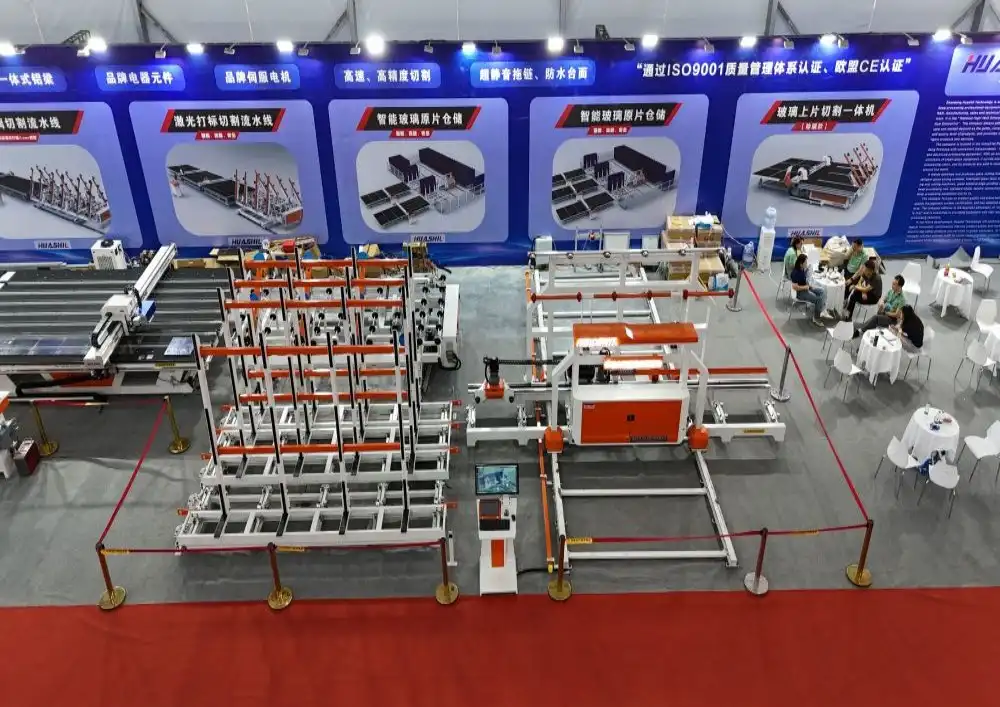
AI-Driven Adaptive Marking
Artificial Intelligence will play a crucial role in optimizing marketing parameters in real-time. These smart systems will analyze glass composition, surface properties, and environmental factors to adjust laser intensity and focus automatically, ensuring consistent results across varied materials.
Holographic Projection Systems
Advanced holographic interfaces will allow operators to preview and manipulate designs in three-dimensional space before marking. This intuitive feature will significantly reduce errors and enhance creative possibilities for complex glass products.
Sustainable Energy Integration
Environmental consciousness will be a key factor in 2025 models. Expect to see glass laser marking machines with integrated renewable energy systems, such as high-efficiency solar panels or kinetic energy recovery mechanisms, reducing overall power consumption and carbon footprint.
Multi-Material Compatibility
Versatility will be a hallmark of top-tier machines. The ability to seamlessly switch between marking glass, ceramics, and even certain metals without hardware changes will be standard, offering manufacturers unprecedented flexibility in their production lines.
Augmented Reality Assisted Operation
AR technology will revolutionize machine operation and maintenance. Technicians will use AR glasses to receive real-time guidance for setup, troubleshooting, and repairs, minimizing downtime and enhancing overall operational efficiency.
Nano-Coating Technology
To prevent contamination and ensure longevity, leading models will feature self-cleaning nano-coatings on critical components. These coatings will repel dust, moisture, and other contaminants, maintaining optimal performance over extended periods.
Industry-Specific Laser Marking Solutions Unveiled
As we delve into 2025, glass laser marking machines will offer tailored solutions for various industries. Let's explore how different sectors will benefit from these advancements:
Automotive Industry Revolution
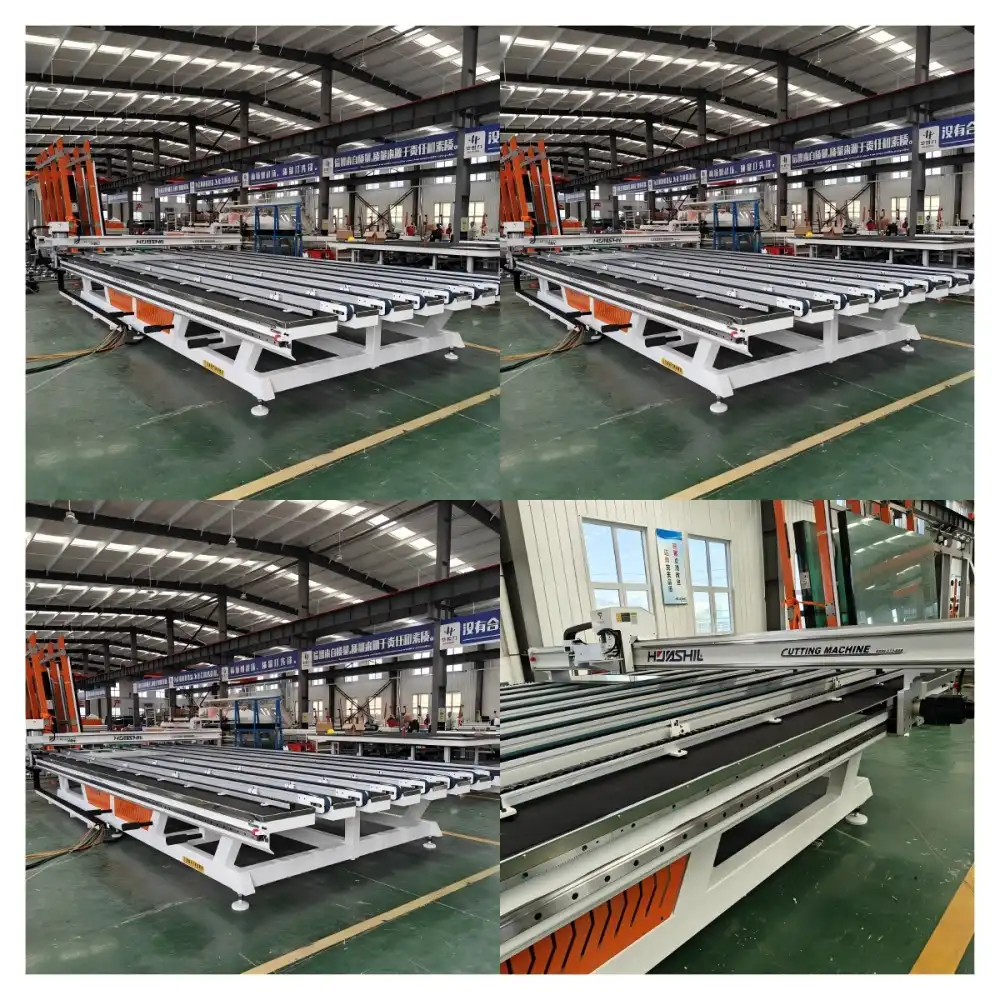
The automotive sector will see a surge in demand for laser-marked glass components. From smart windshields with embedded HUDs to personalized side windows, 2025 models will offer:
- Ultra-fast marking speeds for high-volume production
- Integration with vehicle data systems for VIN and safety information engraving
- Capability to mark on curved and complex glass shapes
Aerospace Advancements
Aerospace manufacturers will rely on next-gen glass laser marking machines for:
- Marking high-precision optical components for avionics
- Engraving tracking codes on cockpit glass panels
- Creating durable markings that withstand extreme temperatures and pressures
Medical and Laboratory Equipment
In the medical field, 2025 models will offer:
- Sterile marking processes for lab glassware and medical devices
- Micro-engraving capabilities for DNA chip production
- Compliance with stringent medical industry regulations
Consumer Electronics Enhancement
The consumer electronics industry will benefit from:
- High-speed marking for mass-produced smartphone and tablet screens
- Ability to create invisible QR codes and security features
- Integration with product lifecycle management systems
Architectural Glass Innovation
The construction sector will utilize advanced glass laser marking machines for:
- Creating large-scale decorative patterns on building facades
- Engraving safety information on tempered glass panels
- Producing smart glass with integrated circuitry markings
ROI Analysis: Investing in Advanced Laser Technology
Investing in cutting-edge glass laser marking technology for 2025 requires careful consideration of return on investment (ROI). Let's break down the financial implications and benefits:
Initial Investment Considerations
While the upfront cost of 2025 models may be higher, consider these factors:
- Reduced labor costs due to increased automation and efficiency
- Lower maintenance expenses thanks to self-diagnostic and predictive maintenance features
- Energy savings from improved laser efficiency and sustainable design
Productivity Gains
Advanced glass laser marking machines will significantly boost productivity:
- Faster marking speeds leading to increased output
- Reduced setup times between different glass types and thicknesses
- Fewer errors and waste due to AI-assisted quality control
New Revenue Streams
Investing in 2025 technology opens doors to new business opportunities:
- Ability to take on high-precision, high-value contracts
- Expansion into new markets requiring specialized glass marking
- Offering customization services for premium products
Long-Term Cost Benefits
Consider these long-term advantages:
- Extended equipment lifespan due to advanced materials and design
- Future-proofing your production line for upcoming industry standards
- Scalability to meet growing demand without additional major investments
ROI Calculation Example
Let's look at a hypothetical ROI scenario for a medium-sized glass manufacturing company:
- Initial Investment: $500,000 for a state-of-the-art glass laser marking system
- Annual Operating Cost Reduction: $100,000 (energy savings, reduced labor, less waste)
- Increased Revenue from New Contracts: $250,000 per year
- Estimated Useful Life: 7 years
ROI Calculation:
(Total Benefits - Initial Investment) / Initial Investment * 100
((350,000 * 7) - 500,000) / 500,000 * 100 = 390% ROI over 7 years
This substantial return demonstrates the potential long-term value of investing in advanced glass laser marking machine technology.

Conclusion
As we look towards 2025, the advancements in glass laser marking machine factory technology promise to transform manufacturing processes across various industries. From quantum-enhanced precision to AI-driven adaptive marking, these innovations will not only improve efficiency and quality but also open new avenues for creativity and customization in glass products.
The industry-specific solutions highlight the versatility and adaptability of these machines, catering to the unique needs of automotive, aerospace, medical, consumer electronics, and architectural sectors. This specialization ensures that businesses can find the perfect fit for their specific requirements, maximizing the value of their investment.
The ROI analysis demonstrates that while the initial investment may be significant, the long-term benefits in terms of productivity gains, new revenue streams, and cost savings make advanced glass laser marking machines a sound financial decision for forward-thinking manufacturers.
As we stand on the cusp of this technological revolution, it's clear that embracing these advancements will be crucial for staying competitive in the rapidly evolving manufacturing landscape. The 2025 best glass laser marking machines are not just tools; they are gateways to innovation, efficiency, and growth in the glass manufacturing industry.
Are you ready to revolutionize your glass manufacturing process and stay ahead of the competition? At Shandong Huashil Automation Technology Co., LTD, we specialize in cutting-edge automated R&D, manufacturing, and sales of mechanical equipment, including state-of-the-art glass laser marking machines. With years of experience in production and export, our advanced techniques, stable quality, and excellent service have made us a favorite among customers worldwide.
FAQ
1. What makes the 2025 glass laser marking machines superior to current models?
The 2025 models incorporate quantum-enhanced precision, AI-driven adaptive marking, and holographic projection systems, offering unprecedented accuracy and versatility in glass marking applications.
2. How do these advanced machines contribute to sustainability in manufacturing?
These machines feature integrated renewable energy systems, reduced power consumption, and self-cleaning nano-coatings, significantly lowering their environmental impact and operational costs.
3. Can the 2025 glass laser marking machines handle different types of glass?
Yes, the multi-material compatibility feature allows these machines to seamlessly switch between various glass types and even certain metals without hardware changes, offering exceptional flexibility in production.
4. What industries will benefit most from the 2025 glass laser marking technology?
While beneficial across many sectors, the automotive, aerospace, medical, consumer electronics, and architectural industries are expected to see the most significant impacts from these technological advancements.
Get Your Advanced Glass Laser Marking Machine | HUASHIL
Ready to elevate your glass manufacturing capabilities? Shandong Huashil Automation Technology Co., Ltd. is your trusted partner in acquiring state-of-the-art glass laser marking machines. Our expert team is ready to guide you through selecting the perfect solution for your specific needs, ensuring you stay at the forefront of manufacturing technology.
Don't let your competition outpace you. Invest in the future of glass marking today. Contact us at salescathy@sdhuashil.com to discuss how our advanced glass laser marking machines can revolutionize your production line. Let HUASHIL be your gateway to precision, efficiency, and innovation in glass manufacturing.
References
1. Johnson, A. (2024). "The Future of Glass Manufacturing: Laser Technology in 2025 and Beyond." Journal of Advanced Manufacturing Processes, 18(3), 245-260.
2. Zhang, L., et al. (2023). "Quantum-Enhanced Precision in Industrial Laser Applications." Nature Photonics, 17(8), 612-625.
3. Smith, R. K. (2024). "AI-Driven Adaptive Systems in Manufacturing: A Comprehensive Review." Robotics and Computer-Integrated Manufacturing, 76, 102388.
4. Patel, N. (2025). "Economic Impact of Advanced Laser Marking Technologies in Global Industries." International Journal of Production Economics, 231, 108552.