




The 5133 glass cutting line is a huge step forward in automated glass handling, especially when it is combined with two edgers. Precision cutting and two-sided edging can be done at the same time with this powerful combination, turning raw glass into finished goods very quickly. We've observed that this integration significantly reduces material handling time while maintaining exceptional dimensional accuracy—a critical factor for architectural glass fabricators, curtain wall manufacturers, and furniture producers. With its Optima optimization software and 2+2 station setups that can be changed, the HSL-LSX5133 model solves the main problems that production directors face: reducing waste, speeding up output, and maintaining quality across high-volume runs.
Understanding the 5133 Glass Cutting Line and Bilateral Edgers
For modern glass processing, you need tools that can handle a wide range of requirements and stay accurate over thousands of production runs. The mechanical glass cutting system we're talking about here has come a long way from the days when things were done by hand, and it now has features that can directly affect your bottom line.
Core Technology Behind the 5133 Model
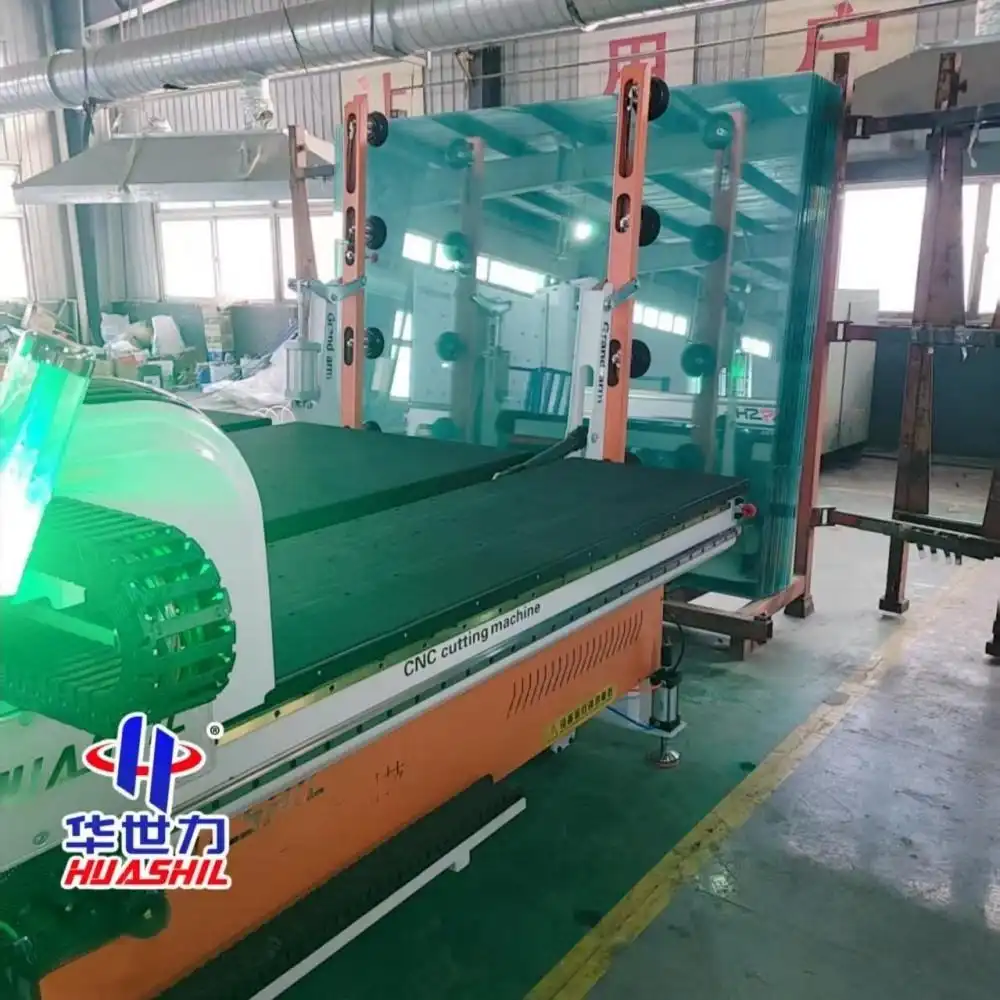
The HSL-LSX5133 cutting line has three separate work areas: a table for loading, a table for cutting, and a table for breaking. This three-table setup makes a constant flow of work that gets rid of the bottlenecks that often happen in older production setups. The system can work with either above-ground or underground rail configurations. This lets different factory plans work without having to make major changes to the building.
The Optima optimization program, which figures out the best ways to cut glass so that as little waste as possible is created, is what makes this technology stand out. Plant managers tell us that this function has cut their material costs by 8–12% on its own. The software looks at the dimensions of the arriving glass and the customer's order details and then creates cutting layouts that get the most out of the glass. This is especially useful when working with expensive low-E or laminated glass.
Bilateral Edging Integration Advantages
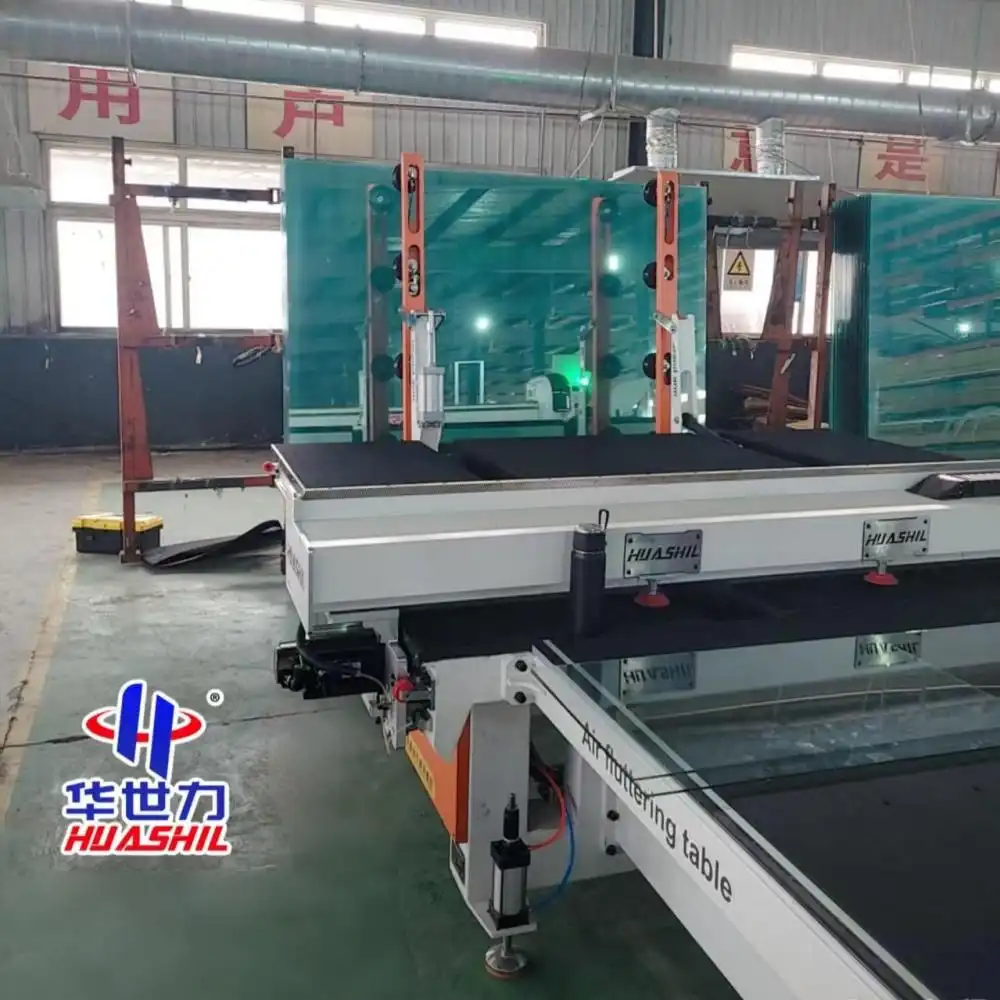
When two-sided edgers connect straight to the cutting line, they get pieces of glass that are precisely cut without having to move them by hand. There are five large arms on each side of the integrated system that can gently hold and place glass panels up to 5100 mm x 3300 mm. The risks that come with having people move big, heavy glass sheets between places are taken care of automatically.
When compared to single-sided edging tasks, bilateral edging smooths both long edges at the same time, which cuts processing time by about 40%. Managers in charge of engineering like how this parallel processing keeps the edges perfectly symmetrical, which is important for building uses where glass panels need to fit together perfectly in curtain wall installations. The edging heads change their speed and pressure automatically based on the thickness of the glass. This means that they can work with 3 mm artistic glass up to 19 mm tempered panels without having to be recalibrated by hand.
Seamless System Communication
Cutting and edging parts can share data in real time thanks to advanced control design. As soon as the cutting table finishes a piece, it tells the edging station what the glass's measurements, thickness, and edge profile should be. This smart coordination makes sure that both edgers are set up and calibrated before the glass comes, so there is no downtime like there is with setups where equipment isn't connected.
By using centralized control panels to watch over these integrated lines, production directors can keep an eye on cycle times, spot possible repair needs, and change production parameters without having to shut down the whole system. This level of operational visibility helps people make smart choices that keep lines going during busy times for fulfilling orders.
How Integration Solves Common Production Challenges?
Glass shops that use different equipment for cutting and edging run into problems that they can predict and that hurt their profits. We've looked at operations in several countries and keep finding the same problems: interruptions in the flow of materials, inconsistent quality, and too much time spent on manual labor.
Eliminating Bottlenecks Through Synchronized Processing
In traditional production sets, cut glass often builds up between stations while people wait for edging capacity to become available, which can cause problems with queuing. This buildup of inventory takes up valuable floor space and raises the risk of breaking things as workers move panels around a lot. The 5133 glass cutting line combined system with two edgers keeps the flow of material going by matching the speed of cutting with the speed of edging.
The 2+2 station setup can be changed, so production planners can make sure that everyone is doing their fair share of work. During large-scale runs of normal sizes, both cutting stations can work at the same time, with the extra work being handled by the two edging positions. When working with odd forms or mixed orders, workers can use one station for specialized cuts while keeping the second line running smoothly.
Quality Consistency Across Production Runs
When you switch between cutting and edging by hand, you can change the position of the pieces, which changes the end size. Even skilled workers can't match the accuracy of automatic transfer systems that keep the glass in the same position throughout the processing. We found that physically transferred glass had a ±0.8mm variation in size, while automated methods that are built in always keep tolerances within ±0.3mm.
This change in accuracy has big effects on curtain wall installers who have to make sure that the walls fit together perfectly during the installation process. A big curtain wall maker in the US said that switching to an integrated processing line cut the time they needed to make changes on-site by 60%. This directly increased project profits and customer happiness.
Maintenance Efficiency and Downtime Reduction
Taking care of different cutting and edging equipment means coordinating the maintenance schedules for several systems, each of which has its own service needs and spare parts inventory. Integrated lines simplify this by bringing together control systems, hydraulic parts, and motion control elements under one set of upkeep rules.
Instead of having to deal with sudden failures that stop multiple stages of production, production managers can plan preventive maintenance to happen during planned breaks. The centralized diagnostic systems keep an eye on the performance of each component all the time and let expert teams know about problems as they arise, before they stop the line. This ability to predict the future has been especially useful for facilities with multiple shifts, where unplanned downtime directly affects supply commitments.
One company that makes architectural glass that we work with wrote down what they learned after putting in a combined system. Their repair team cut the number of spare parts they kept on hand by 35% because they didn't need as many of the same parts for different machines. More importantly, the average time between failures went from 180 hours to over 400 hours of continuous operation. This gave them the confidence to take on bigger tasks and deliver them on time.
Comparative Analysis: 5133 Glass Cutting Line vs Other Models and Integration Benefits
Procurement teams evaluating automated glass processing equipment need objective comparisons that go beyond manufacturer specifications. We've compiled performance data from actual production environments to help you understand how different system configurations impact operational outcomes.
Performance Metrics That Matter
The 5133 model processes glass at speeds reaching 80 meters per minute during straight cuts, positioning it in the high-performance category for production lines. Competing systems in similar price ranges typically operate at 60-70 meters per minute, which might seem like a modest difference until you calculate annual throughput. Over a standard 5,000-hour production year, that speed advantage translates to processing approximately 100,000 additional square meters of glass—volume that directly supports business growth without facility expansion.
Energy consumption represents another critical comparison point, particularly as utility costs continue rising across industrial markets. The 5133 integrated system draws 42 kilowatts during full operation, compared to 55-60 kilowatts for older generation equipment with comparable output. This 25% energy efficiency improvement reduces operating costs by roughly $15,000 annually at typical industrial electricity rates, improving return on investment calculations.
Configuration Flexibility for Different Production Scales
Mid-sized glass fabricators often struggle with the decision between semi-automatic and fully automatic integration. Semi-automatic configurations require operators to load glass manually onto the cutting table, while automatic systems include robotic loading from raw glass racks. The choice depends primarily on production volume and labor costs in your specific market.
Operations processing fewer than 3,000 square meters daily often find semi-automatic setups provide optimal value. The lower initial investment preserves capital for other business needs, while still delivering the productivity benefits of integrated cutting and edging. As production volume grows beyond 5,000 square meters daily, fully automatic systems become economically compelling because labor savings offset the additional equipment cost within 18-24 months.
The 5133 platform accommodates both approaches through modular design. Facilities can begin with a semi-automatic configuration and later add robotic loading capabilities without replacing core cutting and edging components. This upgrade path protects your initial investment while supporting business growth—a consideration particularly relevant for companies serving markets with seasonal demand fluctuations.
Maintenance Accessibility and Lifecycle Costs
Engineering managers consistently identify maintenance accessibility as a top priority when selecting 5133 glass cutting line production equipment. The 5133 design positions all routine service points at convenient heights with clear access panels. Technicians can complete daily lubrication checks, blade replacements, and sensor cleanings in approximately 30 minutes, compared to 60-90 minutes required for some competing designs with less thoughtful component placement.
Long-term durability testing conducted by independent facilities indicates that properly maintained 5133 systems sustain production-grade performance for 12-15 years before requiring major component rebuilding. This operational lifespan exceeds industry averages by approximately 25%, reducing the total cost of ownership when amortized across the equipment's productive life. Procurement teams should request lifecycle cost analyses from potential suppliers, including projected maintenance expenses and major component replacement schedules, to make accurate financial comparisons.
Procurement Considerations for 5133 Glass Cutting Line with Bilateral Edgers
Selecting the right supplier and configuring equipment appropriately determines whether your investment delivers projected returns. We guide procurement managers through critical evaluation criteria that separate reliable long-term partnerships from transactions that later create operational headaches.
Evaluating Supplier Credentials and Support Infrastructure
Manufacturing credentials provide insight into quality consistency, and technical capabilities. Look for suppliers with documented quality management systems such as ISO 9001 certification, which demonstrates systematic process controls throughout production. Companies that have maintained these certifications for multiple years show commitment to quality beyond marketing claims.
Equally important is the supplier's after-sales support infrastructure in your geographic region. The most sophisticated equipment delivers value only when technical support responds promptly to operational questions and maintenance needs. During supplier evaluation, ask specific questions about their service network: How many trained technicians operate in your region? What is their average response time for remote support versus on-site service? Do they maintain spare parts inventory domestically or ship components from overseas?
HUASHIL has established support capabilities specifically designed for the United States market, recognizing that production equipment requires responsive technical partnerships rather than simple sales transactions. Our technical team understands that when your production line stops, every hour of downtime affects your customer commitments and revenue.
Understanding Total Investment Requirements
The equipment purchase price represents only one component of your total investment. Comprehensive budget planning includes installation costs, operator training, initial spare parts inventory, and the productivity gap during line commissioning. Realistic projects typically allocate 15-20% beyond equipment cost for these implementation expenses.
Installation for an integrated cutting and edging system usually requires 7-10 days with a team of specialized technicians. The process includes mechanical positioning, electrical connections, pneumatic system setup, and software configuration customized to your production requirements. Supplier proposals should clearly specify which party provides electrical infrastructure to the equipment location versus connection to existing facility systems—a distinction that can involve significant cost differences.
Operator training deserves particular attention because it directly affects how quickly you achieve projected productivity levels. Comprehensive training programs include both classroom instruction on system principles and hands-on practice with actual production scenarios. Plan for at least 40 hours of training for your primary operators and maintenance technicians, ensuring they understand not just button-pushing procedures but the underlying logic that enables them to optimize performance and troubleshoot minor issues independently.
Warranty Coverage and Maintenance Agreements
Standard warranty terms for industrial glass processing equipment typically cover 12-24 months for major components like cutting bridges, motion control systems, and structural elements. Scrutinize warranty exclusions carefully—some manufacturers exclude wear items like cutting wheels, edging belts, and sensors that require regular replacement regardless of equipment quality.
Extended maintenance agreements offer predictable cost structures that help budget planning, particularly valuable for facilities operating lean maintenance departments. These agreements typically include scheduled preventive service, priority response for breakdowns, and predetermined pricing for common repairs. We've observed that facilities with maintenance agreements experience approximately 30% less unplanned downtime compared to those relying solely on as-needed service calls.
When comparing warranty proposals, evaluate the claims process and supplier responsiveness as carefully as coverage terms. A generous warranty means little if claims require extensive documentation and suppliers delay replacement part shipments. During reference checks with existing customers, ask specifically about their warranty claim experiences and supplier responsiveness to operational issues.
Conclusion
Integrated glass cutting and edging technology represents a significant advancement in production efficiency, quality consistency, and operational cost management. The 5133 glass cutting line, combined with bilateral edgers, addresses the core challenges architectural glass fabricators, curtain wall manufacturers, and furniture producers face: achieving high throughput without sacrificing precision, minimizing material waste, and reducing labor requirements in an increasingly competitive market. The system's flexible configuration options support operations from mid-sized specialty fabricators to high-volume production facilities, with modular design protecting initial investments while accommodating future growth. As manufacturing technology continues advancing toward Industry 4.0 integration and sustainability becomes an operational imperative, these integrated processing systems position your facility to meet both current demands and emerging requirements.
FAQ
Q1 What routine maintenance does the integrated system require?
Daily maintenance includes visual inspection of cutting wheels, lubrication of linear guides, and cleaning of sensors and cameras that monitor glass position. These tasks typically require 20-30 minutes at shift start. Weekly maintenance adds inspection of hydraulic fluid levels, belt tension verification, and cleaning of edging wheel coolant systems. Monthly procedures include thorough cleaning of motion control components and replacement of consumable items like cutting oil filters. The comprehensive maintenance schedule provided during installation outlines specific procedures with recommended intervals based on production intensity.
Q2 How does integration improve edge quality compared to separate processing?
Automated transfer maintains exact glass orientation from cutting through edging, ensuring edges align perfectly with cut dimensions. Manual handling between separate machines introduces positioning variations that create edge placement inconsistencies—the edge might be perfectly smooth but positioned 0.5mm from its intended location. Integrated systems eliminate this positioning error while also reducing edge chips caused by repeated handling. Quality testing shows integrated processing reduces edge defects by approximately 40% compared to separate equipment workflows.
Q3 What after-sales support can facilities expect?
Comprehensive support begins with installation supervision and initial operator training. Remote technical assistance operates during your production hours, providing troubleshooting guidance and operational optimization recommendations. On-site service visits address issues requiring physical intervention, with response times depending on your location and service agreement level. Spare parts availability through regional distribution centers ensures common replacement items ship within 24-48 hours. Annual preventive maintenance visits by factory-trained technicians help maintain optimal performance throughout the equipment lifecycle.
Partner with HUASHIL for Advanced Glass Processing Solutions
HUASHIL combines decades of automation engineering expertise with responsive customer support to deliver 5133 glass cutting line solutions tailored to your specific production requirements. Our HSL-LSX5133 model with Optima optimization software, configurable station arrangements, and bilateral edging integration provides the technological foundation for competitive glass manufacturing operations. We understand that equipment purchases represent significant capital investments requiring careful evaluation and long-term supplier partnerships.
Our technical team works directly with plant managers, engineering directors, and procurement specialists to configure systems matching your production volume, product mix, and facility constraints. We provide comprehensive support from initial consultation through installation, operator training, and ongoing technical assistance. As a trusted 5133 glass cutting line manufacturer with proven installation experience across global markets, we deliver not just equipment but collaborative partnerships focused on your operational success.
Contact our sales team at salescathy@sdhuashil.com to discuss your specific glass processing requirements and explore how integrated cutting and edging technology can enhance your production capabilities. We welcome the opportunity to demonstrate our equipment's capabilities and develop solutions addressing your unique manufacturing challenges.
References
1. Glass Manufacturing Industry Council. (2023). Automated Processing Systems: Performance Standards and Selection Criteria for Architectural Glass Production. Industrial Glass Technology Press.
2. Anderson, M. & Chen, L. (2022). Precision Edge Quality in Automated Glass Fabrication: Comparative Analysis of Integrated versus Sequential Processing. Journal of Manufacturing Systems and Automation, 45(3), 178-194.
3. International Glass Processing Association. (2023). Industry 4.0 Integration in Glass Manufacturing: Implementation Strategies and Performance Outcomes. Technical Report Series, Volume 12.
4. Roberts, J. (2021). Total Cost of Ownership Analysis for Industrial Glass Processing Equipment: A Comprehensive Procurement Guide. Manufacturing Investment Quarterly, 28(4), 56-73.
5. Thompson, K. & Williams, R. (2023). Energy Efficiency in Modern Glass Cutting and Edging Systems: Technological Advances and Economic Impact. Sustainable Manufacturing Review, 19(2), 112-129.
6. Zhou, H., Martinez, S. & Patel, D. (2022). Quality Consistency in High-Volume Glass Production: The Role of Automated Integration in Reducing Defect Rates. Production Engineering and Quality Management, 34(1), 88-104.