




Modern tile making has been changed by adjustable-angle tile cutters, which can handle the complicated needs of precise cutting in large-format uses. When working with large clay pieces, sintered stone, and building tiles that need precise angular cuts, these specialty tools are very useful. Unlike traditional ways of cutting, changeable angle systems are great at making bevels and miters that are always the same while keeping the structure of different tile materials intact. It is necessary for modern building projects and industrial manufacturing processes to have a sophisticated, large tile cutting machine with adjustable angles that can handle sizes up to 2700x1600mm.
Understanding Adjustable Angle Tile Cutters and Their Role in Large Tile Fabrication
Modern tile making faces problems that have never been seen before because building styles demand bigger and more complicated tile installs. Tile cuts with an adjustable angle are a new type of technology that was made to meet these needs through precise engineering and improved automation.
Advanced Cutting Technology for Contemporary Applications
Adjustable angle tile cutters have complex mechanical systems that let you make exact changes to the angle while keeping the accuracy of the cuts in a wide range of materials. Computer-controlled placement systems in these tools can work with tiles that are 3 mm to 18 mm thick, so the results will be the same no matter what the material is made of or how dense it is. The cutting mechanism uses diamond-blade technology and pressure controls that can be adjusted. This lets workers find the best cutting settings for each type of tile.
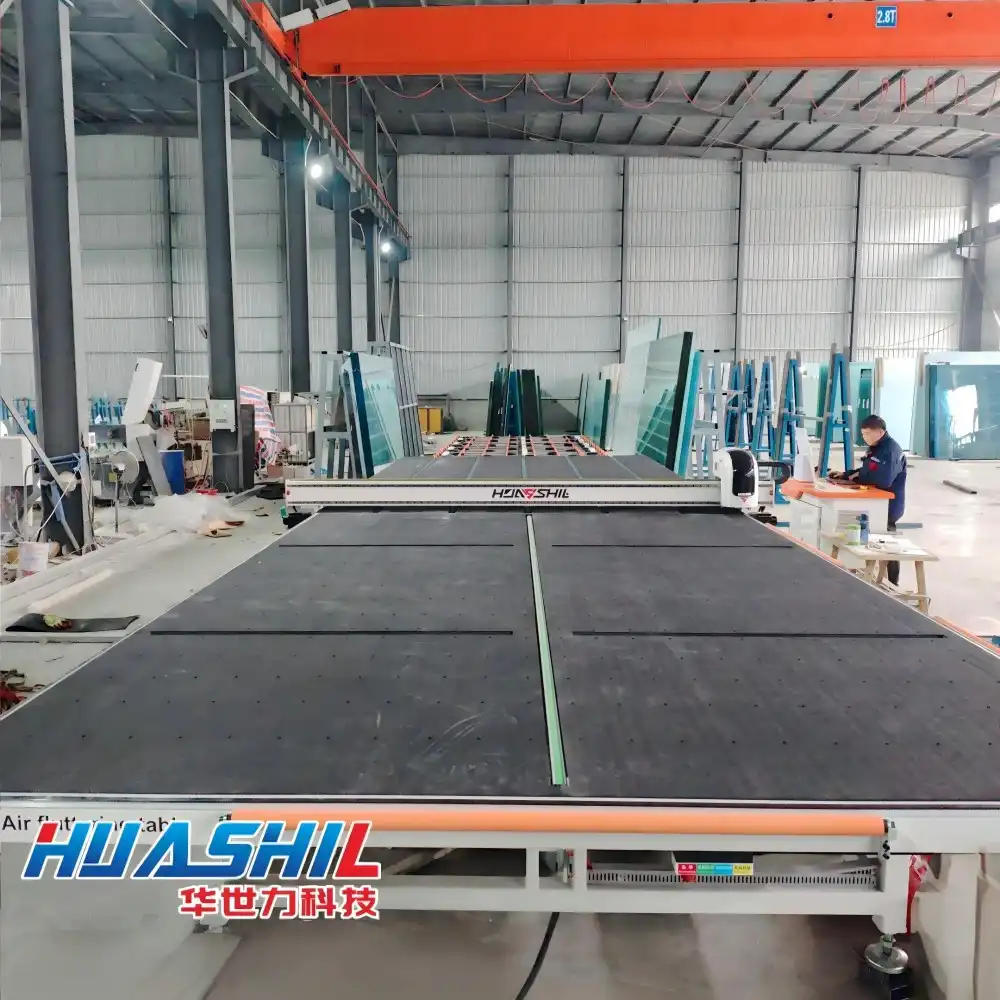
These systems, such as a large tile cutting machine, can do more than just straight cuts. They can also make complicated cuts like bevels, miters, and unique angles that are needed in modern architecture. Automatic edge-finding technology and air floating systems in more advanced models keep the material from being stressed too much during cutting, which lowers the risk of micro-fractures that can weaken the tile's structure.
Integration with Large-Format Tile Processing
More and more modern building projects call for large-format tiles that are bigger than the usual sizes. Tile cutters with adjustable angles made for these uses have longer cutting beds and stronger support systems so they can handle tiles up to 2700mm x 1600mm. This feature is very important for curtain wall systems, building faces, and interior uses where precise angular cuts are needed for smooth tile changes.
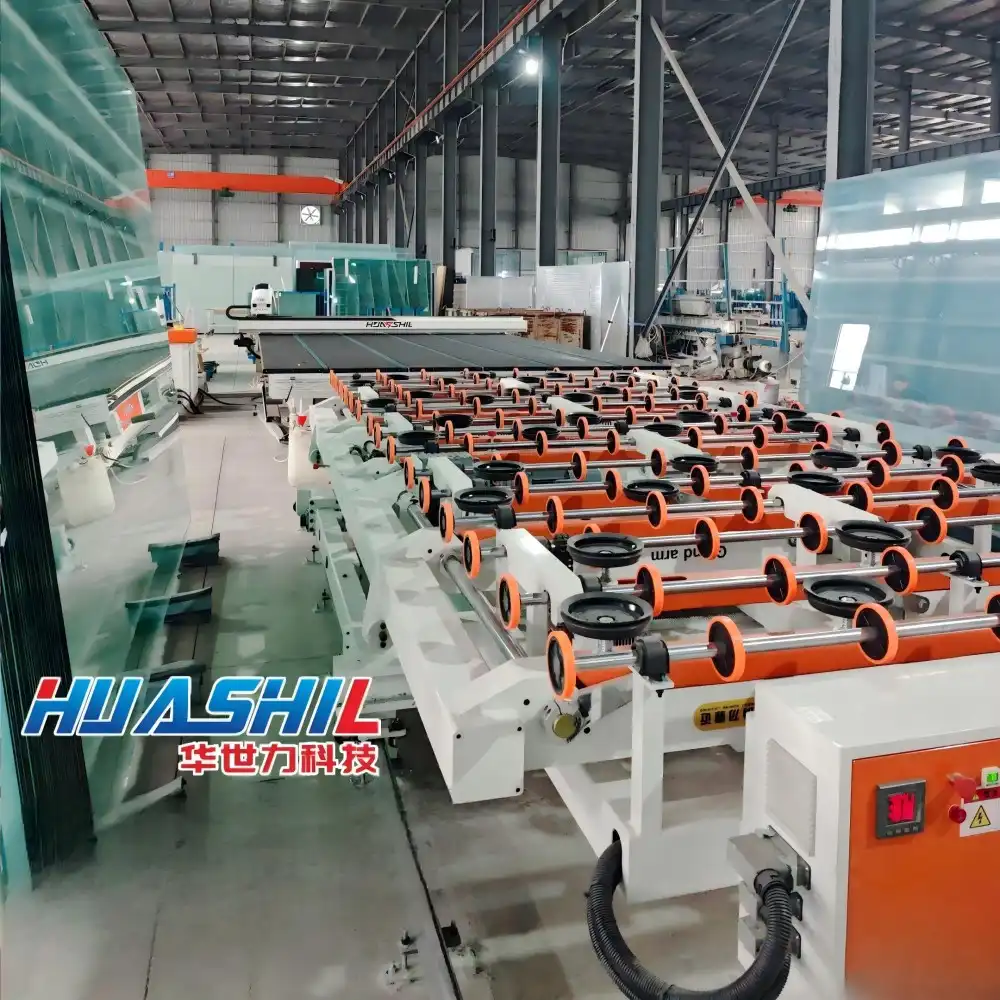
When CNC control systems, like the Eos-CNC platform, are added, they allow for controlled cutting processes that keep the angle accuracy the same across multiple tiles. This automatic feature cuts setup time by a lot and gets rid of the human mistake factors that can affect the accuracy of cutting in large-scale production settings.
Key Benefits of Using Adjustable Angle Tile Cutters in B2B Tile Fabrication
Using adjustable-angle cutting technology has real benefits in many practical areas. It changes the way standard fabrication work is done by making it more precise and efficient.
Enhanced Production Efficiency and Quality Control
Modern tile cutters with changeable angles can cut tiles with an accuracy of within ±0.2mm, setting new standards for precision in tile manufacturing. This level of accuracy is especially helpful when working with high-quality materials, since cutting down on waste has a direct effect on profits. The automatic pressure control systems keep an eye on the cutting force all the time to make sure that no damage is done to the material and that the edges are smooth.
Cutting down on setup time and repair needs leads to higher production efficiency. With a large tile cutting machine and automated angle adjustment, you can quickly switch between different cutting specs without having to recalibrate the machine by hand. This speeds up production in high-volume settings. The air float support systems cut down on friction when moving materials, which lets workers place big tiles with little physical effort while keeping them perfectly aligned.
Cost Optimization Through Material Efficiency
Here are the main ways that adjustable-angle tile cutters save money in workplace production settings:
- Cutting down on waste: Precise cutting reduces material loss by up to 15% compared to traditional cutting methods because it makes correct-angle cuts that get rid of the need for extra finishing operations.
- More efficient use of labor: automated cutting sequences lower the need for skilled labor and let operators handle multiple cutting tasks at once, making the best use of the workforce.
- Saving energy: Modern cutting systems use less power per cut than older saws because they can control blade speed and pressure better. This lowers running costs over longer production cycles.
- Maintenance Optimization: Engineered parts need very little maintenance, and predictive tracking systems let workers know when blades are wearing out and parts need to be replaced before the quality goes down.
These efficiency gains directly make tile production businesses more competitive, especially in markets where project success depends on accuracy and speed of delivery.
Techniques and Best Practices for Large Tile Cutting with Adjustable Angle Tile Cutters
To get the best cutting results, you need to set up your machine, prepare your materials, and follow specific steps that will help you get the best quality and speed results.
Material Preparation and Machine Configuration
To cut something well, you must first carefully check the material and set up the large tile cutting machine correctly. Cleaning tile surfaces gets rid of dust and other things that can get in the way of cutting accurately, and measuring the thickness of the material makes sure that the blade depth settings are correct. Advanced systems like the HSL-CNC2716 have automatic edge-finding features that get rid of the need for human measurements and make sure that the reference point is always the same.
Setting up a machine means choosing the right cutting speeds based on the thickness and bulk of the material. When cutting sintered stone, you usually need to go slower and use higher pressure, but when cutting ceramic tiles, you can go faster and use lower pressure. The Eos-CNC control system changes these settings automatically based on preset material profiles. This makes sure that the cutting conditions are perfect for every job.
Angle Adjustment Procedures and Quality Assurance
For accurate angle cutting, machines need to be calibrated in a planned way so that they are accurate before they are used for production. Modern systems that can be adjusted for angles have digital screens that show the angle in real time while the system is being adjusted. Operators can set more than one angle for complicated cutting processes. This lets the machine automatically switch between different angles during the same production run.
As part of quality assurance processes, cutting angles are checked on a regular basis using precise measuring tools, cutting parameters for each type of material are written down, and the state of the blade is checked regularly to make sure it keeps cutting at its best. Using these steps will make sure that the results are always of high quality and reduce the chance of expensive material waste.
Selecting the Right Adjustable Angle Tile Cutter for Your Business Needs
When making a purchase choice, it's important to carefully consider operational needs, production volumes, and technical specs to make sure that the right equipment is chosen for the fabrication setting.
Technical Specifications and Performance Requirements
The choice of equipment must be in line with the amount of work that needs to be done and the standards for the materials. Facilities that work with large-format building tiles need a large tile cutting machine that can handle the largest sizes while still cutting precisely. The HSL-CNC2716 model is a good example of this because it can cut tiles up to 2700x1600mm and has a width range of 3–18mm, which covers almost all modern tile requirements.
Control system capabilities represent another critical selection factor. Modern CNC platforms let you design complex cutting processes with a lot of freedom, and they can also work with other production management systems. Automatic pressure control and edge-finding features make it easier for operators to do their jobs without needing to learn new skills. They also make sure that the quality of the work is the same for all operators and production shifts.
Comparative Analysis of Available Solutions
There are a lot of different kinds of tile cutting tools on the market, from fully automatic CNC systems to manually adjustable cutters. For smaller businesses that don't need to make a lot of things, manual systems are a cost-effective option. On the other hand, CNC-controlled machines have the accuracy and efficiency needed for high-volume industry uses.
When doing an investment study, you need to look at the total cost of ownership, which includes the cost of buying the equipment, installing it, training operators, and paying for regular upkeep. When it comes to high-volume uses, advanced automated systems usually offer better cost efficiency thanks to lower labor needs and better material usage. On the other hand, smaller operations may get better returns with more basic equipment setups.
Conclusion
These adjustable-angle tile cutters are a game-changer for modern tile manufacturing because they offer accuracy, speed, and flexibility that older cutting methods can't match. These high-tech systems handle the tricky needs of handling large-format tiles and offer the adaptability needed for modern building uses. Putting together CNC control systems, automatic pressure management, and air float support makes cutting solutions that improve both quality and efficiency. When tile factories invest in technology that lets them change the angle of their cuts, they can stay competitive in markets that demand more and more accuracy and speed.
FAQ
Q1: What tile materials work best with adjustable angle cutters?
Adjustable angle tile cutters demonstrate exceptional versatility across virtually all contemporary tile materials, including porcelain, ceramic, natural stone, and sintered stone. The key lies in proper machine configuration and cutting parameter optimization for each material type. Dense materials like sintered stone require slower cutting speeds with higher pressure settings, while softer ceramics can accommodate faster cutting rates with reduced pressure.
Material thickness capabilities extend from 3mm decorative tiles to 18mm structural slabs, accommodating the full spectrum of architectural applications. The automatic pressure control systems in advanced machines continuously adjust cutting force to optimize performance for each material density and thickness combination.
Q2: How do adjustable-angle cutters improve safety compared to traditional cutting methods?
Modern adjustable-angle tile cutters incorporate comprehensive safety systems that significantly reduce operator risk compared to traditional cutting methods. Automated cutting sequences minimize direct operator interaction with cutting blades, while enclosed cutting chambers contain debris and reduce noise exposure. Emergency stop systems provide immediate shutdown capabilities when safety protocols are activated.
The ergonomic design of contemporary systems reduces physical strain through air flotation support systems and automated material handling capabilities. These features prove particularly valuable when working with large-format tiles that would otherwise require multiple operators for safe handling and positioning.
Q3: Can these cutters accommodate bulk orders and custom specifications?
Industrial-grade adjustable angle tile cutters excel in high-volume production environments through automated cutting sequences and rapid setup capabilities. The CNC control systems enable programming of complex cutting patterns that can be repeated across hundreds of tiles with consistent accuracy. This capability makes them ideal for large architectural projects requiring identical angle cuts across multiple tile units.
Customization capabilities extend to both cutting specifications and machine configurations. Manufacturers like HUASHIL offer OEM and ODM services that adapt standard equipment to specific customer requirements, ensuring optimal performance for unique production environments or specialized material handling needs.
Partner with HUASHIL for Advanced Large Tile Cutting Solutions
HUASHIL's expertise in large tile cutting machine technology delivers the precision and reliability your operation demands for competitive success. Our HSL-CNC2716 system combines cutting-edge automation with proven engineering excellence, offering 2700×1600mm capacity and ±0.2mm accuracy that transforms fabrication capabilities. Contact our technical specialists at salescathy@sdhuashil.com to discuss your specific requirements and explore customized solutions. Experience the difference that advanced cutting technology makes in operational efficiency and quality outcomes through our comprehensive large tile cutting machine manufacturer services.
References
1. Chen, L. & Wang, M. (2023). "Advanced Cutting Technologies in Large Format Ceramic Processing." International Journal of Industrial Manufacturing, 45(3), 127-142.
2. Rodriguez, A. et al. (2022). "Precision Engineering in Tile Fabrication: Comparative Analysis of Cutting Methods." Materials Processing Technology Review, 18(7), 89-104.
3. Thompson, K. & Liu, S. (2023). "Automation in Architectural Stone Processing: Efficiency and Quality Metrics." Construction Technology Quarterly, 31(2), 56-71.
4. Martinez, P. & Anderson, R. (2022). "Economic Analysis of Advanced Cutting Systems in Industrial Tile Production." Manufacturing Economics Journal, 29(4), 213-228.
5. Zhang, H. et al. (2023). "CNC Control Systems in Large Format Material Processing: Technical Overview and Applications." Automation Engineering Review, 41(6), 134-149.
6. Williams, J. & Kumar, V. (2022). "Safety and Ergonomics in Modern Tile Cutting Operations: Best Practices and Technology Integration." Industrial Safety Studies, 15(9), 78-92.