




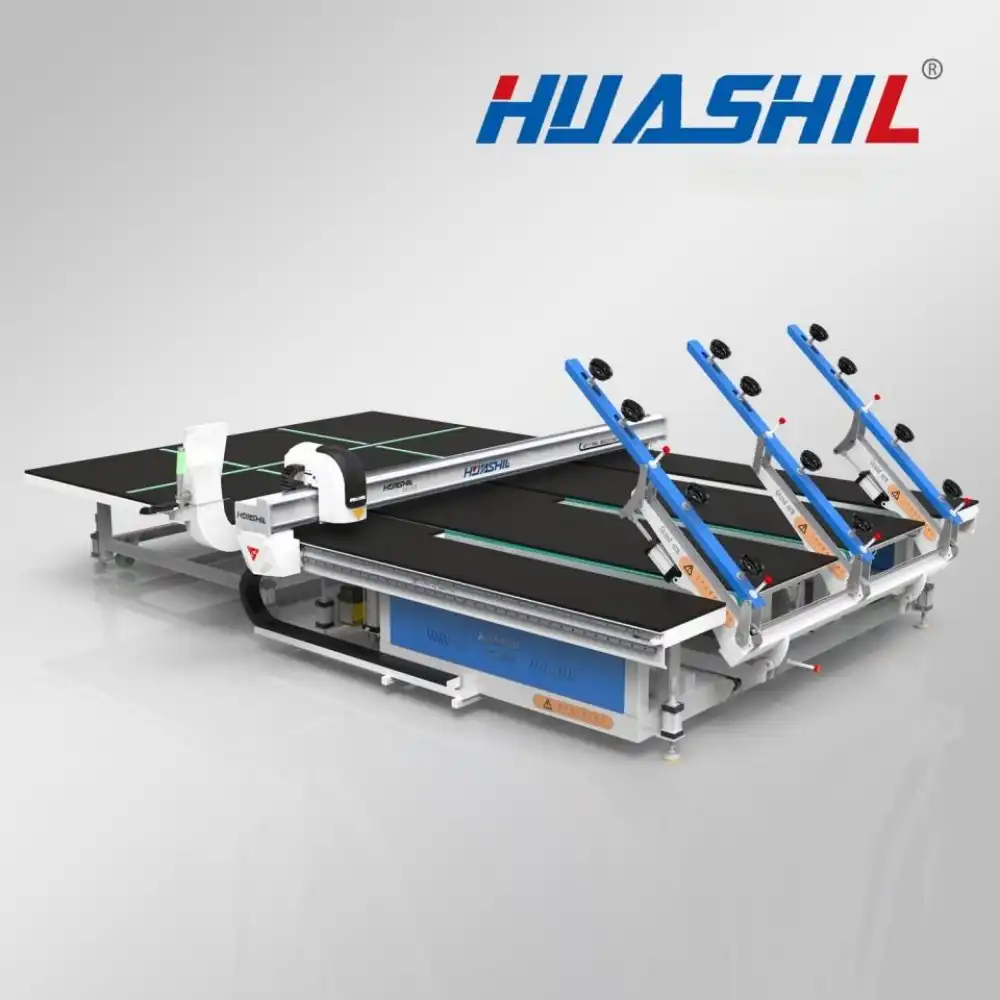
For companies that want to handle glass with accuracy, speed, and flexibility, the 3826 glass cutting machine is a revolutionary new tool. This state-of-the-art machinery, specifically the HSL-YTJ3826 model, which has advanced robotics features, changes the way companies in many different industries make glass. The machine can handle glass up to 3660mm x 2440mm and a cutting thickness of 2mm to 19mm. This makes it an essential tool for companies in the architectural, car, and specialty glassmaking sectors that want to stay ahead of the competition.
Understanding the Core Features of the 3826 Glass Cutting Machine
The technical details of these high-tech glass processing tools make it clear why they're so popular with purchasing workers in many different fields. The HSL-YTJ3826 model has advanced automation technologies that make complicated cutting tasks easier while still keeping the highest standards of accuracy.
Advanced Automation and Control Systems
The machine's full automation set includes automatic loading features that get rid of the flaws of having to do things by hand. Its automatic pressure control system makes sure that the cutting force is the same for all sizes of glass, and its automatic edge finding feature makes sure that every cut is made exactly where it should be. The air float system lowers friction as the glass moves, which lowers the risk of damage to the surface and raises the safety of handling in general.
Intelligent building algorithms let makers get the most out of the materials they use by integrating Optima optimization software. This software figures out the best ways to cut things so that there is less waste and more output, which has a direct effect on the bottom line. The ability to walk around with a remote control in any direction gives workers a level of freedom that has never been seen before in placing machines and managing operations.
Precision Engineering and Quality Assurance
The machine cuts with an alignment of ≤±0.15mm/m and works within a space of 5930x5100mm. This makes sure that the quality is the same throughout long production runs. The simultaneous belt moving system moves the glass smoothly, lowering vibrations and keeping the accuracy of the cut throughout the whole process. The breaking table feature makes it easy to separate cut pieces, which speeds up work and reduces the need for human assistance.
The CE and ISO9001 certifications show that the 3826 glass cutting machine meets international quality standards. This gives purchasing managers faith in the tools they buy. These licenses show that the products have been through strict quality control and testing procedures that make sure they work well in harsh industrial settings.
Best Use Cases of the 3826 Glass Cutting Machine in Industry
This automatic cutting system is very useful in many important industries where the needs for glass handling keep changing and getting tougher because it is so flexible and accurate.
Architectural Glass and Curtain Wall Manufacturing
Making architectural glass is one of the most difficult tasks for tools used for precise cutting. When it comes to making big glass panels for curtain wall systems, where accurate measurements are key to both installation speed and structural integrity, the machine really shines. It can handle glass sizes up to 3660mm x 2440mm, which is exactly what modern architecture needs for large window systems.
Construction system engineers can use the machine to work with different types of glass, including low-E covered glass, because it can remove the low-E film. This feature keeps the energy-saving qualities of the glass surface while making sure the edges are properly prepared for structural glazing uses. The automatic pressure control system can adjust to different types of glass, making sure that the cutting works perfectly for a wide range of design needs.
Furniture and Interior Design Applications
Glass parts are popular in the furniture industry because they look good and can be used in a variety of ways. Because the 3826 glass cutting machine can cut with great accuracy, makers can make glass tables, shelving systems, and artistic panels with complicated shapes. The air float method is especially helpful when working with fragile artistic glass because it lowers the chance of scratching the surface.
More and more, interior designers are asking for unique glass features in both business and home projects. Through its Optima software, the machine can handle different cutting patterns, which makes it easy for makers to meet specific design needs. The breaking table feature makes it easier to separate complicated cuts cleanly, keeping the edge quality that is needed for uses that will be seen.
Automotive and Transportation Glass Processing
To make sure the right fit and safety performance, making automotive glass requires a high level of accuracy and regularity. The advanced edge-finding features of the machine make sure that even the most complicated shapes of automotive glass are correctly placed. The automatic pressure control system keeps the cutting quality uniform across the range of glass thicknesses that are widely used in vehicle applications.
The synchronous belt moving system makes handling glass very gentle, which is very important for processing car glass because the quality of the surface affects both safety and visual clarity. The machine can work with glass widths ranging from 2mm to 19mm, which means it can be used for all kinds of vehicle glass, from side windows to windshields.
Manual vs Automatic: Choosing the Right Mode on the 3826
Modern businesses that work with glass need to be able to adapt to changing production needs and complicated orders. The machine can work in two different modes, which lets producers make the most of their operations based on their needs and output volumes.
Automatic Mode Advantages for High-Volume Production
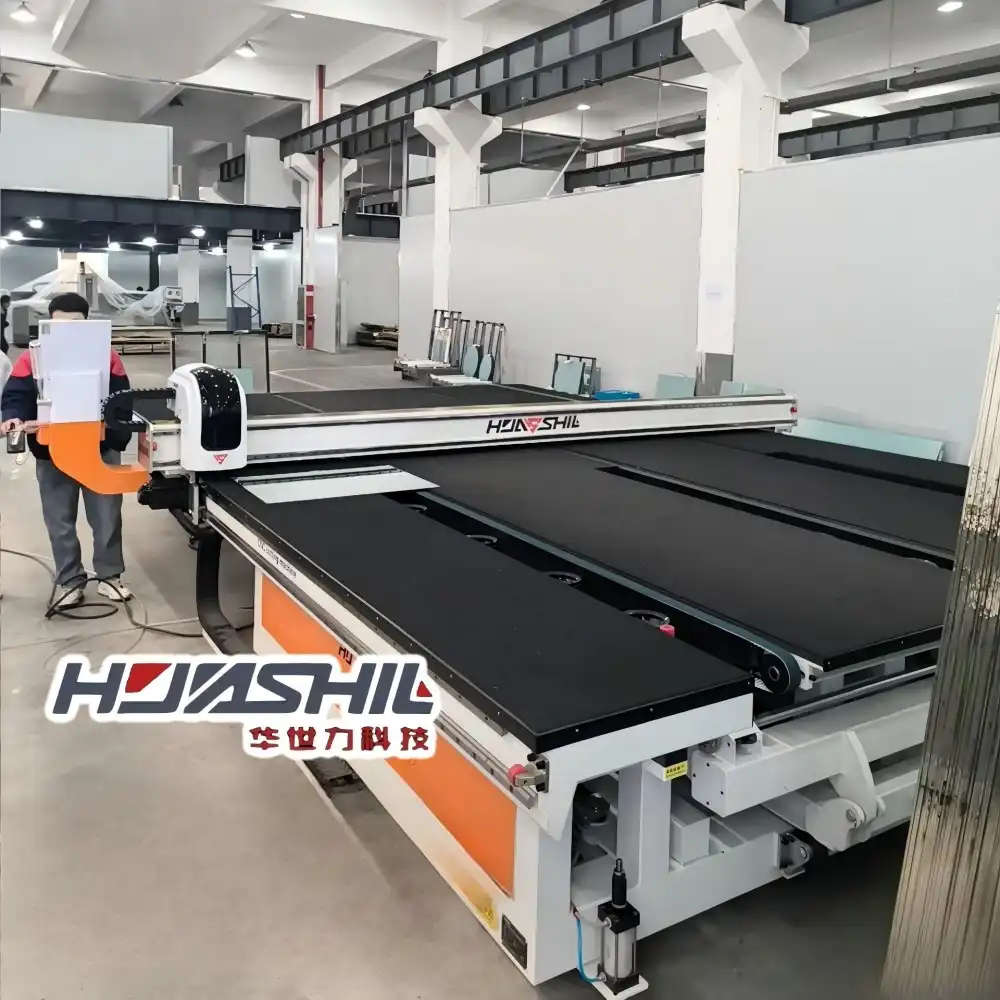
When speed and accuracy are very important, the automatic operation mode works best for large-scale production runs. The automatic filling system cuts down on the amount of work that needs to be done and makes sure that every cut is made precisely. The edge finding and automatic pressure control features work together to make sure that the results are the same over long production runs.
Production managers like how the automatic mode of the 3826 glass cutting machine can keep quality standards high with little help from operators. This lowers the chance of mistakes made by people and lets skilled workers focus on quality control and machine tracking instead of doing the same things over and over again. Because the system works with Optima software, it can run some tasks without lights, which makes the best use of the equipment.
Manual Mode Flexibility for Custom Applications
The manual operation mode gives you the freedom you need to make prototypes and small batches of custom work. This mode lets workers make changes in real time based on the properties of the material or the specific needs of the cutting job. The ability of the remote control to walk in any direction is especially useful in manual mode, where it allows for exact settings for cutting patterns with many parts.
Custom glass makers like how flexible manual mode is when working with new materials or rare types of glass. The user has direct control over the cutting settings, which lets them be optimized for specific tasks that normal automated programs might not be able to handle.
Maintenance and Safety Considerations
Both operating modes have a lot of safety features and upkeep procedures that are meant to make sure they work well for a long time. The synchronous belt moving system and the air floating system both reduce mechanical wear and the amount of upkeep that needs to be done. Cutting precision is kept up by regular testing steps in both manual and automatic modes.
As part of safety rules, both the main control panel and the remote control unit have emergency stop buttons that can be used. The machine is built with the right protection and safety interlocks that stop it from working when safety conditions aren't met. This keeps both the workers and the equipment safe.
Competitive Analysis: Positioning the 3826 Machine in the Market
There are a lot of companies that sell glass cutting tools, and each one offers a different mix of features, efficiency, and value. Procurement workers can make smart investment choices when they know how this machine stacks up against other options.
Performance Comparison with Market Leaders
Some of the biggest rivals in the glass cutting machinery market are well-known European and Asian companies that make machines with different levels of automation and accuracy. You can tell the HSL-YTJ3826 is different because it has a full automation suite and is priced reasonably. There may be rivals with faster cutting speeds, but this machine's focus on accuracy and dependability often makes it more useful in quality-focused situations.
The machine's cutting alignment standard of ≤±0.15mm/m is better than that of high-end competitors and gives you more for your money. Adding the option to remove low-E films gives you a competitive edge in building glass uses, where this feature is becoming more and more popular.
Total Cost of Ownership Considerations
When purchasing managers look at glass-cutting tools, they need to think about more than just the initial buy price. The design of the 3826 glass cutting machine puts a lot of emphasis on dependability and ease of maintenance, which helps keep costs down over time. The synchronous belt moving system is easier to keep up with than some rivals' more complicated roller systems.
Full technical support and extra parts are available through approved dealers, so there is little downtime, and upkeep costs are known ahead of time. The CE and ISO9001 approvals for the machine guarantee that it was built well and meets international standards. This lowers the chance of unexpected problems with how it works.
Customization and Integration Capabilities
Because the machine is made up of separate modules, it can be changed to fit different needs and added to current production lines. This freedom gives them an edge over rivals who only offer standard setups. The Optima software tool can connect to more complex industrial execution systems, which makes it easy to share data and keep an eye on production.
Because OEM and ODM support is available, system designers can add the cutting technology to full glass working lines. This level of customization support is usually higher than what standard equipment makers offer. This makes it possible to create unique solutions that meet specific business needs.
How to Maximize the ROI When Purchasing a 3826 Glass Cutting Machine?
To get the best return on investment, you need to plan strategically, taking into account both short-term working needs and long-term business goals. There are several ways to make a lot of money with this machine because of its powers and configuration choices.
Optimizing Machine Configuration for Specific Applications
The machine's flexibility lets the setup be optimized based on the main needs of the application. Manufacturers of building glass might put more emphasis on the ability to remove low-E films and the ability to handle big sizes. Furniture manufacturers, on the other hand, might put more emphasis on the ability to cut precisely and protect surfaces. Working with skilled technical experts during the design phase makes sure that the setup is perfect for the purposes it was made for.
The Optima software platform has different features and optimization methods that are made for different types of businesses and uses. Picking the right software choices makes the best use of materials and cuts down on waste, which has a direct effect on how profitable a business is. Operators can fully use these advanced features from the first day they start working, thanks to training programs.
Integration with Existing Production Systems
The 3826 glass cutting machine is more useful when it can be easily added to current production processes. The design of the moving system makes it easy to connect to equipment that handles glass upstream and processing stations that handle glass downstream. Planning integration needs during the buying phase keeps installation from being delayed or costing a lot of money.
The machine's control system works with standard communication methods used in glass factories, so it can be connected to systems for quality control and tracking production. This connectivity gives us useful information about output that helps with programs for predictive repair and ongoing growth.
Operator Training and Skill Development
Full training for the user makes sure that the machine's advanced features are used to their fullest potential. Training programs teach both human and automatic ways to operate, so workers can choose the best way to work based on the needs of the production. Knowing the right way to do repairs on equipment makes it last longer and keeps it from breaking down when you least expect it.
Putting money into teaching operators pays off by increasing output, lowering waste, and extending the life of equipment. Well-trained operators can spot possible problems early on and find the best cutting parameters for each material and use case, making the machine's input to total operating efficiency as high as it can be.
Conclusion
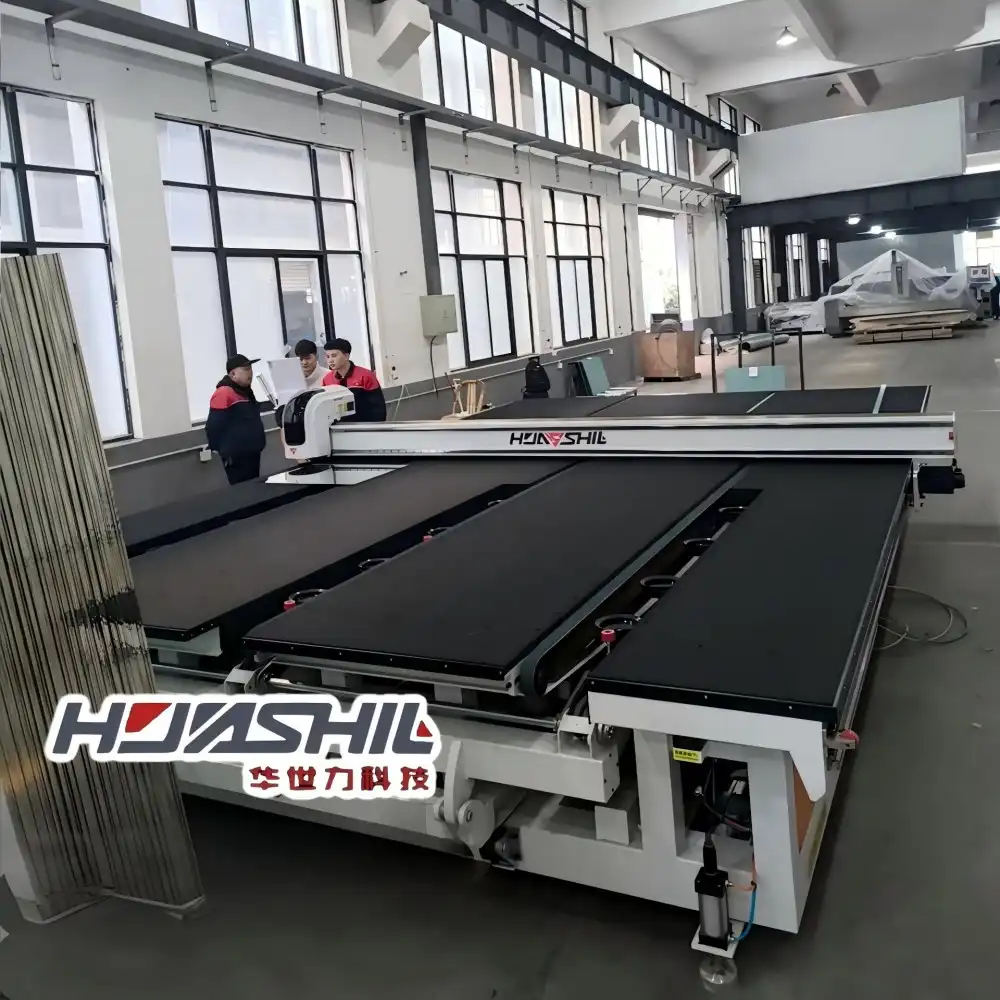
For companies that want to improve their glass processing skills with the help of advanced robotics and precise engineering, the 3826 glass cutting machine is the complete answer. It can be used in a lot of different ways, including architecture, cars, and furniture. It can also be operated manually or automatically, so it can be used in a lot of different production settings. The machine's competitive standing is based on its strong value offering, which includes its reliable performance, full automation features, and many customization options that meet the needs of specific industries.
FAQ
Q1: What glass types can the 3826 glass cutting machine process?
The machine can work with different kinds of glass, like toughened glass, laminated glass, low-E coated glass, and float glass. It can cut glass up to 19 mm thick, which is thick enough for most common glass specs used in furniture, cars, and buildings. The unique ability to remove low-E films makes sure that the edges are ready for energy-efficient glass systems.
Q2: How does the automatic mode compare to manual operation in terms of productivity?
Consistent cycle times and less human involvement make the automatic mode much more productive for cutting patterns that are used over and over and for big production runs. Manual mode gives you more freedom for creative work and making prototypes, but it usually has slower output rates. Most manufacturers use both types, based on the needs of the job and the amount of production.
Q3: What maintenance requirements should be expected with this machine?
As part of regular maintenance, the air float system is cleaned regularly, the cutting settings are adjusted on a regular basis, and moving parts are given regular mechanical maintenance. The synchronous belt system for moving things around needs less upkeep than wheel systems. Full maintenance records and training make sure that operators can do regular maintenance jobs correctly.
Q4: Can the machine be customized for specific production line requirements?
Yes, the machine can be changed in a lot of ways to fit different needs. It can be integrated with other moving systems, comes with special software tools, and can be set up in different ways for different uses. With OEM and ODM support, system integrators can make custom solutions that meet specific business needs while keeping the dependability of standard components.
Contact HUASHIL for Your Glass Cutting Equipment Needs
Whatever your needs are for glass production tools, HUASHIL is ready to help you with all of them. The skilled members of our team know how complicated it is to make glass today and can suggest the best designs for your needs. We have a lot of experience working with building glass makers, auto suppliers, and furniture manufacturers. We can offer solutions that boost productivity and guarantee long-term reliability.
Contact our technical specialists at salescathy@sdhuashil.com to discuss your requirements and explore how the 3826 glass cutting machine manufacturer can enhance your production capabilities. We offer comprehensive support, including technical consultation, installation assistance, operator training, and ongoing maintenance support to ensure optimal performance throughout the equipment lifecycle.
References
1. Glass Manufacturing Industry Council. "Automation Trends in Glass Processing Technology." Industrial Glass Manufacturing Journal, 2023.
2. International Glass Consortium. "Quality Standards and Best Practices for Automated Glass Cutting Systems." Technical Publication Series, 2024.
3. Building Glass Association. "Energy Efficiency Requirements and Low-E Glass Processing Guidelines." Architectural Glass Standards Manual, 2023.
4. Society of Automotive Engineers. "Safety and Quality Standards for Automotive Glass Manufacturing." SAE Technical Paper Series, 2024.
5. Furniture Manufacturing Association. "Glass Component Integration in Modern Furniture Design." Contemporary Furniture Technology Review, 2023.
6. Industrial Equipment Research Institute. "Cost-Benefit Analysis of Automated vs. Manual Glass Processing Systems." Manufacturing Technology Assessment, 2024.