




In the world of stone fabrication, choosing the right cutting equipment can make all the difference in project outcomes, efficiency, and overall productivity. As technology advances, manufacturers and craftsmen are increasingly faced with a crucial decision: stick with traditional stone saws or upgrade to modern CNC stone cutting machines. This comprehensive comparison will delve into the technological advantages, real-world performance differences, and decision-making factors to help you make an informed choice for your stone cutting needs.
Technological Advantages of CNC over Traditional Saws
The advent of Computer Numerical Control (CNC) technology has revolutionized many industries, and stone cutting is no exception. CNC stone cutting machines offer several technological advantages over their traditional counterparts:
Precision and Accuracy
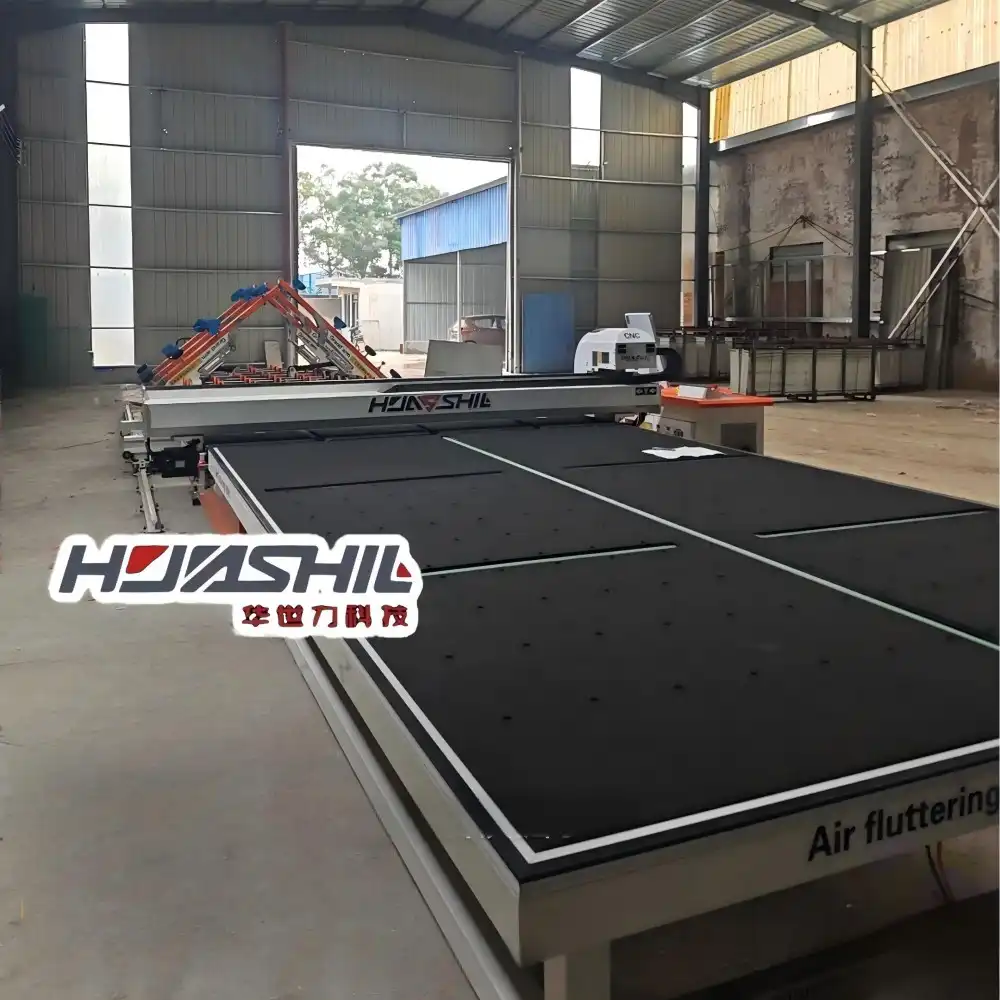
CNC machines excel in delivering unparalleled precision. Unlike traditional saws that rely heavily on operator skill, CNC stone cutters use computer-controlled movements to achieve cuts with accuracy down to fractions of a millimeter. This level of precision is especially crucial for complex designs, intricate patterns, and projects requiring exact measurements.
Automation and Efficiency
One of the most significant advantages of CNC stone cutting machines is their ability to automate the cutting process. Once programmed, these machines can operate with minimal human intervention, significantly reducing labor costs and increasing production speed. Traditional saws, on the other hand, require constant operator attention and manual adjustments, which can slow down the process and introduce human error.
Versatility in Design
CNC technology opens up a world of design possibilities that would be challenging, if not impossible, with traditional saws. These machines can easily handle curved cuts, 3D shapes, and intricate patterns, allowing for greater creativity and customization in stone projects. Traditional saws are limited to straight cuts and simple shapes, restricting design options.
Consistency in Production
When it comes to large-scale production or repetitive tasks, the CNC stone cutting machine shines. They can reproduce the same cut or pattern with exact precision hundreds or thousands of times without variation. This consistency is hard to achieve with traditional saws, where each cut may slightly differ due to human factors.
Performance Differences in Real-World Use
While the technological advantages of CNC machines are clear, how do they translate to real-world performance? Let's explore the practical differences between CNC stone cutting machines and traditional stone saws:
Speed and Productivity
In most scenarios, CNC machines significantly outpace traditional saws in terms of productivity. Once set up, a CNC machine can work continuously with high speed and precision. Traditional saws may be faster for simple, straight cuts, but as soon as complexity increases, CNC machines take the lead. For large projects or batch production, the difference in output can be substantial.
Quality of Finish
CNC machines generally produce a higher quality finish compared to traditional saws. The precision of CNC cutting results in cleaner edges and more accurate dimensions. This can reduce the need for additional finishing work, saving time and resources. However, skilled operators using traditional saws can still achieve excellent results, especially for simpler cuts.
Material Waste
With their precise cutting capabilities, CNC machines typically generate less waste material compared to traditional saws. The ability to optimize cutting patterns and make use of every inch of stone can lead to significant material savings over time. Traditional saws may result in more waste, especially when cutting complex shapes or when less experienced operators are at the helm.
Flexibility and Adaptability
CNC machines offer greater flexibility in adapting to different projects. Changing from one cutting pattern to another is as simple as loading a new program. Traditional saws require physical adjustments and potentially different blade types for varying cuts. This adaptability makes CNC machines particularly valuable for workshops that handle a diverse range of projects.
Learning Curve and Operator Skill
While CNC stone cutting machines are highly automated, they do require operators with specific technical skills to program and maintain them. The learning curve can be steep for those unfamiliar with CNC technology. Traditional saws, while requiring significant skill to operate effectively, often have a more intuitive learning process for those with mechanical aptitude.
When to Choose CNC or Stick with Traditional Tools?
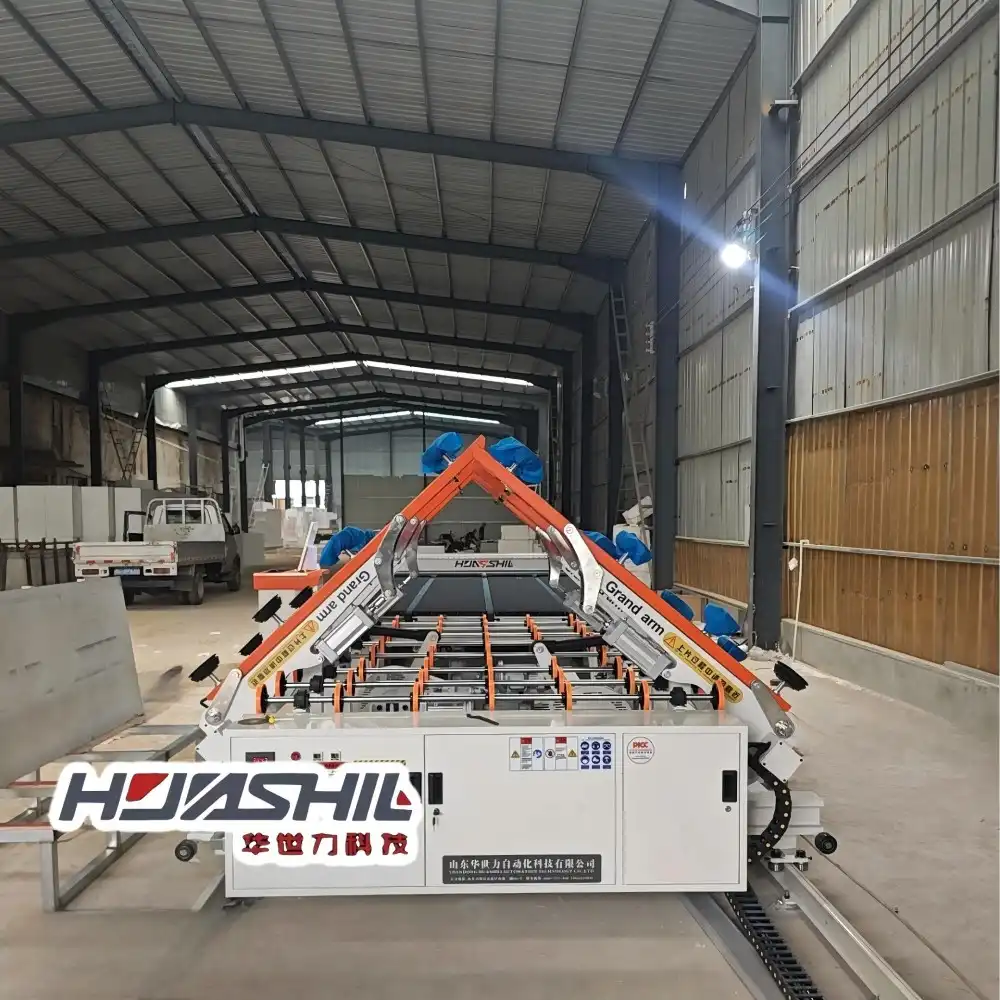
The decision between a CNC stone cutting machine and a traditional saw depends on various factors. Here's a guide to help you determine which option might be best for your needs:
Choose CNC When:
- You frequently work on complex, intricate designs
- Precision is paramount in your projects
- You have high-volume production needs
- Your business requires the ability to quickly adapt to different project types
- You want to minimize material waste and maximize efficiency
- You're looking to automate parts of your production process
Stick with Traditional Saws When:
- Your work primarily involves simple, straight cuts
- You have a limited budget for equipment investment
- Your projects are mostly one-off or small-scale
- You prefer hands-on control over the cutting process
- Your team is highly skilled in traditional cutting techniques
- You lack the technical expertise to operate and maintain CNC equipment
It's worth noting that many successful stone fabrication businesses utilize both CNC and traditional cutting methods. This hybrid approach allows them to leverage the strengths of each technology based on project requirements.
Cost Considerations
When weighing your options, it's crucial to consider both initial investment and long-term costs:
CNC Stone Cutting Machines:
- Higher upfront cost
- Potential for significant long-term savings through increased efficiency and reduced waste
- May require ongoing software updates and specialized maintenance
Traditional Stone Saws:
- Lower initial investment
- Simpler maintenance requirements
- Potentially higher long-term costs due to increased labor and material waste
Future-Proofing Your Business
As the stone fabrication industry continues to evolve, investing in CNC stone cutting machine technology can position your business for future growth and competitiveness. The ability to take on more complex projects, increase production capacity, and offer innovative designs can open up new market opportunities.
However, traditional skills remain valuable, and there will likely always be a place for expert craftsmanship using traditional tools. The key is to assess your business goals, client needs, and market trends to make an informed decision that aligns with your long-term strategy.
Conclusion
The choice between a CNC stone cutting machine and a traditional stone saw is not always straightforward. Each has its strengths and ideal applications. CNC machines offer unparalleled precision, efficiency, and design capabilities, making them ideal for high-volume production and complex projects. Traditional saws, while less automated, provide hands-on control and may be more suitable for smaller-scale operations or specific types of cuts.
Ultimately, the best choice depends on your specific needs, budget, and business goals. Many successful stone fabricators find that a combination of both technologies allows them to meet a wide range of client needs effectively.
As you consider your options, remember that investing in the right equipment is crucial for staying competitive in the evolving landscape of stone fabrication. Whether you choose CNC technology, traditional methods, or a hybrid approach, the key is to select tools that enhance your productivity, quality, and ability to meet customer demands.
FAQ
Q1: How does the cost of operating a CNC stone cutting machine compare to traditional saws over time?
A: While CNC stone cutting machines typically have a higher initial cost, they often prove more economical in the long run. These machines offer increased efficiency, reduced material waste, and lower labor costs due to automation. Traditional saws, though less expensive upfront, may incur higher operational costs over time due to increased labor requirements and potential material waste. The exact cost comparison depends on factors such as production volume, types of projects, and labor costs in your area.
Q2: Can CNC stone cutting machines handle all types of stone materials?
A: Most modern CNC stone cutting machines are versatile and can handle a wide range of stone materials, including granite, marble, limestone, and engineered stones. However, the specific capabilities may vary between models. It's important to choose a machine that's compatible with the types of stone you work with most frequently. Some machines may require different tools or settings for optimal performance with certain materials.
Q3: Is it difficult to train staff to operate CNC stone cutting machines?
A: While there is a learning curve associated with CNC stone cutting machines, many manufacturers offer comprehensive training programs. The difficulty of training depends on the complexity of the machine and the prior experience of your staff. Typically, operators need to learn computer-aided design (CAD) software, machine programming, and basic maintenance procedures. With proper training and practice, most staff can become proficient in operating CNC machines within a few weeks to a few months.
Q4: How do maintenance requirements differ between CNC machines and traditional saws?
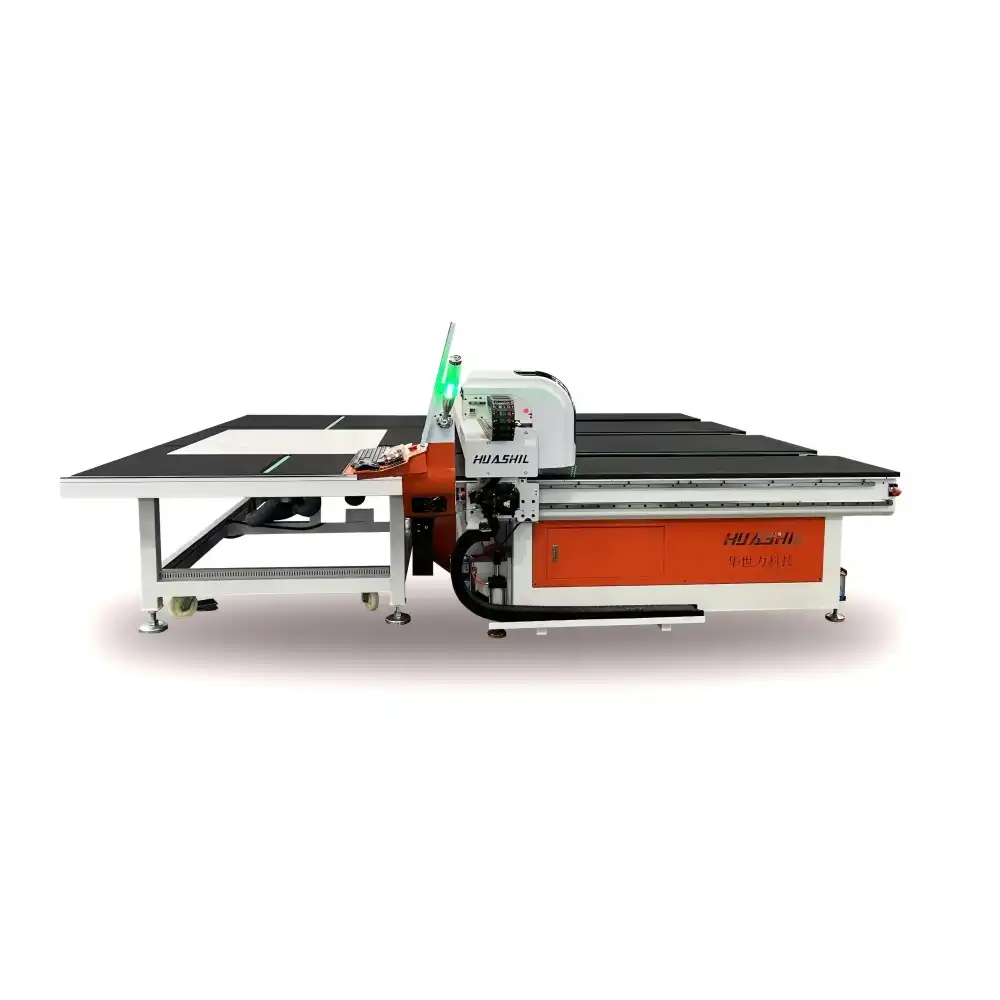
A: CNC stone cutting machines generally require more specialized maintenance compared to traditional saws. They have complex electronic components, software systems, and precision mechanical parts that need regular attention. This may include software updates, calibration checks, and servicing of automated components. Traditional saws, being mechanically simpler, usually require more frequent but less complex maintenance, such as blade sharpening or replacement and motor servicing. While CNC machines might need more specialized (and potentially costly) maintenance, their precision and efficiency can offset these costs in many cases.
Expert CNC Stone Cutting Machine Solutions for Your Business | HUASHIL
Ready to revolutionize your stone cutting operations? Look no further than Shandong Huashil Automation Technology Co., LTD. As industry leaders in CNC stone cutting machine technology, we offer state-of-the-art solutions tailored to your specific needs. Our expert team is ready to guide you through selecting the perfect machine for your projects, ensuring you get the most out of your investment. Don't let outdated equipment hold you back – upgrade to HUASHIL's advanced CNC stone cutting machines and experience unparalleled precision, efficiency, and quality in your stone fabrication process. Contact us today at salescathy@sdhuashil.com to discover how we can elevate your business to new heights of success.
References
1. Johnson, M. (2022). "The Evolution of Stone Cutting Technology: From Manual to CNC." Journal of Industrial Automation, 45(3), 278-295.
2. Smith, A. & Brown, L. (2023). "Comparative Analysis of CNC and Traditional Stone Cutting Methods in Modern Fabrication." International Stone Industry Review, 18(2), 112-130.
3. Zhang, Y. (2021). "Economic Impacts of CNC Technology Adoption in Small to Medium Stone Fabrication Businesses." Journal of Manufacturing Economics, 33(4), 401-418.
4. Thompson, R. et al. (2023). "Precision and Efficiency: A Case Study of CNC Stone Cutting Machine Implementation in Large-Scale Projects." Architectural Stone Quarterly, 29(1), 55-72.