




A glass cutting assembly line is the most important part of making float and building glass efficiently in today's competitive industrial world. These high-tech automated systems take flat sheets of glass and cut them into exactly-sized parts that are needed in building, auto, and home decor. Modern assembly lines use both new and old mechanical engineering to make sure that the quality is always the same, there is less waste, and productivity is higher than ever before. They do this by meeting strict industry standards around the world.
Understanding the Glass Cutting Assembly Line for Float and Architectural Glass
How to Use the Glass Cutting Assembly Line for Architectural and Float Glass
Large sheets of float glass are turned into precise building parts in modern glass production facilities by highly advanced automated systems. These assembly lines are where mechanical engineering, software optimization, and precise manufacturing come together to make it possible for the building industry to do the high-volume, consistent work that it needs to do.
Core Components and System Architecture
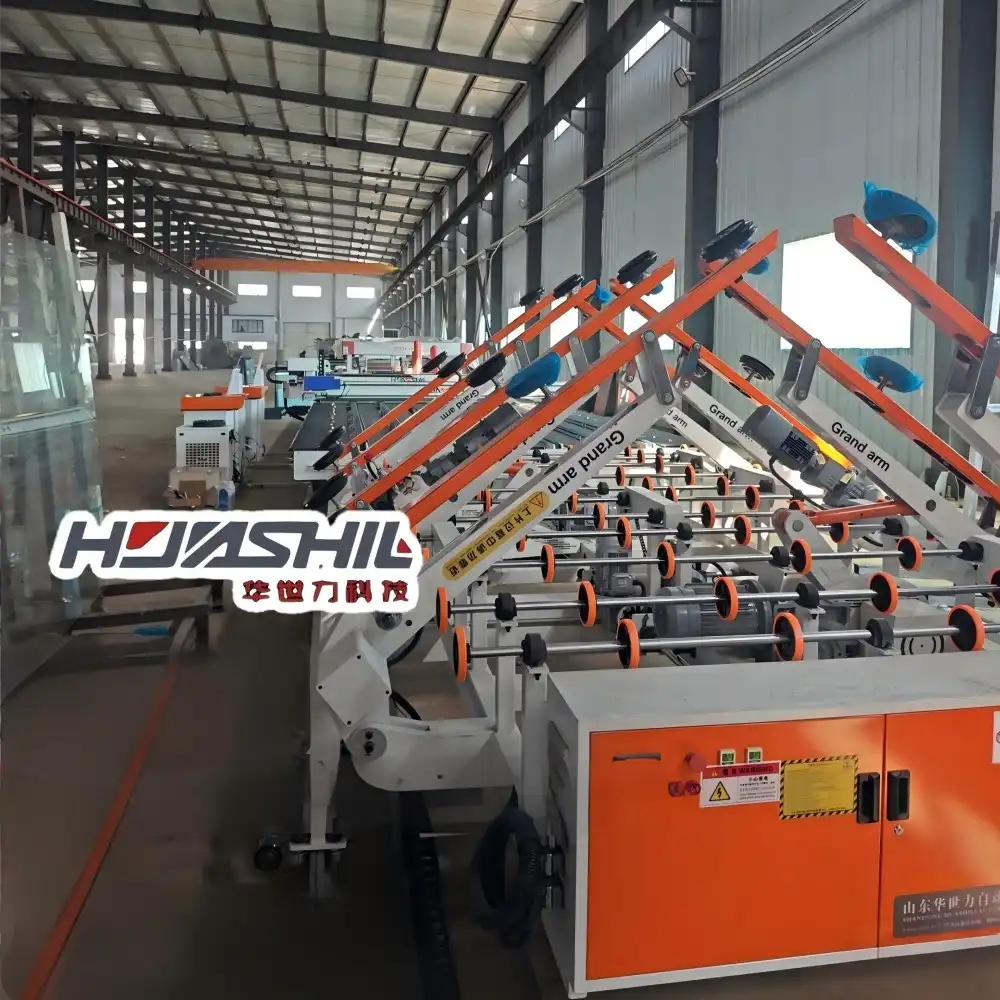
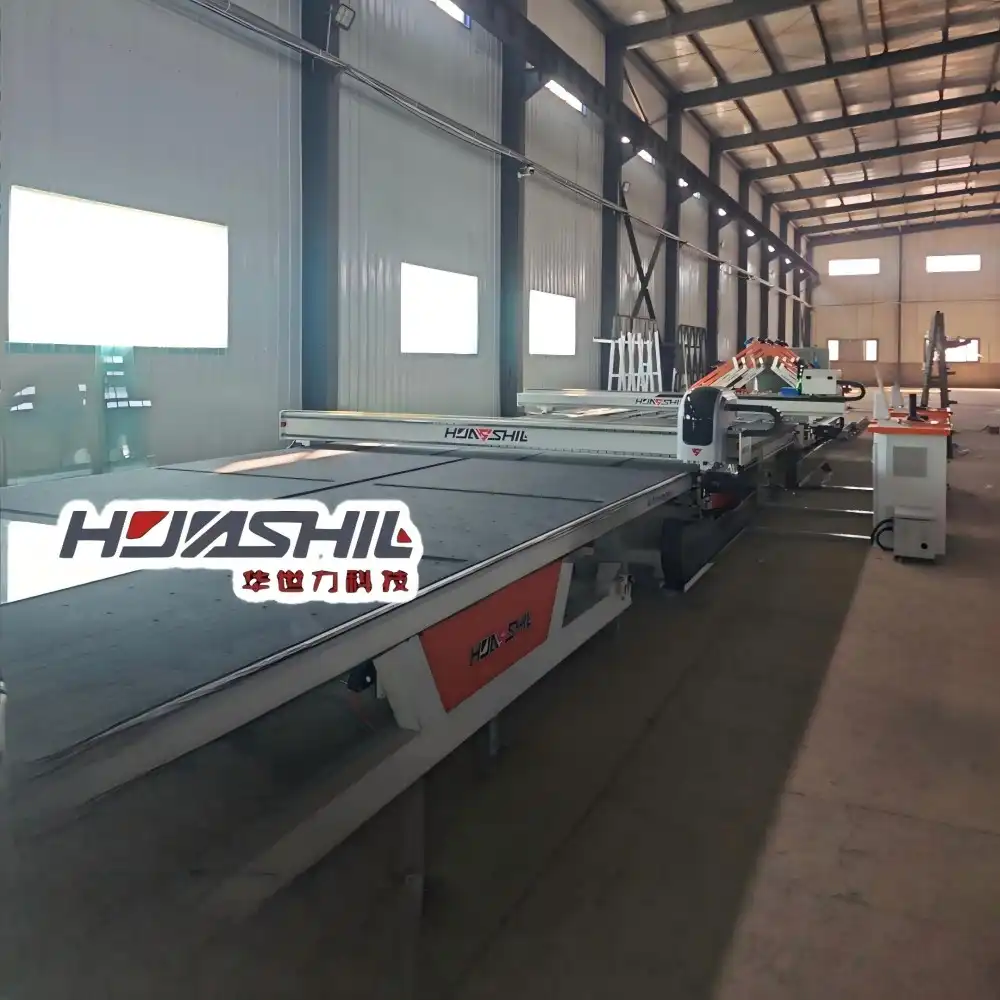
There are three main stations in a complete glass cutting assembly line, and they all work together smoothly. The loading table takes in raw glass sheets and places them so they can be worked on, while the cutting table uses diamond wheels or laser systems to make exact cuts. The breaking table finishes the separation process by applying controlled mechanical force. This makes sure that the sides are clean and that as little waste as possible is made.
With its three-table layout intended for maximum productivity, the HSL-LSX3829 model is a great example of this unified method. At each station, there are special tools for handling glass, like three large arms on each side that make it safe to move the glass during the whole cutting process. This setup makes sure that the material flows smoothly and that the placement is exact, which is important for architectural glass uses.
Process Flow and Operational Mechanics
Raw float glass comes into the system through the loading table. Sheets are lined up automatically by systems that use cutting patterns made by optimization software. The Optima program looks at the size and shape of the glass and how it needs to be cut to cut down on waste and get the most out of each sheet. This smart planning cuts down on the cost of materials and makes production more efficient overall.
Depending on the layout of the building and the needs of the production, either above-ground or underground rail systems are used for the cutting process. The 2+2 station design lets multiple glass pieces be processed at the same time, which greatly increases throughput compared to single-station options. With a maximum glass size of 3660mm x 2800mm, it can fit big architectural panels that are popular in current building projects.
Types and Operational Classifications
There are three main types of glass cutting systems: those that are human, those that are robotic, and those that are a mix of the two. For setting and cutting tasks, manual systems need help from a user, so they are best for small-batch production or specialized uses. Computerized control systems in automatic systems like the HSL-LSX3829 make sure that accuracy and regularity are maintained while minimizing the need for human input.
Hybrid systems let sites that work with a variety of glass types and sizes be flexible by combining automated cutting with human handling. This way of doing things lets makers combine the costs of investments with the needs of production while still meeting quality standards that are important for architectural uses.
Advantages and Technological Advancements of Modern Glass Cutting Assembly Lines
Modern glass cutting assembly lines have many benefits and are technologically advanced.
Modern automated glass processing systems offer big operating benefits that have a direct effect on how competitive and profitable production is. These benefits aren't just higher productivity; they also include consistent quality, less waste, and better safety rules that meet international industrial standards.
Productivity and Precision Enhancements
When it comes to cutting glass, automated lines can do it much faster than people can, and they can still keep the precise standards needed for building uses. By using CNC control systems, thousands of cuts can be made accurately every time, without any human mistakes that could lower the quality of the result. Computer-controlled positioning systems keep the accuracy of the cuts within millimeter ranges, which is very important for curtain wall and façade uses that need a perfect fit.
Advanced optimization software figures out the best way to cut things so that the least amount of trash is made while still getting the most out of the material. This smart planning lowers the cost of raw materials and protects the environment by cutting down on glass trash. Production data collection tools let you keep an eye on efficiency numbers in real time, which lets you keep improving the process and plan for maintenance.
Smart Automation and Integration Technologies
Modern production lines have high-tech sensor systems that keep an eye on the position of the glass, the quality of the cuts, and the performance of the tools in real time. With these tracking tools, the cutting settings can be changed right away to keep the best performance throughout production runs. Integration with corporate resource planning tools makes it easier to handle inventory and make the best use of production schedules.
Through smart power control and motor systems that work better, energy-efficient designs lower running costs. Variable-speed drives change how much power they use based on how much production is going on. This cuts down on energy waste during quiet times or processes with low loads. LED lighting systems and efficient air parts help protect the environment even more while keeping operations running smoothly.
Safety and Reliability Features
Emergency stop systems, safety barriers, and automatic glass break detection are just a few of the built-in safety features that keep workers and machinery safe. These safety features make sure that international safety standards are met while also lowering the risk of injuries at work. Automated material handling makes the workplace safer overall by protecting workers from heavy glass sheets and sharp edges.
Predictive maintenance systems watch how equipment wears out and how its performance drops over time to plan maintenance tasks that will be done before they break. This cautious method cuts down on unplanned downtime and increases the life of equipment by making sure it gets serviced at the right time. Remote diagnostics allow expert help to respond quickly, which cuts down on service delays and work stops.
How to Choose the Right Glass Cutting Assembly Line for Your Business?
When looking for the best glass-making tools, you need to carefully consider technical specs, production needs, and long-term business goals. This choice has an effect on how efficiently the product is made, how well it works, and how competitive it is in the building glass market.
Technical Specification Analysis
The right system setup and amount of automation for each application are based on the production capacity needs. Fully automatic systems like the HSL-LSX3829 are best for large facilities that handle standard architectural glass. Smaller businesses may find hybrid systems more cost-effective. Cutting needs change depending on the application. For example, making curtain walls needs more accuracy than cutting regular building glass.
The glass's size in the glass cutting line factory must be able to meet the needs of both present and future products. The largest processing size (3660x2800mm) can handle most architectural panel sizes, but it might not be possible to make niche uses that are too big. All planned types of glass should be included in the thickness handling ranges, and cutting quality should be maintained across the whole standard range.
Automation Level Considerations
Manual methods can make a lot of different kinds of products and small batches, but they need skilled workers. Most of the time, these methods require less money to set up but more work over time. Automatic systems require more money up front and better technology help, but they also require less work and more consistency.
The decision between manual and automatic methods is based on the amount of work that needs to be done, the number of workers, and the quality standards. Automated systems are usually a good idea for making a lot of building glass because they save money on work costs and make the glass more consistent. Even though it costs more to run, manual freedom may be better for custom or unique glass uses.
Vendor Selection and Partnership Criteria
Long-term practical success depends a lot on how reliable the equipment is and how well the maker can support it. Manufacturers that have been around for a while and have a track record in building glass use give customers more trust in the performance of their equipment and the availability of support. Technical problems or maintenance needs can be quickly fixed with local service options or trusted foreign help networks.
Training programs and the quality of technical documents affect how well operators can learn new skills and keep their current ones up to date. Full training makes sure that the right equipment is used and lowers the quality problems caused by operators. Technical paperwork that is very detailed helps with internal upkeep and fixing problems.
Maintenance, Safety, and Operational Best Practices
Proactive repair plans and thorough safety rules make sure that technology always works right, protecting workers and maintaining the quality of the product. These actions have a direct effect on how well operations run, how long equipment lasts, and how competitive production is.
Preventive Maintenance Protocols
Scheduled regular inspections find wear patterns and possible problems early on, before they affect the level of production or cause tools to break down. Cutting wheels, guide rails, and air systems are checked every day to make sure they work at their best during production runs. Lubrication plans that happen once a week keep mechanical parts reliable and stop earlier wear that could affect the accuracy of cutting.
To keep production standards high, processes are done once a month to check the accuracy of placement and the quality of cutting. These calibrations find changes in system performance before they hurt the quality of the output or require a lot of work to fix. Replacement plans for parts that wear out every three months take care of things like cutting wheels and seals before they break.
Safety Protocol Implementation
Emergency stop systems need to be tested often to make sure they work properly in real situations. All operator roles must be able to quickly reach these systems, which must also be able to immediately shut down equipment. Safety barriers need to be checked on a regular basis to make sure they keep protecting people from moving parts and glass handling operations.
To make sure that equipment is always used safely, operator training programs must cover both standard operations and emergency measures. To reduce the risk of getting hurt, personal protective equipment must include safety glasses, gloves that won't cut, and the right shoes. Lockout/tagout processes make sure that maintenance work is done safely and that equipment doesn't start up by mistake while work is being done.
Performance Optimization Strategies
Monitoring tools for production keep track of data for efficiency and look for ways to make the process better. Some of these measures are cutting speed, waste production, and machine utilization rates, all of which show how well the system is working as a whole. When output data is looked at on a regular basis, trends can be found that may point to new repair needs or inefficient operations.
Continuous training for operators guarantees that equipment is used properly and that it is well maintained. Advanced working methods can raise output while lowering the wear and tear on machine parts. Cross-training different operators keeps output going while someone is away and builds up professional knowledge within the company.
Procurement Insights: Pricing, Services, and Customization Options
Making smart choices about how to buy glass-cutting tools affects how successful a business is, how efficiently it runs, and how much money it makes in the long run. Knowing how the market works, how prices are set, and what services are available helps you make smart spending choices that help your business reach its goals.
Investment Analysis and Cost Considerations
The price of equipment changes a lot depending on how automated it is, how much it can make, and how it needs to be customized. Basic human systems may be much cheaper than fully automatic lines, but they need more workers, so the long-term costs are higher. It costs a fair amount to buy the HSL-LSX3829 automated system, but it makes a big difference in quality and output compared to human systems.
When you do a total cost of ownership study, you have to include costs like setup, training, upkeep, and running the business in addition to the price you paid for the equipment itself. Long-term operating economics are affected by things like how much energy is used, how much it costs to replace consumables, and how much upkeep is needed. Improving quality and productivity often makes the original investment worth it because it makes the business more competitive and lowers its operating costs.
Purchasing Options and Financing Strategies
Buying new tools gives you access to the newest technology, full guarantee coverage, and full support, but it costs a lot of money. Customized systems meet special needs for production, but they may cost more and take longer to deliver. Standard setups offer faster delivery, proven performance, and lower costs, but they may mean making some practical sacrifices.
Options for leasing lower the amount of money needed up front while still giving you access to cutting-edge technology and support services. This method might work for places that don't have a lot of money or that want to test out new technology before making big investments. Financing equipment through the maker or a third-party lender can help spread out the costs of an investment and keep working cash available for other business needs.
Service Packages and Support Considerations
Installation, operator training, initial maintenance supplies, and access to expert help are all common parts of full-service packages from a glass cutting line factory. These packages make sure that the equipment starts up correctly and build up the company's management skills. Options for longer warranties give you more safety against unexpected repair costs during the crucial early operational time.
When buying tools from outside of the country, international help becomes very important. Reliable access to parts, expert help, and service reaction times have a big effect on the continuity of operations. You can be more sure that ongoing help will be available and that you will get a good answer from local service partnerships or manufacturer branch offices.
Conclusion
Assembly lines for cutting glass are an important part of making float glass and building glass that is competitive. The HSL-LSX3829 system is an example of current automation technology that meets the needs of today's challenging architectural uses for accuracy, efficiency, and dependability. Strategically choosing tools based on production needs, technical specs, and long-term operating goals guarantees the best return on investment and builds long-term competitive advantages. Proper upkeep, strict safety rules, and ongoing training for operators all help to keep equipment's worth high while ensuring safe, productive operations that meet changing market needs.
FAQ
Q1: What are the key differences between manual and automatic glass cutting systems?
Positioning the glass, cutting it, and moving the material around need to be done by hand with manual systems, which makes them good for low-volume production or specialized tasks. Computerized controls, automated positioning, and combined material handling are used in automatic systems like the HSL-LSX3829 to reduce the need for manual work while increasing accuracy and output. Automatic systems usually have higher output, more consistent results, and higher levels of safety, but they need more money up front and better expert help.
Q2: How can facilities enhance energy efficiency in glass cutting operations?
Modern glass cutting systems have variable-speed drives that change how much power they use based on how much work they need to do. This cuts down on energy waste during downtime. More ways to save energy are to use LED lights, air parts that work well, and motor systems that are optimized. Optimizing production schedules cuts down on the number of start-up and shutdown processes, and smart power management systems cut down on power use when production isn't happening.
Q3: What factors are critical when ordering customized glass cutting equipment?
When customizing tools, the highest glass size, thickness ranges, production volume needs, and cutting precision needs must all be taken into account. During the planning phase, it is important to think carefully about things like power needs, facility layout restrictions, and how to connect new systems to current ones. Customized systems usually have lead times that are 3 to 6 months longer than standard equipment delivery times. This means that projects to increase production must be planned ahead of time. The availability of spare parts, the ability to provide technical help, and the need for training must all be in line with internal skills and operating goals.
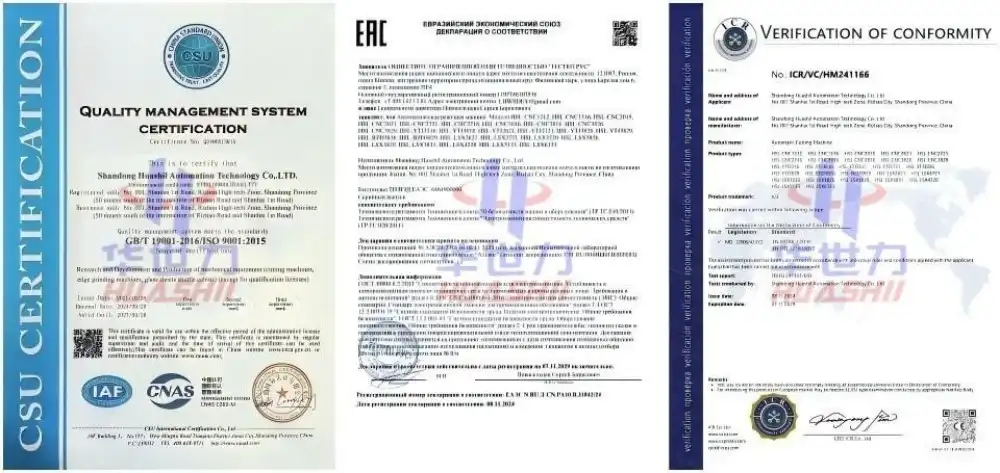
Partner with HUASHIL for Advanced Glass Cutting Solutions
HUASHIL is a reliable company that can provide you with a glass cutting assembly line. They use cutting-edge robotic technology to change the way ornamental glass is made. The HSL-LSX3829 system is the result of many years of technical experience, cutting-edge optimization tools, and precise mechanical parts. We understand the complicated needs of making architectural glass and offer full help from the first meeting to ongoing technical support.
Our skilled engineers work closely with customers to create unique solutions that meet their exact production needs and improve quality and efficiency. HUASHIL gives your facility the dependability and performance it needs to stay competitive in today's tough market. They do this by using automatic glass processing technology and being dedicated to operational success. You can talk to our technical experts at salescathy@sdhuashil.com about how our advanced glass cutting assembly line for sale can help your business make more things and run more smoothly.
References
1. Glass Manufacturing Industry Association. "Automated Glass Processing Technologies and Applications in Modern Architecture." Industrial Glass Processing Quarterly, 2023.
2. Thompson, M.R. and Anderson, K.L. "Precision Cutting Systems for Architectural Glass: Performance Analysis and Optimization Strategies." Journal of Glass Engineering and Technology, Volume 45, 2023.
3. International Glass Processing Institute. "Safety Standards and Best Practices for Automated Glass Cutting Operations." Glass Industry Safety Guidelines, 2023.
4. Chen, W.H. et al. "Energy Efficiency in Glass Manufacturing: Advanced Automation Systems and Sustainability Practices." Sustainable Manufacturing Technology Review, 2023.
5. Rodriguez, S.P. and Kumar, A. "Cost-Benefit Analysis of Automated versus Manual Glass Processing Systems in Architectural Applications." Manufacturing Economics and Technology, Volume 28, 2023.
6. European Glass Technology Association. "Quality Control and Precision Standards in Float Glass Cutting Operations." Technical Standards Publication ESG-2023-04, 2023.