




Glass double edger machines with polishing functions are a huge step forward in the technology used to work with glass because they combine precise edging and polishing into a single automated system. The way manufacturers finish glass has changed a lot because of these high-tech tools. They produce better surfaces and faster production processes. Modern glass double edger machines use advanced servo motor controls and multiple wheel setups to make sure they always produce high-quality results in a wide range of industrial settings. When polishing functions are combined, they get rid of the need for different finishing steps. This cuts down on production time and labor costs while improving the quality of the final product.
Understanding Glass Double Edger Machines with Polishing Function
Operational Principles and Technology
Modern tools for glass edging use complex mechanical principles to grind and polish with great accuracy at the same time. The advanced glass double edger machine has 8 grinding wheels carefully placed on one side, which gives it a unique look. These wheels can be set up to make 4 flat grinding wheels, 2 upper chamfers, and 2 lower chamfers. This all-around wheel setup makes sure that the edges are processed completely while keeping the pressure even across the glass surface.
The automatic opening and closing mechanisms and the moving system are both controlled by servo motor technology, which makes it possible to precisely control and repeat movements. The opening and closing range of the machine is between 0.35 meters and 2.5 meters, so it can work with different sizes of glass and meet different output needs. This gives makers the freedom to work with different sizes of glass without lowering the quality or speed of the process.
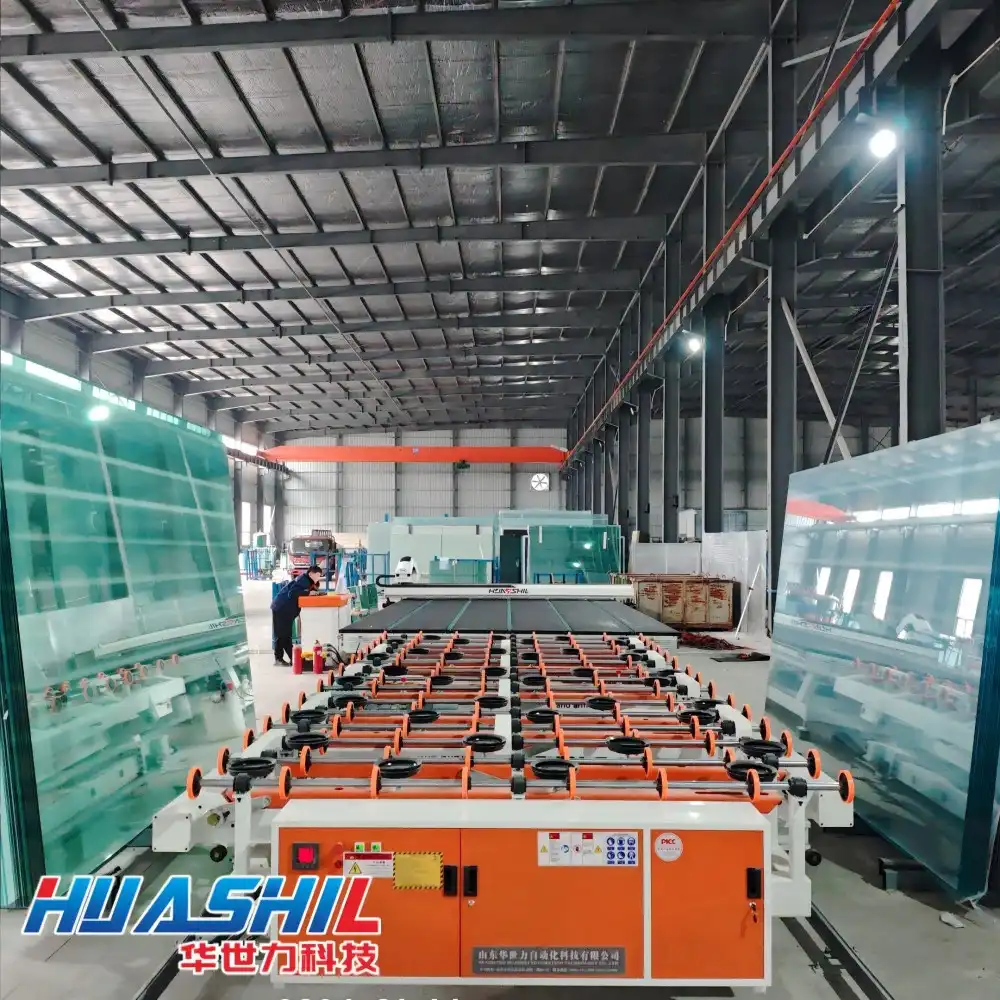
Machine Types and Configuration Options
When you look at how fast they can be made and how well they finish, you can tell the difference between single and double edging methods. Double-sided glass processing machines work on both edges of glass panels at the same time, which cuts processing time by about half compared to standard single-edge systems. Using special polishing wheels that move after the grinding sequence, the polishing function works with the cutting process without any problems.
Automatic configurations are great for high-volume production settings because they are more consistent and don't require as much help from an operator. Programmable logic controllers and touchscreen interfaces are built into these systems so that workers can quickly change settings while still meeting output standards. Manufacturers can choose configurations that meet their unique production needs and quality standards because these machines are flexible.
Industry Applications and Material Compatibility
For advanced glass double edger machine edging tools, architectural glass processing is one of the biggest markets. This includes curtain wall systems, window fabrication, and structural glazing. Making glass for cars needs to be very precise and consistent, so tools need to be able to keep their tight tolerances over long production runs. Modern double-edging methods are very flexible and can handle a wide range of shapes and edge needs when making smart mirror glass.
Different edge shapes and finishes are needed for furniture and decorative glass, which is why the polishing function is so useful for getting results that look good. The tools can easily work with different kinds of glass, like tempered glass, laminated panels, and special architectural glazing materials.
Benefits and Best Practices for Enhanced Glass Finish
Quality and Efficiency Advantages
Adding polishing features to glass edge systems makes a huge difference in the quality of the surface and the speed of production. Better surface smoothness lowers stress concentrations along the sides of the glass, which helps the structure stay together better and lowers the number of breaks that happen during handling and installation. The process of edging and polishing at the same time gets rid of the need for extra handling steps. This lowers the risk of damage and contamination while increasing the total production rate.
Less wasteful use of materials and shorter processing times are clear signs of better operating efficiency. The precise control systems make sure that the edge shape and surface finish are always the same, which is not possible when polishing by hand. Because of lower rates of rework and higher yield percentages, these changes directly save money.
Workflow Integration Strategies
For advanced glass processing tools to be put to good use, workflow integration and production line optimization must be carefully thought through. Upstream and downstream processing equipment can work with the servo-controlled conveyor system without any problems, making the flow of materials smooth throughout the factory. Operators can quickly switch between different glass specifications without having to go through a lot of setup steps, thanks to automated parameter change.
Automated processing on a glass double edger machine gives consistent results that help quality control routines. This lets manufacturers use statistical process control methods to find trends and stop quality problems before they affect production. Because operators don't have to be as involved, skilled workers can focus on quality control and making the most of the equipment instead of doing routine jobs.
Safety and Compliance Considerations
In modern glass processing settings, safety rules and legal requirements must be followed to the letter. Modern edging equipment has advanced safety features like emergency stop mechanisms, safety interlocks, and protection barriers that keep the operator away from moving parts. Because these systems are automated, workers don't have to touch the glass edges or handle chemicals as much, which makes the workplace safer.
Regular safety training and repair schedules for equipment make sure that safety rules are always followed at work, and they also make sure that equipment works well and lasts as long as possible. When safety measures are followed correctly, they protect both people and equipment investments and keep production quality high.
Maintenance and Troubleshooting for Optimal Performance
Preventive Maintenance Protocols
Systematic maintenance programs are necessary to keep equipment running at its best and extend its useful life in harsh work settings. As part of daily maintenance, the state of the grinding wheels is checked, the coolant levels are checked, and the alignment of the conveying system is checked. These regular checks help find problems before they affect the quality of the work or the dependability of the tools.
As part of the weekly maintenance, the performance of the servo motors is carefully checked, and the alignment and cleanliness of all important parts are thoroughly cleaned. To make sure that the grinding wheel setup always has the same edge quality and wear patterns, it needs to be checked regularly. Lubrication systems need to be checked on a regular basis to keep them running smoothly and stop moving parts from wearing out too quickly.
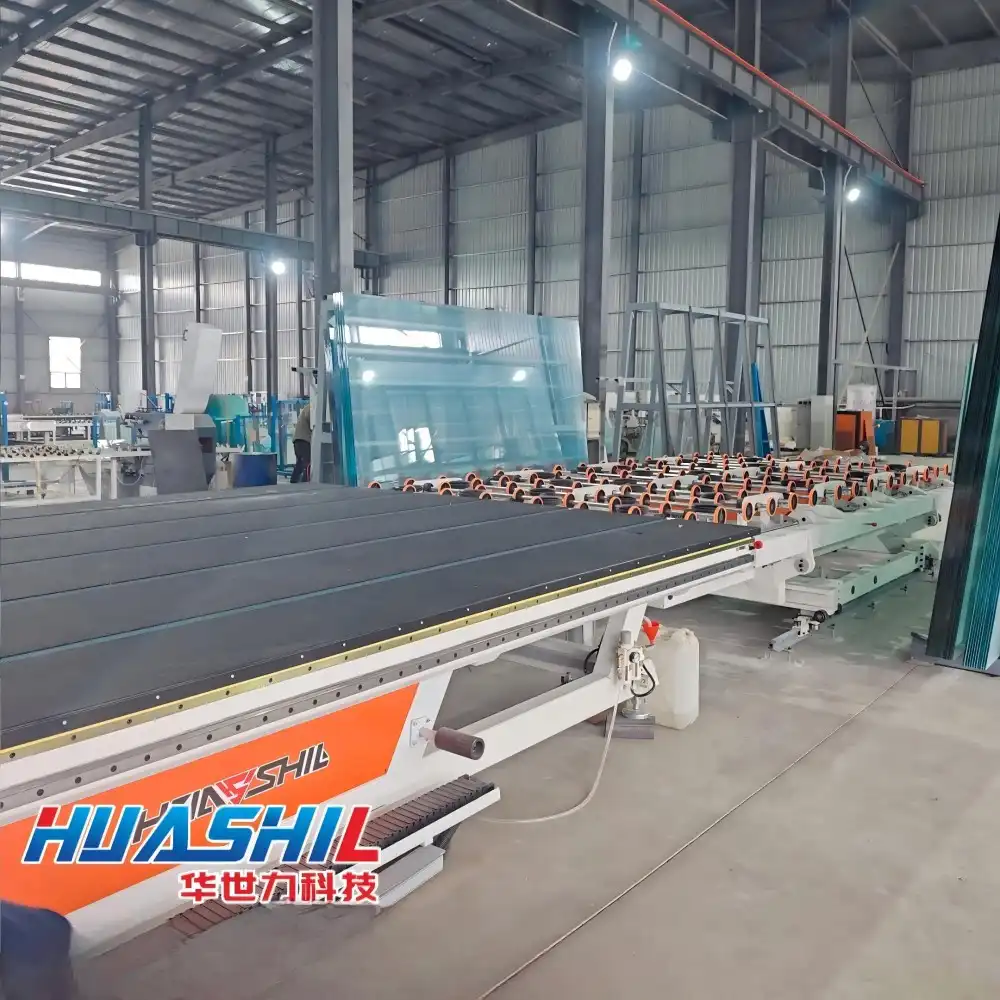
A glass double edger machine needs to have its electrical connections checked, worn-out parts replaced, and the whole system calibrated once a month as part of its maintenance plan. Due to the complexity of modern glass processing equipment, repair activities and performance metrics need to be carefully recorded in order to find the best service intervals and predict when parts will need to be replaced.
Common Issues and Solutions
Problems with production often come from edges that aren't always sharp, which can be caused by old grinding wheels or wrong parameter settings. Systematic ways of fixing problems involve checking the condition of the wheels, making sure the processing settings are correct, and checking the consistency of the glass material. It is possible to diagnose problems with servo-controlled systems, which helps techs find specific problems and fix them.
Issues with the conveying system can slow down output and change the consistency of the edge quality. Checking the guide rails, drive mechanisms, and positioning monitors regularly helps keep them in alignment, which is important for keeping the processing accurate. To keep the glass in the right place and get consistent processing results, the automated opening and shutting mechanisms need to be calibrated regularly.
Problems with controlling temperature often show up as changes in the quality of the surface or a loss of performance from the grinding wheel. Maintaining the coolant system and keeping an eye on the temperature can help stop problems with heat that can affect the quality of the glass and the performance of the equipment. When working with toughened or heat-treated glass, the cooling system must work right.
How to Choose the Right Glass Double Edger Machine for Your Business?
Technical Specifications and Performance Criteria
To choose the right glass manufacturing equipment, you need to carefully look at its technical specs and performance levels in relation to your production needs. Processing speed needs to balance the need for output with the need for quality. This is because too fast of feed rates can hurt the quality of the edges and make the tools wear out faster. The 8-wheel design makes it possible to process most materials very well, and the servo motor control systems make sure that the machine always works well, even when production conditions change.
Glass thickness ranges and material types have a big impact on how equipment is chosen. Different sizes of glass can fit through the variable opening and closing range of 0.35 to 2.5 meters, but some production needs may require more customization choices. Often, the specs for edge quality tell you what kind of polishing wheel to use and what processing parameters to use in order to get the surface finish you want.
Concerns about energy efficiency become more important as production rates rise and energy costs keep going up. Compared to older hydraulic or pneumatic systems, modern servo motor systems use a lot less energy. Also, programmable controls make the best use of power in all working modes.
Economic and Operational Factors
To figure out the total cost of ownership for a glass double edger machine, you have to add up the initial equipment costs, the costs of installation and training, and the ongoing operational costs, such as the cost of consumables, upkeep, and energy use. Modern glass processing equipment can be changed to fit specific needs, so manufacturers can choose configurations that get the best value for their uses while avoiding features that aren't needed and add cost without benefit.
When planning production capacity, it's important to have a clear idea of how long it takes to process different types of glass, including the time it takes to set up and switch between them. Modern automatic equipment takes less time to set up than manual systems, but planning is still needed to get the most out of the equipment and get the best return on investment.
Critical factors in choosing equipment are the ability to provide after-sales help and the availability of spare parts. Reliable technical help and quick delivery of parts keep production running smoothly and ensure consistent quality. Modern glass processing equipment is very complicated, so it's important to have a lot of support services for it to work well in the long run.
Vendor Evaluation and Selection Criteria
The reputation of the manufacturer and their experience designing and making glass processing tools are good ways to tell about the quality of the product and their ability to help customers. Certifications from the industry and following safety and performance standards show a dedication to quality and following the rules. Case studies and references from past customers are great ways to learn about how performance and help work in the real world.
Customization lets makers make sure that the configurations of their equipment are best for each application and production need. For manufacturers with specific processing needs, being able to change control systems, change mechanical configurations, and connect to current production equipment is very useful.
Training and support services have a big effect on how well equipment is set up and how well it works in the long term. Comprehensive training programs make sure that operators know how to do their jobs right and what maintenance is needed. Quick technical help keeps production running smoothly when problems do happen.
Conclusion
Glass double edger machines that can also polish are must-haves for companies that want to improve the quality of their products and run their businesses more efficiently. The advanced servo motor controls, 8-wheel grinding configuration, and built-in polishing features make sure that the results are always reliable and meet high-quality standards in a wide range of situations. Because modern equipment can be changed to fit specific needs, producers can find the best configurations while still being able to adapt to changes in production in the future. In today's tough glass-making markets, choosing, installing, and taking care of equipment correctly is the only way to make sure it lasts and gives you a competitive edge.
FAQ
Q1: What factors influence polishing quality on glass edging machines?
Polishing quality depends on several critical factors, including grinding wheel condition, processing speed, coolant flow rate, and glass material properties. The 8-wheel configuration in modern systems ensures consistent contact pressure and uniform surface finish. Proper wheel selection and maintenance significantly impact final surface quality, while servo motor control systems provide precise speed regulation that optimizes polishing results.
Q2: What are typical lead times for glass double edger machine delivery?
Standard machine configurations typically require 6-8 weeks for manufacturing and testing, while customized systems may require 10-12 weeks, depending on specification complexity. Production scheduling and component availability can affect delivery timeframes, making early order placement advisable for time-sensitive projects. Our manufacturing team provides regular updates throughout the production process to ensure customers can plan their installation and training schedules accordingly.
Q3: Are financing or leasing options available for equipment purchases?
We offer flexible financing arrangements and leasing options to accommodate various budget requirements and cash flow considerations. These programs enable customers to acquire advanced processing equipment while maintaining working capital for other business needs. Our financial partners provide competitive rates and terms tailored to equipment purchases, making advanced glass processing technology accessible to manufacturers of all sizes.
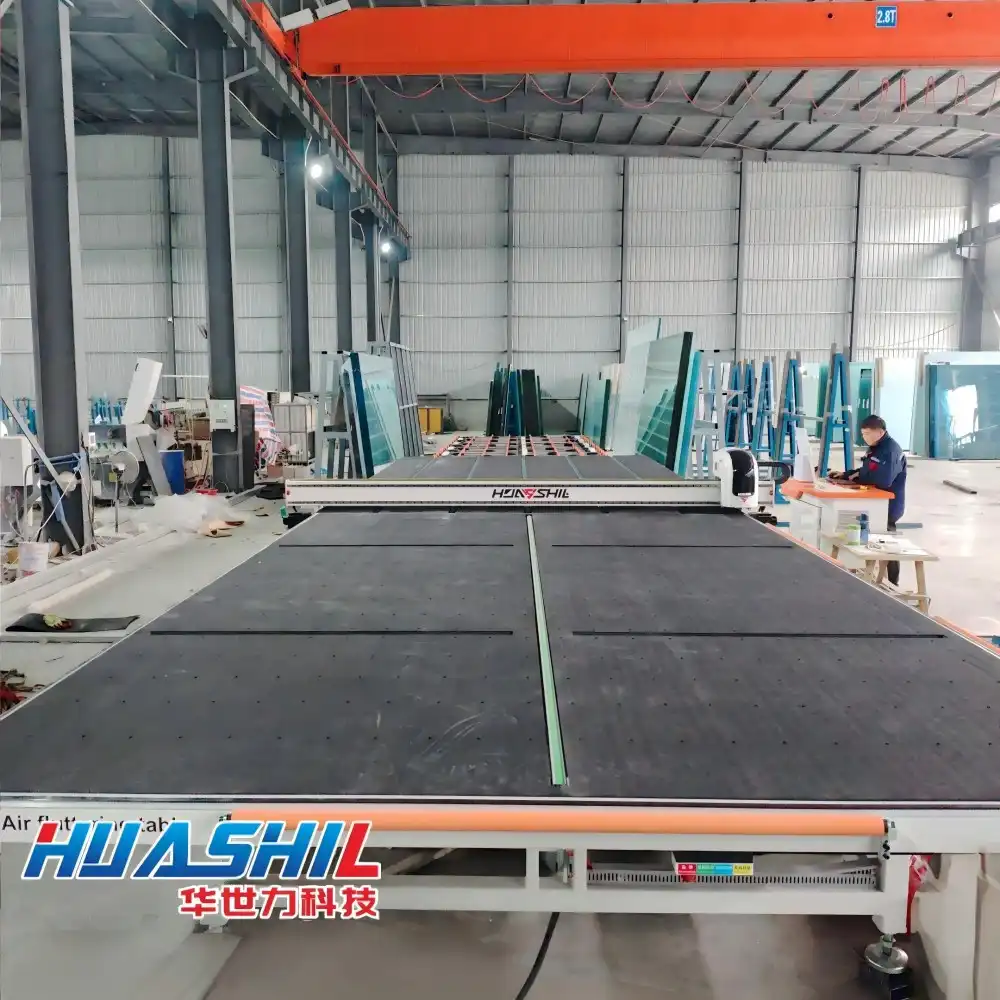
Partner with HUASHIL for Advanced Glass Processing Solutions
HUASHIL stands ready to transform your glass processing capabilities through our advanced glass double edger machine technology and comprehensive support services. Our engineering team specializes in developing customized solutions that address specific production requirements while delivering exceptional value and performance. As a leading glass double edger machine manufacturer, we combine innovative design with proven manufacturing excellence to deliver equipment that exceeds customer expectations. Contact our technical specialists at salescathy@sdhuashil.com to discuss your processing requirements and explore how our advanced glass edging solutions can enhance your production capabilities.
References
1. Industrial Glass Processing Technology and Equipment Design Principles, Journal of Manufacturing Science and Engineering, 2023.
2. Servo Motor Applications in Automated Glass Processing Systems, International Conference on Precision Manufacturing, 2022.
3. Quality Control Standards for Architectural Glass Edge Finishing, Glass Manufacturing Industry Association, 2023.
4. Energy Efficiency Analysis of Modern Glass Processing Equipment, Sustainable Manufacturing Research Quarterly, 2022.
5. Safety Protocols and Best Practices in Automated Glass Processing Facilities, Occupational Safety in Manufacturing, 2023.
6. Economic Impact Assessment of Advanced Glass Processing Technology Implementation, Manufacturing Economics Review, 2022.