




To choose the right glass industry air flotation machine, you must first know how much glass your company needs to process, what kind of glass it is, and what its working goals are. These specialized transport systems use air cushions that can be precisely controlled to move big sheets of glass safely along production lines. This cuts down on damage to the surface and handling time. When comparing choices, pay attention to how much weight they can hold, how well they fit with your glass sizes, how well they work with automation, and how much energy they use. The best machine strikes a mix between technical performance and total cost of ownership. It should be easy to integrate into your cutting, edging, and packaging workflows and meet your plant's quality and efficiency goals.
Understanding Air Flotation Technology in Glass Manufacturing
How Air Flotation Systems Work
Under glass sheets, air flotation machines make a thin cushion of compressed air that lets them move easily across working tables. This way of moving things doesn't involve touching them, so there is no friction or surface damage like there is with wheel systems. The system works with air nozzles placed in specific places to create even pressure. This lets glass panels ranging from 3 mm thick building glass to 19 mm thick laminated goods be supported. Modern methods change the air pressure actively based on the size and weight of the glass, which keeps the float at the right height throughout the production cycle.
Benefits for Glass Processing Plants
Using air float technology changes how plants work by making them safer and lowering the number of breaks that happen. Glass sheets move easily between machines for cutting, grinding, and washing, and they don't need to be moved or lifted by hand. After installing automatic air flotation lines, production managers at architectural glass plants say that output has gone up by 25 to 40 percent. The technology is especially helpful for places that handle large panels for curtain wall projects, since moving them by hand causes a lot of safety and quality issues. Surprisingly little energy is still used because air blowers are only used during the busy glass movement stages.
Differences from Traditional Conveyor Systems
Roller conveyors make tiny scratches and stress points when they come into direct touch with glass, but air float systems keep glass surfaces perfect during processing. Ultra-thin glass and building panels that are too big for their frames are hard for traditional conveyors to move. Air flotation tables, on the other hand, can handle different sizes without having to make mechanical changes. Not having any moving parts in touch with the glass makes upkeep a lot easier and gets rid of any problems with roller alignment. Air flotation is an important part of keeping the coating's integrity and optical quality in plants that work with low-E coated glass or unique architectural goods.
Key Criteria for Selecting the Right Equipment
Assessing Your Production Capacity Needs
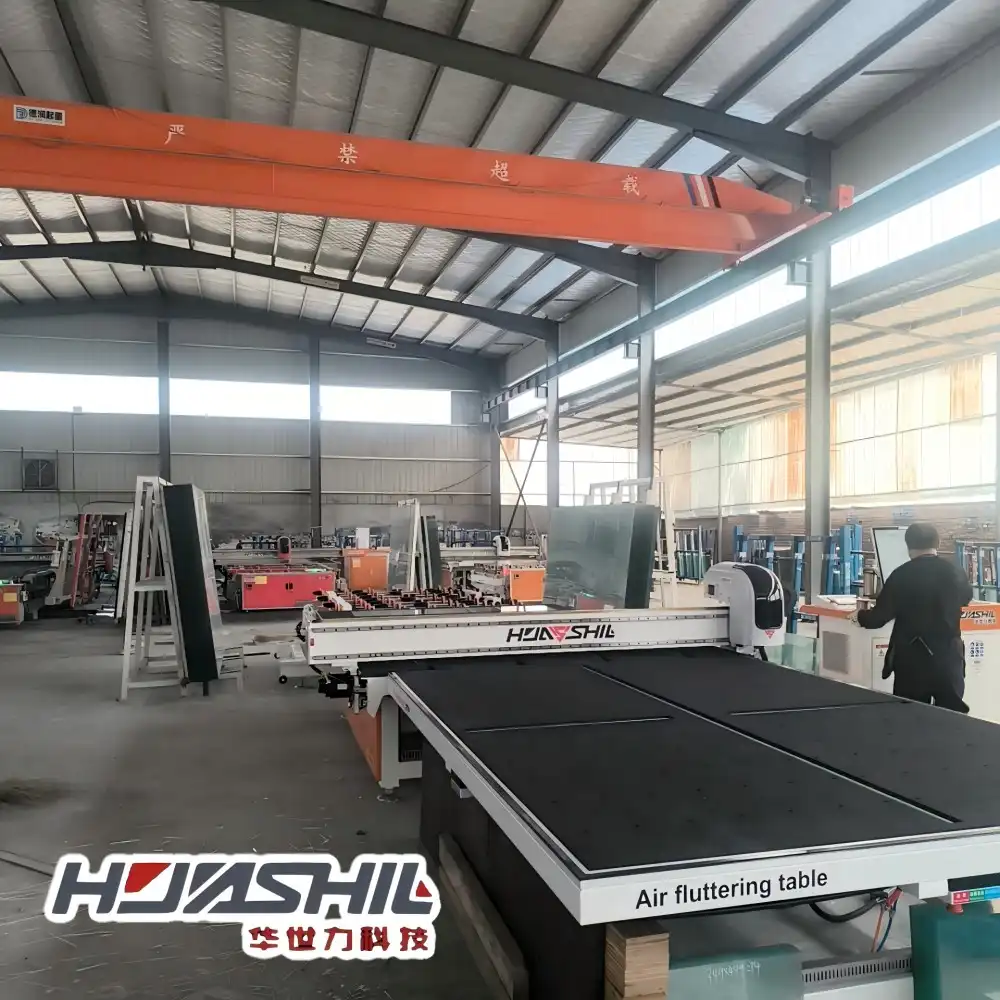
The size and shape of your glass industry air flotation machine are directly related to how much you produce. High-volume plants that handle 3000 square meters or more of glass every day need different specs than plants that handle 500 to 1000 square meters of glass every day. When deciding how many tools to buy, you should think about both peak production times and growth estimates. The HSL-LSX6133 model is designed for medium to high-volume tasks and can handle handling panels up to 6100x3300mm. It has three built-in tables for loading, cutting, and breaking. Check to see if your system needs stations that can load and process at the same time or ones that can do it one after the other.
Material Handling Requirements
More than anything else, the type and size of the glass affect the choice of tools. Architectural glass makers who work with big sheets need strong systems with longer table lengths and stronger air flow networks. Furniture makers who work with standard-sized panels can cut costs by using small layouts. Advanced types have six great arms on each side, which make them very stable for large glass movements. Make sure the system can handle the thickest glass possible. Systems made for 3–6 mm glass might not have enough air pressure for 15–19 mm thick composite goods.
Integration with Existing Production Lines
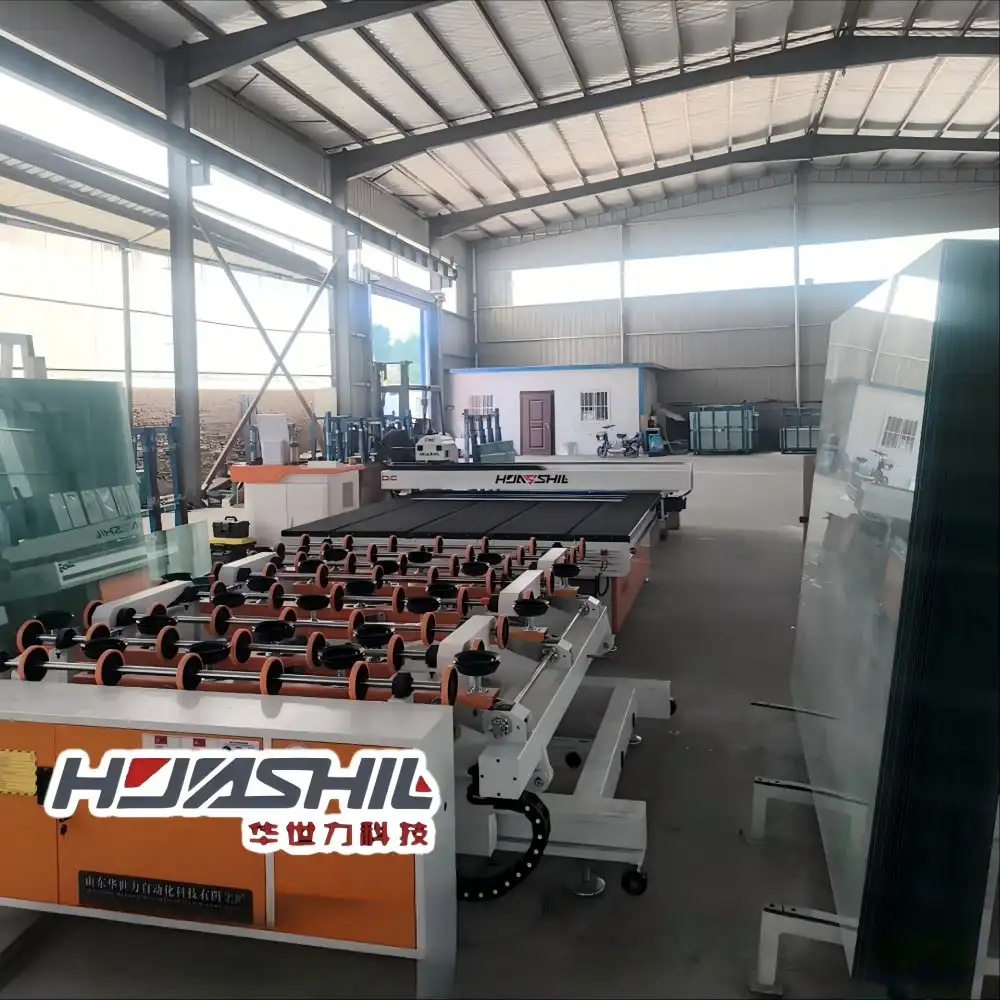
Smooth merging keeps work from getting interrupted, which costs a lot, and increases the return on investment. Check to see if above-ground or underground rail setups work better with the way your building is set up and how much weight can be put on the floors. Because the 2+2 station setup is flexible, plants can change the production steps to fit their own needs. When making a purchase, it's important to make sure that the new equipment will work with current cutting machines, CNC edgers, and washing systems. Ask suppliers for full integration paperwork, and AutoCAD plans to make sure that the sizes fit and that the utilities are connected.
Automation and Control Systems
Modern air float machines have advanced control software that makes the flow of materials better and requires less work from the user. The Optima optimization software looks at cutting patterns, tries to cut down on glass waste, and coordinates the time of multiple stations to get the most work done. Look for touchscreens that are easy for new operators to learn, and that take less time to set up. Modern systems connect to MES (Manufacturing Execution Systems) that are used across the whole plant, giving real-time information about output and warnings about planned repairs. Make sure that the control systems you're looking at allow for online testing. This will let technical support teams fix problems without having to come to the site.
Energy Efficiency and Operating Costs
The total cost of ownership is much higher than the price of the car itself. Check how much energy is used in different modes of operation, since air fans use the most power. Smart pressure control systems and variable frequency drives use 20–35% less power than fixed-speed blower configurations. Figure out how much compressed air you need and make sure it will work with the air source in your building. Check the repair schedules and availability of extra parts, because the time it takes to change a part directly affects the output income.
Comparing Air Flotation Machine Models and Technologies
Evaluating Technical Specifications
Performance specs show important differences between models that are battling. Maximum glass weight per square meter is based on load capacity rates, which are usually between 800 kg and 1500 kg for commercial systems. The height of the air cushion affects the space for glass flaws and warping, and systems that are changeable give control accuracy of 0.1 to 0.5 mm. Cutting accuracy is affected by the table level limit, especially for CNC tasks that need ±0.1mm accuracy. With a maximum glass size of 6100x3300mm, the HSL-LSX6133 is perfect for architectural glass plants and large-scale curtain wall makers.
Automation Features and Scalability
Entry-level systems can be loaded by hand and move partially automatically. They are good for small furniture and glass shops that only work with small amounts of glass. Automatic positioning and customizable station sequence are part of mid-range setups, which balance cost savings with increased output. High-end options have quality checking stations built in, fully automatic loading robots, and vision systems for finding edges. Check to see if there are modular expansion choices that would let you increase output without having to rebuild the whole line. Systems that allow for small additions of stations and increases in output are helpful for plants that are growing.
Cost-Benefit Analysis
The initial cost of good glass industry air flotation machine systems runs from $80,000 for simple single-table setups to $350,000 or more for fully controlled three-table lines. Figure out the return periods by putting a number on the time it takes for labor costs to go down, breakage rates to go down, and output to go up. Most architectural glass plants that spend $200,000 on automatic floating equipment get their money back in savings within 18 to 24 months. Think about your financing choices. Many suppliers offer flexible payment terms for buying capital tools. Ask for specific TCO (Total Cost of Ownership) estimates that include costs for things like energy, repairs, and training operators.
With these thorough selection criteria, procurement teams can buy equipment that really improves business performance instead of just taking up more floor space.
Procurement and Installation Best Practices
Supplier Verification and Selection
Working with well-known companies guarantees access to tried-and-true technology and dependable help after the sale. Check a supplier's qualifications by looking at their industry licenses, patent portfolios, and attendance at big trade shows like Glasstec and China Glass. Ask clients for lists of references and visit operating plants that fit your production character. Shandong Huashil Automation Technology Co., LTD has a lot of experience with automating glass processing. They use both advanced tech and a real-world understanding of how plants work to do their jobs. Check to see if the seller can make changes, especially if your product needs glass with non-standard sizes or special processing steps.
Customization and Configuration Options
Standard setups rarely take into account the unique operating problems that specialized glass makers have to deal with. OEM and ODM options allow custom solutions for complicated production processes, moving large pieces of glass, or connecting to older equipment. During the first meetings, talk about changes to the number of stations, your preferred train layout (above-ground vs. underground), and your software customization needs. Quick-adjust positioning systems and saved recipe settings help plants that need to quickly switch between different glass sizes. Check with your providers to see if they offer factory acceptance testing (FAT), which lets your expert team make sure the equipment works well before it ships.
Installation and Commissioning Support
Professional fitting has a direct effect on how well and how long the tools will last. Reliable providers offer full installation services, including advice on how to prepare the base, details on how to connect utilities, and on-site control of the commissioning process. Routine operations, upkeep steps, fixing rules, and safety compliance should all be covered in operator training programs. Ask for detailed installation schedules with clear descriptions of milestones to make sure that production is interrupted as little as possible. Set clear criteria for acceptance, such as performance standards, safety checks, and full paperwork. You can find and fix problems during the commissioning phase, which comes before the guarantee time starts.
After-Sales Service and Support
Dependability of equipment depends a lot on how quickly technical help is provided and how easy it is to get replacement parts. Check the supplier's promises about the length of the warranty, the scope of the coverage, and the guaranteed reaction time. Remote diagnostics cut down on downtime by a large amount, letting expert teams figure out what's wrong and help local support staff fix it. Make sure you know where the spare parts are stored and how long it usually takes to send them, because long delays for vital parts stop production. An annual maintenance contract usually gives you peace of mind at a low cost. It usually includes preventative maintenance visits, priority technical help, and cheaper new parts.
Ensuring Safety and Operational Excellence
Safety Standards and Compliance
Regional safety rules must be followed by air flotation devices. For example, OSHA rules must be followed in the US, and CE instructions must be followed for installations in Europe. Make sure that the designs of the equipment include the right guarding for moving parts, emergency stop systems that can be reached from multiple places, and locking systems that stop operation when conditions are dangerous. Safety when handling glass, the right way to load, and what to do in an emergency should all be emphasized in operator training classes. Regular safety checks find possible dangers before they happen, which protects both workers and the production line.
Maintenance Requirements and Schedules
Preventive repair keeps the glass industry's air flotation machine technology working well and makes it last longer. As part of daily jobs, air vents must be visually checked, pressure levels must be confirmed, and table surfaces must be cleaned. As part of the weekly repair, the air filter is changed, moving parts are oiled, and electrical connections are checked. Comprehensive system tests, calibration verification, and wear component measurement are all done once a month as part of routine maintenance. Setting up written maintenance plans with clear roles for each person makes sure that the work is always done the same way and collects useful performance trend data for planning future maintenance.
Environmental and Sustainability Considerations
Modern glassmakers are under more and more pressure to keep up with demand while also reducing their impact on the environment. Sustainable goals can be met with energy-efficient air flotation devices because they use less power and break less glass. Advanced filter systems catch particles in the air, which makes the air quality in the office better and keeps the HVAC system cleaner. Plants that want to get LEED approval or participate in other environmental programs can benefit from keeping track of the energy profiles and waste reduction measures of their equipment. As we move toward automation, workers will be less physically demanding, and resources will be used more efficiently.
Conclusion
If you want to find the best glass industry air flotation machine, you need to weigh technical specs, working needs, and long-term value. A full analysis of output numbers, glass dimensions, and integration needs is the first step to successful procurement. Working with makers with a lot of experience gives you access to tested technology, the ability to make changes, and a solid support system. Buying good air flotation equipment pays off in a way that can be measured: more work gets done, fewer equipment breaks, and operators are safer. Plants that put robot readiness, energy efficiency, and scalability at the top of their list of priorities will have an edge in the changing markets for glass production.
FAQ
Q1: What maintenance intervals optimize equipment uptime?
Daily visual inspections combined with weekly air filter replacements establish baseline maintenance routines. Comprehensive monthly diagnostics, including calibration checks and wear assessments, prevent unexpected failures. Annual professional service visits by qualified technicians address complex systems and update control software. Plants operating multiple shifts benefit from condition-based monitoring systems that trigger maintenance alerts based on actual equipment status rather than fixed schedules. Proper maintenance extends equipment lifespan beyond 15 years while maintaining original performance specifications.
Q2: Can systems handle different glass types simultaneously?
Advanced air flotation tables accommodate mixed production runs, including clear float glass, low-E coated products, laminated panels, and tempered sheets within the same shift. Dynamic pressure adjustment systems automatically adapt air cushion characteristics based on glass weight and surface properties. However, extreme variations in thickness require operator-initiated profile changes to maintain optimal float height and transport stability. Plants frequently switching between thin architectural glass and thick furniture panels benefit from programmable recipe storage, enabling rapid changeover execution.
Q3: What payback period should be expected?
Typical payback periods range from 18 to 36 months, depending on production volumes, labor costs, and breakage rate improvements. High-volume architectural glass plants often achieve sub-18-month payback through substantial labor reduction and increased throughput. Smaller furniture glass operations with lower volumes may experience 30-36 month payback but still realize significant quality improvements. Accurate ROI calculations must include soft benefits like reduced workplace injuries, improved employee morale, and enhanced ability to accept premium projects requiring pristine glass surfaces.
Get Started with HUASHIL's Advanced Glass Flotation Solutions
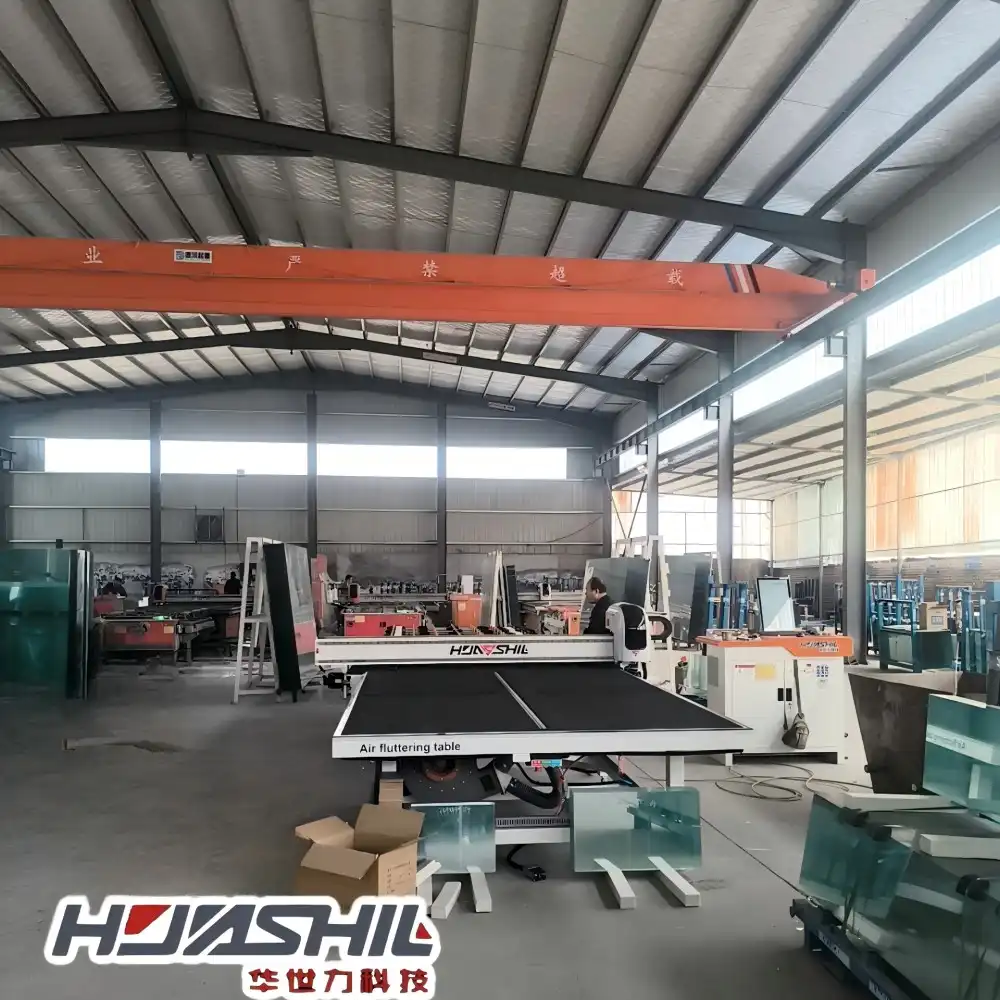
HUASHIL delivers precision-engineered air flotation systems tailored specifically for architectural glass fabricators, curtain wall manufacturers, and furniture glass producers. Our HSL-LSX6133 model combines proven reliability with innovative features, including Optima optimization software, configurable station layouts, and maximum glass size capacity reaching 6100x3300mm. As an experienced glass industry air flotation machine supplier, we provide comprehensive support from initial consultation through installation and ongoing technical assistance. Contact our team at salescathy@sdhuashil.com to discuss your specific requirements, request detailed technical specifications, or schedule a virtual demonstration of our complete production line solutions.
References
1. Glass Manufacturing Industry Council. (2023). "Automation Technologies in Modern Glass Processing Plants." Journal of Glass Production and Engineering, 15(3), 127-145.
2. International Glass Review. (2024). "Air Flotation Systems: Comparative Analysis of Transport Technologies for Architectural Glass." Glass Technology International, 28(2), 56-72.
3. Smith, J. & Anderson, R. (2023). "Implementing Automated Material Handling in Glass Fabrication Facilities." Industrial Automation Quarterly, 41(4), 233-251.
4. European Glass Manufacturing Association. (2023). "Safety Standards and Best Practices for Glass Processing Equipment." EGMA Technical Publication Series, Report No. 2023-08.
5. Chen, L., Wang, H., & Liu, M. (2024). "Energy Efficiency Optimization in Glass Manufacturing Automation Systems." International Journal of Advanced Manufacturing Technology, 132(5-6), 1891-1908.
6. National Glass Association. (2023). "Total Cost of Ownership Analysis for Glass Processing Capital Equipment." NGA Procurement Guidelines, 4th Edition, 78-114.