




For business use, picking the right large tile cutting machine requires careful thought about a number of factors, such as the number of tiles that need to be cut, the level of accuracy needed, and how efficiently the machine works. In commercial settings, you need tools that can handle a lot of work and keep the same level of accuracy across a wide range of materials. To get the best return on investment for your business, you need to look at technical specs, production ability, safety features, and the total cost of ownership when making your choice.
Understanding Large Tile Cutters and Commercial Use Requirements
Large tile cuts are specialized pieces of industrial equipment made to work with large amounts of material and tough business settings. Unlike most home tools, these machines can handle tile sizes longer than 1200mm and wider than 1200mm. This makes them necessary for current building projects that use large-format materials.
Types of Commercial Tile Cutting Systems
Commercial tile cutting systems can be broken down into a number of different groups, each with its own set of functions. For moderate production volumes, manual scoring systems are a cost-effective option. For high production volumes, CNC-controlled tools offer automated accuracy. Water-cooled diamond blade systems are great for cutting thick materials like real stone and porcelain because they keep the materials from being damaged by heat.
Electric rail-guided cuts are very portable and accurate enough for professional use, so they can be used for on-site setups and medium-sized production facilities. Cutting, edging, and handling tasks are all combined on automated production lines to increase productivity while reducing the need for workers.
Commercial Application Challenges
When cutting tiles for a living, commercial equipment, large tile cutting machine, has to deal with special problems that home equipment can't. Large-format ceramic tiles that are up to 3000 mm long need special handling methods to keep them from breaking when they are being cut. Different thicknesses of materials, from 3 mm ultra-thin panels to 18 mm solid slabs, need cutting settings that can be changed and blades that can be set up in a variety of ways.
To make sure that installations are lined up correctly across large areas of surface, production settings also need consistent cutting accuracy within ±0.2mm limits. Standard domestic cuts don't have the rigid structure and precise controls needed to keep up these high standards over long production runs.
Criteria for Choosing the Right Large Tile Cutter for Commercial Use
To choose the best industrial tile cutting tools, you need to carefully look at their performance, how they work, and how much they will cost in the long run. Making good procurement choices means balancing the technical needs of the present with the needs of future growth and ease of upkeep.
Cutting Capacity and Precision Requirements
The main thing to think about when choosing a machine is its maximum cutting measurements. For business use, it usually needs to be able to handle materials that are at least 2700mm by 1600mm. The ability to cut different thicknesses must work with all the materials your business works with, from thin clay panels to thick slabs of natural stone.
Different uses have very different precision needs. For example, artistic glazing needs much tighter tolerances than general building jobs. CNC-controlled systems with automatic pressure control and edge finding give uniform results even when the material properties are different, and they require less skill from the user.
Power Systems and Control Technology
Modern industrial cutters have complex control systems, large tile cutting machine, such as the EOS-CNC platform, which lets you design cutting patterns, handle materials automatically, and check quality in real time. Air floating devices make it easier to move materials and keep the surface from getting damaged while they are being cut.
Automatic pressure control systems change the cutting force based on the density and thickness of the material. This improves the quality of the cut and extends the life of the blade. These high-tech features make machines much more productive while also cutting down on waste and the need for extra work that comes with human systems.
Safety Features and Operational Ergonomics
For commercial cutting operations to keep workers safe during high-volume production, they need complete safety systems with emergency stops, blade guards, and dust collection systems. Ergonomic design factors lower the risk of operator weariness and harm during long work hours.
Integrated dust control systems keep workers and machines safe from rough particles that could damage the accuracy of cuts or pose health risks. Water cooling systems not only make cuts better, but they also stop dust from getting into the air completely.
Comparing Popular Types and Brands of Large Tile Cutting Machines
There are a lot of different technologies and brands of commercial tile cutting tools, and each one has its own benefits for different uses and output needs. By knowing these differences, you can make smart choices about what to buy that are in line with your budget and business needs.
Manual vs Automated Cutting Systems
Manual scoring systems are good for small businesses or specific uses that need to change the setup often because they are easy to use and don't require a lot of money. For consistent results, these methods depend on the skill of the operator, but they give you the most freedom for cutting lines that aren't straight.
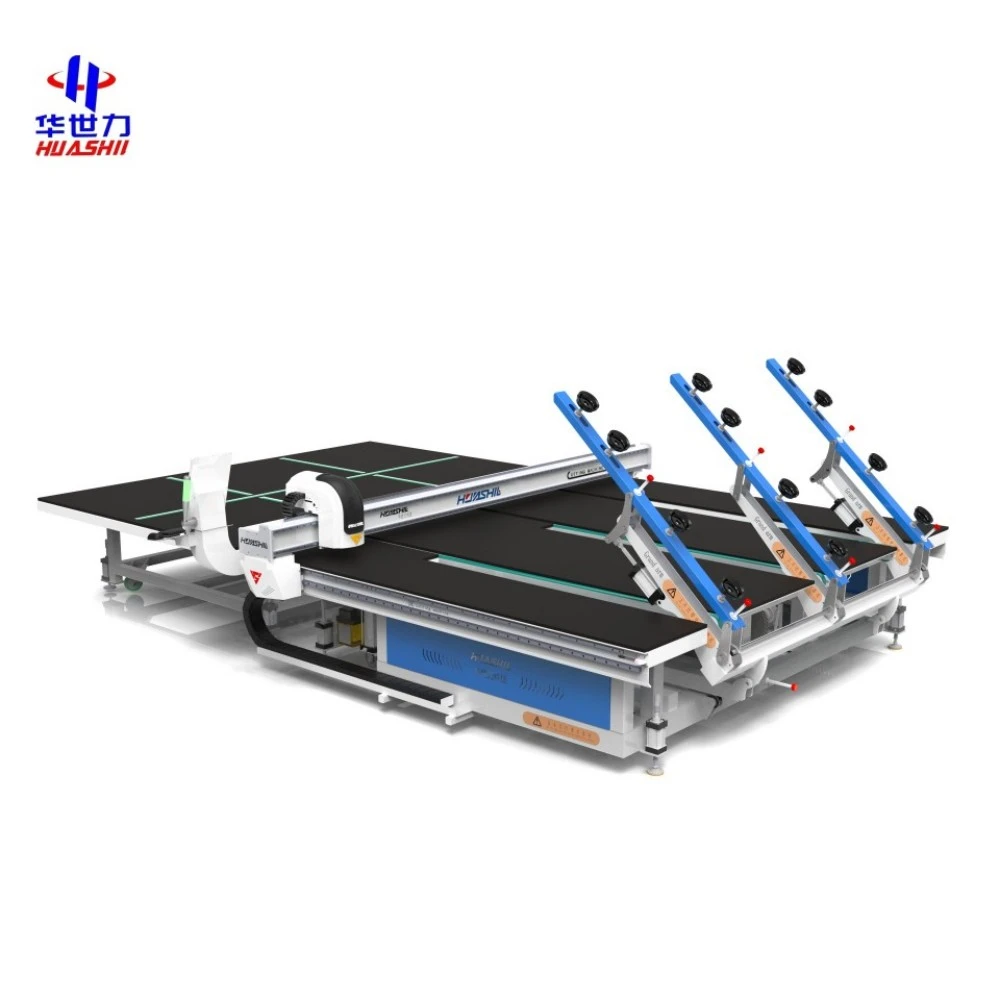
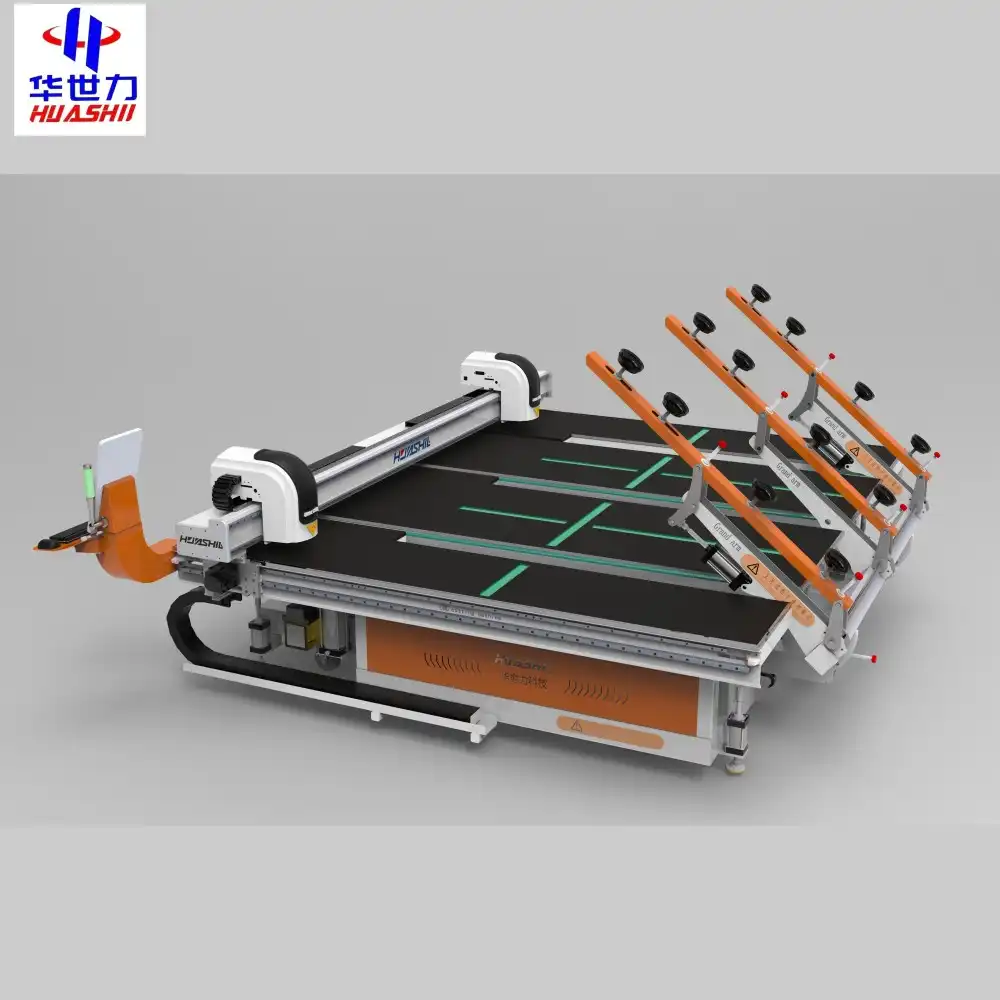
For high-volume production settings, automated CNC systems and large tile cutting machines offer better accuracy and efficiency. The HSL-CNC2716 model is a good example of this type. It can cut up to 2700x1600mm and has automatic pressure control and edge finding features. These features get rid of user variation and boost efficiency over long production runs.
Leading Manufacturer Comparisons
Bosch and Makita are well-known brands that make tools that are mostly movable and semi-professional. Their tools work well for light business tasks. They have a huge network of dealers that makes it easy to get parts and get help all over North America.
Specialized industrial makers focus on making large-scale production tools with advanced robotics and precise controls. Most of the time, these systems can cut more accurately and with more capacity, but they need a bigger investment in cash and more expert support infrastructure.
Performance Analysis and User Feedback
According to recent industry polls, automated cutting systems cut labor costs by 40–60% compared to human processes. They also improve cutting accuracy by getting rid of operator variation. When systems are switched from human to automatic, production often goes up by 200 to 300 percent.
User feedback always stresses how important it is to have solid technical help and spare parts on hand, especially for automated systems that need specific parts. Customers in the business world are happier with manufacturers that offer thorough training programs and quick expert help.
Maintenance, Safety Tips, and Troubleshooting for Commercial Tile Cutters
Following the right upkeep and safety rules will keep your equipment working at its best, keep your workers safe, and keep downtime to a minimum. In business settings, taking care of tools and managing safety needs to be done in a planned way.
Routine Maintenance Protocols
Cleaning the cutting surfaces, checking the state of the blades, and using preset test pieces to make sure the cutting is accurate are all daily maintenance tasks. To make sure the right flow rates and filters work, water cooling systems need to be checked every day.
As part of the weekly maintenance, the blades are carefully checked, moving parts are oiled, and the safety systems are tested to make sure they work. For automated systems to keep working at their best, the tuning of the control system and the settings for the air pressure need to be checked more often.
Professional blade cleaning or replacement, a large tile cutting machine, a thorough check of all electrical parts, and a full calibration check are all part of the monthly service intervals. These tasks make the tools last longer while keeping the cutting accuracy within certain limits.
Safety Protocols and Operator Training
For commercial cutting jobs, operators need to be fully trained in how to use the tools, follow safety rules, and fix simple problems. Proper training lowers the risk of accidents and raises output while also extending the life of tools.
Safety glasses, hearing protection, and cut-resistant gloves that are right for working with tiles are all required pieces of personal protective equipment. Even though automated systems limit the direct exposure of operators, they still need to follow safety rules when they are being set up or maintained.
In case of an emergency, plans must be made for things like blade failure, electricity problems, and crashes involving moving things. Clear evacuation paths and emergency contact information make sure that major incidents are dealt with quickly and injuries are kept to a minimum.
Common Troubleshooting Scenarios
Loss of cutting precision is usually caused by worn blades, loose mounting gear, or drift in the control system. Most problems with accuracy can be avoided with regular calibration checks and preventive maintenance. These checks also find problems before they affect the quality of the production.
Electrical problems in automatic systems are often caused by control panel links that are too loose or by moisture getting into the system. Regular inspections and the right weather limits keep most electricity problems from happening and make sure that the system works reliably.
Material handling issues like breaking or chipping often mean that the cutting settings are wrong or the tools are worn out. Changing the cutting speed, pressure, and cooling in a planned way can help get the best results with all kinds of materials.
Procurement and Logistics for Commercial Buyers
Strategic planning for buying things makes sure that the right equipment is chosen while keeping operating delays and the total cost of ownership to a minimum. To make sure the adoption goes smoothly, commercial buyers need to look at several different buying choices and logistics issues.
New Equipment vs Alternative Options
Buying new equipment comes with a full guarantee, the newest technology, and established performance patterns. This choice is good for businesses that need the highest level of dependability and advanced automation, but it costs a lot of money.
When you buy certified secondhand equipment, you save money at first and get solid performance for tasks that don't need a lot of automation. Reputable manufacturers offer warranties and expert help that are on par with new tools, but they require less cash.
Letting modern equipment be used without having to spend a lot of money on it is appealing for businesses that don't have a lot of money or don't know what their long-term needs will be. Setting up payments every month makes it easier to handle cash flow and includes upkeep and support services.
Financing and Bulk Purchasing Strategies
Traditional bank loans, manufacturer credit programs, and equipment leasing deals, such as a large tile cutting machine, are all ways to pay for equipment. Depending on the cash flow needs of the business and tax issues, each method has its own benefits.
For businesses that need a lot of tools or whole production lines, negotiating bulk purchases can cut unit costs by a large amount. Package deals often come with training, an inventory of spare parts, and a longer guarantee, all of which add to the total value.
When you sign a volume purchasing deal with a manufacturer, you get better prices and faster customer service. You also build long-term supply ties that will help you with future growth projects.
Global Logistics and Support Infrastructure
If you want to buy tools from another country, you need to pay close attention to shipping procedures, clearing customs, and coordinating installation. Manufacturers with a lot of experience offer full transportation support, including preparing paperwork and coordinating with customs.
The availability of local service networks has a huge effect on long-term operating costs and the availability of tools. Manufacturers with established service networks in North America offer faster response times and lower service costs than those who need plant help.
Parts supply and shipping times have a big impact on the continuation of operations, especially for automated systems that need specific parts. Reputable makers keep parts in stock in their local areas and promise to send crucial parts on time.
Conclusion
To choose the right large tile cutting machine for business use, you need to carefully think about its cutting capacity, precision needs, automation features, and long-term support needs. Modern automated systems are much more consistent and productive than human ones. They also have more advanced features like automatic pressure control and air flotation systems that improve both the quality of the cuts and the speed of the process. Procurement choices that are good combine current technical needs with future scalability needs. This way, equipment investments support long-term business growth goals while keeping routine costs low.
FAQ
Q1: What distinguishes commercial large tile cutting machines from residential models?
On the other hand, commercial large tile cutting machines can usually handle materials up to 2700x1600mm, while domestic models can only handle materials up to 600mm by 1200mm. Commercial units have computerized features like CNC control systems, automatic pressure change, and air float handling that make sure the accuracy remains the same during large production runs.
Q2: How often should commercial tile cutting equipment undergo maintenance?
Cleaning and basic inspections are part of daily upkeep. Once a week, the service includes greasing and checking the safety system. Professional upkeep done once a month includes cleaning the blades, checking the balance, and inspecting all the parts thoroughly. Automated systems need extra service every three months to update the control system and make sure it is perfectly calibrated.
Q3: Can large tile cutting machines handle different material types effectively?
With their changeable cutting settings and unique blade configurations, modern industrial cutters can work with a wide range of materials, such as porcelain, ceramic, natural stone, and sintered stone. The HSL-CNC2716 system can work with materials that are 3mm to 18mm thick and stays accurate even when the density and stiffness of the material change.
Q4: What safety considerations apply to commercial tile cutting operations?
For businesses to run safely, they need to follow strict safety rules that cover things like operator training, personal protective equipment, emergency processes, and regular upkeep of the safety systems. Automated systems make it easier for repair workers to do their jobs without being directly exposed to danger.
Q5: How do financing options affect large tile cutting machine procurement decisions?
There are different ways to finance an item, such as straight purchase, leasing, and manufacturer financing plans. Each has its own tax and cash flow benefits. Leasing gives you access to new technology without having to spend a lot of money on it, but buying it directly can save you money in the long run for businesses that are already up and running and have stable production needs.
Partner with HUASHIL for Your Large Tile Cutting Machine Needs
HUASHIL offers state-of-the-art automation technology made just for business tile handling needs. Their machines combine precise engineering with dependable performance that goes above and beyond industry standards. Our HSL-CNC2716 system is the latest and greatest in large tile cutting machines. It has a cutting capacity of 2700x1600mm and automatic features that make it as productive as possible while still ensuring quality results. As a reliable provider of large tile cutting machines, we offer a wide range of support services, such as customization, technical training, and proactive upkeep programs that protect your investment and make your business run more efficiently. Get in touch with our technical experts at salescathy@sdhuashil.com to talk about your unique needs and find out how our advanced cutting solutions can change the way you make things.
References
1. Industrial Tile Processing Technology Standards and Best Practices Manual, American Society for Testing and Materials, 2023.
2. Commercial Tile Cutting Equipment Performance Analysis and Market Survey, Construction Equipment Research Institute, 2024.
3. Automation in Construction Materials Processing: Efficiency and Safety Considerations, International Journal of Construction Technology, 2023.
4. Large Format Tile Installation Guidelines for Commercial Applications, Tile Council of North America Technical Standards, 2024.
5. Occupational Safety Standards for Industrial Cutting Equipment Operations, National Institute for Occupational Safety and Health Guidelines, 2023.
6. Cost-Benefit Analysis of Automated vs Manual Tile Processing Systems in Commercial Applications, Construction Economics Quarterly Review, 2024.