




Chipping in glass CNC machining is still a big problem that affects the amount of work that can be done and the standard of the finished products in the furniture and building glass industries. Through combined sensor technology and optimized cutting parameters, modern CNC glass cutting equipment with automatic pressure control systems and precision software handles this problem. Modern equipment with air flotation systems and timed belt lines keeps the glass in place during work and reduces vibrations by a large amount. This makes edge cracks much less common.
Understanding the Problem of Chipping in Glass CNC Machining
Defining Chipping and Its Impact on Production Quality
Chipping is the unwanted breaking or microcracking that happens along the sides of glass when it is being cut. Small pieces breaking off from the main material are a sign of this flaw. The rough edges hurt both the look and the strength of the structure. Production managers often say that chipping makes 8–15% more trash in factories that still use old-fashioned cutting methods, which has a direct effect on profits and customer happiness.
The effects go beyond damage that can be seen on the surface. Chipped edges make the whole glass structure weaker. This is especially a problem for building uses where safety standards demand perfect edges. Curtain wall and bathroom door makers have to go through strict quality checks, and even small chips can cause a lot to be thrown away. When buying, teams understand these effects; they can see why investing in good automated cutting systems pays off in a clear way.
Root Causes: Mechanical, Material, and Environmental Factors
Chipping happens when glass is processed because of several linked causes. Most mechanical problems are caused by worn-out cutting wheels, inadequate pressure control, or incorrect feed rates that put too much stress on the cutting line. Material factors include changes in glass thickness, patterns of internal stress from hardening processes, and differences in the make-up between regular float glass and low-iron architectural glass.
Conditions in the environment are also very important. Changes in temperature in the factory cause the glass to expand and shrink, which makes it less stable while it's being cut. The amount of humidity affects how well cooling lubricants work during the cutting process. Vibrations from machines next to each other can travel through the plant floors and make it hard to make clean cuts. To deal with these issues, you need both controlled production settings and tools that are built with vibration-dampening features built in.
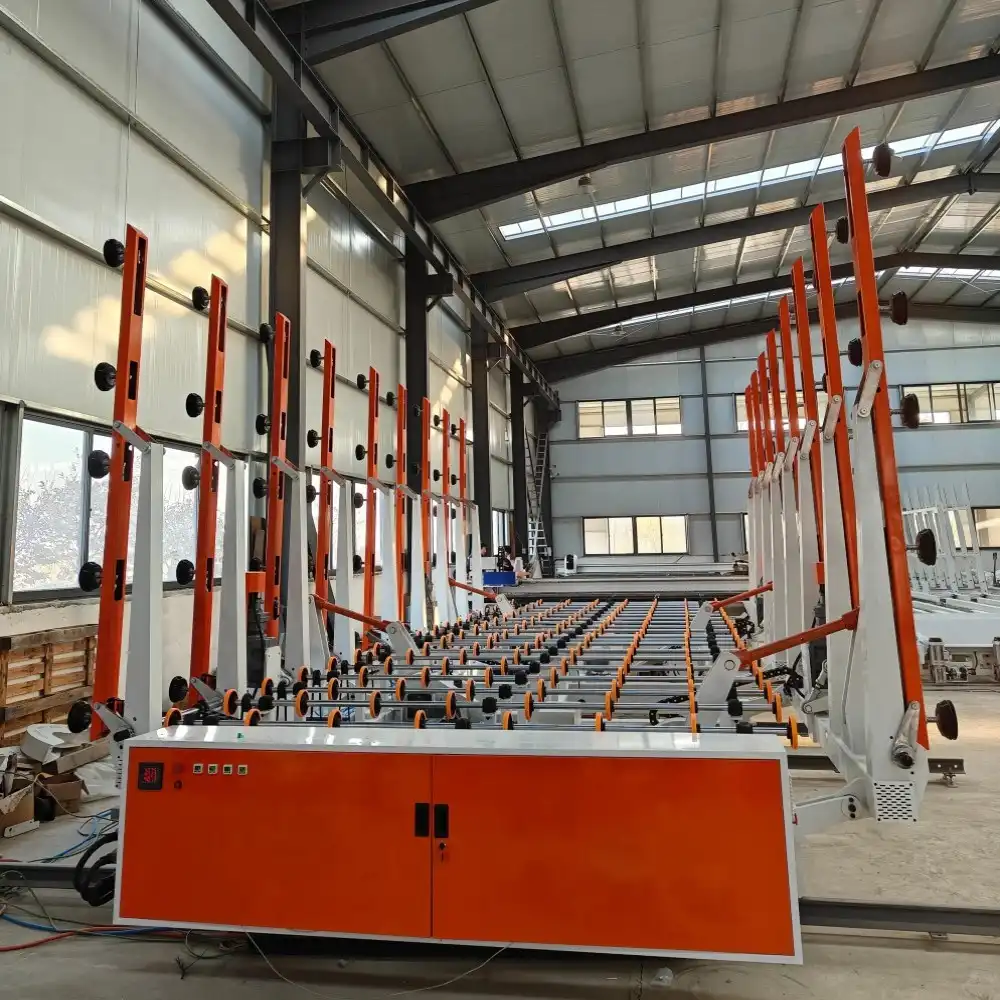
Analyzing the Causes of Chipping: From Traditional Methods to Advanced Solutions
Limitations of Conventional Cutting Techniques
Manual glass cutting and older semi-automated systems depend a lot on the skill and regularity of the person doing the work, which makes production less predictable. When you use traditional scoring methods, you apply uneven pressure across the cutting path. This makes fractures spread unevenly, which often leads to edge chipping. These methods don't allow real-time adjustments, which means that once the cutting wheel hits the glass, the user can't change the pressure or speed to account for changes in the material that are found during the cut, unlike CNC glass cutting equipment.
Older automated systems, while requiring less work, often have rigid code that can't adapt to the unique properties of each glass sheet. Without automatic edge-finding features, these machines might start cutting at the wrong point in relation to the glass's edge, creating stress clusters that spread into chips. The lack of synced input between the position of the cutting tool and the application of pressure makes it easier for the quality of the edge to get worse.
Technological Advancements in Precision CNC Systems
High-precision CNC technology with multiple feedback loops and adaptable control systems has changed the way glass is worked on today. Modern systems use servo-driven motors that change the pressure on the cutting wheel every millisecond based on changes in resistance picked up by load sensors built into the cutting head assembly. This dynamic pressure control keeps the right force in place no matter how the glass thickness changes or how the stress levels inside the material change.
Software merging is yet another big step forward in stopping hacking. Optimization software, such as Optima, looks at cutting patterns to find the best tool routes and places where stress could build up before the cutting starts. The system figures out the best entry angles, acceleration profiles, and retreat sequences so that the edges don't get too loaded during important parts of the cutting cycle. Advanced machines like the HSL-YTJ3826 type can do these things because it has an automatic edge-finding function that maps the real glass perimeter with sub-millimeter accuracy before cutting starts.
Chips are even less likely to happen with air flotation systems because the glass surface doesn't come into direct contact with the support table except at fixed places. This technology lowers vibrations caused by friction and stops tiny scratches that can turn into chips while cutting. The synchronous belt moving system moves glass smoothly without the jolting movements that come with roller conveyors. This keeps the material stable throughout the whole production process.
Practical Solutions and Best Practices to Prevent Chipping in Glass CNC Machining
Selecting the Right CNC Equipment for Your Production Needs
When buying CNC glass cutting equipment, the features that directly address chipping avoidance should be given the most weight. Having equipment that can handle the largest size of glass you expect to see will keep you from having to do multiple steps of handling that raise the risk of chipping. The HSL-YTJ3826 model can cut glass sheets up to 3660x2440mm, so it can be used for large-format building projects while still being precise across the whole cutting area. Its 5550x4925mm size means you need to plan your floor room carefully, but it gives you a lot of options for production, so the cost is worth it.
The range of cutting thickness is another important characteristic. Machinery that can handle thicknesses between 2 and 19 mm can be used for a wide range of products, from thin furniture glass to thick building panels, without the need to buy different equipment. Handling-related damage is reduced by automated loading, and 360-degree remote control operation lets workers watch cutting from the best viewing spots, which improves quality control during production.
Certification guidelines make sure that the products are made well and that they are safe to use. With CE and ISO9001 approvals, you can be sure that the company has strict quality control systems in place and meets all international safety standards. These certifications also make it easier to buy tools and meet insurance standards in many markets. This makes foreign procurement easier to manage.
Optimizing Machine Parameters for Edge Quality
To get edges without chips, you have to precisely calibrate a lot of factors that are all connected. The feed rate directly affects the amount of time that can be used to control the crack's movement through the glass matrix. Too fast of feed speeds can cause fractures that can't be managed, and too slow speeds can cause too much heat buildup, which can lead to thermal stress fractures. Based on what the maker says, technical managers should set baseline parameters. They should then make adjustments regularly within ±10% increments while using a magnifying glass to check the quality of the edges.
Cutting wheel pressure needs to be optimized in the same way. When there isn't enough pressure, the score isn't complete, which leads to uneven breaking and edge chips. When there is too much pressure on the glass, the surface gets crushed, making tiny cracks that move around randomly during the breaking phase. Modern automatic pressure control systems constantly check the applied force and change it based on real-time feedback. This gets rid of the guessing that comes with human adjustment. This technology is especially useful when working with mixed batches that have glasses of different sizes or makes, like CNC glass cutting equipment.
The flow rate and make-up of the coolant affect both how long the cutting wheel lasts and how good the edge is. A sufficient amount of coolant removes glass particles and heat, stopping the re-deposition of debris that can scratch surfaces and cause chips to form. Water-based coolants that have the right surfactant ingredients work better as lubricants and don't affect the ability of the coolant to work with later steps of processing, like edge cleaning or tempering.
Maintenance Protocols and Software Optimization
Schedules for preventative repair have a direct effect on the uniformity of cutting quality. Cutting wheels should be inspected and replaced at the times recommended by the maker. Before each production shift, an eye check should be done to look for signs of early wear that could mean alignment problems or pressure calibration drift. Cleaning processes for air flotation systems keep dust from building up, which reduces the efficiency of flotation and adds dirt particles between the glass and support surfaces.
When equipment makers release software updates, they often include changes to algorithms that make cutting more precise or make more materials work with each other. Production sites will continue to benefit from these changes as long as they talk to technical support teams on a regular basis. Tool path optimization in cutting software needs extra attention because bad scheduling slows down production and causes cutting wheels to turn around more often than they need to, which can lower the quality of the edge.
Case Studies: Successful Chipping Reduction in CNC Glass Cutting
Medium-Scale Furniture Manufacturer Implementation
A company that makes bathroom doors had to reject about 12% of the doors they made every day because the edges were chipped on their old semi-automated cutting system. A study of the production process showed that an inconsistent operator method during manual scoring and breaking was a major cause of quality differences. The engineering team looked at several CNC options, with automatic pressure control and edge-finding being the most important features.
When they got CNC glass cutting equipment, their rate of rejects dropped to 2.3% in the first month of output. Positioning mistakes that caused stress to build up near glass corners were no longer a problem thanks to the automatic edge-finding function. They got rid of their roller system and replaced it with synchronous belt moving, which greatly reduced quality problems caused by vibrations. Faster cutting processes and less rework time both improved production capacity by 18%, and the return on investment (ROI) was reached within 14 months, even though capital equipment was purchased.
Large-Scale Architectural Glass Processor Results
To meet strict standard needs, an architectural glass fabrication plant that makes curtain wall systems for business building projects needs edges with no flaws. Even though their old CNC system was computer-controlled, it didn't have adaptable pressure regulation and used rigid cutting methods that couldn't handle the different levels of stress that come with heat-treated architectural glass. Quality control data showed that 7% of treated sheets needed to be edge-ground again, which slowed down production and caused margin loss.
They changed how they did business when they bought more modern CNC glass cutting equipment with Optima optimization software. Because the software could look at cutting patterns and change tool paths based on how the glass was made, less than 1% of the work had to be redone. Handling damage that sometimes led to edge weakness was removed by automated filling. The breaking table that was built into the cutting system limited the spread of fractures, which pretty much got rid of the random breaks that happened when the pieces were separated by hand. These changes made the plant's image for quality better, which led to bigger contracts with big building companies.

Conclusion
Fixing chipping issues in glass CNC cutting takes a thorough plan that includes picking the right tools, making sure the settings are just right, and keeping up with regular maintenance. Edge quality and output yield are both better with modern automatic cutting systems that have adaptive pressure control, precise software, and features that make them more stable. Purchasing teams should look at machines based on their ability to work with different sizes and thicknesses, their automation features, and how well they can serve the maker. Buying good machines like the HSL-YTJ3826 model, which has built-in air flotation and automated features, pays off in the form of less trash, better quality products, and happier customers in the furniture, car, and architecture industries.
FAQ
Q1: How often should CNC glass cutting equipment undergo maintenance?
Every day, the cutting wheels should be visually checked, the coolant level should be checked, and the air float system should be checked. Every week, chores include checking the tightness of the belts and looking for wear on the synchronous belts. As part of the monthly maintenance, optical sensors and edge-finding parts are cleaned, and pressure sensors and control systems are fully calibrated. Factory-trained workers service the machine once a year to make sure it stays precise and find any worn parts before they affect the quality of the production.
Q2: Can software upgrades improve cutting precision on existing equipment?
Software updates often make a big difference in speed without having to change the hardware. Better cutting algorithms make the best use of tool paths to spread out stress better, and better sensor integration makes pressure control more precise. Updates may also add to files of materials that work well together, giving better settings for specific types of glass. Modern control architectures allow software updates to be applied to equipment throughout its working lifetime. This protects the initial investment in the equipment and provides benefits for ongoing growth.
Q3: What equipment specifications matter most for thick tempered glass?
To work with toughened glass, you need machines that have strong pressure control systems that can handle the internal stress patterns that are created when the glass is heated. Cutting wheels with the right width and substance for tempered materials keeps tools from wearing out too quickly. Software that has cutting profiles made just for tempered glass uses the right feed rates and pressure steps. The design of the breaking table must allow for controlled separation forces that are spread out in the right way for thicker materials. The best machines for handling toughened glass are those that can handle thicknesses between 2 and 19 mm and have automatic pressure control.
Partner with HUASHIL for Superior Glass Processing Solutions
HUASHIL makes precise CNC glass cutting equipment that solves the most important problems that architectural glass makers, furniture manufacturers, and curtain wall system installers face. Our HSL-YTJ3826 model is an example of advanced automation technology. It has Optima optimization software, combined air flotation, and automated pressure control that work together to reduce chipping and increase output flow. Our gear meets international quality standards and comes with full expert support. It has CE and ISO9001 certifications to back it up. Get in touch with our team at salescathy@sdhuashil.com to talk about unique solutions made to fit your production needs and find out how our tools can improve the quality of your edges and the efficiency of your operations.
References
1. Smith, J. R. (2021). Advanced Glass Processing Technologies: Precision Cutting Methods and Quality Control. Industrial Materials Publishing.
2. Chen, L., & Wang, M. (2020). "Edge Quality Optimization in CNC Glass Cutting: Parameter Studies and Process Improvements." Journal of Manufacturing Processes, 58, 412-425.
3. Thompson, A. K. (2022). Architectural Glass Fabrication: Modern Techniques and Equipment Selection. Construction Technology Press.
4. Martinez, S., & Patel, R. (2019). "Chipping Reduction Strategies in Automated Glass Cutting Systems." International Journal of Precision Engineering, 34(3), 287-301.
5. Anderson, D. H. (2023). CNC Machinery for Glass Processing: Technology Guide for Production Managers. Manufacturing Excellence Publications.
6. Liu, Y., Zhang, H., & Kumar, P. (2021). "Comparative Analysis of Glass Cutting Technologies: Traditional Methods versus Modern CNC Systems." Materials Processing Technology Review, 45(2), 156-172.