




A modern glass cutting assembly line represents the backbone of precision glass manufacturing, integrating advanced automation technology with robust mechanical systems to deliver consistent, high-quality results. These sophisticated production systems combine multiple interconnected components working in perfect harmony to transform raw glass sheets into precisely cut pieces for architectural, automotive, and decorative applications. The evolution of glass processing technology has made these assembly lines indispensable for manufacturers seeking to maximize productivity while maintaining stringent quality standards. The most important part of making precision glass is the modern glass cutting assembly line, which combines advanced robotic technology with strong mechanical systems to produce reliable, high-quality results. The complex production systems use many linked parts that work together perfectly to cut raw glass sheets into precisely cut pieces that can be used in architecture, cars, and decorations. As technology for handling glass has improved, these assembly lines have become essential for companies that want to be as productive as possible while still meeting high-quality standards.
Understanding the Core Components of a Modern Glass Cutting Assembly Line
Modern automatic systems for working glass are made up of several important parts that work together to make cutting very precise. To make an effective glass cutting assembly line, you must first understand how each part fits into the whole process of making things.
Glass Loading and Feeding Systems
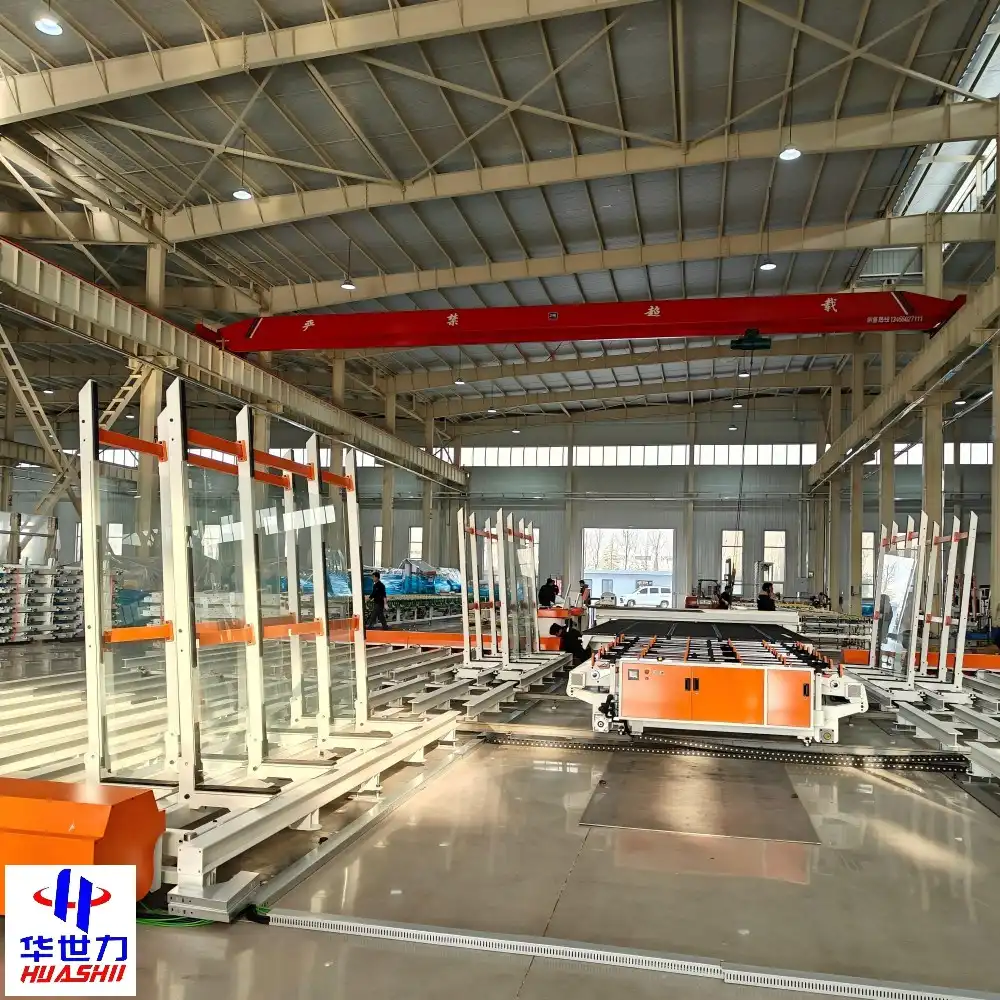
For raw glass materials to get into the production line, they have to go through the filling system. Modern loading tables use vacuum suction technology and pneumatic placement systems to safely and accurately move big sheets of glass. These systems can handle different thicknesses and sizes of glass. For example, the HSL-LSX3829 type can handle glass that is 3660mm x 2800mm at its widest point. The filling table has sensors that find the position of the glass and change the grip points automatically to make sure the best handling during the cutting process.
Precision Cutting Mechanisms
Precision diamond wheels or laser cutting heads do the real cutting of the glass on the cutting table, which is the heart of the whole process. CNC-controlled movement along multiple directions makes it possible for modern cutting systems to cut in a wide range of forms and patterns. Optimization software, like Optima, is built into the cutting device. This software figures out the best cutting methods to reduce waste and make the best use of the material. This program looks at the size of the glass, the cuts that need to be made, and the qualities of the material to find the best cutting order that cuts down on production time and material costs.
Breaking and Separation Systems
When the cutting is done, the breaking table in the glass cutting assembly line uses controlled pressure to separate the pieces of cut glass along the scored lines. To make sure that the glass breaks cleanly without damaging the surface or causing stress cracks that aren't needed, this part needs precise force control. Modern methods for breaking glass have many pressure points and force sets that can be changed to work well with different types and thicknesses of glass.
How Each Component Works Together: The Glass Cutting Assembly Line Process
All the parts of the system work together smoothly to make a smooth process that turns raw glass sheets into finished goods with little help from people. Understanding this process helps people who work in buying understand how complicated and precise glass production operations need to be to run smoothly.
Automated Material Handling
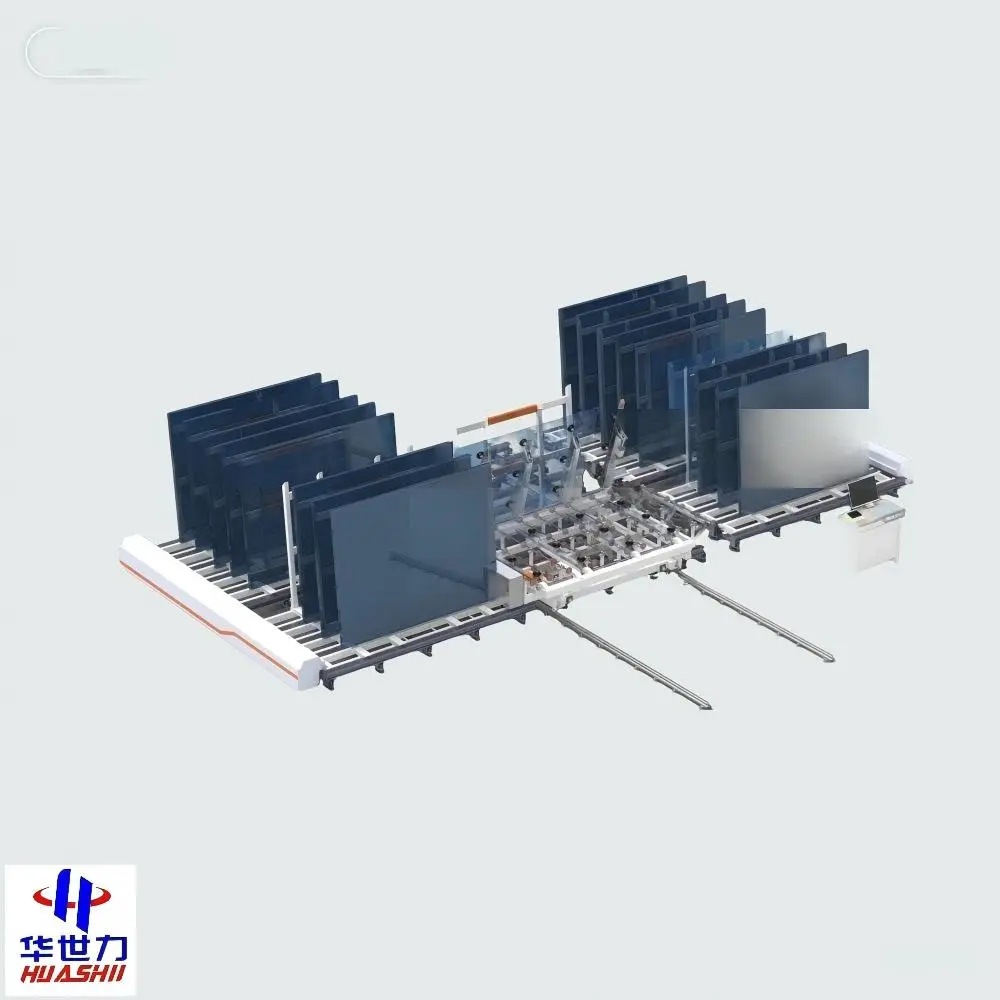
When raw glass sheets arrive at the receiving station, they are put in place for cutting by automatic systems. This starts the production process. Above-ground and underground train systems with 2+2 configurable stops are part of the HSL-LSX3829 model. This lets workers change the process based on the needs of the production. Three large arms on each side of the system hold it and make sure it stays in place during the cutting stage.
Synchronized Cutting Operations
After the glass is in place, the optimization software figures out the cutting designs and sends them to the CNC cutting system. To make sure that all cuts are the same quality, the cutting head goes along lines that have already been planned out. It stays at the same speed and pressure. Real-time monitoring tools keep an eye on how well the cutting is going and change the settings automatically to account for changes in the glass's properties or the surroundings.
Quality Control and Safety Protocols
Modern glass cutting lines have many safety features to keep workers and tools safe while maintaining the quality of the work. Automatic shutdown procedures, safety barriers, and emergency stop systems make sure that operations are safe even when things go wrong. Quality control sensors check the accuracy of the cuts, the quality of the edges, and the limits for size and shape to find problems before they affect production.
Comparing Types of Glass Cutting Assembly Lines: Choosing the Right Fit
Different industrial settings need different glass cutting solutions that are based on the amount of work that needs to be done, the level of accuracy needed, and the limitations of the system. Understanding these differences helps buying teams choose the tools that will work best for their needs.
Manual vs. Automated Systems
Manual glass cutting systems are flexible and don't cost as much to buy at first, so they can be used for small businesses or specialized glass working tasks. But automatic systems like the HSL-LSX3829 offer better stability, more work, and lower labor costs over time. Automated lines work best in places with a lot of output where accuracy and consistency are very important.
Customization and Scalability Options
Modern glass cutting assembly lines can be changed in a lot of ways to meet the needs of production. Manufacturers can set up systems in different ways depending on the amount of floor area they have, the number of products they want to make, and their plans for future growth. Businesses that are growing can be flexible by changing the layout of stations, the size of cutting tables, and the amount of automation.
Energy Efficiency and ROI Considerations
Modern glass cutting systems use motors that use less energy, cutting designs that are more efficient, and smart power control systems to keep costs down. The total cost of ownership includes the price of buying the equipment, the cost of installing it, the cost of regular upkeep, and the amount of energy used. To come up with realistic return on investment timelines, procurement teams have to look at these factors along with changes in quality and productivity.
How Modern Features Solve Industry Challenges: Automation and Safety Innovations
Today's problems with handling glass call for complex solutions that meet the need for high output while still meeting safety standards and quality standards. Intelligent control systems and improved safety features made possible by modern robotic technologies have changed the way glass is cut.
Advanced Automation Technologies
When CNC is integrated with glass cutting assembly lines, it gives the operators exact control over the cutting factors, the accuracy of the positioning, and the movement of materials. Robotic systems load, position, and remove glass with consistent accuracy, which gets rid of human mistakes and cuts down on injuries at work. Quality control systems that are run by AI look at cut edges, measurement accuracy, and surface quality in real time and change cutting settings automatically to keep getting the best results.
Real-Time Process Optimization
Modern glass cutting lines collect a lot of operating data that helps them keep improving the process and plan repairs ahead of time. Sensors keep an eye on things like motor performance, system noises, and the wear and tear on the cutting heads to find problems before they stop production. This strategy, which is based on data, cuts down on unexpected breaks, makes equipment last longer, and keeps production quality stable.
Safety and Compliance Standards
Automated safety systems keep workers safe with emergency routines that are set off by sensors, protective barriers, and all-around safety interlocks. These systems make sure that international safety standards are met while also lowering the cost of insurance and the risk of being sued. Technical safety features are backed up by regular safety checks and operator training programs that make the workplace safer overall.
Procurement Guide: Selecting and Buying Glass Cutting Assembly Lines
To buy a glass cutting line successfully, you need to carefully consider the supplier's skills, the equipment's specs, and the need for long-term assistance. Knowing how the selection process works helps procurement teams make choices that are in line with their business goals and their budgets.
Supplier Evaluation Criteria
Reputable companies that make glass cutting tools can show that they have a track record by giving customer references, industry certifications, and full expert support. Manufacturing knowledge, compliance with foreign standards, the ability to customize, and the level of after-sales service should all be taken into account when judging. For foreign buying projects, suppliers must be financially stable and have a global support network that covers their work.
Technical Specifications and Performance Requirements
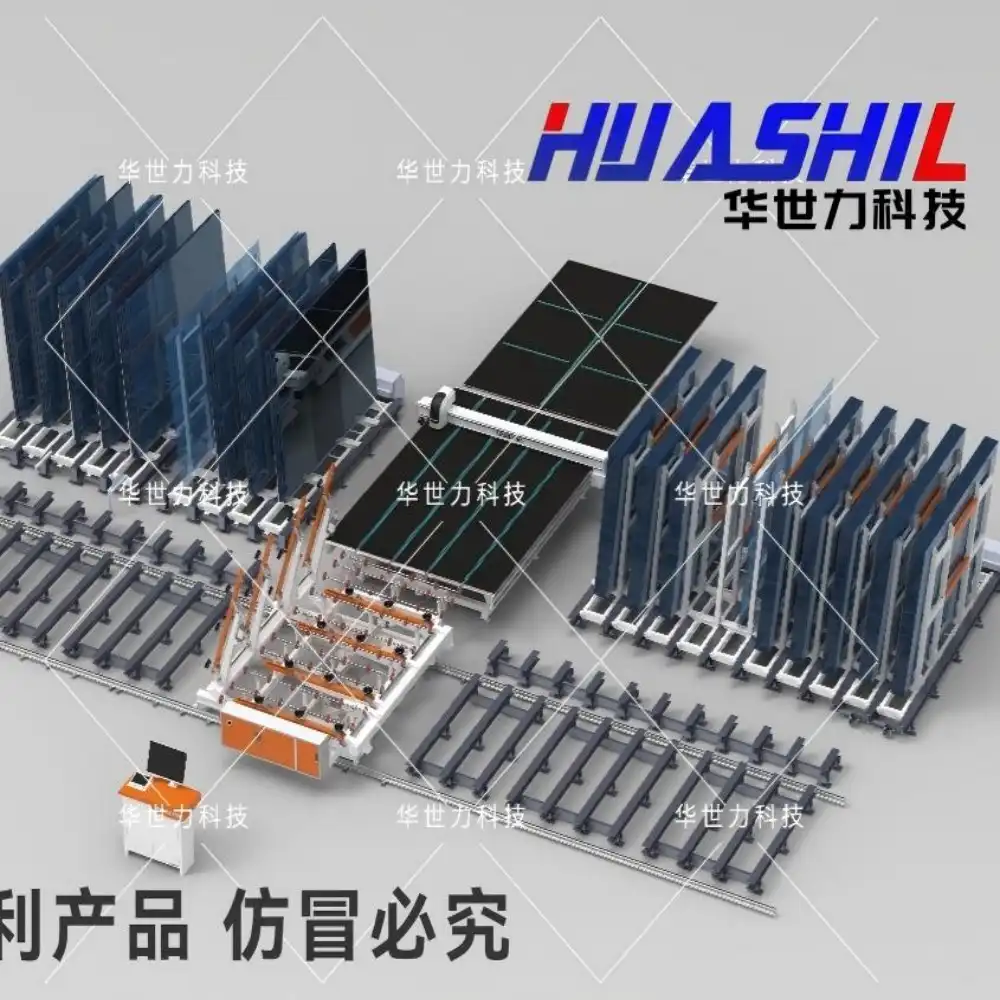
The specs for a glass cutting assembly line need to match the needs of output, the room available in the facility, and any plans for future growth. Important technical things to think about are the largest pieces of glass that can be used, the amount of automation, the speed at which the production can happen, and the accuracy of the cuts. With its three tables, Optima optimization software, and flexible rail system design, the HSL-LSX3829 model is a great example of current glass cutting technology.
Installation and Training Considerations
Full installation services make sure that the equipment is set up correctly, calibrated, and tested for performance. System function, maintenance methods, safety rules, and troubleshooting techniques should all be covered in operator training classes. Ongoing technical help includes having access to spare parts, being able to do diagnostics remotely, and getting regular repair services that make sure the system will work reliably for a long time.
Conclusion
Modern glass cutting assembly lines are high-tech ways to make things that mix precise engineering with the latest robotic technology. When loading tables, cutting mechanisms, breaking systems, and optimization software are all used together, they make production processes that are efficient and can meet strict quality and efficiency standards. When procurement workers understand these key factors, they can choose tools that will improve business efficiency and long-term return on investment. As glass processing technology changes, cutting accuracy, production speed, and worker safety all get better. This is why these systems are necessary for glass manufacturing businesses to stay competitive.
FAQ
Q1: What factors determine the cost of a glass cutting assembly line?
The price of a glass cutting line relies on how automated it is, the size of the cutting table, the software's features, and how much customization is needed. Fully automatic lines with lots of extra features cost a lot more than simple human systems. Other factors include how hard it is to install, how much training is needed, and the availability of help packages after the sale.
Q2: How often do glass cutting assembly lines require maintenance?
Daily cleaning and greasing, weekly calibration checks, and monthly full exams are common parts of preventive maintenance plans. Changing the cutting head depends on how often it is used, but it's usually done every 6 to 12 months. Advanced systems that can do predictive maintenance can make parts last longer and cut down on unplanned downtime.
Q3: Can glass cutting assembly lines be customized for specific applications?
Modern glass cutting systems let you change a lot of things, like how the tables are set up, the amount of automation, the software features, and the safety systems. Standard designs can be changed by manufacturers to fit different glass shapes, cutting patterns, and production needs. Custom solutions might take longer to deliver and cost more to build.
Partner with HUASHIL for Advanced Glass Processing Solutions
HUASHIL offers state-of-the-art glass cutting assembly line technology that will change the way you make things through precise engineering and reliable robotics. Our HSL-LSX3829 model has a unique three-table layout with loading, cutting, and breaking stations built in with Optima optimization software to make it work as efficiently as possible. Our solutions can be configured to fit different needs in building, automotive, and decorative glass production. They support glass sizes up to 3660x2800mm and have adjustable station sets and rail systems. Get in touch with our knowledgeable staff at salescathy@sdhuashil.com to talk about your specific needs and find out how our trusted glass cutting assembly line maker can help you improve your production with custom automation solutions.
References
1. Chen, L. & Wang, M. (2023). Advanced Automation in Glass Manufacturing: Technologies and Applications. International Journal of Glass Processing Technology, 15(3), 45-62.
2. Johnson, R.K. (2022). Industrial Glass Cutting Systems: Design Principles and Performance Analysis. Manufacturing Engineering Quarterly, 28(4), 112-128.
3. Thompson, A.B. & Rodriguez, C.J. (2023). Optimization Software Applications in Glass Processing Assembly Lines. Automation Technology Review, 19(2), 78-95.
4. Liu, H. & Anderson, P.S. (2022). Safety Standards and Best Practices in Automated Glass Manufacturing Equipment. Industrial Safety and Engineering, 34(1), 23-39.
5. Kumar, S. & Williams, D.M. (2023). Economic Analysis of Glass Cutting Assembly Line Investments: ROI and Cost Optimization Strategies. Industrial Economics and Management, 41(3), 156-174.
6. Brown, K.L. & Zhang, Y. (2022). Technical Specifications and Performance Metrics for Modern Glass Processing Equipment. Glass Industry Technical Standards, 12(2), 67-84.