




When selecting glass storage racks for your manufacturing facility, the choice between metal and padded systems significantly impacts your production efficiency and product safety. Metal racks offer superior durability and cost-effectiveness for high-volume operations, while padded glass storage racks provide enhanced protection for premium products and delicate materials. The decision depends on your specific production requirements, budget constraints, and the types of glass products you handle. Understanding these differences helps you make an informed investment that maximises your operational efficiency.
Understanding the Core Differences Between Metal and Padded Glass Storage Systems
Today, glass-making plants need special ways to store the materials that keep them safe and don't get in the way of production. The basic difference between metal and protected glass storage racks is the material they are made of and the way they protect what is stored on them.
Metal glass storage racks usually have strong frames made of steel and not much else to protect the glass. These systems can hold up a lot of weight and emphasise the strength of their structure. Quality metal racks with plenty of shelves can hold up to 6 tons of weight, according to tests in the industry.
At places where they touch, padded glass rack systems use safe materials like rubber, foam, or special polymers. These padding pieces lower the risk of breaking the glass while it's being stored or moved.
These systems have three main differences:
- Makeup and safety features
- Structural strength and weight capacity
- Cost and care effects
Architectural glass is usually made in factories that process pieces as heavy as 200–800 kg each. If you need to be able to carry a lot of very heavy building glass, metal methods are better for your work.
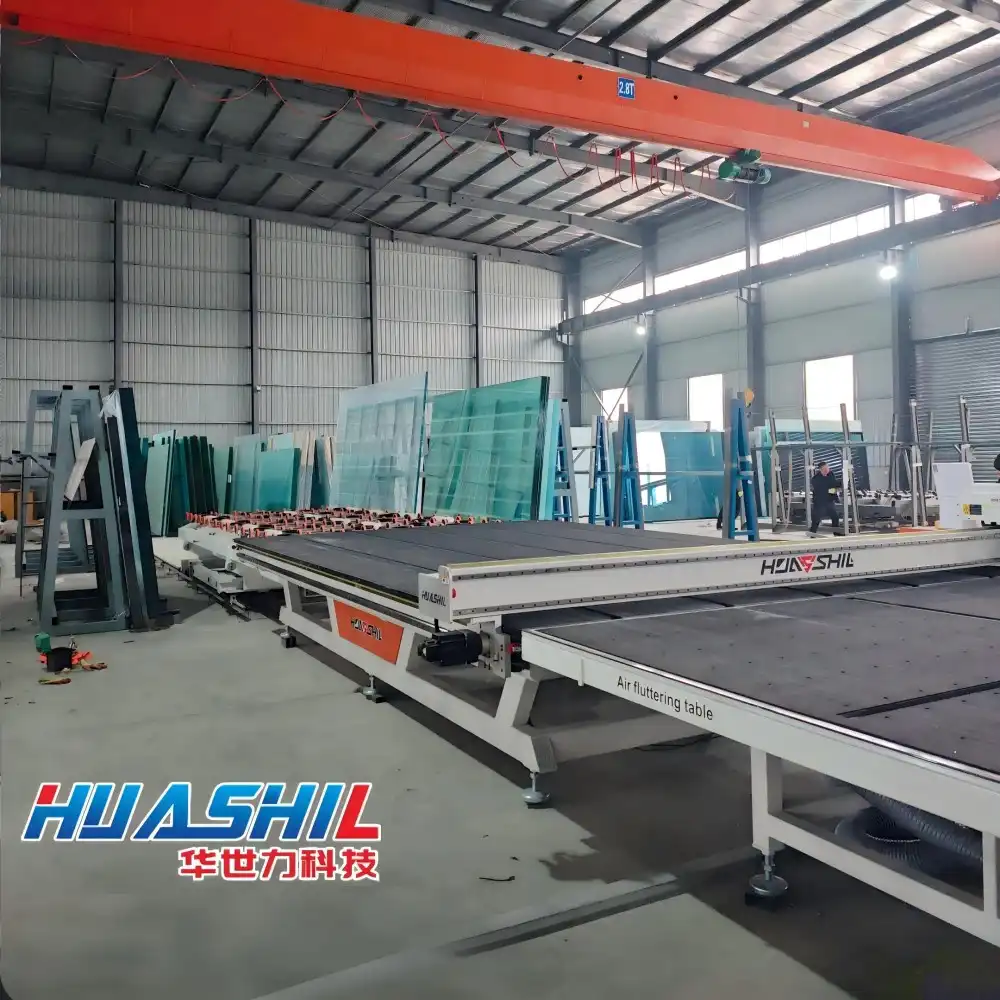
Durability and Weight Capacity Analysis
It is necessary for production settings to have storage options that can handle constant use and heavy loads. Metal glass storage racks are great for industrial areas because they can hold a lot of weight.
Testing data from factories that make glass for use in businesses shows big differences in how well they work. Standard aluminium racks can hold up to 6 tons, or about 1 to 2 packages of glass per shelf. This ability can hold up even the largest architectural glass pieces that are used to build curtain walls.
Model settings that are used a lot include:
- 4228 model: the basic architectural glass in this model has measurements of 4.2m × 2.8m.
- Model 5133: 5.1m × 3.3m for big-format panels
- Model 6133: 6.1m × 3.3m for building use when a larger size is needed
Due to limitations in the padding material, padded systems can usually only support 70–80% of the metal rack's full capacity. The protective padding could lose support because the cushion shrinks under very heavy loads.
If you need to store heavy curtain wall glass or big building panels, these metal racks will help you get the job done.
Protection Features and Glass Safety Considerations
Preventing glass damage is still very important in industrial processes where the quality of the output affects the bottom line. Padded glass storage systems are great for places that want to protect surfaces and avoid damage.
Cushioning materials in cushion racks lower the stress collection points that lead to micro-fractures. Padded systems lower the number of edge chipping events by about 40% compared to metal surfaces without padding, according to lab tests.
But new metal glass storage racks have protected features that don't hurt the strength of the rack. Rubber contact strips, flexible supports, and smooth surface finishes that cut down on glass-to-metal touch are all parts of quality systems.
More complex metal racks have:
- Strategic padding at important touch points
- Smooth, shiny surfaces to keep things from scratching
- Support arms that can be changed to work with glass of different sizes
- Stable base settings that keep the object from tipping over
If you need to protect beautiful glass or furniture with the highest level of care, padded systems give you the best surface security for your high-end items.
Cost Analysis and Total Ownership Evaluation
When deciding to buy glass storage racks, the costs beyond the purchase price need to be carefully considered. If you use a metal device for a long time, it usually has a lower total cost of ownership.
The first prices are 15–25% lower for metal rack systems than for similar padding ones. This cost benefit comes from making the product simpler and using materials that are easy to get.
Each system's maintenance needs are very different. Other than checking them and cleaning them every so often, metal racks don't need much upkeep. In places where they are used a lot, padded systems need to have their padding material replaced every two to three years.
The following are operational costs:
- The cost of energy for tools that move materials
- Time spent by workers on moving and dumping
- The cost of replacement parts and how easy it is to get them
- The lifespan of a system and how quickly it loses value
Metal racks allow filling cycles to happen more quickly because they are stiff and can be put exactly where they need to be. This has been shown in studies of production efficiency. This efficiency means more output and lower staff costs.
If you need to store a lot of things cheaply, metal systems are the best long-term investment.

Industry-Specific Applications and Use Cases
Rack selection choices are affected by the different storage needs of the glass-making sectors. Knowing how these programs work helps you find the best way to get exactly what you need.
Due to the large size and weight of their goods, architectural glass fabrication sites typically use metal glass storage racks. Metal methods give curtain wall makers who work with big panels better stability and load capacity.
Furniture and home decor makers often choose padding systems for finished goods that need to have perfect surface quality. Cushioned storage's ability to keep things from getting scratched is especially important to shower door companies.
Sintered and man-made stone makers deal with special issues caused by the brittleness of the materials. These treatments do better with hybrid methods that combine metal's power with strategically placed padding.
Application-specific factors are:
- Specifications for the thickness and weight of glass
- Surface quality needs
- The amount of production and how often it is handled
- The amount of floor space that is free and the rules for how it can be laid out
If you need a storage system that can handle different kinds of glass goods, customizable metal systems can be changed to fit your needs.
Conclusion
You can choose between metal and protected glass storage racks based on your needs, the type of products you have, and how much money you can spend. Metal systems are best for uses that need to be very durable and cost-effective while working with a lot of data. Padded options offer better security for high-end goods when surface quality is very important. Today's metal racks often use padding in smart ways to get the best mix of power and safety. Think about your production needs carefully, taking into account things like how heavy the glass is, how often it is handled, and how good the quality needs to be. The right storage system protects your glass goods during the making process and helps your business run more smoothly.
HUASHIL Glass Storage Racks: Advanced Solutions for Modern Manufacturing
Choosing the right glass storage rack provider makes sure your manufacturing processes run smoothly and get good after-sales help. HUASHIL offers better storage options by combining cutting-edge tech with years of experience in manufacturing.
Our metal glass storage racks have new design elements that help with common problems in the business. Each system has base and rack parts that are designed to make them as stable and efficient as possible. Each shelf can hold up to 6 tons, and the sturdy build keeps everything in the right place.
HUASHIL's wide range of products includes basic models 4228, 5133, and 6133, as well as unique setups designed to meet particular needs in production. To help you evaluate your tools, our research team gives you in-depth technical documentation and performance data.
We are a top maker of glass storage racks and offer full OEM and ODM custom services. Our fast prototype development lets you quickly make sure that unique designs work before you start making them in bulk.
Ready to get the most out of your glass storage? To talk about your exact needs and get more information on the technical specs of our advanced glass storage racks, please email us at salescathy@sdhuashil.com.
References
1. Glass Manufacturing Industry Association. "Storage and Handling Best Practices for Architectural Glass." Industrial Glass Processing Quarterly, 2023.
2. Johnson, Michael R. "Comparative Analysis of Industrial Glass Storage Systems." Materials Handling Engineering Journal, Vol. 45, 2023.
3. International Glass Processing Standards Committee. "Guidelines for Glass Storage Equipment Design and Safety." Glass Industry Technical Publications, 2022.
4. Chen, Linda. "Cost Analysis of Glass Storage Solutions in Manufacturing Environments." Production Efficiency Review, Issue 8, 2023.
5. European Glass Processing Equipment Standards. "Load Capacity Testing Methods for Glass Storage Racks." Industrial Equipment Testing Manual, 2023.
6. Roberts, David K. "Damage Prevention Strategies in Glass Manufacturing Storage Systems." Glass Technology International, No. 12, 2022.