




When it comes to improving the way glass is installed, a portable glass loading table is an essential piece of equipment that changes the way glass manufacturing shops handle their most valuable materials. The main problems that architectural glass makers, curtain wall integrators, and furniture fabricators have to deal with are mobility, safety, and efficiency. These specialized workstations solve these problems. Modern glass handling equipment is more complex than just simple support surfaces. It works well with automatic production lines and is still flexible enough to meet the needs of a wide range of projects.
Key Benefits of Using Portable Glass Loading Tables for Installation
Utilizing portable glass handling systems has huge benefits across a range of practical areas, fundamentally altering how glass fabrication facilities handle materials and improve workflow. These benefits go far beyond just moving things around; they also make safety measures, production throughput, and general operational efficiency better.
Enhanced Safety and Risk Reduction
Glass handling tasks naturally involve a lot of risks, and moving and lifting glass by hand is always a challenge for worker safety and the purity of the material. By getting rid of the need to lift heavy glass sheets by hand, portable glass loading stations greatly lower the number of injuries that happen at work. According to statistics from workplace safety reports, lifting-related injuries are up to 60% less common in places that use the right glass handling equipment than in places that only use manual handling methods.
These days, new loading tables have built-in safety features that protect people in many ways while they move things. Anti-slip surfaces keep the glass from moving around while it is being placed, and safe clamping systems keep it stable while it is being handled. Emergency stop functionality and overload safety systems make sure that you can act right away when something unexpected happens, keeping both people and your valuable glass inventory safe.
Operational Efficiency and Workflow Optimization
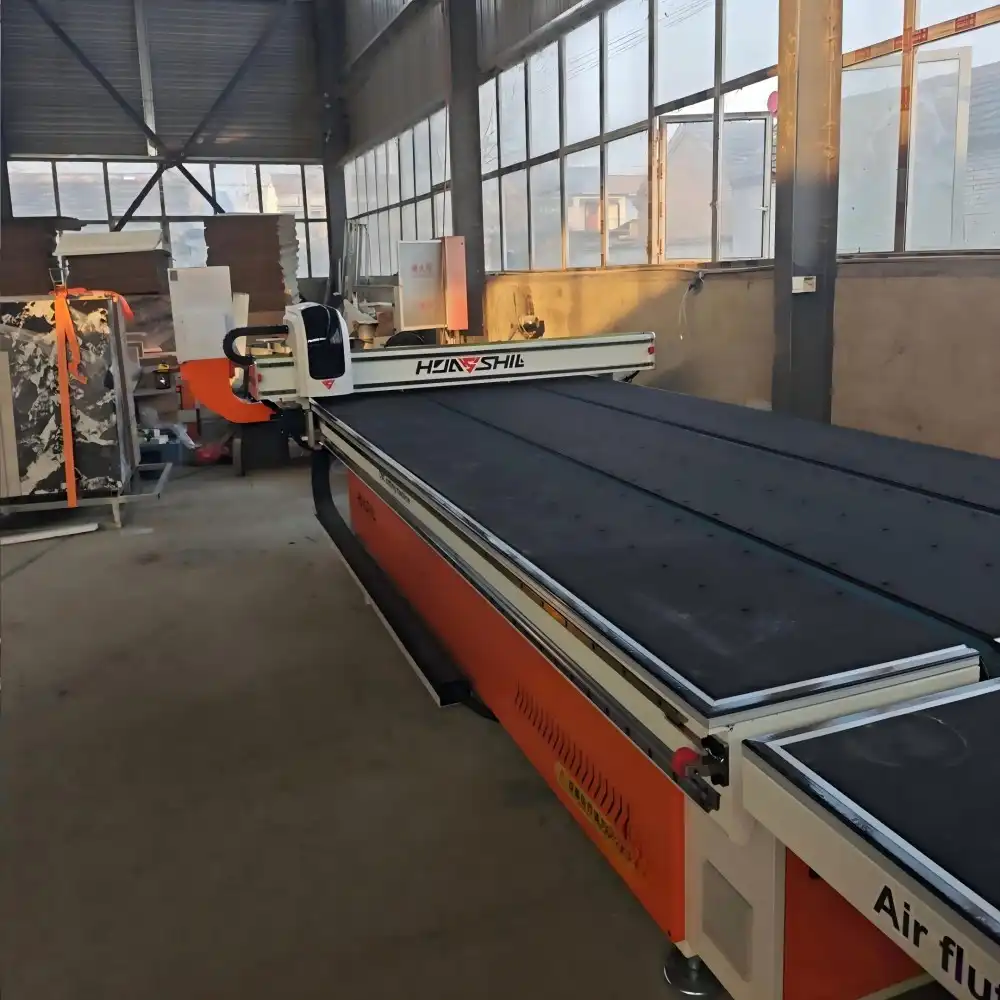
One of the main benefits of using portable glass loading systems in fabrication settings is that they make it easier for materials to move through the space. These tables make it easy to move between different processing areas without any problems. This creates continuous workflow patterns that get rid of bottlenecks and shorten cycle times. As the loading station is where most of the glass that goes into the cutting tools comes in, the patching station next to it is where special treatments and quality checks need to be done.
Switching between glass workspaces and loading stations makes unloading go quickly and smoothly, ensuring that materials move evenly along the production line. Multiple fabrication sites have done efficiency studies that show this methodical way of moving materials cuts the time needed for positioning and setting up glass by an average of 40%. The ergonomic design features of these systems keep operators from getting tired while keeping the accuracy of placement, which leads to better product quality and lower waste rates.
Versatility Across Project Scales
Because they can be used in a variety of situations, portable glass loading tables are useful for both small custom installations and big commercial projects. Height adjustments allow for different operator preferences and installation needs, and modular design elements let the configuration be changed to meet the needs of a particular job. This adaptability is especially helpful for factories that work with a wide range of markets, from making building glass to making smart mirrors.
Essential Features to Look for in Portable Glass Loading Tables
When choosing the right glass handling equipment, it's important to carefully look at its technical specs and make sure it can meet the needs of the production. When procurement professionals understand these important factors, they can make choices that are good for the long run and meet immediate operational needs.
Structural Design and Load Capacity
Strong construction is the basis of reliable glass handling equipment, and the load capacity requirements directly affect the types of projects that can be done. Industrial-grade loading tables can usually hold between 500 and 2000 kilograms of weight, but this depends on the purpose and the size of the glass. The materials used to build the frame have a big effect on both how much weight it can hold and how long it will last. For example, high-strength steel frameworks last longer even in tough production conditions.
Weight distribution systems are very important for keeping things stable while they are being loaded and unloaded. Multi-point support structures spread loads evenly across the table surface, stopping stress buildups that could damage the glass or make the equipment not work properly. These design elements are especially useful when working with big pieces of building glass that need to be placed precisely and held in place securely while they are being processed.
Mobility and Positioning Systems
Professional-grade glass loading tables are different from basic material handling tools because they have advanced mobility features. Good caster systems make it easy to move things around on plant floors and keep precise positioning control during important tasks. Safe positioning is made possible by brake mechanisms, which keep tables still while materials are being moved and stop them from moving in ways that could risk safety or operational accuracy.
Height-adjustable mechanisms allow for different installation needs and user tastes. This helps create ergonomic working conditions that lower fatigue and boost productivity. Pneumatic lifting systems allow for smooth, controlled adjustments while keeping their position even when they're under load. This makes them ideal for high-volume production settings where adjustments need to be made often.
Integration Capabilities with Automated Systems
More and more, modern glass fabrication shops use automatic processing lines that need different pieces of equipment to work together without any problems. For automated settings, glass loading tables have standard interface links and control system compatibility that let them work with cutting machines, edging equipment, and robots that move materials.
Communication protocols and monitoring systems let loading stations and processing equipment further down the line work together in real time, which improves material flow and cuts down on setup times. Facilities following Industry 4.0 manufacturing principles need to be able to integrate these features because data connectivity and automatic control systems make operations more efficient.
Top Models of Portable Glass Loading Tables: A Comparative Overview
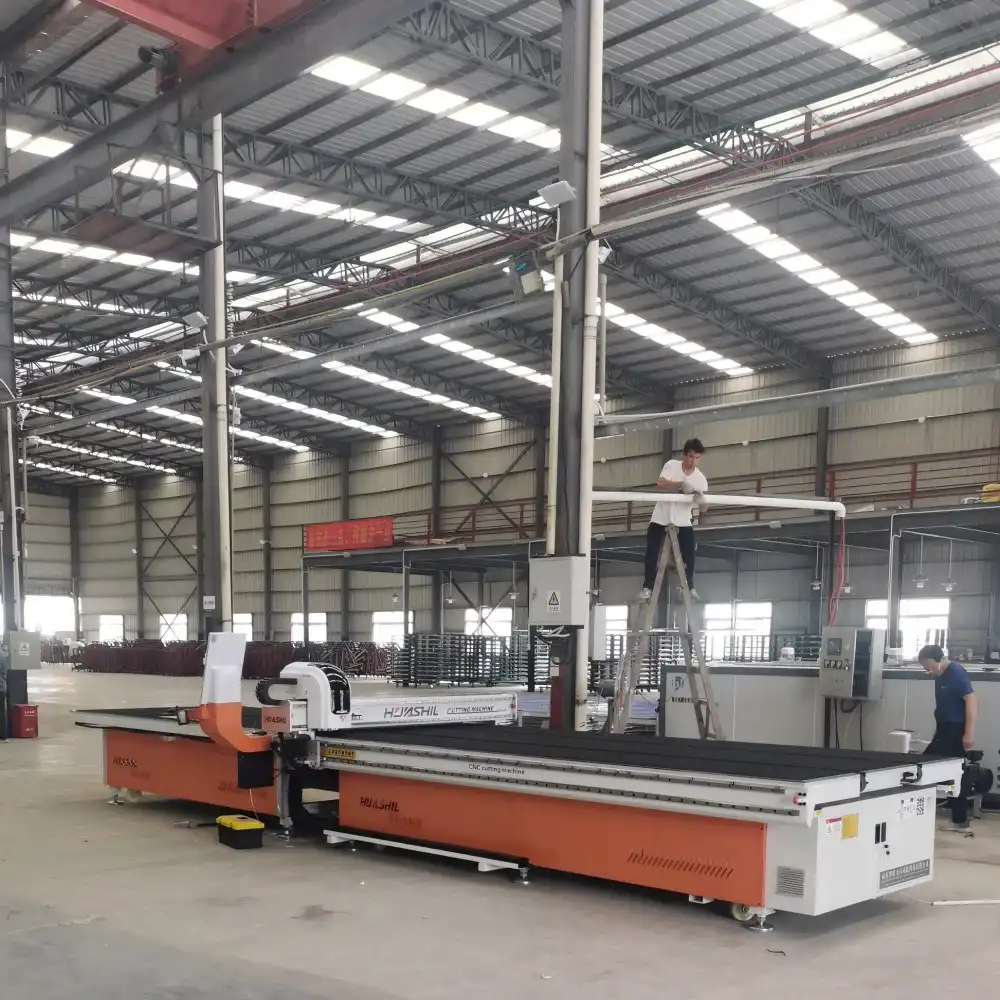
There are many different glass handling options on the market today, each made to fit a specific operation's needs and budget. Knowing the specific features and how well they work in different situations of popular models lets you choose equipment that fits your needs and your budget.
Heavy-Duty Industrial Models
High-capacity glass loading systems are used in large-scale production settings where the most weight can be carried and the system must last for a long time. The load capacities of these units usually go over 1500 kilograms, and they are built to last, even when used continuously in tough circumstances. Large architectural glass panels are often used in commercial building projects. Steel frame construction with reinforced support structures makes it very stable to move these panels.
These models have advanced control systems that allow for exact positioning and automatic height adjustments. These features cut down on setup time and improve operational consistency. Top-of-the-line safety features, like emergency stop systems, overload protection, and built-in warning systems, keep operators safe while keeping output high. These types require big investments in money, but they are very useful for places that work with a lot of heavy glass materials.
Compact Portable Solutions
Small fabrication shops and mobile installation teams that need to be able to move things around easily and save space will benefit from lightweight glass handling tables. These units can usually hold up to 800 kilograms of weight and have small footprints that make them good for places with limited room. They are great for field installation work and temporary production setups because they are easy to set up and take down, thanks to folding parts and quick-release mechanisms.
Even though these models are small, they have important safety features like secure clamping systems and stable base designs that make sure they can be used safely in a variety of working situations. Because these systems aren't as complicated, they need less maintenance and are easier to teach operators on. This makes them good choices for places that don't have a lot of technical support staff or only need to handle glass occasionally.
Versatile Multi-Format Tables
Adjustable glass loading table systems offer more options for a wider range of applications by combining the best features of heavy-duty and compact types. These units are made up of flexible parts that can be put together in different ways to fit different sizes and weights of glass. This makes them ideal for businesses that serve a wide range of customers or have a wide range of products.
Variable configuration choices let you make changes to fit your production needs, and standardized parts make sure that the system works the same way in all setup configurations. These models are good for growing businesses that need tools that can grow with them and adapt to changing needs because they strike a good balance between capacity, portability, and usefulness.
How to Choose the Right Portable Glass Loading Table for Your Business?
For tool selection to work well, operational needs, budget concerns, and long-term business goals must all be carefully thought through. This all-around method makes sure that choices about investments bring long-term benefits while also meeting current production needs and planning for future growth.
Operational Assessment and Requirements Analysis
A good way to choose tools is to carefully look at how things are made now and how much space will be needed in the future. A production volume analysis helps figure out the right load capacity and throughput specs, and a material dimension survey makes sure that the new products will work with the glass that is already in stock and with any planned product expansions. Space limitations and the flow of materials affect how mobile you need to be and how well you can integrate new tools with old ones.
Conditions on the installation site, such as the condition of the floor, the power source, and the temperature and humidity, affect the choice of equipment and how it works. Facilities that work in harsh environments need stronger protection and durability features. On the other hand, climate-controlled settings might value accuracy and the ability to work with other systems over resistance to harsh environments.
Budget Considerations and Total Cost Analysis
A full financial analysis looks at more than just the original purchase price. It also takes into account the costs of installation, training, and ongoing running costs. Long-term ownership costs are greatly affected by maintenance schedules and the availability of spare parts. This is why supplier support skills are significant factors in choosing equipment. Patterns of energy use and improvements in operational efficiency affect operational cost estimates, which in turn affect projections of return on investment.
There are different ways to buy equipment, such as financing choices and leasing agreements, which may work better with your cash flow needs and tax planning strategies. These agreements usually include repair and support services that make it easier to plan operations and give budgeters a better idea of how much things will cost.
Supplier Evaluation and Support Services
The reputation of the vendor and their ability to assist are very important to the performance and operational success of the equipment over its entire lifecycle. Full warranty coverage and quick technical help make sure that there is little downtime and that problems are fixed quickly. The success of execution and the ongoing efficiency of operations are affected by the quality of training programs and documentation.
How quickly and easily spare parts can be delivered has a direct effect on how much equipment can be used and how smoothly operations can continue. For important production environments where equipment downtime costs a lot and hurts customer service, suppliers with established distribution networks and inventory management systems are the best choice.
HUASHIL's Advanced Glass Loading Table Solutions
Shandong Huashil Automation Technology Co., Ltd. has been making things for decades and is a star in innovation. They are now selling glass handling equipment that meets the changing needs of modern glass fabrication facilities. Our all-around approach to designing tools and helping customers makes sure that every installation leads to measurable improvements in safety, efficiency, and the ability to do its job.
Engineering Excellence and Product Innovation
Our designs for glass loading tables use cutting-edge tech and high-quality materials to give you the best performance in even the toughest production settings. Construction from high-strength steel and precise production methods guarantees consistent quality and dependable operation over long service lifetimes. Putting together advanced control systems and safety features shows that we care about keeping operators safe and doing a great job.
Ongoing research and development efforts are aimed at solving new problems in the business and incorporating new technologies that make equipment more useful. Our engineering team works closely with customers to fully understand their unique operational needs and create custom solutions that work best in those particular environments and applications.
Comprehensive Customer Support and Service Excellence
Our dedication to client satisfaction goes far beyond just delivering equipment. It also includes full training, technical support, and maintenance services that make sure equipment works at its best throughout its entire operational lifecycle. Technical experts with a lot of experience help with installation and teach operators on-site, which speeds up the process and makes the most of the equipment from the start.
When service is needed, there is little downtime because technical help is quick to respond and spare parts are easy to find. Our global support network and established logistics partnerships allow us to quickly respond to customer needs, no matter where they are in the world. This gives facilities that work in competitive markets where equipment reliability directly affects customer satisfaction and business success, and peace of mind.
Conclusion
Portable glass loading tables are important purchases for modern glass fabrication shops that want to improve their safety, speed, and ability to do their job. Systematically evaluating practical needs, technical specs, and supplier abilities makes sure that the right equipment is chosen, which gives the company long-term value and a competitive edge. As technology for handling glass keeps improving, facilities that use advanced loading systems set themselves up to succeed in markets that are becoming more demanding while also protecting their most valuable assets: their skilled employees and their high-quality glass goods.
FAQ
Q1: What weight capacity should I consider for my glass loading table?
Weight capacity selection depends primarily on the largest glass panels your facility regularly processes. Architectural glass operations typically require tables supporting 1000-2000 kilograms, while furniture and decorative glass applications often operate effectively with 500-800-kilogram capacity systems. Consider future expansion plans and occasional oversized projects when determining appropriate capacity specifications to ensure equipment remains suitable as business requirements evolve.
Q2: How do portable glass loading tables integrate with automated cutting systems?
Modern glass loading tables feature standardised interface connections and control system compatibility that enables seamless integration with automated cutting equipment. Sensor systems and communication protocols coordinate material positioning and processing sequences, while height adjustment capabilities ensure proper alignment with cutting machine specifications. This integration eliminates manual material handling between stations while maintaining precise positioning accuracy throughout processing operations.
Q3: What safety standards apply to glass loading table operations?
Glass handling equipment must comply with occupational safety regulations, including OSHA standards for material handling equipment and workplace safety requirements. Key safety features include emergency stop systems, overload protection, secure clamping mechanisms, and anti-slip surfaces that prevent accidents during operation. Regular safety training and equipment inspections ensure ongoing compliance while protecting personnel and maintaining safe working environments.
Transform Your Glass Handling Operations with HUASHIL
HUASHIL stands ready to revolutionise your glass fabrication operations with our industry-leading portable glass loading table solutions designed specifically for demanding production environments. As a trusted glass loading table manufacturer, we combine advanced engineering expertise with comprehensive customer support to deliver equipment that exceeds performance expectations while providing exceptional value. Our experienced team welcomes the opportunity to discuss your specific requirements and develop customised solutions that optimise safety, efficiency, and operational capability. Contact our specialists at salescathy@sdhuashil.com to explore how our innovative glass handling systems can transform your production operations and deliver measurable competitive advantages in today's demanding marketplace.
References
1. Glass Manufacturing Industry Council. "Safety Standards and Best Practices for Glass Handling Equipment in Industrial Applications." Industrial Safety Quarterly, 2023.
2. Thompson, Michael R. "Automated Material Handling Systems in Modern Glass Fabrication: Efficiency and Safety Considerations." Journal of Industrial Automation, Vol. 45, No. 3, 2023.
3. International Association of Glass Processors. "Equipment Selection Guidelines for Architectural Glass Manufacturing Facilities." Technical Publication Series, 2023.
4. Roberts, Sarah J. and Chen, Wei-Ming. "Cost-Benefit Analysis of Portable Glass Loading Systems in Commercial Glass Operations." Manufacturing Economics Review, 2023.
5. European Glass Technology Institute. "Integration Protocols for Automated Glass Processing Lines: Standards and Implementation Guidelines." Technical Manual, 2023.
6. Anderson, David K. "Ergonomic Design Principles in Industrial Glass Handling Equipment: Reducing Workplace Injuries Through Better Engineering." Occupational Health and Safety Journal, 2023.