




Round glass grinding machines are specialized pieces of equipment used in the optical industry to get the edges of glass parts used in lenses, optical instruments, and precision devices perfectly smooth. Controlled grinding processes on these high-tech tools give optical manufacturers the perfect surface quality and exact measurements they need. Companies that make glasses, camera lenses, microscope parts, and other optical goods need the round glass grinding machine to do their jobs accurately because accuracy affects how well the products work.
Understanding Round Glass Grinding Machines in the Optical Industry
Through advanced mechanical engineering, round glass grinding machines provide the level of precision required in modern optical manufacturing. Diamond-abrasive rotating grinding wheels in these specialized devices are used to shape and finish curved glass surfaces with accuracy down to the micron level. Gradually taking away material through grinding turns rough glass pieces into perfectly smooth optical parts.
Core Mechanical Principles and Operation
The main way these tools work is by using abrasive action to remove material in a controlled way. In modern round glass grinding machines, there are usually more than one grinding station, and each one does a different job in the finishing process. Modern models have six high-performance grinding motors that make sure all processing sites get the same amount of power. This setup with multiple motors makes sure that the grinding power is always the same and gets rid of vibration problems that could hurt the quality of the surface.
Each grinding station has three specialized grinding wheels that are set up in a way that makes the best flow of material. One rough grinding wheel is used for forming the part at first, one fine grinding wheel is used for precise sizing, and one polishing wheel is used to finish the surface. Depending on the visual needs and properties of the material, different setups may use one rough grinding wheel first, then two fine grinding wheels.
Automation and Control Features
Automated control systems that get rid of human mistakes and make sure the same thing happens over and over again are very important for optical grinding precision. Modern machines have automatic opening and closing systems that are controlled by encoders and place workpieces very precisely. These encoders talk to servo motor systems that control how the material moves during the grinding process.
The opening and closing range can be changed from 0.2 meters at the smallest to 1.5 meters at the largest. This lets different glass sizes fit while keeping the best grinding shape. Servo motor control makes sure that the material moves smoothly and consistently, which keeps the grinding pressure even across the whole glass surface and stops stress from building up in one place.
Machine Types and Production Applications
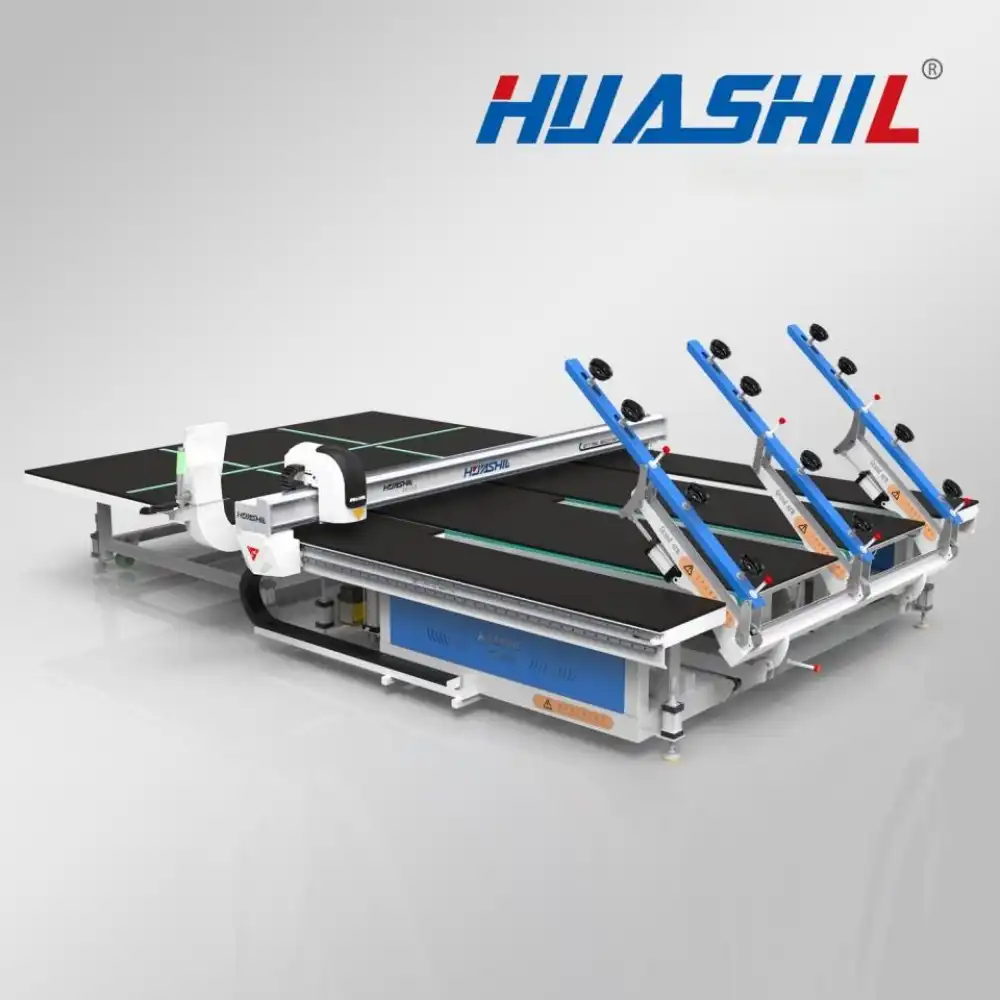
Round glass grinding tools are used for a wide range of optical manufacturing tasks, from making prototypes to making a lot of them. When it comes to custom optical parts and small batches, manual machines are more flexible, while fully automated systems work best in settings where consistency and throughput are very important.
These tools work with different kinds of optical parts, like prescription lenses, camera optics, telescope mirrors, and special types of industrial glass. They are useful in current optical facilities because they can work with different types and thicknesses of glass.
Comparing Round Glass Grinding Machines: Making the Right Choice
To choose the right grinding equipment, you need to know the basic differences between the different types of machines and how they work best for optical purposes. In the decision process, operational needs, production volumes, and quality standards are all looked at to find the best option.
Manual Versus Automated Operation Modes
Manual round glass grinding machines give you a lot of options for custom optical work and making prototypes. Skilled operators can change the grinding parameters in real time to meet special needs and test designs. These tools usually cost less to buy and don't need many changes to the infrastructure to be set up.
When accuracy and volume are very important, automated systems work great in production settings. Programmable logic controls and servo-driven positioning systems work together to make sure that all thousands of parts give the same results. Modern automated tools can work on several pieces at once, which greatly increases throughput while lowering the cost of labor.
Production Capacity and Energy Efficiency
Intelligent power control systems in modern optical grinding machines keep the throughput high while also saving energy. Advanced models have six motors, which evenly spread the electrical load. This lowers the peak power needs while keeping the grinding performance steady.
Production capacity changes a lot depending on the type of glass, the size of the parts, and the quality standards. A lot of optical parts can be processed every hour by high-end tools that keep the surface roughness below 0.1 micrometers. Newer models with better energy efficiency cut running costs by up to 30% compared to older generations of equipment.
Quality Considerations and Surface Finish Capabilities
For optical uses, the surface must be very smooth, which can only be done by precision grinding. Modern machines have monitoring systems that keep an eye on the state of the grinding wheels, the flow of coolant, and the accuracy of the measurements throughout the process. These monitoring tools allow for planned maintenance and make sure that the quality of the result is always the same.
How smooth the surface is relies on the type of grinding wheel used, the chemistry of the coolant, and how rigid the machine is. Premium machines get finishes that look like mirrors with little damage to the surface, which is important for visual performance. Professional-grade equipment is different from regular glass processing tools because it can keep up these quality standards over long production runs.
Procurement and Supplier Insights for B2B Buyers
To buy optical grinding equipment successfully, you need to know what the suppliers can do, how they can help you, and how long they will back you. The purchase of precision grinding equipment is a big capital expenditure that will have an effect on production for a long time.
Sourcing Channels and Supplier Evaluation
Finding manufacturers who focus on optical uses rather than general glass processing is the first step to reliable sourcing. Established suppliers usually have a lot of technical information, quality methods that are certified, and a history of making optical products. At trade shows, you can see tools in person and compare different technologies, which is very helpful.
Online platforms and business-to-business (B2B) marketplaces make it easy to find many suppliers, but working directly with manufacturers often gives you better technical help and more customization options. Regional distributors may offer better local service, while direct ties with manufacturers may save you money and make it easier to get upgrades and changes.
Investment Optimization and Total Cost Considerations
Smart procurement includes more than just the price of the original purchase. It also includes the costs of setup, training, maintenance, and running the equipment over its entire lifecycle. A full evaluation looks at how much power is used, how much the tools cost, and how much output is expected to rise, which makes the investment worth it.
Small businesses can save money by buying used round glass grinding machine equipment, but buyers need to carefully check the condition of the machines, see if there is any help available, and figure out how long they will still be useful. Companies that are opening more than one site or need the same equipment specifications in all of them may benefit from wholesale purchasing agreements.
Customization and After-Sales Support
For optical uses, standard machines often can't handle the unique setups that are needed. Leading makers offer a wide range of customization options, such as different arrangements for the grinding wheels and workholding systems made to fit specific part shapes.
Technical training, preventative maintenance programs, and quick access to extra parts are all parts of full after-sales support. Because optical grinding equipment is so complicated, it needs ongoing manufacturer help to keep up with quality and production standards.
Technological Advances and Safety in Round Glass Grinding
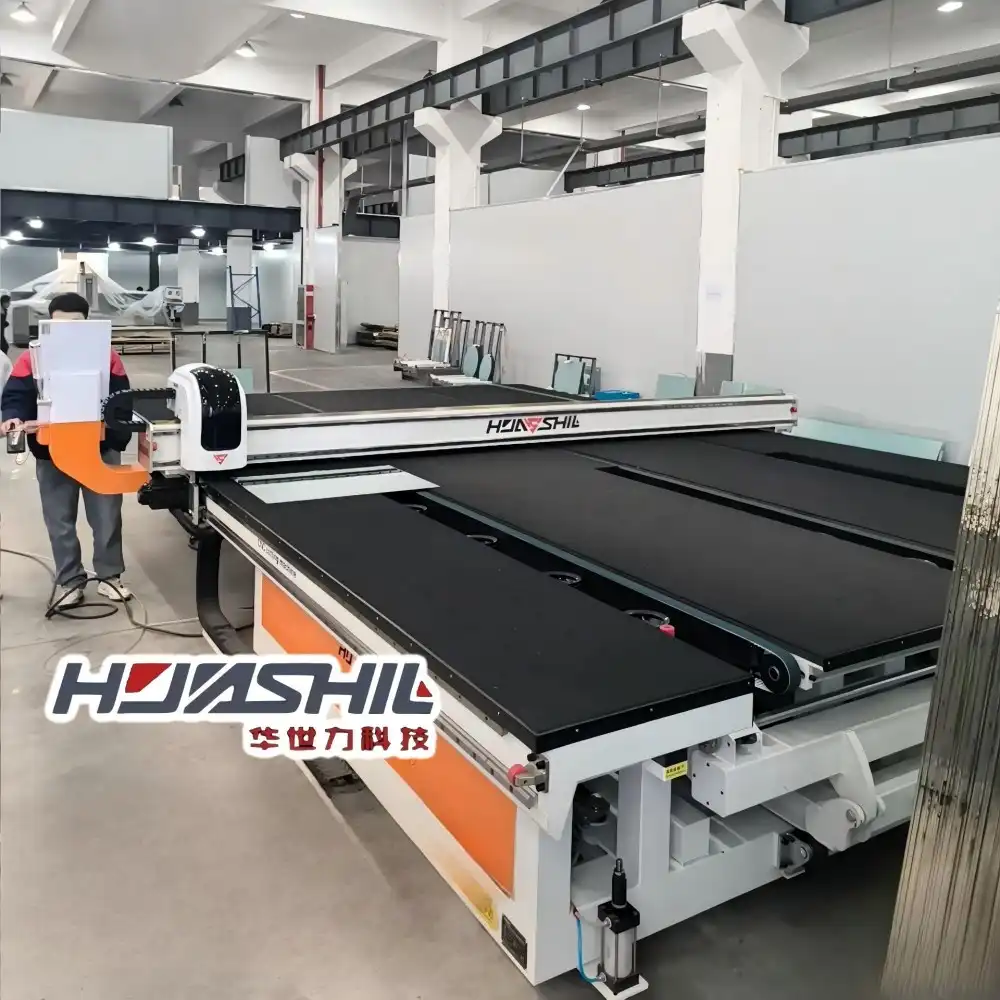
Optical grinding used to be mostly done by hand, but new technologies have changed it into a highly automated, precise production process. These improvements make things safer and more productive, and they also open up new ways to make optical parts.
Innovation in Automation and Integration
Modern grinding tools work well with larger systems that run manufacturing, giving real-time information about production and quality. Connecting things to the internet lets you watch them from afar and do preventative maintenance, which cuts down on unplanned downtime.
As technology gets better, adaptive grinding controls are added to the round glass grinding machine that change parameters automatically based on feedback from sensors that watch the process in real time. These systems fix issues like worn-out tools, different materials, and changes in the surroundings without the operator having to do anything. This keeps the quality high during long production runs.
Safety Standards and Operator Protection
For optical grinding jobs that use spinning equipment, rough materials, and coolants that could be dangerous, it is important to take a lot of safety precautions. Modern machines have many safety interlocks, emergency stop systems, and enclosed grinding areas that keep workers away from noise and grinding debris.
International safety standards, like CE marking and OSHA compliance, make sure that equipment meets very strict safety standards. The right training programs teach operators how to use tools safely and get the most out of them over time.
Troubleshooting and Maintenance Best Practices
To effectively troubleshoot, you need to know how the factors of the grinding process affect common quality problems. Systematic diagnostic methods help quickly find the root causes, which keeps quality standards high and production running smoothly.
Schedules for preventive maintenance that are based on working hours and production volumes help keep equipment from breaking down when it's least expected and make it last longer. Calibration of measurement and control systems regularly keeps them accurate and stops quality from changing over time.
Company Introduction and Product Solutions
It is well known that Shandong Huashil Automation Technology Co., Ltd is a top high-tech company that designs, builds, and sells automated mechanical tools all over the world. With many years of experience in both production and export, we have become a trusted partner for businesses around the world that need advanced glass processing solutions.
Advanced Technology and Manufacturing Excellence
Our dedication to new ideas keeps laser grinding technology getting better. The cutting-edge features in the advanced round glass grinding machines we make include six precise grinding motors and complex automation systems managed by encoders. Because of these technological benefits, our equipment can meet the high standards for accuracy and dependability that are needed in optical manufacturing.
Our factories use certified methods and high-tech quality control systems to make sure that all of our products always work well. When you combine modern production methods with traditional craftsmanship, you get equipment that is both technologically advanced and reliable in use.
Customization Capabilities and Service Excellence
Because we know that optical uses often need unique solutions, we offer full customization services that are tailored to each customer's needs. Our tech team works closely with clients to come up with new configurations that meet their specific processing needs while still meeting our high-quality standards.
The full service package includes help with installation, training for operators, and ongoing technology support to make sure customers get the most out of their investment. Our global service network offers quick help that keeps production going and cuts down on downtime.
Customer Success and Industry Recognition
Our foreign customers have used our grinding solutions successfully in a wide range of optical applications, as shown in case studies. Companies say that after using our equipment, their general manufacturing capabilities, quality consistency, and production efficiency all got a lot better.
Our name, which we've built over decades of successful installations, shows how committed we are to both customer satisfaction and technological excellence. Because of our track record, businesses that need reliable, high-performance optical grinding solutions choose us over others.
Conclusion
Round glass grinding machines have changed over time into highly advanced, precise tools that make it possible for modern optical making. When advanced automation, multi-motor configurations, and clever control systems are all put together, they make equipment that is both very high quality and very productive. To be good at procurement, you need to know about the technical requirements, the supplier's skills, and the long-term support needs that will keep the manufacturing quality high. Companies that buy high-quality grinding equipment from well-known brands set themselves up for long-term success in the tough optical market. The latest technological advances and manufacturing know-how give optical makers chances to reach their quality and productivity goals that have never been seen before.
FAQ
Q1: What factors determine grinding precision in optical applications?
Grinding precision depends on multiple interconnected factors, including machine rigidity, grinding wheel quality, and control system accuracy. The mechanical design of the machine frame and grinding spindles must minimize vibration and deflection during operation. High-quality diamond grinding wheels maintain consistent cutting geometry throughout their service life, while precise control systems ensure repeatable positioning and feed rates. Environmental factors such as temperature stability and vibration isolation also significantly impact achievable precision levels.
Q2: How can I extend the service life of my grinding equipment?
Regular maintenance schedules focusing on lubrication, alignment checks, and grinding wheel condition monitoring significantly extend equipment life. Proper coolant management prevents contamination and maintains optimal cutting conditions. Operator training ensures correct usage procedures that avoid unnecessary stress on machine components. Keeping detailed maintenance records helps identify patterns and optimize service intervals based on actual operating conditions rather than arbitrary time schedules.
Q3: What safety protocols are essential for optical grinding operations?
Comprehensive safety protocols include mandatory personal protective equipment such as safety glasses and appropriate clothing. Machine guards and interlocks must remain functional and properly adjusted at all times. Emergency stop procedures should be clearly posted and regularly practiced by all operators. Proper ventilation systems manage airborne particles and coolant vapors that could pose health risks. Regular safety training updates ensure operators remain aware of potential hazards and proper response procedures.
Partner with HUASHIL for Superior Optical Grinding Solutions
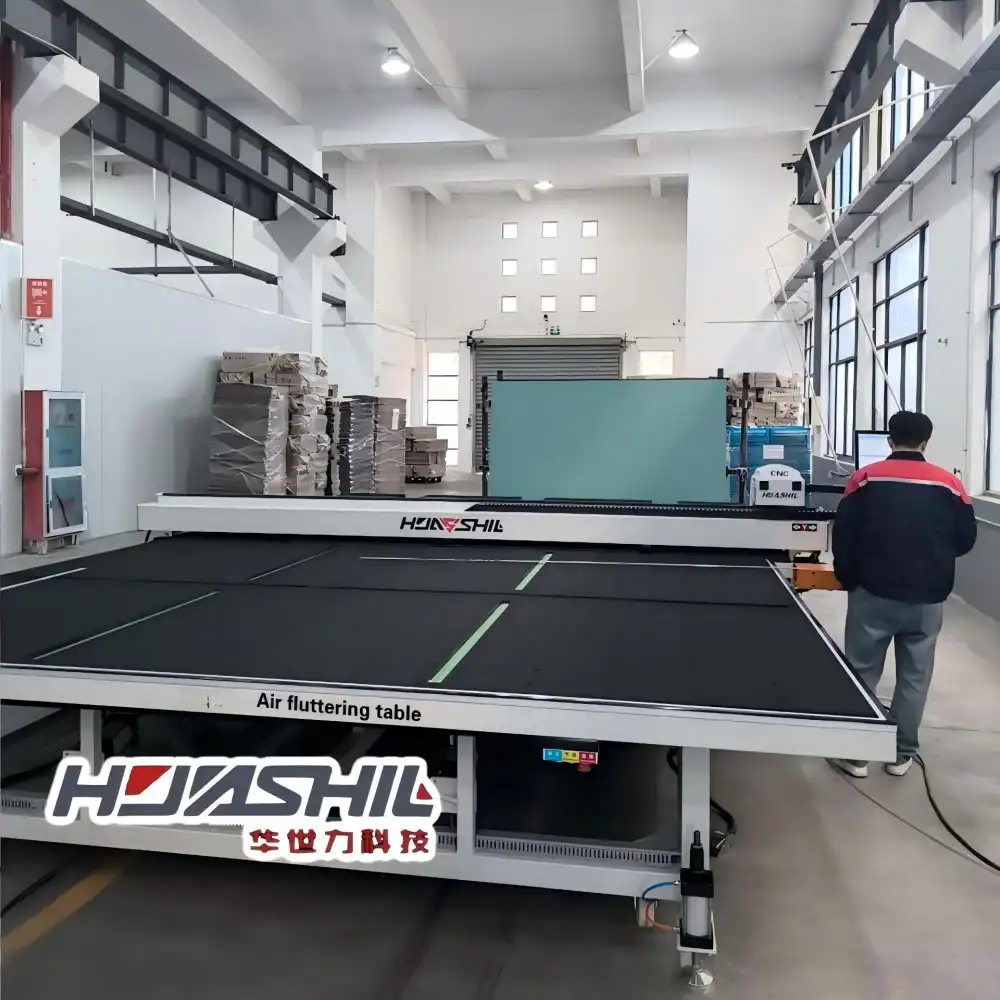
Advancing your optical manufacturing capabilities requires partnering with a proven round glass grinding machine manufacturer who understands precision requirements and production demands. HUASHIL combines decades of manufacturing expertise with cutting-edge technology to deliver grinding solutions that exceed industry standards. Our commitment to excellence extends beyond equipment delivery to include comprehensive training, technical support, and customization services that ensure your success. Contact our technical team at salescathy@sdhuashil.com to discuss your specific requirements and discover how our advanced grinding machines can transform your optical manufacturing operations.
References
1. International Journal of Advanced Manufacturing Technology: Precision Grinding Techniques for Optical Component Manufacturing, Volume 127, 2023.
2. Optical Manufacturing and Testing Conference Proceedings: Advances in Automated Glass Processing Equipment, SPIE Publications, 2024.
3. Journal of Materials Processing Technology: Surface Quality Analysis in Diamond Wheel Grinding of Optical Glass, Elsevier, 2023.
4. Precision Engineering International: Servo Control Systems in Glass Processing Machinery, Taylor & Francis, 2024.
5. Manufacturing Technology Review: Energy Efficiency Improvements in Industrial Grinding Operations, Industrial Press, 2023.
6. International Glass Manufacturing Standards: Safety Requirements for Automated Glass Processing Equipment, ISO Technical Committee 160, 2024.