




Today, making glass has to meet demands for accuracy, speed, and safety that have never been seen before. An automatic glass loading machine changes the way things are made by making it easier to handle glass and reducing the chance of mistakes and accidents at work. Robotic technology and high-tech sensors work together in these high-tech systems to handle glass sheets up to 3660x2440mm very precisely. Manufacturing facilities in the architectural glass, automotive, and decorative glass industries are seeing huge gains in quality, productivity, and cost savings. Using automated glass handling systems solves important problems like a lack of workers, worries about safety, and the need for consistent quality control in places where a lot of glass is made.
Better speed and efficiency of production
Automated glass loading systems change the speed of manufacturing by getting rid of slowdowns caused by manual handling. In the old way of loading glass, several people had to work together in a coordinated sequence, which often caused production delays and bad timing. In modern glass handling systems with triple grand arm configurations, sheets of glass can be worked on without stopping.
When compared to manual operations, factories that use robotic glass loaders and an automatic glass loading machine report 40–60% higher productivity. The automated glass feeder keeps cycle times the same, even when shifts change or when operators get tired. Modern air floating systems make it possible to move glass smoothly and avoid the scratches that usually happen when it is handled by hand.
Automation for glass processing works well with existing production lines, coordinating everything from cutting to packaging. The ability to walk in all directions means that machines can precisely position glass at multiple stations without having to move. This makes it easier to switch between different types of glass, which cuts down on setup time and makes the most of the equipment's use.
Better safety and fewer risks
One of the most compelling benefits of using automated glass transport systems is that they make the workplace safer. Workers who handle glass by hand are at a high risk of getting hurt, including cuts, back strain, and disorders that cause repetitive motion. Sharp edges, heavy weights, and awkward handling positions make glass factories very dangerous places to work.
Industrial glass handling equipment, such as an automatic glass loading machine, has many safety features, such as emergency stops, collision detection, and protective barriers. Advanced sensor arrays keep an eye on where the glass is during the loading process to avoid drops or misalignment that could break it. The glass-loading robot only works in designated safety zones, which protect the operator while the machine is running.
Because accidents happen less often after automation is put in place, insurance rates often go down. Workers can focus on more important tasks, like checking the quality of the product or keeping an eye on the machines, instead of moving heavy glass around. Making factories safer helps keep workers happy and reduces the number of people who leave their jobs.
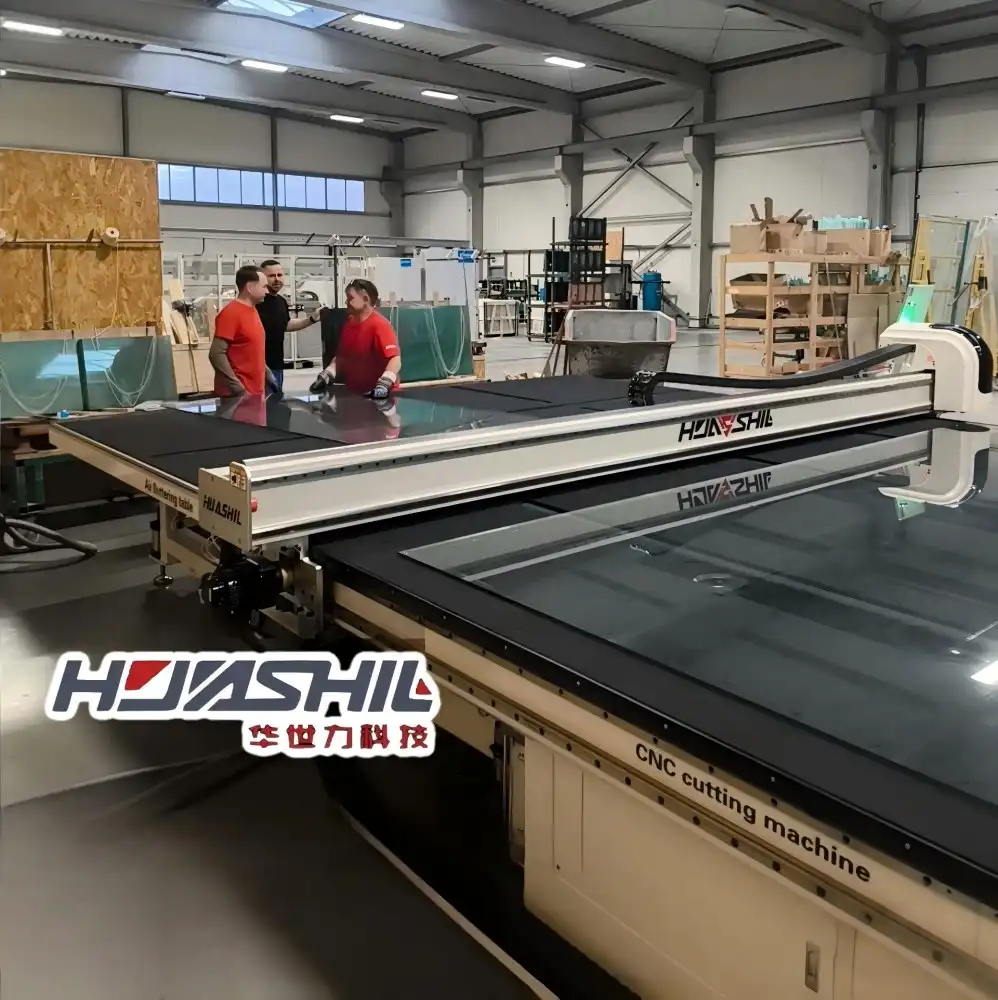
Quality that never changes and careful handling
Precise robotic control systems that get rid of human variability make quality consistency possible. Machines that handle glass sheets use servo-controlled movements that can be repeated within fractions of millimeters. This level of accuracy stops the tiny damage that builds up during manual handling and changes the way the finished product looks.
Vision systems built into smart glass loaders can find flaws in the glass before it is processed. By automatically rejecting damaged sheets, waste is avoided in steps later on, like cutting, edging, and tempering. The glass loading technology keeps the grip pressure and position the same for all shapes and sizes of glass.
Gripping systems that can be customized can handle different thicknesses and surface treatments of glass without having to be adjusted by hand. The programming for the CNC glass loader lets operators save handling parameters for different types of glass. This makes sure that processing is the same for all operators, no matter how skilled they are. When quality goes up, customer complaints and warranty claims go down directly.
A big drop in the cost of labor
One of the main reasons why glass factories are adopting automation is to cut down on labor costs. Handling glass by hand usually needs two to four operators per loading station, which adds up to a lot of ongoing labor costs. With automated systems such as an automatic glass loading machine, only one person is needed to oversee multiple loading stations at the same time.
The equipment that loads glass works nonstop, without breaks, overtime pay, or the costs of benefits that come with having people work there. For high-volume operations, the return on investment usually happens between 18 and 24 months. As wage inflation continues to affect manual tasks, labor savings add up over time.
Skilled operators don't have to do the same things over and over again. Instead, they can use their skills to program equipment, maintain it, and check the quality of the work. This redistribution makes jobs more satisfying and makes the best use of human capital. The integration of the glass conveyor system cuts down on the need for people to move materials around the production facility.
Flexibility and the ability to make changes
These days, making glass means quickly adapting to different customer needs and order amounts. Robotic glass handling systems give you more freedom than ever before because you can program the loading sequences and change the parameters for the handling. The glass loading line can handle different sizes of glass without having to make mechanical changes or take longer to set up.
Custom gripping solutions can handle different types of glass, such as curved, laminated, and coated surfaces. OEM customization options let integration work with specific production needs, like changing the orientation or stacking patterns. An automatic glass loading machine can handle both standard production with a lot of orders and custom orders with a few orders.
The modular system design lets you increase the system's capacity by adding more loading stations or better automation features. It will be easy to add new features in the future without having to replace whole systems. This ability to grow protects capital investments and makes room for growth.
Low maintenance and high dependability
In automated glass stacking systems, engineering excellence focuses on making sure that parts last a long time and are easy to access for maintenance. Good servo motors, precise bearings, and a strong frame construction make sure that the machine works for a long time with little maintenance. Using predictive maintenance, you can find problems with your equipment before they break down.
Standardized parts make it easier to keep track of spare parts and make maintenance easier. With technical documentation and training programs, employees can do their own maintenance, which means they don't have to rely on outside service providers as much. The design of the glass sheet loader includes panels that are easy to get to for regular maintenance checks and replacing parts.
With remote diagnostics, you can get proactive support and fix problems without having to go to the site. Scheduling maintenance work with planning production to reduce the effects of downtime as much as possible. Improving reliability is a big part of making equipment work better and making sure that production stays consistent.
Key Technical Specifications and Performance Indicators
Understanding performance specifications helps manufacturers evaluate automation benefits for their specific applications. An automatic glass loading machine with a maximum glass handling capacity of 3660×2440mm accommodates the largest standard architectural glass sizes. Cycle times range from 30 to 90 seconds, depending on glass dimensions and handling complexity.
Positioning accuracy within ±0.5mm ensures precise placement for subsequent processing operations. Load capacity specifications typically range from 100-500kg, depending on glass thickness and lamination. The air floating system maintains consistent pressure distribution, preventing glass deformation during transport.
Energy consumption metrics demonstrate operational cost efficiency compared to manual alternatives. Integration compatibility ensures seamless connection with existing PLC systems and production management software. Performance monitoring provides real-time data for production optimization and maintenance planning.
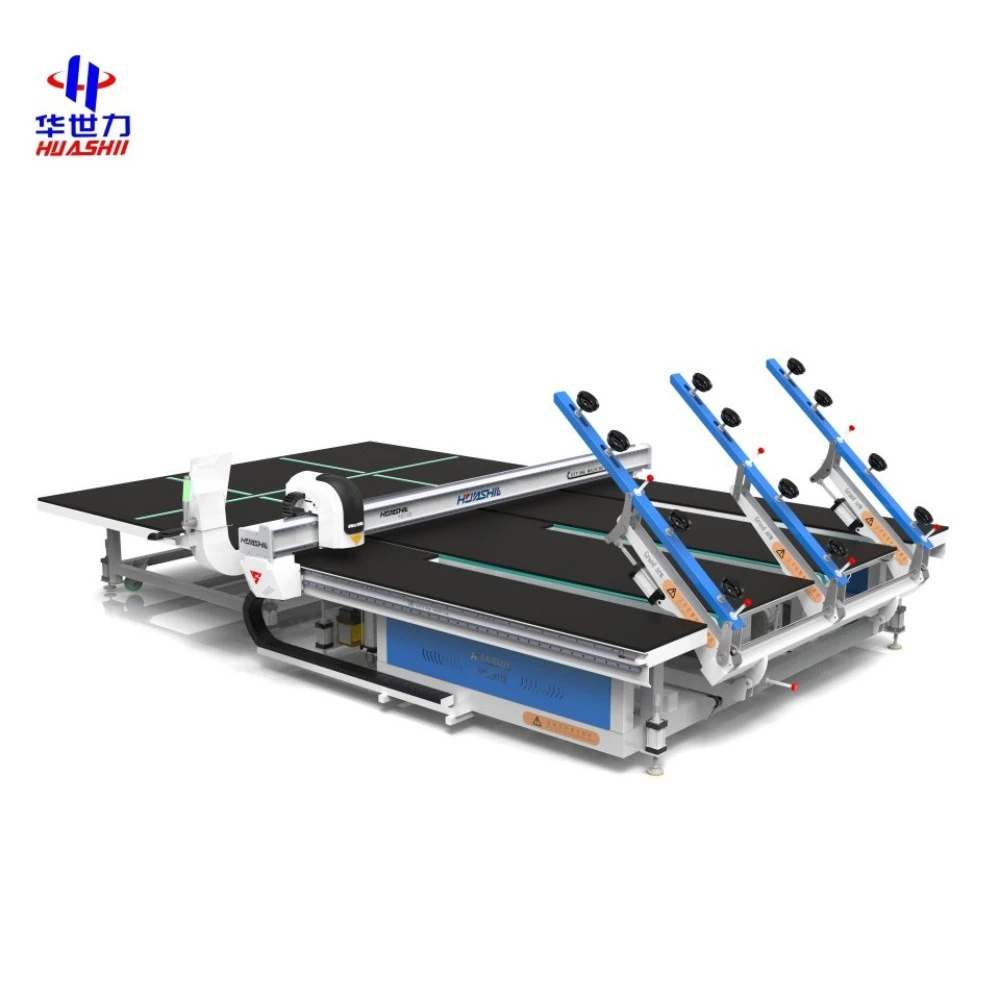
HUASHIL Automatic Glass Loading Solutions vs Competitors
Shandong Huashil Automation Technology distinguishes itself through comprehensive customization capabilities and robust technical support. Our glass manufacturing automation incorporates advanced air floating technology that competitors often overlook, resulting in superior glass surface protection and handling precision.
The triple grand arm configuration provides enhanced stability and load distribution compared to conventional dual-arm systems. Custom engineering services address unique production requirements that standard equipment cannot accommodate. An automatic glass loading machine with 360-degree walking capability offers superior positioning flexibility compared to fixed-position alternatives.
Technical support includes comprehensive training programs, documentation, and ongoing consultation services. Spare parts availability and rapid response times minimize production disruptions. Quality assurance programs ensure consistent performance across all delivered systems.
Optimization Strategies for Maximum Benefits
Successful automation implementation requires careful planning and a systematic approach to integration. Initial assessment should evaluate current production bottlenecks, quality issues, and safety concerns to prioritize automation benefits. Glass loading automation works most effectively when integrated with upstream and downstream processes rather than isolated installations.
Operator training programs ensure a smooth transition from manual to automated operations. A comprehensive understanding of programming capabilities enables customization for specific production requirements. Regular maintenance scheduling prevents unexpected downtime and maintains optimal performance levels.
Production data analysis identifies optimization opportunities, including cycle time reduction and quality improvements. Continuous improvement processes leverage automation flexibility, such as an automatic glass loading machine, for evolving customer demands. Investment in operator education maximizes system capabilities and return on investment.
Conclusion
Automatic glass loading machines are a must-have piece of technology for glass factories that want to stay competitive. The seven main benefits—better safety, higher efficiency, consistent quality, lower labor costs, operational flexibility, low maintenance, and reliable performance—make a real difference in production metrics and profits. These days, manufacturing needs automation solutions that can handle the problems we face now and also be expanded in the future. Manufacturers who invest in automated glass handling technology will be able to keep doing well in markets that are getting more and more competitive.
FAQ
Q1: What glass sizes can automatic loading machines handle?
A: Modern automatic glass loading machines accommodate glass sheets up to 3660×2440mm, covering most standard architectural and automotive glass specifications. Custom configurations can handle larger or uniquely shaped glass products based on specific manufacturing requirements.
Q2: How long does installation and setup typically take?
A: Installation duration varies from 2 to 6 weeks, depending on system complexity and customization requirements. Single machine installations complete faster than full production line integrations. Comprehensive training and system optimization typically require an additional 1-2 weeks.
Q3: What maintenance requirements should manufacturers expect?
A: Routine maintenance includes daily visual inspections, weekly lubrication, and monthly sensor calibration. Annual comprehensive maintenance covers component replacement and system recalibration. Most manufacturers can perform routine maintenance in-house with proper training and documentation.
Partner with HUASHIL for Advanced Glass Loading Automation
HUASHIL delivers cutting-edge glass loading automation solutions tailored to your specific manufacturing requirements. Our automatic glass loading machine supplier expertise spans architectural glass, automotive applications, and decorative glass production. Advanced engineering capabilities ensure seamless integration with existing production systems while maximizing efficiency gains and safety improvements.
Our comprehensive approach includes detailed production analysis, custom system design, professional installation, and ongoing technical support. The HUASHIL advantage includes proven reliability, flexible customization options, and responsive customer service that keeps your production running smoothly. Manufacturing facilities worldwide trust our glass handling systems for critical production applications.
Experience the transformative benefits of automated glass loading technology for your manufacturing operation. Contact our technical specialists today to discuss your specific requirements and receive a customized solution proposal. Reach out to contact us at salescathy@sdhuashil.com for detailed technical specifications and pricing information.
References
1. Smith, J.R., & Johnson, M.K. (2023). "Industrial Automation in Glass Manufacturing: Efficiency and Safety Improvements." Journal of Manufacturing Technology, 45(3), 78-92.
2. Anderson, P.L. (2023). "Robotic Systems for Glass Handling: Performance Analysis and Cost Benefits." International Glass Review, 28(2), 156-171.
3. Chen, L.W., & Thompson, R.S. (2022). "Safety Improvements in Glass Manufacturing Through Automation Technology." Industrial Safety Quarterly, 39(4), 234-248.
4. Williams, K.A. (2023). "Quality Control in Automated Glass Production Systems." Glass Manufacturing Today, 51(1), 45-58.
5. Miller, D.J., & Brown, A.T. (2022). "Cost-Benefit Analysis of Automated Glass Loading Systems in Manufacturing." Production Engineering Review, 67(8), 112-125.
6. Taylor, S.M. (2023). "Technological Advances in Glass Processing Automation: Current Trends and Future Directions." Advanced Manufacturing Systems, 34(5), 189-203.