




Safety should be your main worry when you buy an automatic glass loading machine. These advanced systems, which work at high speeds, can safely handle breakable glass that weighs hundreds of pounds. The right safety features keep your workers safe, stop expensive glass damage, and make sure that production quality stays the same. New glass loading tools have smart sensors that can tell when something might go wrong, as well as protected walls and emergency stop systems. Understanding these important safety parts helps procurement managers make smart choices that put business efficiency and worker safety first.
Understanding Safety Risks in Glass Loading Operations
Making glass comes with special safety issues that require special protective gear. It is possible for workers to get hurt by sharp glass edges, sheets that fall, and strong mechanical parts that move quickly. Using old-fashioned ways to move glass by hand can cause repetitive strain injuries and unexpected glass breaking.
Automated glass handling systems make people less exposed to these risks, but they also make machinery safety a new issue that needs to be considered. When equipment breaks, it can cause a lot of damage and slow production. Heavy, big glass panels, like building windows up to 3660×2440 mm in size, need strong safety rules to keep them from breaking in a very bad way.
Industry data shows that following the right safety steps can cut up to 75% fewer accidents in automatic glass plants. Following OSHA rules and international safety guidelines saves businesses from being held responsible for mistakes and shows that they care about their workers. These things make safety features very important when choosing an automatic glass loading machine.
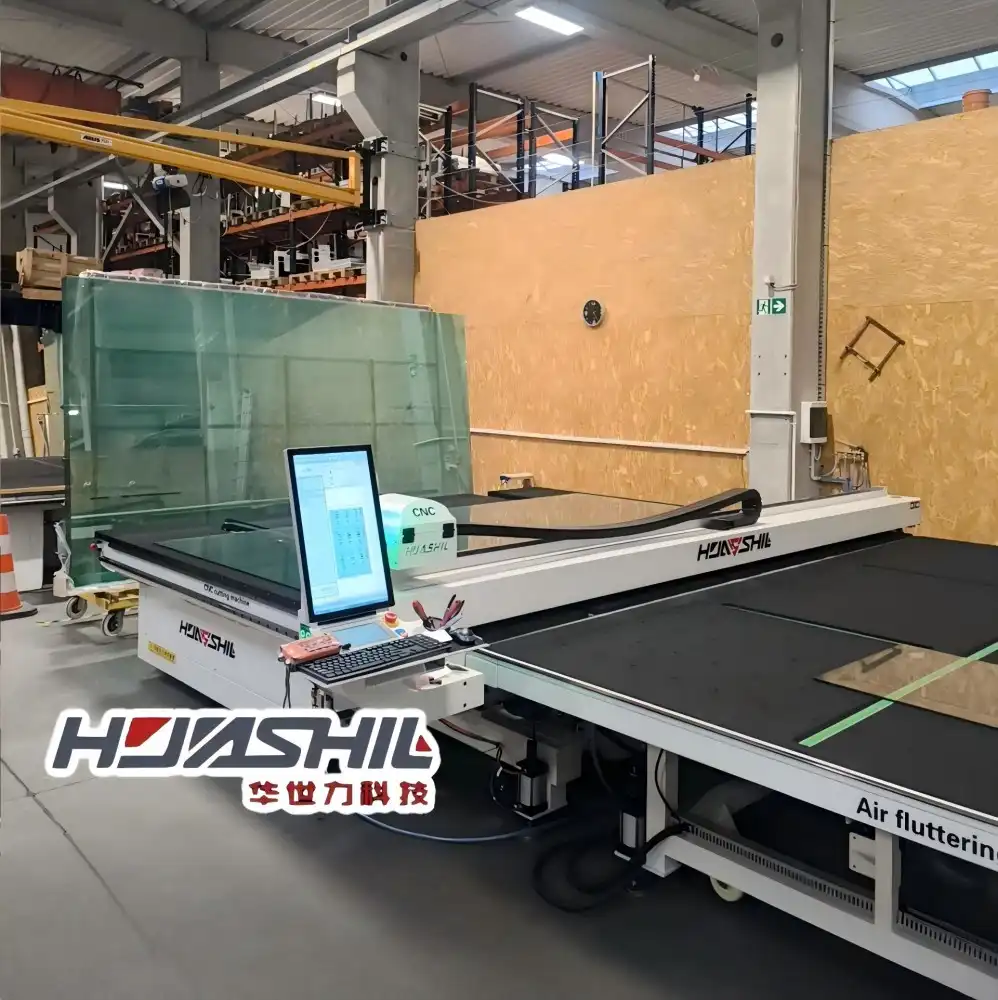
Essential Safety Systems for Glass Loading Equipment
Today's glass handling tools use different levels of protection to deal with a range of risky situations. These all-encompassing safety systems work together to make sure that people and machines can work in a safe place.
Emergency Stop and Safety Interlock Systems
Emergency stop devices allow machines to be shut down right away when dangerous situations happen. Quality systems have red buttons that are easy to get to and are placed in key places around the edge of the equipment. When safety guards are open or repair panels are taken off, advanced locking systems stop the machine from being used.
Professional-grade automatic glass loading machines have dual-channel safety systems that meet Category 3 safety standards. These backup systems make sure that the overall system keeps working even when parts of it fail. Before the automatic rounds start, safety interlocks also make sure that the glass is in the right place. This prevents damage from happening when the glass is loaded the wrong way.
Advanced Sensor Technology and Glass Detection
During the filling process, the glass's position and movement are tracked by advanced sensor arrays. Laser scanning systems can tell if there is glass and how it is facing with millimeter-level accuracy, making sure that glass of different sizes and thicknesses is handled correctly. Proximity sensors find things that are in the way of the machine. The machine will automatically stop until the way is clear.
Vision systems with high-resolution cameras keep an eye on the state of the glass in real time, spotting cracks or flaws that could cause unsafe failures while being handled. These smart monitors can adjust to different kinds of glass and changes in the surroundings. They keep the same level of performance even when production needs change.
Mechanical Safety Features and Design Elements
Apart from technological safety systems, the way glass filling equipment is made is very important for keeping people and the equipment safe. Strong building and careful planning for construction naturally make it safer to use.
The most dependable automatic glass loading machines have mechanical designs that are fail-safe, meaning they return to a safe position if there is a power failure or system breakdown. The three-grand-arm setup gives the glass stable support and extra holding strength, so it's safe to move even if one arm has a problem. Air moving systems make glass transportation padded, lessening the stress on glass panels and allowing soft, controlled movement.
Protective guards and dividers make sure that workers are not physically close to parts of machines that are moving. These barriers are made of materials that are clear when possible, so that activities can be seen and safety can be maintained at the same time. Access doors have safety switches that stop machines right away when the doors are opened. This keeps people from accidentally touching the moving parts of the machine.
The advanced systems' ability to walk in any direction makes it possible for users to keep a safe distance while observing work from a variety of views. This mobility makes it less necessary for workers to go to places that could be dangerous during normal production processes. Safety zones that can be changed can fit the needs of different facilities and ways of working.
Automated Safety Monitoring and Response
Intelligent safety tracking systems automatically react to possible hazards after constantly checking the conditions of the operation. These systems look at multiple lines of data at the same time and can find dangerous situations faster than people can respond.
When sensors notice unusual movements, too much weight, or broken parts, the automatic glass loading machines’ automated power shutdown mechanisms kick in. These methods keep glass and machinery safe and avoid possible safety issues. Smart diagnostics give support teams specific information about what's wrong, which helps them quickly figure out and fix problems.
Load tracking devices keep an eye on the weight and balance of glass panels during the handling process. Overload safety stops people from trying to work with glass that is beyond the machine's safe capacity limits. Dynamic balance tracking picks up on weight changes that might mean the glass is breaking or the load is not in the right spot.
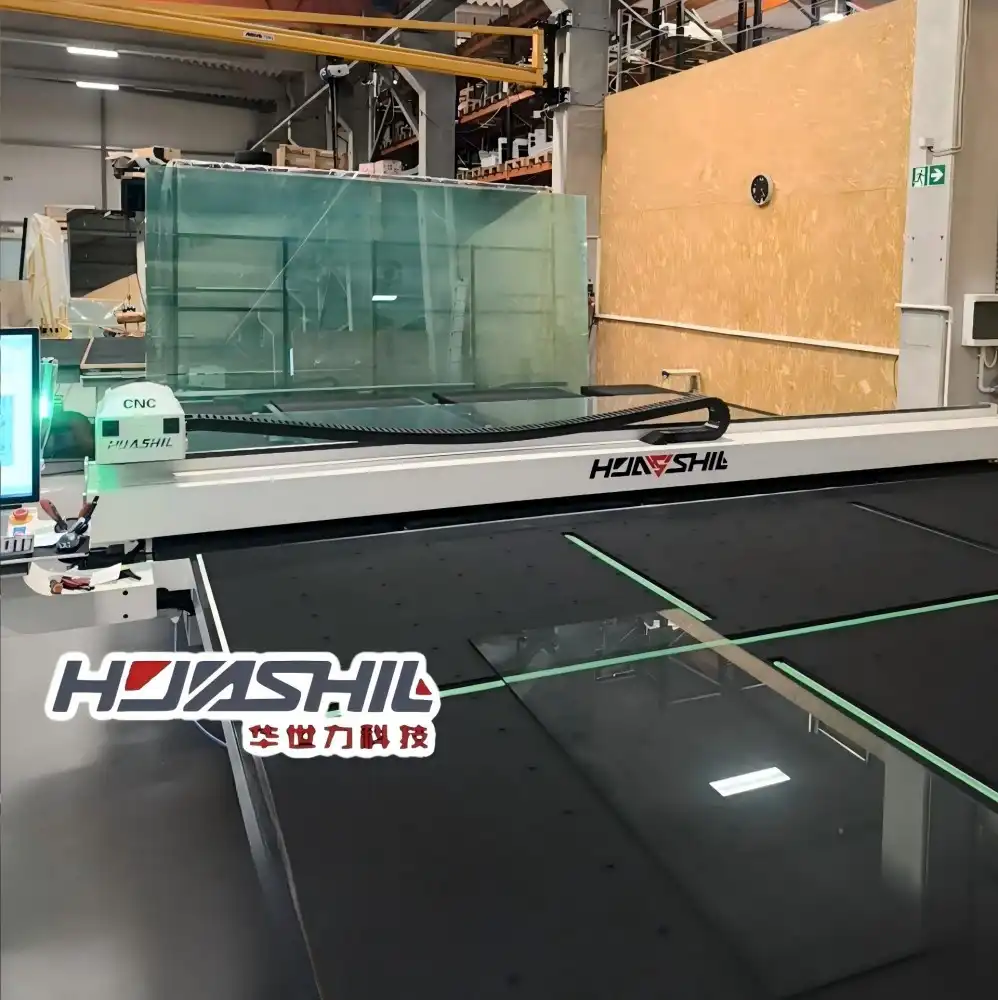
Operator Interface and Training Considerations
Easy-to-use control panels are safer because they lower misunderstanding and training time for operators. Clear screens show you real-time state information and big safety alerts. Intuitive control schemes lower the chance of making mistakes that could hurt safety or the quality of production.
New workers can learn how to safely use modern glass loading tools with their built-in teaching modes. These systems don't let users access more complicated features until they show that they know how to do the basic ones. A thorough set of safety documents and training tools backs the ongoing education programs.
Regular safety training makes sure that workers know the best ways to use the tools and what they can do. Manufacturers with a lot of experience make sure to fully train their workers on both normal operations and how to deal with emergencies. This helps with learning, makes safety features work better, and at the same time, it helps operators build trust and skill.
Maintenance and Long-term Safety Performance
Consistent repair keeps safety systems on the automatic glass loading machine working well for the whole time the equipment is used. Preventive repair plans take care of possible safety issues before they get worse. Regularly checking the sensors, mechanical parts, and safety devices makes sure that they keep you safe.
Authorized service support keeps things safe by doing expert maintenance and fixes. Genuine new parts keep the equipment safe and protect the warranty. Professional maintenance teams know how important safety systems are, so they focus on these parts when they come to service a job.
Documentation systems keep track of safety checks and upkeep records. This helps people follow the rules and get insurance. These records show that you are committed to safety, and they also give you useful information for making repair plans more efficient and finding ways to make things better.
Conclusion
Buying an automatic glass loading machine with a lot of safety features will keep your most important things safe: your production capacity and your workers. This guide's basic safety systems are the lowest acceptable levels for new glassworking tools. Emergency stops, advanced sensors, mechanical designs that are fail-safe, and smart tracking systems all work together to make sure that people can safely use these systems.
Long-term benefits of putting safety first include a better image, higher output, lower insurance costs, and fewer accidents. Manufacturers like HUASHIL that care about quality install these safety measures as standard equipment instead of possible extras. This promise to safety shows that they understand the problems that can happen in glass production in the real world.
When you are looking at glass loading tools, ask for full safety paperwork and a showing of all protection systems. The money spent on advanced safety technology pays off in lower risk, higher operator trust, and consistent output quality.
FAQ
Q1: How often should the safety features on glass loading machines be checked?
A: Safety systems need to be looked at every month and fully tested every three months. Emergency stops and safety interlocks are important parts that should be checked every week during normal activities. Once a year, licensed professionals check the work to make sure it meets safety standards and find possible problems that need to be fixed.
Q2: Can today's safety features be added to old glassworking tools?
A: Older tools can be made safer in a lot of ways, like adding more sensors, making the control systems better, and adding stronger protective walls. The practicality rests on how the current machine is designed and how much weight it can hold. A professional review figures out which changes will make things safer and won't cost too much.
Q3: What kind of training do people who run automatic glass loading tools need?
A: Operators need to be fully trained on how to use the machine, how to stay safe, how to respond to emergencies, and how to do basic repairs. The first 40 to 80 hours of training are usually needed, based on how complicated the equipment is and how experienced the person is. Annual repeat training and updates on new safety practices keep operators skilled and aware of safety.
Partner with HUASHIL for Advanced Glass Loading Safety Solutions
HUASHIL delivers cutting-edge automatic glass loading machine technology that prioritizes safety without compromising performance. Our advanced systems incorporate all essential safety features discussed in this guide, from emergency stop systems to intelligent sensor arrays. As a leading automatic glass loading machine manufacturer, we understand the critical importance of protecting your workforce and investment.
Our machines feature the three grand arms configuration with air floating systems, handling glass panels up to 3660×2440mm with exceptional precision and safety. The 360-degree walking capability allows operators to maintain safe distances while monitoring operations. Customizable safety zones adapt to your specific facility requirements and operational needs.
Shandong Huashil Automation Technology Co., Ltd brings years of experience in automated glass handling solutions. We provide comprehensive support, including installation, training, and ongoing maintenance, to ensure optimal safety performance. Our team works closely with clients to develop customized solutions that meet specific safety requirements and production goals.
Experience the difference that advanced safety technology makes in your glass production operations. Contact us at salescathy@sdhuashil.com to discuss your safety requirements and explore our comprehensive range of glass loading automation solutions. Visit huashil.com for detailed specifications and case studies demonstrating our commitment to safety excellence.
References
1. Industrial Safety and Health Management, Sixth Edition by C. Ray Asfahl and David W. Rieske, focusing on automation safety in manufacturing environments
2. Glass Manufacturing Safety Standards and Best Practices by the National Glass Association Technical Committee
3. Automated Material Handling Systems: Safety Considerations and Implementation Guidelines by the Material Handling Industry Association
4. Workplace Safety in Glass Processing Facilities: A Comprehensive Analysis by the International Glass Manufacturing Safety Council
5. Safety Systems for Industrial Automation: Design Principles and Applications by Thomas R. Kurfess in Modern Manufacturing Engineering
6. Risk Assessment and Safety Management in Glass Manufacturing Operations published in the Journal of Manufacturing Safety and Engineering