




Production managers and procurement experts must look at a number of important features when choosing a large tile cutting machine for commercial use. These features have a direct effect on how efficiently and profitably the business runs. Equipment that can handle a lot of cutting tasks while still being precise and reliable is needed in modern business settings. The best large tile cutting machine should have automated features, be built to last, and be able to cut a wide range of materials, such as glass panels, ceramic slabs, and sintered stone. Businesses can make smart investment choices that help them reach their long-term production goals and stay ahead in today's tough market by understanding these key traits.
Understanding Commercial Tile Cutting Requirements
Volume and Precision Demands in Industrial Settings
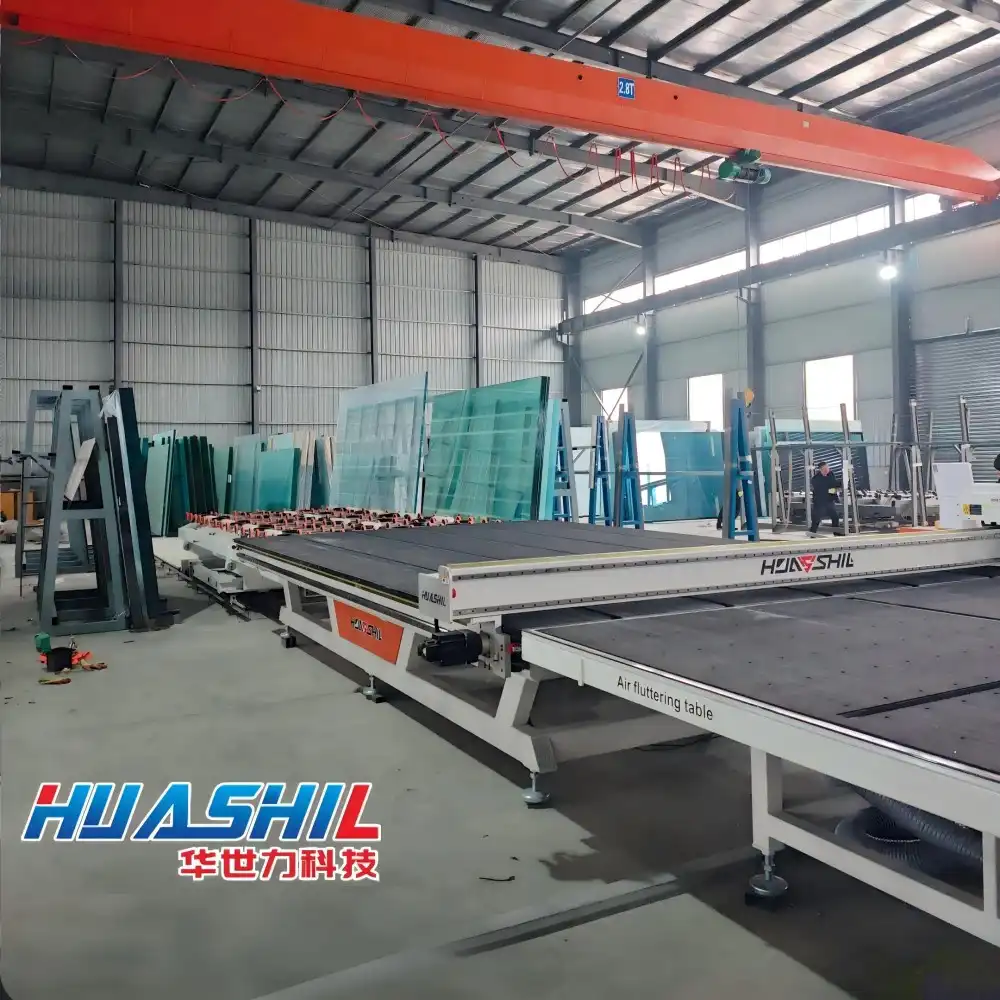
For commercial tile cutting activities, the equipment needs to be able to keep going through continuous production cycles without slowing down or losing accuracy. Standard cutting tools aren't good enough for the problems that factories that work with building glass, curtain wall systems, and furniture parts have to deal with. The HSL-CNC2716 model is an example of modern automation technology. It can cut up to 2700x1600mm and has precise control through the Eos-CNC system. When making parts for construction projects, where tolerances directly affect how well they install, production environments expect consistent output quality. Modern CNC-controlled cutting systems can repeat cuts that can't be made by hand, which cuts down on waste and repair costs. Automated pressure control systems make sure that the right amount of cutting force is applied to all types of materials, and automatic edge finding eliminates the need for setup time between cuts.
Material Versatility and Application Scope
Commercial cutting machines have to be able to handle the different kinds of materials that are used in modern manufacturing and building. When cutting sintered stone, you need to use different factors than when cutting ceramic tiles or glass panels. Being able to work with materials that are 3 mm to 18 mm thick gives manufacturers the operational freedom they need to serve a wide range of market segments. Knowing the properties of a material helps procurement teams choose features for tools that meet the needs of production. For architectural glass production, edges must be smooth and chipped as little as possible, while for sintered stone cutting, speed and dust control are most important. Air flotation systems lower the friction during cutting operations. This is especially helpful when working with large materials that would need more than one person to handle them normally.

Essential Features for Commercial-Grade Equipment
Cutting Technology and Blade Selection
Wet cutting systems are better at keeping dust out, and blades last longer than dry cutting systems, so they are the best choice for manufacturing settings with limited space. Water movement systems keep blade temperatures stable, which lowers thermal stress that can lead to blade wear before its time or changes in the size of materials being cut. The cooling effect also keeps the material from expanding too much when it's being cut, which helps make sure that the finished parts are more accurate . The choice of blade has a big effect on the quality of the cuts and the cost of running the business. When cutting rough materials like sintered stone, diamond-coated blades last longer, a large tile cutting machine, and special glass cutting wheels give you the clean edges you need for building work. When comparing equipment choices, procurement managers should look at how much replacement blades cost and how easy it is to get them. This is because these are ongoing operational costs.
Automation and Control Systems
Advanced control systems increase output while lowering the level of skill needed by operators. Cutting tools that use CNC technology don't need to be measured or marked by hand, which cuts down on setup time and the chance of mistakes. Fast production changes are made possible by programmable cutting patterns. This is especially helpful for companies that make a lot of different products or custom orders. Automatic pressure control systems change the cutting force based on feedback from the material. This keeps the blade from getting damaged and keeps the edge quality the same for materials of different thicknesses. When working with sintered stone, which cuts differently from regular ceramics, these traits come in very handy. Integrated safety systems watch over cutting operations and stop equipment automatically if something goes wrong. This keeps both the workers and the expensive machinery safe.
Precision and Accuracy Standards
For business purposes, cutting accuracy in tenths of millimetres is needed instead of the usual building tolerances. For proper sealing and structural stability, architectural glass installations need to be done with exact measurements. Cutting machines today are very accurate, within ±0.2mm, thanks to their hard construction, precise guide systems, and advanced control algorithms. The quality of the edges has a direct effect on the next steps in the process and the end look of the product. Rough or broken edges may need extra finishing steps that add to the cost of production. Smooth, chip-free edges require less polishing and fit together better. The stability of the machine during cutting operations stops edge flaws caused by vibrations that lower the quality of the product.
Performance and Reliability Considerations
Cutting Speed and Production Capacity
Production throughput depends on cutting speed, material handling efficiency, and setup time between operations. High-performance cutting machines balance speed with edge quality, optimizing these parameters based on material properties and application requirements. Automated material handling systems reduce operator involvement while maintaining consistent production flow. Air flotation systems facilitate smooth material movement across cutting tables, reducing the physical effort required for positioning large tiles or glass panels. This feature proves particularly valuable when processing maximum-size materials where manual handling becomes impractical. Reduced handling time translates directly to increased production capacity and lower labor costs per unit.
Durability and Maintenance Requirements
Commercial equipment must withstand continuous operation in demanding production environments. Machine construction using high-grade materials ensures stability under repetitive loading cycles while maintaining cutting accuracy over extended periods. Robust linear guides and precision ball screws resist wear from constant motion, reducing maintenance frequency and associated downtime costs. Preventive maintenance schedules help manufacturers avoid unexpected equipment failures that disrupt production schedules. Access to replacement parts and technical support becomes critical when equipment downtime directly impacts delivery commitments. Manufacturers should evaluate supplier service capabilities and parts availability before making purchase decisions, particularly for international equipment sourcing.
Cooling and Dust Management Systems
Effective cooling systems protect cutting blades while managing heat generation that can affect material properties during cutting. Water-based cooling provides superior heat dissipation compared to air cooling, particularly important when cutting thick materials or maintaining high production rates. Recirculating cooling systems reduce water consumption while maintaining consistent temperatures throughout extended cutting operations. Dust extraction systems maintain clean working environments while protecting equipment from abrasive particles that accelerate wear. Enclosed cutting chambers contain debris and facilitate effective dust collection, a large tile cutting machine improves operator safety, and reduces facility cleaning requirements. These systems prove essential when cutting sintered stone or other materials that generate significant particulate matter.
Selecting the Right Machine for Your Business
Matching Equipment Capabilities to Production Needs
Successful equipment selection requires thorough analysis of current production requirements and anticipated growth patterns. Manufacturers processing primarily standard-size tiles have different equipment needs compared to facilities specializing in large-format architectural panels. The 2700×1600mm cutting capacity suits manufacturers handling oversized materials common in modern construction projects. Production volume projections influence equipment sizing and automation level decisions. High-volume operations benefit from advanced automation features that reduce labor requirements, while smaller facilities might prioritize equipment versatility over maximum throughput. Modular equipment designs allow manufacturers to expand capabilities as the business grows without replacing entire production lines.
Budget Considerations and Total Cost of Ownership
Initial equipment costs represent only one component of total ownership expenses. Operating costs, including blade replacement, maintenance, energy consumption, and operator training, contribute significantly to long-term financial impact. Automated features may increase initial investment while reducing ongoing labor costs and improving production consistency. Financing options and bulk purchase arrangements can optimize procurement budgets, particularly for manufacturers implementing complete production line upgrades. Suppliers offering comprehensive service packages, including installation, training, and ongoing support, provide value beyond equipment pricing alone. These considerations prove especially important for international purchases where shipping and service logistics add complexity.
Supplier Evaluation and Support Services
Equipment reliability depends heavily on supplier expertise and support capabilities. Manufacturers with extensive industry experience understand application-specific requirements and can recommend optimal configurations for particular production needs. Technical support availability during initial setup and ongoing operation ensures maximum equipment utilization and minimizes learning curve impacts. Training programs help operators achieve proficiency quickly while understanding equipment capabilities and limitations. Comprehensive documentation and readily available spare parts support facilitate efficient maintenance programs that minimize unexpected downtime. Long-term supplier relationships provide access to equipment upgrades and technology improvements that maintain competitive advantages.
Conclusion
To choose the right commercial cutting tools, you need to carefully think about your production needs, the types of materials you will be working with, and the limitations of your operations. Modern big tile cutters have advanced automation features that make them more productive while still keeping the level of accuracy needed for business use. Using CNC control systems, automatic pressure regulation, and air float technology together is a big step forward from the old ways of cutting. Long-term value comes from buying good equipment from makers with a lot of experience. This is because it lowers running costs, a large tile cutting machine improves product quality, and increases production capacity. Making good procurement choices means balancing the initial costs with the total costs of ownership while also making sure that the supplier can support ongoing operations.
FAQ
1. What is the difference between wet and dry cutting methods?
Wet cutting utilizes water circulation to cool the blade and suppress dust generation, while dry cutting relies on air cooling and dust extraction systems. Wet cutting provides superior blade life and edge quality, making it preferred for commercial applications where precision and consistency are critical. The water also prevents material overheating that can cause dimensional changes or surface damage.
2. How often should large tile cutting machines undergo maintenance?
Preventive maintenance schedules depend on usage intensity and operating conditions, but commercial machines typically require weekly inspections and monthly detailed maintenance. Daily cleaning and lubrication of moving parts extends equipment life, while quarterly precision checks ensure continued accuracy. Blade replacement frequency varies based on material types and cutting volume, ranging from weekly to monthly intervals.
3. Which blade types work best for cutting porcelain and natural stone?
Diamond-embedded blades provide optimal performance for both porcelain and natural stone applications. Continuous rim blades deliver smooth edges suitable for visible surfaces, while segmented blades offer faster cutting rates for rough operations. Blade selection should match material hardness and desired edge quality, with specialized formulations available for specific materials like sintered stone or engineered quartz.
HUASHIL: Your Trusted Partner for Commercial Cutting Solutions
HUASHIL stands as a leading large tile cutting machine manufacturer, delivering precision-engineered equipment designed specifically for commercial applications. Our HSL-CNC2716 model represents advanced automation technology, combining high-capacity cutting with exceptional accuracy through integrated Eos-CNC control systems. Manufacturing facilities worldwide rely on our equipment for processing sintered stone, ceramic slabs, and architectural glass with consistent quality and reliability.
Our comprehensive service approach extends beyond equipment delivery to include technical training, installation support, and ongoing maintenance programs. We understand the critical nature of production equipment in commercial environments and provide responsive service that minimizes downtime while maximizing equipment performance. Procurement managers seeking reliable large tile cutting machine suppliers will find our combination of technical expertise and customer support invaluable for achieving production objectives.
Contact our technical specialists at salescathy@sdhuashil.com to discuss your specific cutting requirements and explore customization options that align with your operational needs.
References
1. Thompson, R.J. "Industrial Cutting Systems: Performance Analysis and Selection Criteria." Manufacturing Technology Review, Vol. 45, No. 3, 2023, pp. 78-95.
2. Chen, L.M. and Rodriguez, A.K. "Automation in Tile and Stone Processing: Efficiency Gains and Quality Improvements." Journal of Industrial Manufacturing, Vol. 28, No. 7, 2024, pp. 156-172.
3. Patterson, S.E. "Material Handling Systems for Large Format Tile Production." International Manufacturing Quarterly, Vol. 31, No. 2, 2023, pp. 45-62.
4. Williams, D.C. "Maintenance Strategies for Commercial Cutting Equipment." Industrial Equipment Management, Vol. 19, No. 4, 2024, pp. 112-128.
5. Zhang, H.F. "Precision Control Systems in Modern CNC Cutting Machines." Advanced Manufacturing Technology, Vol. 52, No. 1, 2024, pp. 89-106.
6. Johnson, M.R. "Cost-Benefit Analysis of Automated vs. Manual Cutting Systems in Commercial Applications." Business Operations Research, Vol. 37, No. 6, 2023, pp. 203-219.