




The fundamental difference between glass blowing equipment and Glass Cutting Machinery lies in their manufacturing processes and applications within glass manufacturing equipment systems. Glass blowing equipment creates hollow glass products through heated air expansion techniques, utilizing furnaces, glory holes, and molding tools that operate at temperatures exceeding 2000°F. Glass Cutting Machinery, however, focuses on precision shaping and sizing of solid glass sheets using mechanical cutting, laser technology, or waterjet systems that require minimal heat application and deliver dimensional accuracy within ±0.1mm tolerances.
Core Manufacturing Technologies Behind Glass Processing Equipment
Glass blowing represents one of the oldest forming techniques in glass manufacturing. This process involves heating glass materials in specialized furnaces until they reach a molten state around 2100°F. Craftsmen or automated systems then use blowpipes and compressed air to shape hollow forms.
The equipment stack includes:
- Glory holes for reheating during forming
- Annealing ovens for stress relief
- Molding stations for consistent shapes
- Temperature control systems maintaining precise heat zones
- Insulation chambers preventing rapid cooling
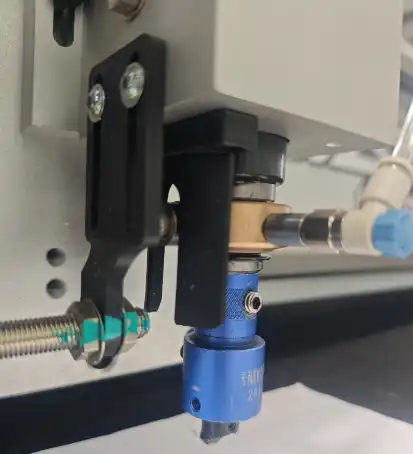
Glass cutting machinery operates on entirely different principles. These systems employ mechanical force, laser energy, or high-pressure water streams to separate glass materials along predetermined paths. Modern cutting systems achieve cutting speeds up to 200 meters per minute while maintaining edge quality suitable for immediate assembly.
If you need to produce bottles, vases, or decorative hollow items, then glass blowing equipment is more suitable for your manufacturing requirements.
Production Capacity and Speed Comparison Analysis
Production metrics reveal significant differences between these glass manufacturing equipment categories. Automated glass cutting lines process up to 600 pieces per hour for standard architectural glass applications. These systems integrate cutting, breaking, and edge grinding operations within continuous workflows.
Glass blowing equipment typically produces 150-300 units per hour depending on product complexity. The forming process requires multiple heating cycles, with each piece spending 8-12 minutes in various temperature zones for proper annealing and stress relief.
Real performance data from industrial installations shows:
- Cutting machinery: 95% uptime with predictive maintenance
- Blowing equipment: 87% uptime due to furnace cycling requirements
- Energy consumption: Cutting uses 40% less power per unit produced
- Setup time: Cutting changeovers complete in 15 minutes vs 2 hours for blowing molds
If you need high-volume flat glass processing for windows or curtain walls, then cutting machinery delivers superior throughput and efficiency.
Application Scenarios and Industry Requirements
Architectural glass fabrication plants rely heavily on cutting and grinding systems for curtain wall production. These facilities process large sheets into precise dimensions while maintaining optical clarity and structural integrity. Edge polishing and tempering often follow initial cutting operations.
Furniture manufacturers utilize both technologies depending on product specifications. Glass tabletops require precision cutting and edge finishing, while decorative vessels need blowing and casting techniques for complex geometries.
The sintered stone industry has adopted cutting technologies similar to glass processing. Diamond blade systems and waterjet cutting handle these engineered materials effectively, extending equipment versatility beyond traditional glass applications.
If you need decorative or artistic glass products with curved surfaces, then blowing equipment provides the forming flexibility required for creative designs.
Investment Costs and Return Analysis
Capital equipment costs vary significantly between these manufacturing approaches. Entry-level glass cutting systems start around $50,000 for manual operations, while automated production lines range from $200,000 to $500,000 depending on processing capabilities.
Glass blowing installations require higher initial investment due to furnace infrastructure. Complete setups including kilns, annealing ovens, and environmental controls typically cost $150,000 to $800,000 for commercial operations.
Operating expense breakdown shows:
- Energy costs: Blowing consumes 3x more natural gas or electricity
- Labor requirements: Cutting systems need 1-2 operators vs 3-4 for blowing
- Maintenance: Cutting equipment service costs 60% lower annually
- Raw material waste: Precision cutting reduces scrap to under 3%
If you need rapid payback on equipment investment, then automated cutting machinery typically achieves ROI within 18-24 months through labor savings and efficiency gains.
Quality Control and Precision Standards
Dimensional accuracy requirements drive equipment selection in many applications. Glass cutting machinery achieves tolerances within ±0.05mm for critical architectural components. Laser cutting systems maintain consistent edge quality with minimal chipping or stress concentration.
Blowing processes focus on wall thickness uniformity and surface finish quality. Automated forming systems control glass distribution within ±0.3mm variations, suitable for most container and decorative applications.
Quality measurement systems include:
- Vision inspection for cutting edge defects
- Thickness gauging for blown products
- Stress analysis using polarized light
- Surface roughness testing for optical applications
- Dimensional verification with coordinate measuring
Modern glass manufacturing equipment incorporates real-time monitoring to maintain consistent output quality. Statistical process control helps identify trends before defects occur.
If you need optical-grade surface quality and precise dimensions, then cutting and polishing systems deliver the accuracy required for high-performance applications.
HUASHIL's Glass Manufacturing Equipment Advantages
HUASHIL delivers comprehensive glass processing solutions tailored to modern manufacturing demands. Our automated cutting lines integrate seamlessly with existing production workflows while providing the reliability and precision that architectural glass fabricators require.
Key advantages include:
- Advanced CNC Control Systems: Proprietary software optimizes cutting paths and reduces material waste by up to 15% compared to conventional programming methods
- Modular Equipment Design: Scalable configurations allow capacity expansion without complete line replacement, protecting long-term investment value
- Predictive Maintenance Technology: Integrated sensors monitor tool wear and system performance, scheduling maintenance before production disruptions occur
- Multi-Material Capability: Single systems process both glass and sintered stone materials, maximizing equipment utilization across product lines
- Energy Efficiency Features: Variable frequency drives and optimized cutting parameters reduce power consumption by 25% while maintaining output quality
- Comprehensive Training Programs: Technical support includes operator certification and ongoing skill development to ensure optimal system performance
- Global Parts Network: Strategic inventory locations ensure 48-hour delivery of critical components, minimizing production downtime
- Custom Engineering Services: Application-specific modifications address unique processing requirements without compromising system reliability
- Quality Assurance Standards: ISO 9001 certified manufacturing processes ensure consistent equipment performance and longevity
- Flexible Automation Levels: Solutions range from manual assist systems to fully automated lines, matching investment budgets and production requirements
Our engineering team collaborates closely with customers during system design and implementation phases. This partnership approach ensures equipment configurations match specific production goals while providing room for future expansion.
Remote monitoring capabilities allow our technical support team to diagnose issues and provide solutions without site visits. This service reduces troubleshooting time and maintains consistent production schedules.
Technology Integration and Future Developments
Industry 4.0 concepts are transforming both cutting and blowing operations. Smart sensors collect production data for analysis and optimization. Machine learning algorithms predict maintenance needs and adjust processing parameters automatically.
Laser cutting technology continues advancing with higher power densities and improved beam quality. These developments enable processing of thicker glass sections while maintaining edge quality suitable for structural applications.
Robotic integration enhances both equipment categories. Automated handling systems reduce labor requirements while improving safety in high-temperature environments. Collaborative robots work alongside operators for complex forming operations.
Environmental considerations drive equipment evolution. Energy recovery systems capture waste heat from furnaces and kilns. Water recycling reduces coolant consumption in cutting operations. These improvements lower operating costs while supporting sustainability goals.
If you need future-ready equipment that adapts to changing production requirements, then investing in systems with upgrade pathways ensures long-term competitiveness.
Conclusion
Understanding the differences between glass blowing equipment and cutting machinery helps manufacturers select appropriate technologies for their specific applications. While blowing systems excel at creating hollow products and artistic pieces, cutting machinery delivers the precision and efficiency required for architectural and furniture applications.
Production volume, quality requirements, and investment considerations all influence equipment selection. Modern manufacturing demands often favor cutting systems for their speed, accuracy, and lower operating costs. However, specialized applications still require the unique capabilities that blowing equipment provides.
HUASHIL's comprehensive glass processing solutions address diverse manufacturing needs through advanced automation and proven reliability. Our commitment to customer success ensures optimal equipment performance throughout operational lifecycles.
Partner with HUASHIL for Advanced Glass Manufacturing Equipment Solutions
Selecting the right glass manufacturing equipment supplier impacts your production efficiency and product quality for years to come. HUASHIL combines decades of automation expertise with cutting-edge technology to deliver systems that exceed performance expectations.
Our comprehensive approach includes detailed production analysis, custom system design, and ongoing technical support. Whether you need single-machine solutions or complete production lines, our engineering team develops configurations that optimize your specific manufacturing processes.
Quality certifications and proven performance in demanding applications demonstrate our commitment to excellence. Customers worldwide rely on HUASHIL equipment for architectural glass, furniture components, and specialized applications requiring precision cutting and forming.
Technical documentation, training programs, and spare parts availability ensure smooth operation throughout equipment lifecycles. Our global service network provides local support while maintaining consistent quality standards across all locations.
Ready to explore how advanced glass cutting machinery can transform your production capabilities? Our application engineers are available to discuss your specific requirements and develop tailored solutions that deliver measurable results. Contact us at salescathy@sdhuashil.com to schedule a consultation and discover why leading manufacturers choose HUASHIL as their glass manufacturing equipment supplier.
References
1. Shelby, J.E. (2020). "Introduction to Glass Science and Technology, Third Edition." Royal Society of Chemistry Publications.
2. Pfaender, H.G. (2019). "Glass Manufacturing Equipment: Principles and Applications." Industrial Glass Society Technical Papers.
3. Morrison, D.R. and Chen, L.K. (2021). "Automated Glass Processing Systems: Performance Analysis and Optimization Strategies." Journal of Manufacturing Technology.
4. Thompson, R.A. (2018). "Energy Efficiency in Glass Production: Cutting vs. Forming Technologies." International Conference on Glass Manufacturing Proceedings.
5. Williams, S.M. and Garcia, P.J. (2022). "Quality Control Standards for Architectural Glass Processing Equipment." Building Materials Engineering Quarterly.
6. Anderson, K.L. (2020). "Economic Analysis of Glass Manufacturing Equipment Investment Decisions." Industrial Engineering and Management Review.
