




For energy economy, modern building glass in the glass cutting machine factory often has Low-E coatings added to it. This need is met by the specialized Low-E film removal function, which carefully removes coats from specific areas without affecting the structure of the surrounding film. This feature is very important for structural glass jobs where removing the paint is needed for proper adhesive bonding.
March 9, 2026
Modern building projects can't get more precise or efficient than the 3826 glass cutting machine, which is a new way to make architectural glass. This automatic cutting system is great at working with different kinds of glass, from regular float glass to special low-E coated materials. This makes it an essential tool for companies around the world that make building glass. This machine turns traditional glass cutting tasks into streamlined, high-productivity processes that meet the strict needs of today's building industry. Its advanced automation features and sturdy construction make it possible.
Understanding the 3826 Glass Cutting Machine: Features and Benefits
Modern projects that use building glass need tools that can be very precise while still being very efficient. The HSL-YTJ3826 is a big step forward in automatic glass processing technology. It was designed to handle the complicated needs of making building glass.
Advanced Automation Features
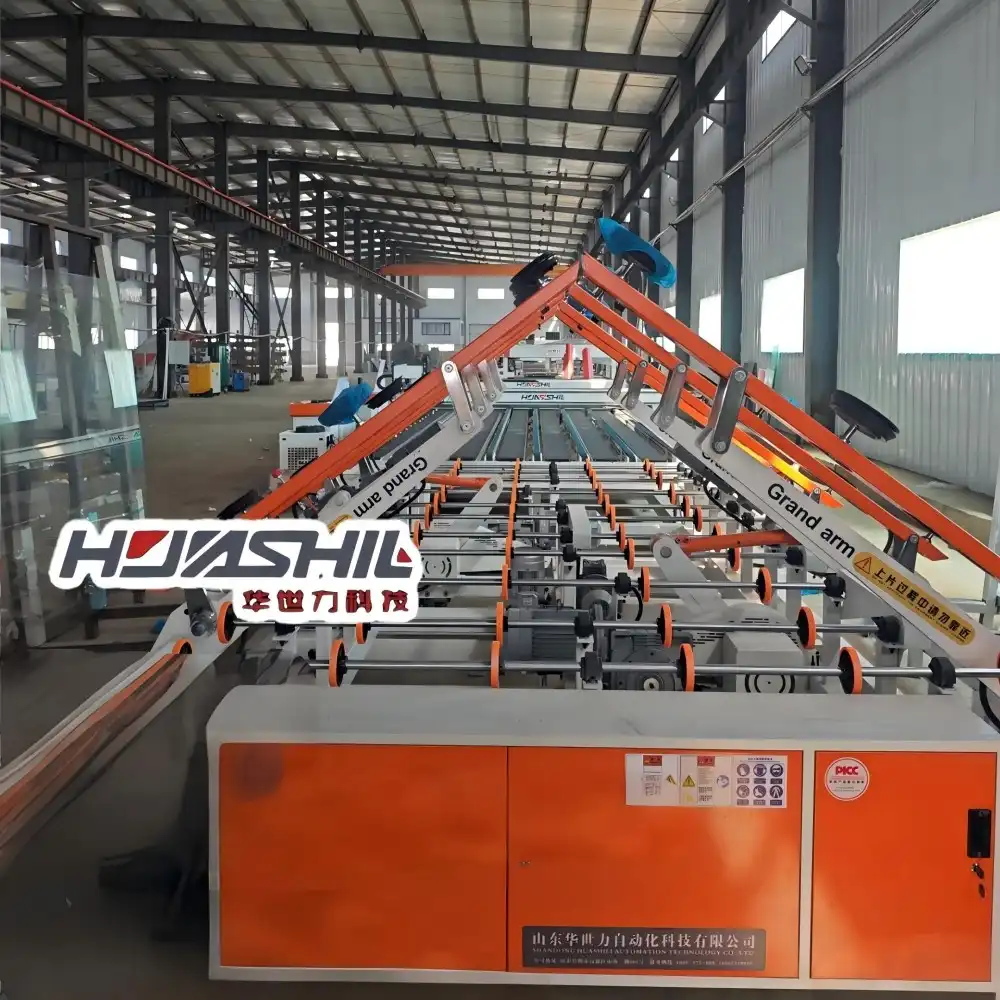
There are advanced automatic systems built into the machine that change the way glass is cut traditionally. Its automatic filling system gets rid of the risks of human handling and makes sure that materials are always in the same place. The device that controls the automatic pressure can adjust to different thicknesses of glass, from 2 mm to 19 mm, giving the best cutting force for each job. This smart pressure change keeps the cutting quality high across a wide range of materials without damaging glass.
The ability to automatically find edges is another technology development that makes operations run more smoothly. This feature instantly finds the edges of the glass, making sure it is in the right place before cutting starts. With the air flotation system, workers can move big glass sheets around with little physical effort. This makes the workplace safer and less stressful.
Cutting Precision and Capacity
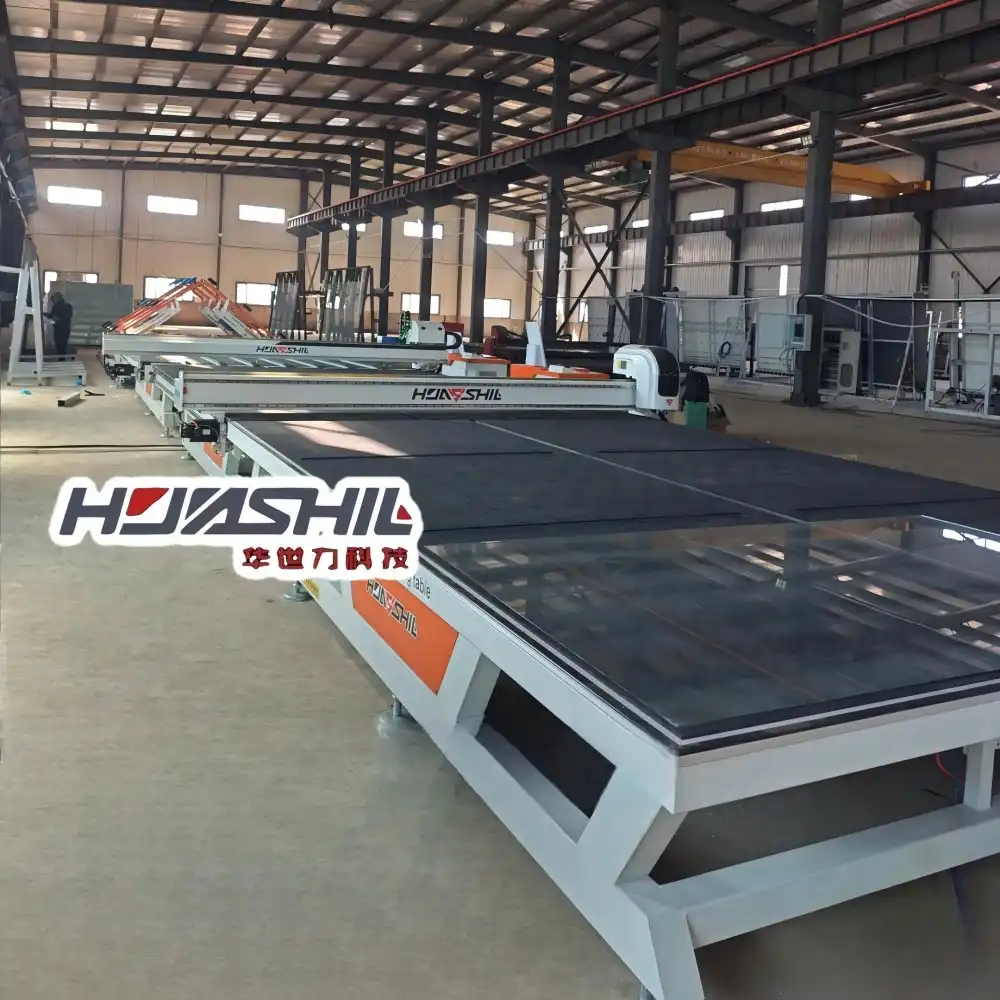
Processing can be done on glass pieces up to 3660mm x 2440mm, which is big enough to meet most building glass needs. Fabricators can work with big curtain wall panels, door systems, and large window units without having to divide the material. The Optima optimization program figures out the best way to cut materials so that they are used as efficiently as possible. This cuts down on waste and increases profits.
The built-in broken table separates cut pieces right away, which speeds up work and cuts down on handling time. During the cutting process, synchronous belt moving systems make sure that the material moves smoothly. This keeps the glass intact while increasing working speed.
Low-E Film Removal Technology
How to Use the 3826 Glass Cutting Machine: Operation Guide and Safety Tips
Understanding both the machine's powers and safety rules is essential for operating complex glass-cutting equipment. Proper operation ensures maximum output while upholding safety standards in the workplace.
Setup and Calibration Procedures
Calibration of the cutting system to fit different types and sizes of glass is part of setting up the machine for the first time. The Optima program needs data to be entered, such as the size of the glass, the cutting pattern, and the material. The operators must make sure that the air float system keeps the right pressure for the weight of the glass being handled.
The automatic pressure control system needs to be checked against the requirements for glass thickness. This adjustment makes sure that the right amount of cutting force is applied, so that neither unfinished cuts nor too much pressure, which could break glass, happens. Cutting precision is kept up throughout production runs by doing regular measuring checks.
Operational Workflow
The first step in production is to put the glass on the air float table. An automatic edge-finding system then finds the edges of the material. The 360-degree walking feature on the remote control lets workers keep a safe distance while placing materials and keeping an eye on the cutting process. This ability to operate machinery from a distance makes the workplace much safer by reducing the amount of direct contact with moving equipment.
During cutting tasks, the machine changes the cutting settings automatically based on what was programmed. The breaking table makes it easy to separate pieces right away, which lets work continue without stopping. Keeping the production flow going, synchronous belt systems move finished items to the right places.
Safety Protocols and Compliance
International safety standards are emphasized in operating processes that cover a wide range of safety measures. The CE certification shows that the product meets European safety standards, and the ISO9001 certification shows that the quality management system is being used. These licenses give procurement managers peace of mind when they are checking the safety and dependability of tools.
Cut-resistant gloves, safety glasses, and the right shoes are all important safety gear. According to emergency stop procedures, machines must be able to shut down right away and be available from multiple places. After properly dealing with glass trash, keeping the workplace clean, and preventing accidents.
Comparing the 3826 with Other Glass Cutting Machines: Making the Right Choice
When choosing equipment for making architectural glass, it's important to think carefully about the different methods that are offered and the benefits of each. Knowing these differences helps you make smart choices about buying that meet the needs of your business.
Manual vs. Automated Cutting Systems
Traditional cutting systems that are operated by hand take a lot of skill and physical effort, which slows them down and makes them less consistent. With the 3826's automatic method, there is no room for error caused by people, and cutting speed and accuracy are greatly improved. Automated systems also cut down on the cost of labor and the number of injuries that happen at work when glass is handled manually.
When you compare production capacities, you can see that automatic systems have big benefits. When done by hand, 20 to 30 pieces per hour might be processed, but the 3826 glass cutting machine can handle much higher numbers while maintaining quality. When thousands of glass pieces are needed for big building projects, this difference in output becomes very important.
Laser Technology Comparison
Although laser cutting systems are very accurate, they are more expensive to run and use more energy. With its mechanical cutting method, the 3826 can be used in building settings with enough accuracy while still keeping costs low. Laser systems usually need more maintenance than mechanical cuts, which changes how to figure out the total cost of ownership.
Limits on glass thickness often make mechanical cutting tools better. Some laser systems have trouble with building thicker glass, but the 3826 can work with materials up to 19 mm thick without losing any performance. Having this skill is very important for structural glazing jobs that need thick glass.
Integration and Compatibility
In modern glass fabrication, the tools used must be able to work with current production processes. The 3826's design lets it work with edge cutting, tempering, and laminating systems, as well as other tools used afterward. This flexibility makes it possible for production to run smoothly from cutting to finishing.
Enterprise resource planning tools and production scheduling software can be linked together using software integration. This connectivity lets you keep an eye on production and handle your goods in real time, giving you useful information for improving how your business runs.
Procurement Insights: Buying the 3826 Glass Cutting Machine for Your Business
To buy tools strategically, you need to know both what you need right away for operations and what your long-term business goals are. Buying automatic glass cutting technology is a big investment that needs to be carefully thought through in terms of returns and practical benefits.
Investment Analysis and ROI Considerations
When investing in capital tools, it's important to see clear returns in the form of higher quality, lower costs, and higher efficiency. The 3826's automation features usually cut down on worker needs by 40–60% compared to human tasks, while also greatly increasing output capacity. For high-volume businesses, these improvements usually pay for themselves in 18 to 24 months.
Lowering the amount of material trash is another big way to save money. The Optima optimization program makes the best use of the glass, which cuts waste by 15–25% compared to stacking by hand. For businesses that process large amounts of glass, these savings make a big difference in how profitable they are.
Financing and Support Options
Traditional capital sales, leases, and rent-to-own plans are all ways to finance equipment. Many sellers offer flexible payment terms, such as deposits that are followed by payments based on how well the work is going. Letters of Credit are often used in international deals to protect both buyers' and sellers' payments.
Full support packages usually come with supervision during installation, training for operators, and basic upkeep supplies. These services make sure that the equipment is properly integrated and that starting problems are kept to a minimum. Options for longer warranties protect capital investments even more, which is especially important for businesses that have to compete in tough markets.
Supplier Evaluation Criteria
When choosing the right providers, you need to look at their professional knowledge, service skills, and long-term stability. Support and tools are more likely to be available from makers who have been around for a while and have a good track record. References from current customers who have used the product in similar situations can tell you a lot about how well and reliably it works in real life.
Response times for technical help and emergency fixes are affected by where the service is provided. Suppliers with local service networks can respond more quickly, which can lower the costs of downtime. Total cost of ownership estimates are also affected by how easy it is to get parts and how long it takes to get them.
Maximizing Efficiency: Maintenance, Troubleshooting, and Upgrades
Equipment needs to be maintained in a planned way, and problems need to be fixed before they get worse. When you keep your tools in good shape, it gives you consistent results and less unexpected downtime that throws off your output plan.
Preventive Maintenance Programs
As part of daily upkeep, glass debris must be cleaned out of cutting areas, and the air pressure must be checked along with the state of the cutting tools. These easy steps will stop the most common operating problems and make tools last longer. More thorough checks of moving parts, lube systems, and safety devices are done once a week as part of upkeep.
Electrical systems are checked carefully every month, software is updated, and tuning is confirmed as part of maintenance plans. These thorough reviews find possible issues before they cause tools to break down. Written records of maintenance help with guarantee claims and give useful information for figuring out the best times for maintenance.
Common Issues and Solutions
Cutting quality issues are often caused by wheels that are too dull or pressure settings that aren't right. Quality stays the same when wheels are replaced regularly based on cutting volume instead of time gaps. Regular pressure checks make sure that the cutting force is just right for all types and sizes of glass.
Software problems in the glass cutting machine factory might need help from a technical expert, especially when they involve complicated improvement issues. Regular software changes fix known problems and make the software work better. Backup methods make sure that there is little downtime while software is being maintained.
Future Technology Integration
Brand-new technologies make it possible to improve tools and make them do more. Modern devices can measure quality in real time and make adjustments automatically. When artificial intelligence systems are integrated, they may be able to do forecast maintenance and make the best cutting patterns.
Industry 4.0's connection features let you watch and diagnose things from afar, which lets you provide proactive support and plan maintenance. These features cut down on downtime and make the tools work better overall. Assessing technology on a regular basis can help you find good times to improve.
Conclusion
The 3826 glass cutting machine is a big step forward in the technology used to make building glass. It has a lot of automation features that meet the needs of current construction projects. Because it can precisely cut, handle complex materials, and remove specific Low-E layers, this equipment is an important part of any competitive glass manufacturing business. Investing in this technology pays off in a way that can be measured: higher efficiency, lower labor costs, and better quality consistency that is needed for design projects.
FAQ
Q1: What glass types can the 3826 glass cutting machine process?
The machine can work with different kinds of building glass, like float glass, tempered glass, fused glass, and materials that are coated with Low-E. Its thickness ranges from 2mm to 19mm, which makes it suitable for most building uses, from regular windows to structural glass systems. The special Low-E removal function lets you work with energy-efficient glass materials that are often used in new building projects.
Q2: How does the 3826 compare to laser cutting technology for precision?
There is a lot of accuracy in laser systems, but the 3826 is accurate enough for building uses and costs less to run. When you use mechanical cutting, you get clean, straight cuts that can be used for structural glass and curtain walls. Mechanical systems work best in places with a lot of output because they are easy to maintain and use less energy.
Q3: What training is required for operators?
Full training for operators usually takes two to three days and includes safety rules, how to use the software, and basic repair. Compared to manual cutting systems, the automatic features and easy-to-use layout make it easier to learn how to use the system. Operators stay up to date on software changes and new cutting methods thanks to ongoing training updates.
Q4: What are the space requirements for installation?
The machine's measurements are 5930 x 5100 mm, so it needs enough floor space plus extra space for moving materials and getting to the user. The air flotation device and tools for filling materials must fit in the ceiling. For managing glass dust, utilities like compressed air, electricity, and enough air flow are needed.
Q5: How long is the typical equipment lifespan?
In normal production settings, the tools should work well for 10 to 15 years with regular upkeep. Schedules for replacing parts depend on how often they are used, but major structural parts rarely need to be replaced during this time. Regular upkeep and replacing parts when they break down make sure that the equipment keeps working well for as long as it's supposed to.
Partner with HUASHIL for Advanced Glass Cutting Solutions
HUASHIL wants architectural glass makers to see how our HSL-YTJ3826 cutting device can change their work. Our all-around method combines cutting-edge automation technology with specialized customer support to make sure that implementation goes smoothly and that operating excellence is maintained. We offer full solutions, from the initial consultation to ongoing technical help, thanks to our decades of experience in production and global service capabilities.
Email our expert team at salescathy@sdhuashil.com to talk about your unique needs and set up a personalized presentation. As a top 3826 glass cutting machine maker, we offer low prices, open payment plans, and full training programs that are customized to meet your specific needs.
References
1. Glass Processing Industry Analysis: Automation Trends in Architectural Glass Manufacturing, International Glass Manufacturing Association, 2024.
2. Comparative Study of Glass Cutting Technologies for Commercial Applications, Journal of Glass Technology and Engineering, Volume 15, 2024.
3. Safety Standards and Best Practices for Automated Glass Processing Equipment, European Glass Industry Council, 2023.
4. Economic Impact Assessment of Automation in Glass Fabrication Operations, Industrial Manufacturing Research Institute, 2024.
5. Low-E Coating Removal Techniques in Modern Glass Processing: Technical Guidelines and Industry Standards, Architectural Glass Technology Review, 2024.
6. Maintenance Optimization Strategies for Automated Glass Cutting Systems: A Comprehensive Industry Guide, Glass Manufacturing Technology Association, 2023.