




Industrial manufacturing that uses big glass screens often has trouble with standard methods that involve doing things by hand, which can slow down production. An automatic glass loading machine changes this problem by making it easy, safe, and quick to work with big glass pieces up to 3660x2440mm. These high-tech systems use three robotic arms and air-floating mechanisms, along with other advanced automation technology, to get rid of the risks of human handling while greatly increasing output. These tools are used in modern glass production shops in the architectural, curtain wall, and furniture-making industries to stay ahead of the competition in today's tough market.
Understanding Automatic Glass Loading Machines: Working Principles and Key Features
Advanced mechanical systems that integrate many components to enable smooth material handling are at the heart of modern glass-handling automation. These tools are a big step up from traditional systems that use conveyor belts. They give you more control and freedom than ever before when it comes to managing heavy glass sheets.
Core Components and Automation Technology
Three large robotic arms that work perfectly together are the building blocks of successful glass-filling automation. Each arm has a precision-engineered suction system that can keep a firm grip on glass surfaces while also being able to handle different thicknesses. The control system manages these arms using complex formulas that figure out the best speed, positioning, and pressure settings based on the size and weight of the glass.
Air floating technology makes a padded handle area that almost completely prevents damage from surface touch. This gas system creates controlled air pressure under the glass sheets, which makes it easy for them to move from one processing station to another. When artificial accuracy is combined with air cushioning, even the most fragile architectural glass stays in perfect condition during the packing process.
Advanced Safety and Integration Capabilities
Modern automatic filling systems have many sensor arrays that constantly check the position of the glass, the surroundings, and the operator's closeness. When something goes wrong, emergency stop devices work within milliseconds to protect both people and equipment. The machine's ability to walk in all directions lets it move through complicated production floor layouts and adapt to existing work habits without needing major changes to the facility.
Standardized communication methods from automatic glass loading machine wholesalers let cutting stations, edging tools, and packaging systems share data in real time, which makes it possible to connect to current production lines. This connectivity makes sure that materials move smoothly and gives production managers a clear picture of the state of processes and measures for throughput.
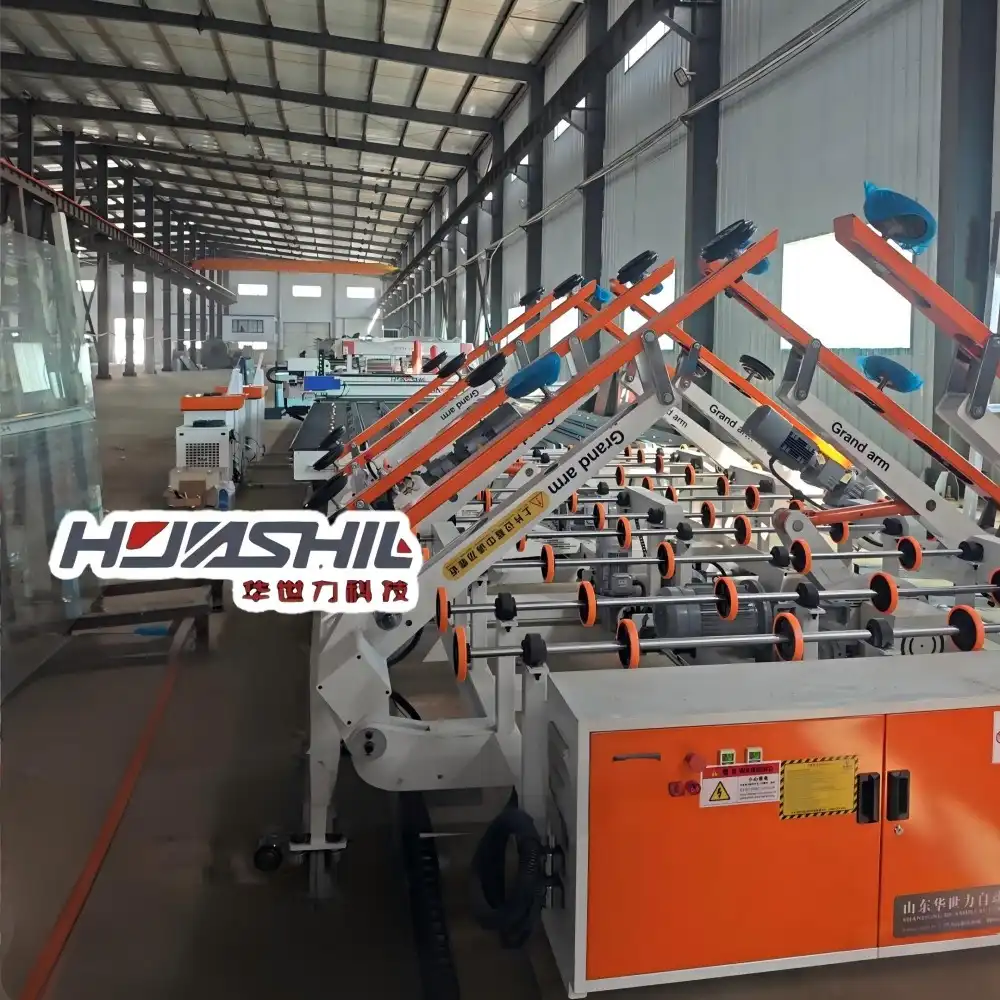
Comparing Solutions: Automatic vs Manual Glass Loading for Heavy Sheets
When you look at real-world production settings, you can see how different manual and automatic glass handling really is. Handling heavy glass sheets by hand is hard in many ways, and the problems get worse as production rates rise and glass dimensions go beyond normal sizes.
Manual Handling Limitations and Risk Factors
Handling glass by hand usually needs more than one person working together, which increases the risk of accidents and lowers efficiency. When workers are in charge of sheets that weigh more than 200 pounds, they could get hurt from broken glass, repetitive stress, and moving in awkward ways. When people are tired, they can't handle things as precisely, which can affect production regularity and cause problems with quality control.
The cost of labor goes up a lot when you think about how many people are needed to safely move big sheets by hand. Also, human processes slow down output during times of high demand, which limits the facility's ability to grow. Insurance rates often go up because of the higher chance of injuries at work that comes with handling big glass.
Quantifiable Benefits of Automated Solutions
Automatic glass-filling tools make performance better in a number of ways that can be measured. When compared to manual methods, production output usually goes up by 200 to 300 percent, while quality standards stay the same, no matter what shifts are worked or how experienced the operators are. The cost of labor goes down right away because automatic systems only need supervisors instead of many people who can handle different tasks.
Breakage rates go down, and surface scratches from physical touch go away, which are both signs of better quality. Positioning precision is kept within ±1mm by automated systems, which ensures the best results for processing that comes after. Because less material is wasted and more of the production capacity is used, these changes immediately lead to higher profits.
Selecting the Right Automatic Glass Loading Machine: Key Factors and Brand Insights
If you want to buy equipment successfully, you need to carefully consider technical specs, vendor skills, and long-term assistance. When making a choice, you have to weigh the current operational needs against goals for growth and the way technology is changing.
Critical Technical Specifications
The main thing to think about when choosing a system is how much weight it can hold. Modern systems can handle glass sheets up to 3660x2440mm and weights over 500 pounds. Processing speeds change a lot from one maker to the next. For example, high-end systems can complete complex loading sequences in less than 60 seconds. Customization is very important for places that work with different kinds and sizes of glass.
Operating conditions in the environment affect how reliable the automatic glass loading machine is and how often it needs to be maintained. Systems that are made to work continuously in harsh industrial settings have better seals, materials that don't rust, and strong electrical parts. The tolerances for temperature and humidity should match the conditions in the building to make sure that the best performance is always achieved.
Vendor Evaluation and Support Services
When choosing a manufacturer, you need to look at both their professional skills and their service system. Established sellers, such as HUASHIL, have long histories of success that can be seen in their large installation bases and support networks. The warranty period is usually between 12 and 24 months, but some luxury providers offer longer coverage for important parts.
Good after-sales help has a direct effect on how much time technology is used and how much it costs to run in the long run. Value packages are best when vendors offer local service techs, a large collection of spare parts, and the ability to do remote diagnostics. Training programs for maintenance workers make sure that equipment is used in the best way possible and that it lasts longer by teaching them how to care for and use it properly.
Latest Technologies and Trends in Automatic Glass Loading Machines
Cutting-edge technologies that improve performance, reliability, and operating intelligence are being added to the glass handling business all the time. These improvements set up modern facilities to be successful in the future and solve problems that arise in their present use.
Smart Technology Integration
Thanks to advances in artificial intelligence and machine learning, it is now possible to do predictive maintenance that finds problems with technology before they break down. IoT connectivity lets people in different places keep an eye on performance data, energy use, and operating state in real time. These technologies cut down on unplanned downtime and make the best use of repair schedules and resources.
Smart sensor networks offer better safety tracking with advanced systems for recognizing objects and avoiding collisions. Vision systems can change the way things are handled instantly based on the properties of the glass. This makes the processing more accurate while cutting down on the time needed to set up for each product. Data analytics systems give you information about how things are made, which lets you keep improving processes and making them more efficient.
Energy Efficiency and Sustainability
Modern automated loading systems have motors that use less energy, regenerative stopping systems, and controls that use less air than necessary. These features make the systems much cheaper to run. Variable frequency drives change how much power they use depending on how much work needs to be done. This keeps energy loss to a minimum when production is low. These changes to efficiency are in line with companies' efforts to be more environmentally friendly and save real money at the same time.
Sustainable design principles affect the choice of materials, and makers use recyclable parts and production methods that are good for the environment. By making equipment more durable, it lasts longer and doesn't need to be replaced as often, which is better for the environment and gives workers the best return on their investment.
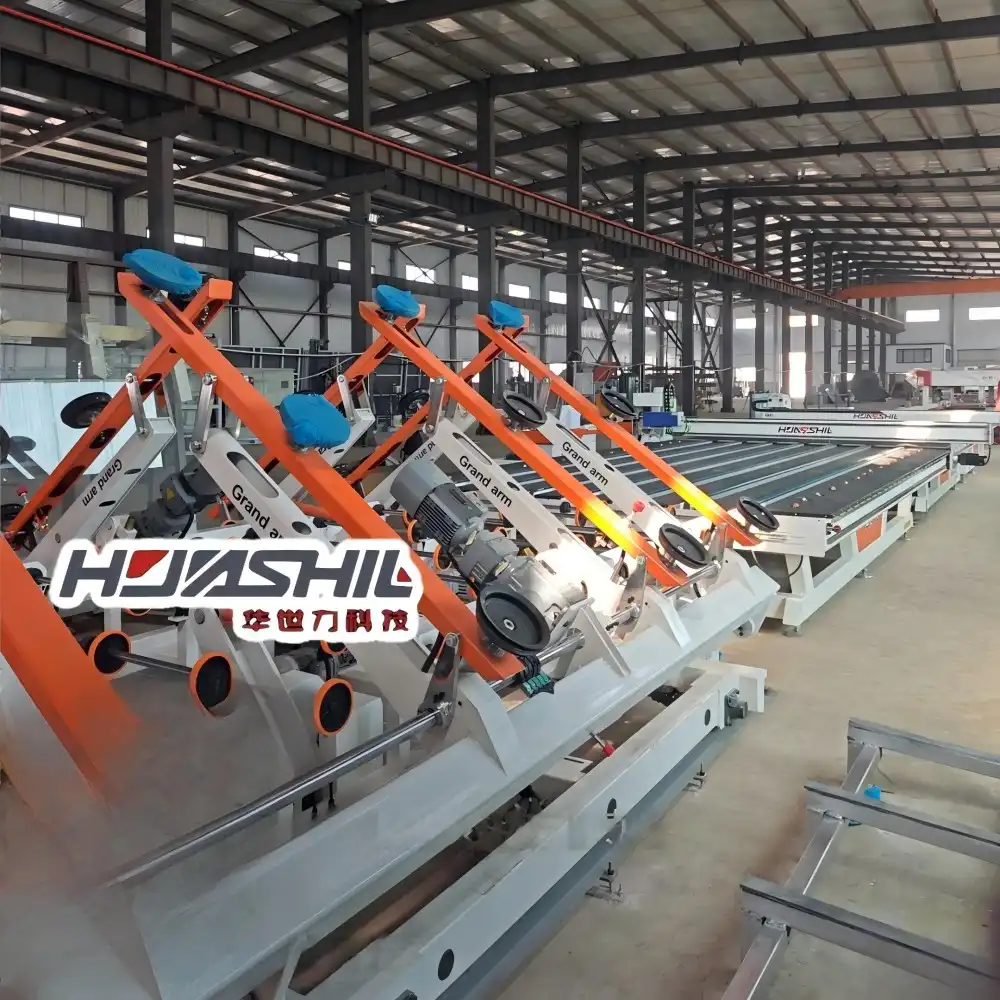
Safety and Risk Management in Using Automatic Glass Loading Machines
Comprehensive safety rules are the basis for automatic glass handling processes that work well. Putting safety measures into action correctly saves workers and makes sure that equipment works consistently and follows the rules.
Essential Safety Protocols and Training
Training programs for workers need to cover both normal operations and how to handle emergencies. The people who work there need to know a lot about machine safety systems, lockout/tagout processes, and how to use personal protective equipment correctly. Safety refresher classes should be held on a regular basis to make sure that people continue to follow changing business standards and government rules.
Checklists for pre-shift inspections, routine repair processes, and the right way to shut down a machine are all examples of machine operation standards. Safety events and close calls should be recorded so that safety measures can be improved over time. Testing of the emergency stop system should be done according to the manufacturer's instructions to make sure it works properly when it's needed.
Proactive Maintenance and Risk Mitigation
Schedules for preventive maintenance from automatic glass loading machine wholesalers that are based on what the maker says will stop most mechanical problems and make devices last longer. By checking pneumatic systems, electrical links, and mechanical parts on a regular basis, wear trends can be found before they cause major problems. Keeping track of spare parts supplies makes sure that repairs can be done quickly so that production doesn't stop.
As part of risk evaluation, possible failure types and their effects on operations should be looked at. When you plan for machine downtime, you should include backup routines and other ways to process data to keep output going. For insurance purposes, certain safety certificates and proof of operator training may be needed to make sure there is enough coverage.
Conclusion
Automatic glass loading tools are an important part of modern glass-making plants that work with heavy sheets. When you put precision robots, air floating technology, and smart control systems together, they make safety, efficiency, and output capacity much better. When you buy quality automated loading solutions from well-known companies like HUASHIL, you get a clear return on your investment in the form of lower labor costs, more consistent quality, and more operating freedom. To be successful, you need to carefully choose your vendors, give your operators thorough training, and commit to doing the right maintenance tasks that will ensure long-term dependability and performance improvement.
FAQ
Q1: What is the typical lifespan of an automatic glass loading machine?
When properly maintained and parts are replaced on a frequent basis, good automatic glass loading machines should work effectively for 10 to 15 years. Depending on how often they are used, important parts like suction cups, air seals, and electrical controls may need to be replaced every three to five years. Preventive repair plans greatly increase the life of equipment and keep it working at its best throughout its operational time.
Q2: Can automatic glass loading machines handle custom-sized heavy glass sheets?
These days, automatic filling systems can handle a lot of different sizes. The best ones can handle sheets up to 3660mm x 2440mm. Customization features let them be changed to fit different glass sizes, thicknesses, and weight needs. Advanced systems have programmable factors that change how the glass is handled based on its specs. This makes sure that both standard and unique sizes can be processed safely.
Q3: What warranty and after-sales services do manufacturers typically offer?
Reliable makers offer full guarantees that cover all major parts for 12 to 24 months, with longer warranties available for key systems. Technical support, extra parts delivery, online diagnostic help, and on-site service calls are all examples of after-sales services. Training programs for operators and support staff make sure that the right tools are used and that the guarantee is followed during the entire coverage time.
Partner with HUASHIL for Advanced Glass Loading Solutions
The automatic glass loading machines made by HUASHIL have been used by makers who need to reliably handle heavy glass. Our three-arm robotic systems with air floating technology can handle sheets up to 3660x2440mm and can be changed to fit specific production needs. As a top provider of automatic glass loading machines, we use cutting-edge tech and a wide range of support services to make sure that all of our machines work at their best. Email our technical team at salescathy@sdhuashil.com to talk about your unique application needs and set up a custom demo.
References
1. Glass Manufacturing Industry Council. "Automation Trends in Glass Processing: 2024 Industry Report." Industrial Glass Technology Journal, vol. 45, no. 3, 2024, pp. 23-41.
2. Roberts, Michael J., and Sarah Chen. "Safety Protocols for Automated Glass Handling Systems in Industrial Manufacturing." Occupational Safety in Manufacturing Review, vol. 28, no. 7, 2024, pp. 156-173.
3. Thompson, David L. "Economic Analysis of Automated vs Manual Glass Loading Systems." Manufacturing Efficiency Quarterly, vol. 19, no. 2, 2024, pp. 78-95.
4. International Glass Processing Association. "Technical Standards for Heavy Glass Sheet Handling Equipment: 2024 Guidelines." IGPA Technical Publication Series, no. 47, 2024.
5. Wilson, Jennifer K., et al. "Predictive Maintenance Technologies in Glass Processing Automation." Advanced Manufacturing Systems Journal, vol. 33, no. 4, 2024, pp. 201-218.
6. Martinez, Carlos R. "Integration Strategies for Glass Loading Automation in Existing Production Lines." Industrial Automation Today, vol. 52, no. 9, 2024, pp. 34-47.