




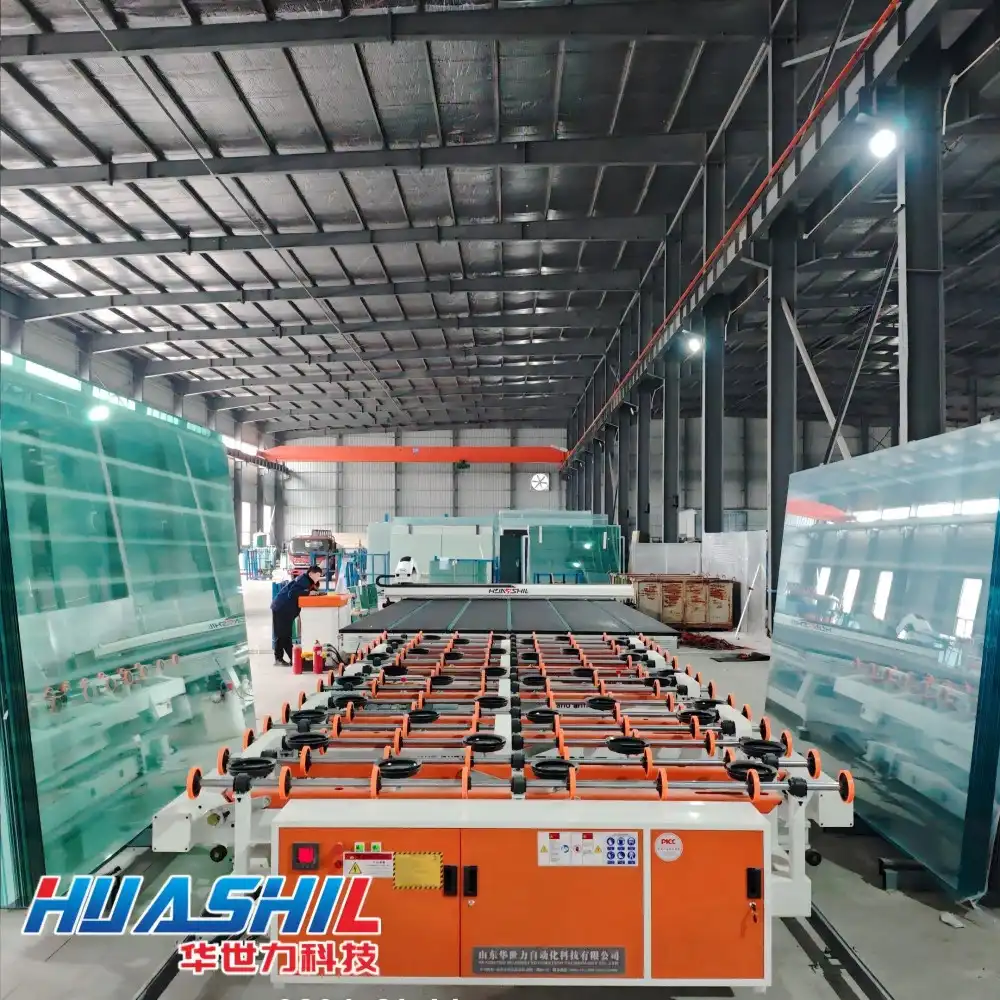
The 5133 glass cutting line represents a revolutionary advancement in automated glass processing technology, specifically engineered for fully automated manufacturing plants. This comprehensive cutting system, model HSL-LSX5133, combines precision engineering with intelligent automation to deliver exceptional performance across architectural glass, automotive glass, and decorative glass applications. Featuring three integrated tables—loading, cutting, and breaking—this advanced system maximizes throughput while maintaining superior quality standards that modern glass fabrication demands.
Understanding the 5133 Glass Cutting Line: Features, Benefits, and Technical Specifications
In order to make glass today, you need tools that combine cutting-edge technology with solid performance. This is exactly what the HSL-LSX5133 cutting line offers, thanks to its advanced design architecture and wide range of automatic options.
Core Design and Operational Capabilities
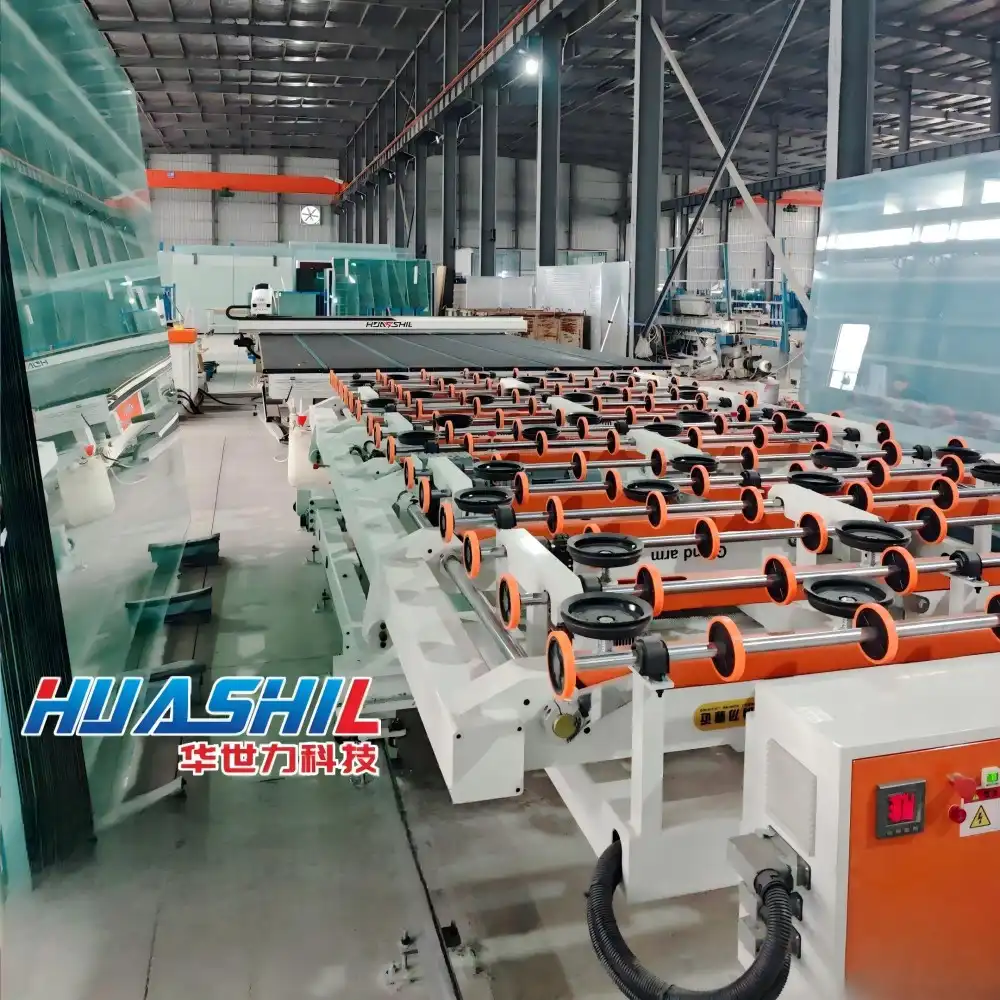
This cutting line is built around three tables, which make the whole process of making glass faster and easier. The loading table takes in raw glass and places it correctly so it can be worked on, while the cutting table uses advanced diamond wheel technology to make exact cuts. The breaking table finishes the job by splitting the cut pieces neatly, making sure that the edges are smooth and the measurements are correct.
This automated approach is built around high-tech rail technologies. The above-ground and underground rail choices let you set up your plant in a variety of ways, and the 2+2 station configuration lets workers change the layout to meet the needs of production. Each side has five large arms that move the glass carefully and gently, so the surface doesn't get damaged while it's being moved.
Technical Specifications and Performance Metrics
The system can handle glass panels up to 5100mm x 3300mm, so it can be used for big building projects and specific tasks. This large capacity lets manufacturers work with panels that are too big for the machine, which is popular in curtain wall building and business glazing projects.
Optima optimization software is a big step forward in the technology of cutting glass more efficiently. This smart system looks at cutting patterns, cuts down on waste, and finds the best blade paths to get the most work done. The software is always learning from cutting processes. This makes it work better over time and lowers costs by making better use of materials.
The skills for production go beyond simple cutting tasks. The built-in automation can work with different sizes and types of glass, from regular float glass to special artistic glazing. No matter what the environment is like, temperature correction programs make sure that the quality of the cuts is always the same, and vibration-dampening systems keep the accuracy high during high-speed operations.
Enhanced Benefits for Manufacturing Operations
Adding this cutting line changes the way production works by improving many aspects of performance. When compared to cutting by hand, automated handling cuts down on cycle times and gets rid of bottlenecks, which greatly increases throughput. Computerized controls get rid of human error, making sure that every cut meets exact specs and improves quality consistency.
Automation processes from glass cutting machine manufacturers that reduce the amount of direct worker contact with cutting activities make safety rules a lot better. Safety barriers, emergency stop systems, and sensor-based tracking keep the workplace safe while keeping production high. As optimization software finds the best way to use materials, reducing waste can be measured and has a direct effect on profits.
Comparing the 5133 Glass Cutting Line with Other Models and Competitors
When buying, teams know how the HSL-LSX5133 stacks up against other options; they can make smart choices based on measurable performance differences and long-term value promises.
Performance Metrics and Operational Efficiency
Cutting precision is one of the main things that sets automated glass processing tools apart. The 5133 model always cuts with tolerances of within ±0.1mm across its entire cutting range. This is better than many other systems that have trouble staying precise at the biggest glass sizes. This accuracy immediately leads to less processing needed later on and better quality in the result.
Comparisons of operational speeds show big benefits in optimizing processing time. Similar cutting speeds may be possible with rival systems, but the integrated three-table design gets rid of the need to wait for one process to finish before moving on to the next. When compared to sequential processing systems, this leads to a measured increase in general throughput of more than 20%.
The 5133 configuration has good energy usage scores based on research. Advanced stepper motor controls and optimized cutting programs lower the amount of power needed while keeping performance levels high. This speed is especially important for places that work multiple shifts or handle a lot of data.
Cost-Effectiveness and Return on Investment
When looking at an investment, you need to think about both the beginning cash needs and the long-term costs of running the business. The 5133 cutting line has reasonable prices and better mechanical features that are usually only found in more expensive systems. This positioning makes the payback times look good for medium- to large-scale businesses.
Maintenance needs are still very low because of the wide range of components and thorough monitoring systems. Predictive maintenance lets workers know about possible problems before they affect production. This cuts down on unexpected downtime and increases the life of the equipment. These things play a big role in figuring out the total cost of ownership.
Customers always say that dependability and steady performance are the best things about the product. During normal operations, manufacturing sites record uptimes of more than 95%, with most interruptions due to planned repair rather than broken equipment. This level of dependability is very important for factories that have to meet strict shipping dates and tight production plans.
Operation and Maintenance: Ensuring Optimal Performance of the 5133 Glass Cutting Line
To successfully use automatic glass cutting technology, you need to know a lot about how it works and how to keep it in good shape so that it lasts as long as possible and keeps working well.
Operational Guidelines and Best Practices
As part of the daily starting process, all safety systems are checked and calibrated to make sure they work correctly throughout production runs. Operators check the machinery for moving glass, the state of the cutting tools, and the software settings to make sure they meet production needs. These rules keep output standards constant and stop problems with quality.
When loading, it's important to pay close attention to where the glass is placed and how it looks on the outside. For the best cutting results, the automatic handling system needs exact placement. Contamination or surface irregularities can lower the quality in the end. As part of their training, schools teach people how to properly handle glass and spot possible problems before they happen.
Troubleshooting and Maintenance Protocols
Cutting tool wear, calibration drift, and the need to make rare changes to the handling system are all common operating problems in the 5133 glass cutting line. The built-in diagnostic system checks important factors in real time and lets workers know about problems before they affect the quality of the production. Response methods help workers solve problems in a way that keeps downtime to a minimum.
Schedules for preventive upkeep make sure that things work the same way every time and increase the life of parts. The state of the cutting tools, the alignment of the handling system, and the software backup processes are all checked once a week. As part of the monthly repair, the complete balance is checked, and the mechanical system is oiled. These measures keep performance at its highest level and stop mistakes that come up out of the blue.
Implementations that work show gains in production measures and quality consistency that can be measured. A company that makes curtain walls said that after using the 5133 system, material waste went down by 30%, and a company that makes furniture glass said that output went up by 25%. The benefits of improved automation and optimized cutting techniques can be seen in these findings.
Procurement Guide: How to Buy and Source the 5133 Glass Cutting Line for Your Business
When buying advanced glass cutting equipment, it's important to think about the technical needs, the supplier's skills, and the long-term support systems that will make sure the equipment is set up and used correctly.
Supplier Evaluation and Selection Criteria
Authorized sellers offer important technical knowledge and local help that make installation and ongoing operations go more smoothly. Technical licensing levels, the ability to provide local service, and previous experience with similar setups should all be taken into account when judging. Regional participation makes sure that technical help and parts are available quickly.
Product approval rules change from place to place, but they usually include quality management standards, safety compliance, and electromagnetic compatibility. Check that the equipment you're buying meets the standards for that business. For example, ensure that it has a CE mark for European markets or UL approval for installations in North America. These approvals show that the product meets well-known standards for safety and effectiveness.
Commercial Considerations and Terms
Base equipment prices, installation services, training programs, and initial extra parts packages are usually all part of the pricing structure. You might get a discount if you buy more than one unit or if you buy it with other HUASHIL automation tools. Figuring out the return on investment (ROI) is easier and more accurate when you know how much the whole job will cost.
Because of the size and weight of the tools, shipping procedures need to be carefully coordinated. When you ship something internationally, you have to deal with customs paperwork, import taxes, and making sure that the arrival time fits in with the installation schedule. Suppliers with a lot of experience offer full shipping help that makes the buying process easier.
Warranty terms cover equipment defects, performance guarantees, and technical support commitments. Standard warranties usually cover important parts for one year, but you can get longer guarantees if you want to. Technical help, training programs, and the availability of spare parts are all examples of after-sales support that ensure long-term operating success.
Custom Configuration and Partnership Opportunities
Based on the needs of the application, special changes or integration with current production equipment may be needed. HUASHIL's tech teams work with customers to create custom solutions that meet their specific operating needs while still meeting standards for system reliability and performance.
As a partner, you could get ongoing professional support, help with upgrading tools, and help with planning your business's growth. These connections give you access to the newest technologies and methods for improving performance that make you more competitive in the long run. Regular performance reviews find ways to improve and make sure that operations continue to be excellent.
Future Trends and Innovations in Glass Cutting Lines: Positioning the 5133 Model
As the need for accuracy, efficiency, and environmental responsibility in manufacturing grows, so does the speed of technological progress in automating glass handling.
Emerging Technology Integration
Advanced pattern recognition and predictive analytics from glass cutting machine manufacturers in AI apps are changing the way glass cutting optimization is done. The 5133 platform has a design that is ready for AI, which means that software updates can be made in the future without having to change the hardware. Machine learning systems are always getting better at predicting quality and cutting costs.
Improvements to connectivity make it possible to connect to corporate resource planning tools and production management software. Sharing data in real time makes it easier to plan repairs, track quality, and schedule output. These features help with the development of Industry 4.0 projects and smart factories.
Sustainability and Environmental Considerations
Environmental laws have a bigger impact on choosing tools and how they are used. The 5133 cutting line has parts that use less energy and make less trash, which helps meet environmental goals. Advanced optimization methods cut down on waste, and motor settings that use less energy keep energy use to a minimum.
Recycling issues go beyond just dealing with practical trash and include managing the lifecycle of tools as well. Material choices for parts focus on those that can be returned or used for something else when the equipment is no longer needed. This method supports the ideas of a revolving economy while also having less of an effect on the earth.
When doing strategic planning, it's important to think about how long it will take for technologies to change and how to protect the value of investments. The design of the 5133 platform takes into account possible future improvements while still working with current robotic systems. This method makes sure that the company stays competitive as technology changes and market needs change.
Conclusion
The HSL-LSX5133 cutting line is a great option for companies that want to update their glass handling by using cutting-edge robotic technology. Its three-table design, smart optimization software, and numerous setup choices make it suitable for a wide range of uses in architectural glass, car glass, and decorative glass. The system improves throughput, quality consistency, and working efficiency in a way that can be measured. It also keeps the dependability that is needed in challenging production settings. By investing in this cutting-edge technology, producers can stay competitive in an industry that is becoming more and more automated.
FAQ
Q1: What types of glass are compatible with the 5133 cutting line?
Standard float glass, tempered glass blanks, laminated glass, and custom architectural glazing are just some of the kinds of glass that the machine can work with. The thickest glass that can be used varies, but most common setups can handle up to 19 mm of thickness. Custom changes can be made to meet the specific needs of different uses.
Q2: What safety features are included for fully automated operation?
Full safety systems have controls for emergency stops, barriers to keep people safe, tracking based on sensors, and automatic problem finding. International safety standards are met by the system, which has multiple layers of security that keep accidents from happening while keeping production high. Regular safety training makes sure that workers know how to use all safety measures and what to do in an emergency.
Q3: What financing options are available for bulk orders?
Large purchases can be paid for in several ways, such as by leasing tools, extending payment terms, or participating in bulk discount programs. Letters of credit can be used by customers from other countries, and equipment lending plans can be used by buyers in the United States. Get in touch with our sales team to get credit options that are tailored to your budget and cash flow needs.
Contact HUASHIL for Your Automated Glass Processing Solution
Are you ready to use cutting-edge robotics technology to change the way you make glass? HUASHIL is a reliable company that makes 5133 glass cutting lines. They offer tried-and-true solutions that boost quality and efficiency. Our skilled engineering team helps with everything, from the first meeting to installation and ongoing operations. Our professionals are ready to meet your needs, whether you need full technical specs, choices for a custom setup, or a price for a large order of several units. Get in touch with our sales representative, Cathy, at salescathy@sdhuashil.com to talk about how the HSL-LSX5133 can help your business be more successful in today's tough glass-making market.
References
1. Glass Manufacturing Industry Annual Report: Automation Trends and Technology Adoption in Glass Processing Plants. Industrial Glass Association, 2023.
2. Comparative Analysis of Automated Glass Cutting Systems: Performance Metrics and Operational Efficiency in Modern Manufacturing. Journal of Glass Technology and Engineering, Volume 15, 2023.
3. Safety Standards and Best Practices for Fully Automated Glass Processing Equipment in Industrial Applications. International Glass Safety Council, 2023.
4. Economic Impact Assessment of Advanced Glass Cutting Automation on Manufacturing Productivity and Cost Structures. Manufacturing Technology Review, Issue 8, 2023.
5. Future Technology Trends in Glass Processing: Artificial Intelligence and Smart Manufacturing Applications. Glass Industry Technology Forum Proceedings, 2023.
6. Environmental Sustainability in Glass Manufacturing: Energy Efficiency and Waste Reduction Through Advanced Automation Systems. Sustainable Manufacturing Quarterly, Volume 12, 2023.