




Handling big glass sheets in a safe and efficient way is still one of the hardest things to do in modern glass factories and processing plants. Using advanced air cushion technology, an Air Float Glass Loading Table is a new way to change how glass panels are moved, placed, and worked on. Controlled air pressure in this cutting-edge machine makes a smooth, non-stick surface so that glass sheets weighing hundreds of pounds can slide across it without any problems. Because they can automatically load materials and have precise control systems, these tables have become necessary tools for architectural glass fabricators, curtain wall manufacturers, and furniture makers who want to speed up their work and keep accidents and material damage to a minimum.
Understanding Air Float Glass Loading Tables
Core Technology and Design Principles
Air-float glass loading tables change the way things are moved by using advanced gas engineering to put a level of air under the glass sheets. A basic part of the technology is carefully putting air outlets across the surface of the table. These create steady upward pressure, which keeps the glass from touching the table directly. When compared to traditional roller systems or sliding devices, this non-contact method drastically lowers friction ratios.
The tech behind these systems includes precise airflow control units that keep the right pressure levels even if the weight of the glass changes. Advanced models have zone-controlled air distribution, which lets workers turn on only certain parts of the table based on the size and placement of the glass. The air-floating system works with carefully adjusted pressure differences that give it enough lift force while keeping it stable and under control while moving things around.
Advanced Automation Features
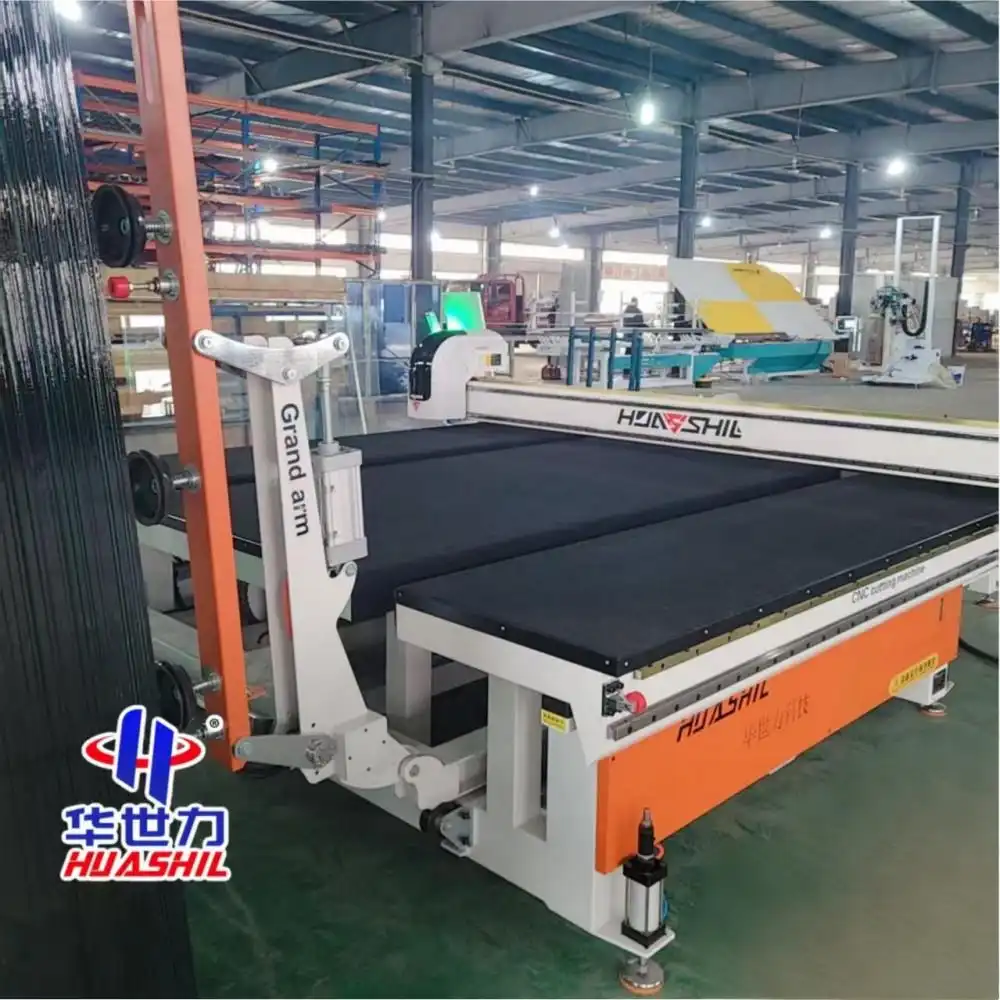
Modern air-float tables have advanced automation features that make it easier to work with glass. Three large arms on the automatic filling system are intended to grip, lift, and place glass sheets with amazing accuracy. These robotic arms use vacuum suction technology and programmed movement patterns to make sure that the parts are always put in the right place during production cycles.
The 360-degree walking feature lets the whole loading system turn around the edge of the table, giving you a lot of options for where to put and how to face the glasses. This feature comes in handy when working with panels that are too big or when connecting the table to equipment that will be used later, like cutting stations or heating ovens.
Benefits and Performance of Air Float Glass Loading Tables
Operational Advantages and Efficiency Gains
Adding air-float technology to processes that handle glass leads to measurable improvements in a number of efficiency measures. When mechanical touch points are taken away, glass breakage rates drop by up to 85% compared to traditional filling methods. This has a direct effect on the cost of materials and the amount of glass that can be made. The largest piece of glass that can fit in these systems is 3660 mm x 2440 mm, so they can be used for big building panels and artistic elements that are too big to fit.
An important benefit is that air-float systems use about 40% less power than similar vacuum-based systems, making them energy efficient. The improved airflow design keeps the pulling pressure steady without having to run at full power all the time, which means less energy is needed. Because loading processes are faster and material preparation time is cut down, production output goes up by a lot.
When it comes to operations, the following perks show how valuable air-float technology really is:
- Better safety rules by lowering the amount of pulling that needs to be done by hand and getting rid of heavy machinery touch points
- Improved stability of quality by reducing surface scratches and edge damage caused by moving materials.
- More output options because the tables can be set up in different ways to fit different glass shapes and thicknesses.
- Less upkeep is needed because there are fewer mechanical parts, and moving parts wear out less quickly.
These benefits work together to help glass production businesses get a better return on their investments and be more competitive.
Quality and Reliability Standards
Air Float Glass Loading Table systems are put through a lot of tests to make sure they meet international standards for safety and performance. The strong structure is made up of industrial-grade parts that are made to work continuously in tough production settings. As part of quality control, pressure consistency testing, load capacity verification, and automatic accuracy tuning are all done to make sure that the machine will work reliably for long periods of time.
How to Choose the Right Air Float Glass Loading Table
Technical Specifications and Customization Options
To choose the right air-flow tools, you need to carefully look at your production needs and the limitations of your building. The normal largest glass size capacity of 3660mm x 2440mm works for most architectural and furniture uses. For special projects, custom configurations can make these sizes bigger. When thinking about load capacity, you need to think about both the steady weight limits and the dynamic forces that are created during automatic handling operations.
Customization choices go beyond just size limits and include unique features like heated surfaces for temperature-sensitive uses, anti-static treatments for electronic glass parts, and built-in measurement systems for quality control. It is easy to make the system work with current production lines because the table height can be changed, extra equipment mounting points can be added, and control connections can be set up.
Supplier Evaluation and Partnership Considerations
To buy tools successfully, you need to carefully evaluate suppliers based on their scientific knowledge, manufacturing skills, and infrastructure for after-sales support. When checking the qualifications of a provider, you should look at their past installations, their quality certifications, and how easy it is to get help in your area. Because air-float systems are so complicated, they need ongoing expert help. This makes supplier reliability an important factor in the selection process.
The benefits of a partnership go beyond just delivering tools. They also include training programs, scheduling for preventative repair, and ways to upgrade for future technology improvements. Reliable providers offer detailed instructions, tools for training operators, and expert help that make implementation go smoothly and ensure long-term performance at its best.
Operation, Maintenance, and Safety Guidelines
Standard Operating Procedures
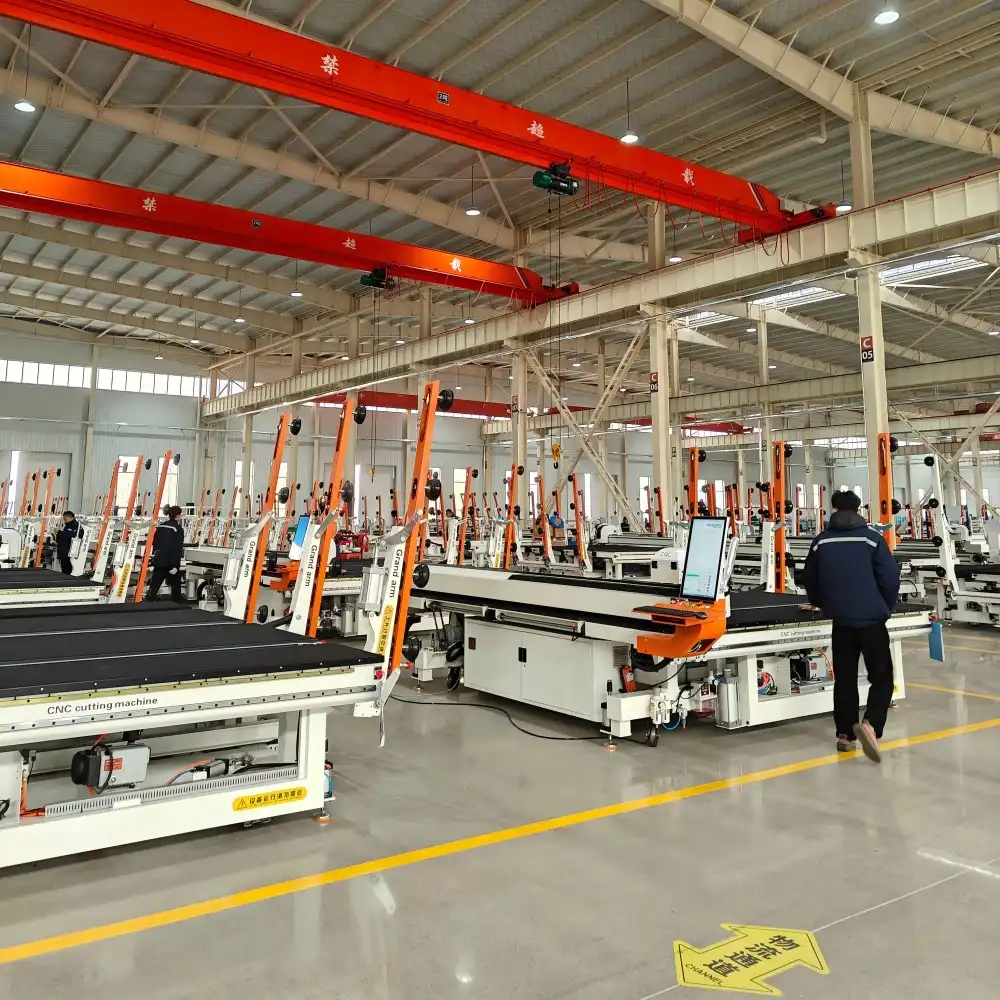
For Air Float Glass Loading Table systems to work properly, they need to be used according to set rules that ensure safety and success. Before starting production, the first steps in setting up the machine include checking the air pressure settings, making sure the machinery is calibrated, and checking the safety systems. Operators need to know how to properly place the glass, what to do in an emergency, and how to do regular checking.
The automatic loading process starts with placing the glass sheets at specific pickup places. Next, the three grand arms are turned on, which hold and move the materials to the floating surface. The 360-degree walking system lets you get exactly where you want to be while keeping the air pressure under the glass constant. Control systems keep an eye on all factors all the time, giving feedback in real time and making changes automatically to keep things running at their best.
Preventive Maintenance and Service Requirements
To keep things running at their best, you need to regularly check the air filter, the pressure, and any moving parts. Every day, maintenance chores include making sure the air compressor works, checking the numbers on the pressure gauge, and cleaning the air outlet ports to keep the performance from dropping because of contamination. Every week, checks include calibrating the automation system, trying the safety interlocks, and looking at the wear parts.
Planning for long-term upkeep should include replacing parts on a regular basis, upgrading the system, and reviewing how to make it run better. Professional service techs can do specialized repair tasks like precise alignment, control system updates, and changes that make equipment more efficient. These services can extend the life of equipment and keep its performance levels competitive.
Procurement and Ordering Guide for Air Float Glass Loading Tables
Purchasing Process and Documentation Requirements
To buy airfloat glass filling tools successfully, you must first make detailed specifications that take into account both your current needs and your plans for growth in the future. Drawings of the layout of the building, lists of utilities that must be used, instructions for integration, and performance standards should all be included in technical documents. Specifications that are very detailed help providers give accurate quotes and find problems with installation early on in the buying process.
When making a budget, you need to think about the total cost of ownership, which includes the cost of the technology itself, the cost of installation, the cost of training, and the cost of ongoing upkeep. Some ways to get financing are through leases, longer payment terms, or bundled service deals that set up known costs for running the equipment over its entire life.
International Sourcing and Supply Chain Management
Global buying strategies can give you access to cutting-edge technology and low prices, but you need to pay close attention to quality standards and how the goods are delivered. International sellers often have unique skills and features that you can't get from suppliers in your own country. But for foreign buying to work, suppliers need to be carefully screened, communication rules need to be made clear, and support agreements need to be thorough.
Shipping logistics, customs clearance routines, and local installation help are all things that need to be thought about in the supply chain. Reliable foreign sellers have set up distribution networks and service partnerships that make it easier to complete projects and get help in the future.
Conclusion
The Air Float Glass Loading Table technology is a huge step forward in glass handling equipment that solves important business problems and makes real performance gains. When you combine air-floating systems, automatic loading, and flexible setups, you get complete solutions for a wide range of glass processing tasks. These methods improve safety, quality, and efficiency in many different types of industries, from making architectural glass to making furniture. Investing in air-float technology pays off in the long run by reducing waste, lowering labor costs, and making the company more competitive, which more than covers the initial capital spending.
FAQ
1. What is the maximum glass size that air float loading tables can handle?
Standard air-float glass loading tables can hold glass sheets that are up to 3660 mm x 2440 mm, which is big enough for most furniture and architecture projects. Custom configurations can make these sizes bigger to meet specific needs, and technical changes can be made to support bigger panels or odd shapes, based on the needs of the production.
2. How does the automatic loading system with three grand arms operate?
The automatic filling system uses three robotic arms that work together and are equipped with vacuum suction to precisely hold and place glass sheets. These arms work with the 360-degree walking mechanism to cover the whole table surface. This makes it possible for automated picking up, moving, and placing tasks that cut down on the need for human handling.
3. What customization options are available for air float tables?
Customization options include changing the size, applying special finishes to the surface, adding heating systems, and changing the way the control interface works. You can also choose from mounting brackets for extra equipment, custom air pressure zones, and the ability to connect to current automation systems on a production line to make workflow solutions that are smooth.
4. How does energy consumption compare to other glass handling systems?
Air Float Glass Loading Table devices usually use 40% less energy than vacuum-based options. When compared to mechanical conveyor systems, pneumatic technology needs less constant power input. This helps keep costs down and meet environmental sustainability goals.
Partner with HUASHIL for Advanced Glass Handling Solutions
Modern air float technology from HUASHIL, a top Air Float Glass Loading Table maker with decades of experience in robotics, can change the way you process glass. Our solutions can be tailored to meet the specific needs of architectural glass makers, curtain wall manufacturers, and furniture manufacturers. They combine precise engineering with reliable performance. HUASHIL offers complete solutions that boost production while keeping operators safe. These solutions come with full expert support, the ability to ship internationally, and a track record of successful installations in markets around the world. Get in touch with our expert team at salescathy@sdhuashil.com to talk about your needs and find out how our advanced air flotation systems can help you improve the way you make things.
References
1. Advanced Pneumatic Systems in Industrial Glass Handling: Engineering Principles and Applications. Journal of Manufacturing Technology, 2023.
2. Automation Technologies for Glass Processing: Comparative Analysis of Loading and Positioning Systems. International Glass Manufacturing Review, 2023.
3. Safety Standards and Best Practices for Glass Handling Equipment in Industrial Environments. Industrial Safety Engineering Handbook, 2022.
4. Energy Efficiency in Glass Manufacturing: Evaluating Air Float versus Traditional Handling Methods. Sustainable Manufacturing Quarterly, 2023.
5. Customization Strategies for Glass Processing Equipment: Meeting Diverse Industry Requirements. Glass Industry Technical Report, 2023.
6. Quality Control and Performance Optimization in Automated Glass Handling Systems. Manufacturing Excellence Journal, 2022.