




Professionals in the glass business need to find the most reliable CNC glass cutting tools for flat glass processing that deliver accuracy, speed, and consistent quality. By mixing computer-controlled automation with advanced cutting technologies, modern CNC glass cutting equipment changes the way factories work. This lets them get better results while cutting costs and material waste in a wide range of industry settings.
Introduction
CNC glass cutting equipment is very important in the flat glass processing industry because it gives manufacturers all over the world unmatched accuracy and speed. Modern automated glass cutting systems have transformed traditional manufacturing processes, enabling companies to achieve consistent quality while significantly reducing material waste and labor costs. The integration of computer numerical control technology with advanced cutting mechanisms provides manufacturers with the capability to handle complex geometries and maintain tight tolerances that manual processes simply cannot achieve.
When global B2B procurement professionals choose the best CNC solution, they have to carefully think about a number of factors, such as the required glass thickness, production capacity, level of automation, and long-term operational costs. The choice affects not only the ability to produce right away, but also the ability to grow and compete in a market that is becoming more demanding. Understanding the technological landscape and available options becomes crucial for making informed investment decisions.
We have years of experience developing and deploying CNC glass cutting solutions in a wide range of industry settings. We support global clients with innovative, reliable equipment designed to enhance flat glass manufacturing processes while ensuring seamless integration with existing production lines. This in-depth guide covers core technologies, machine types, and practical buying factors made just for procurement professionals who want to improve their glass working skills and achieve long-term growth by making smart equipment investments.
Understanding CNC Glass Cutting Equipment and Its Advantages
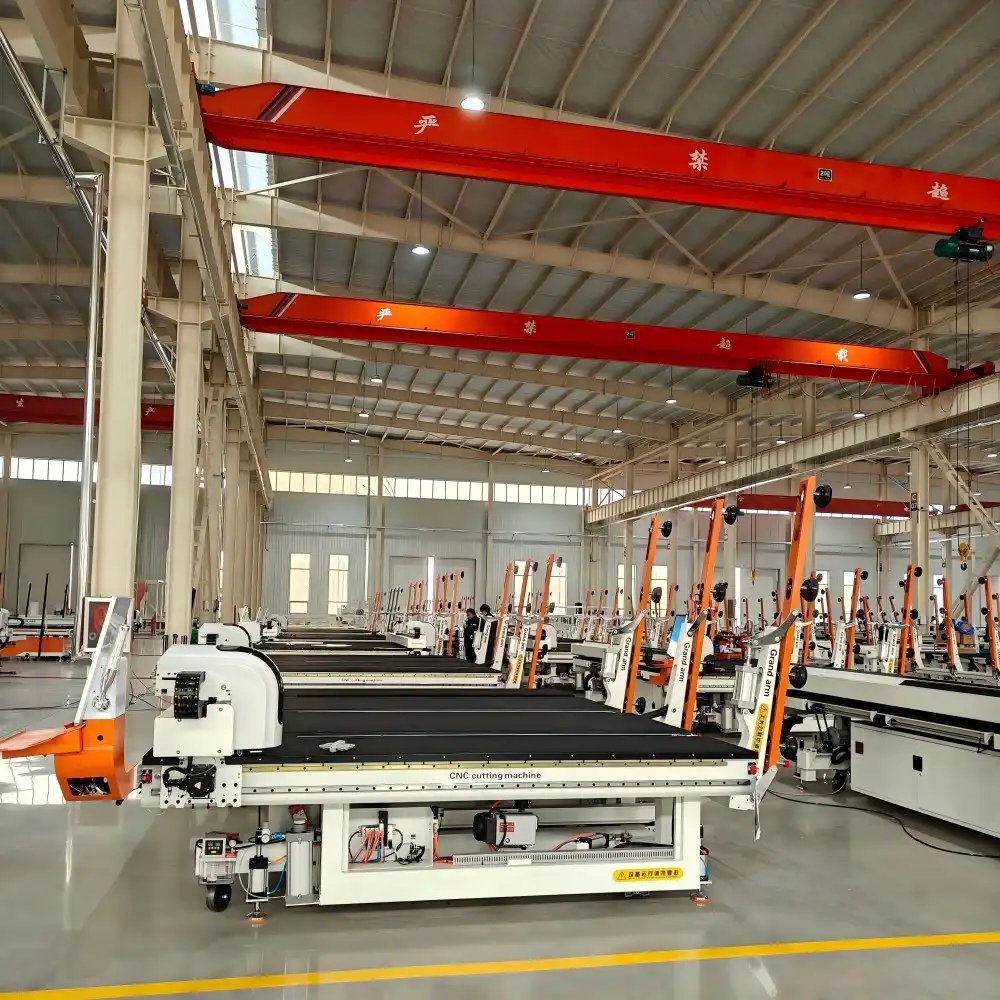
CNC glass cutting equipment combines computer numerical control with advanced cutting technologies, enabling automated, highly precise flat glass processing across various industrial applications. Programmable controllers in these high-tech systems make it possible to follow cutting patterns very precisely, removing human error and ensuring uniform quality standards across production runs. The technology includes several cutting methods, such as mechanical scoring, laser cutting, and waterjet cutting. Each is best for a certain type of glass and the thickness that is needed.
Superior Precision and Consistency
Modern automated cutting systems deliver precision levels that exceed manual cutting capabilities by significant margins. The computer-controlled placement makes sure that the accuracy is always within a few micrometers. This lets makers meet strict quality standards for uses in architecture, cars, and decorative glass. This level of accuracy immediately leads to less wasteful material use, higher yield rates, and better product quality that always meets or exceeds customer standards.
Operational Efficiency and Cost Reduction
CNC machines are more efficient than human methods because they have automated processes that reduce the amount of work that needs to be done while increasing output. Without much control, the systems work all the time, which lets makers boost production without having to pay their workers more. Advanced optimization software figures out the best ways to cut things so that as little material is wasted as possible. This saves a lot of money over time and supports environmental efforts.
Technological Versatility
Different cutting methods are used for different types of glass and uses, from plain float glass to tempered and fused glass. Laser cutting systems are great at cutting thin materials and detailed patterns, while waterjet technology is great at cutting thick glass pieces with complicated shapes. For standard flat glass processing, mechanical scoring systems are a cost-effective option that is a great value for high-volume production settings. A lot of new systems have features that are good for the climate and tools that save energy. These lower costs help reach goals for environmental sustainability.
Top Best CNC Glass Cutting Equipment for Flat Glass Processing in 2026
Selecting the best CNC glass cutting machine involves evaluating multiple performance criteria, including precision capabilities, processing speed, durability, and total cost of ownership. Leading manufacturers have come up with complex solutions that meet the needs of a wide range of industries. These solutions include advanced automation features and user-friendly interfaces that make operation and maintenance easier.
HUASHIL HSL-YTJ3826 Advanced Glass Cutting System
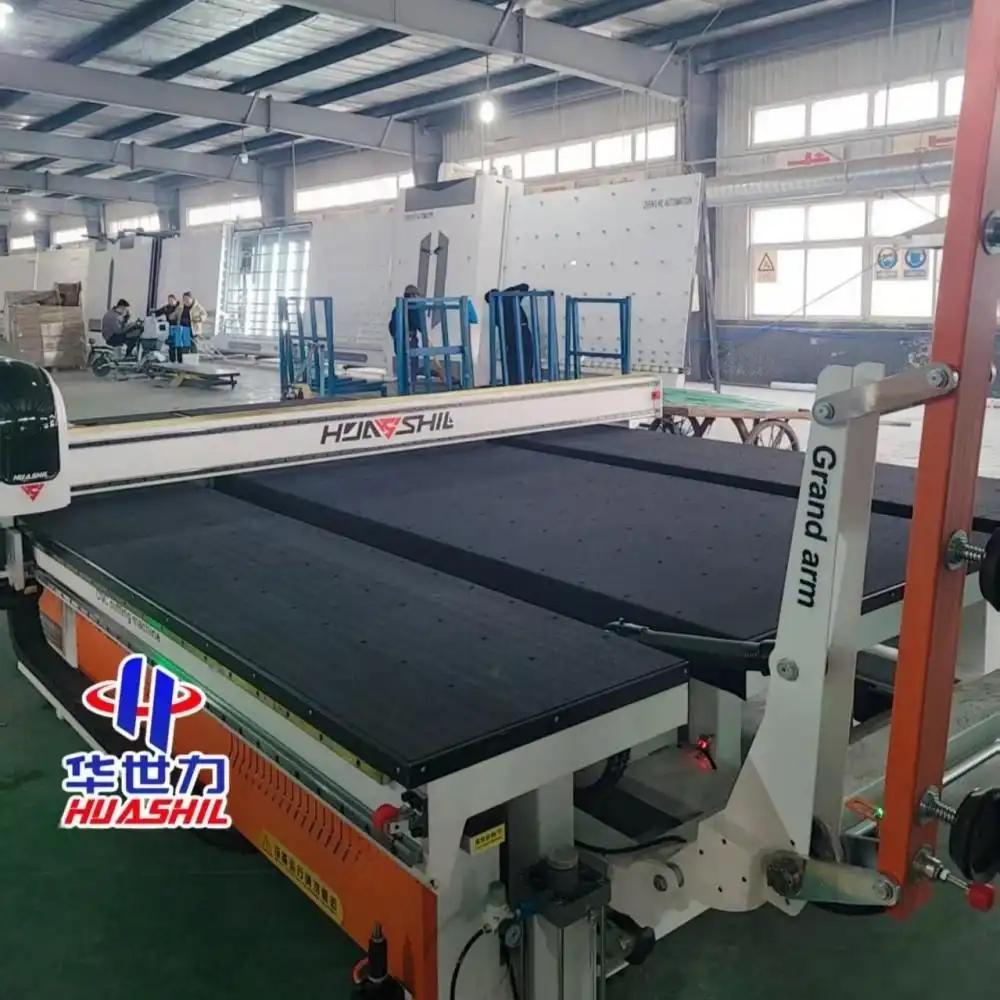
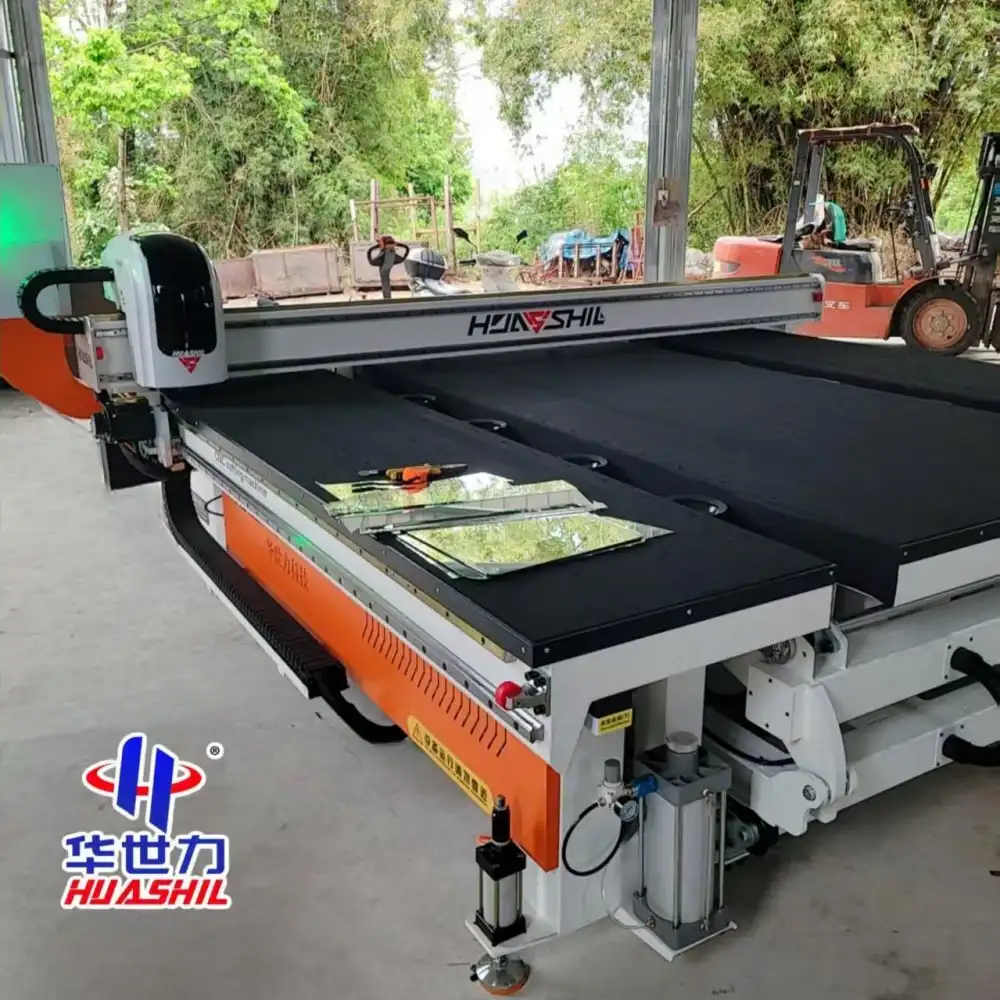
The HSL-YTJ3826 is the latest and greatest in automatic glass processing. It was made for high-volume production settings that need the highest level of accuracy and dependability. This complete system can work with glass panels up to 3660mm x 2440mm and 2mm to 19mm thick, so it can be used for building glass, making furniture, and curtain walls. The machine's measurements (5550 x 4925 mm) give you a lot of space to work while still making good use of your floor space.
Some important technological benefits are:
- Automated Loading System: This system cuts down on the need for human handling and makes sure that every piece of glass that goes through the system is placed correctly every time.
- Intelligent Pressure Control: This feature changes the cutting settings automatically based on the thickness and type of glass, making the cutting quality better while reducing stress cracks.
- Advanced Edge Detection: Fine sensors automatically find the sides of the glass and change the cutting paths. This cuts down on setup time and the level of skill needed by the user.
- Air Flotation Technology: Keeps the surface of the glass in perfect condition during preparation by reducing surface touch and scratching.
The built-in Optima optimization software figures out the best way to cut things so that as little waste as possible is created while still keeping production running smoothly. The breaking table extension lets you do all of your processing in one system, and the 360-degree remote control lets workers watch and change operations from a safe distance. CE and ISO9001 certifications ensure compliance with international safety and quality standards, providing confidence for global procurement decisions.
Comparative Technology Analysis
Knowing the differences between cutting-edge technologies helps buying professionals choose the best options for their needs. When it comes to standard flat glass processing, CNC mechanical scoring systems are very cost-effective. They work reliably and have lower running costs than laser or waterjet options. When speed and accuracy are more important than being able to make complicated patterns, these methods really shine in high-volume production settings.
Laser cutting is more flexible than mechanical systems when it comes to complex geometries and thin glass materials. It lets makers make intricate patterns and exact cuts that mechanical systems can't. Laser systems, on the other hand, need bigger initial investments and more regular upkeep, so they work best for tasks that need advanced pattern capabilities or high-quality glass products.
Waterjet cutting is very accurate and can work with thick glass sections and complicated three-dimensional forms. This makes it perfect for specific uses in building and artistic glass processing. Materials up to a few inches thick can be used with this technology, and the edges stay smooth. However, the technology has higher operating costs because it needs more consumables and energy.
How to Choose the Best CNC Glass Cutting Equipment for Your Business Needs?
Successful procurement strategies begin with clearly defining business requirements, including glass types, production volumes, quality specifications, and budget constraints. When procurement specialists know these basic factors, they can systematically look at the different equipment choices and make sure that the solutions they choose meet both short-term wants and long-term growth goals.
Production Volume and Capacity Planning
The amount of production directly affects the choice of tools, since different methods work best at different levels of throughput. Automated loading systems, ongoing production, and advanced optimization software that makes the best use of materials are all good for high-volume processes. This method is shown by the HSL-YTJ3826 synchronous belt moving system, which moves glass smoothly throughout the working cycle while keeping quality standards high.
Medium-volume businesses may choose systems that can handle different types and sizes of glass on a single base over those that can go the fastest. These programs have quick switchover options, easy-to-use code interfaces, and flexible designs that let them grow as production needs change in the future.
Technical Specification Requirements
The range of glass thickness has a big effect on the choice of tools because different cutting methods work best with different types of materials. Advanced systems like the HSL-YTJ3826 can handle thicknesses between 2 and 19 mm, which covers most business needs and allows for growth in a variety of product lines. In building and curtain wall uses, where large panels need special handling and processing tools, the ability to make glass in bigger sizes is essential.
Different uses have different precision needs. For example, car and computer glass need tighter tolerances than general building materials. Knowing these specs helps buying teams compare the capabilities of equipment to the real needs of production. This way, they can make sure that the systems they choose meet the quality standards without adding too much complexity or cost.
Integration and Workflow Considerations
Cutting systems need CNC glass cutting equipment to work well with existing production workflows in modern manufacturing environments. To keep the production flow going, automated systems should work well with both equipment that handles glass upstream and units that process glass downstream. Advanced systems have features like 360-degree remote controls and automated edge finding that make operators less needed while still allowing for operating freedom.
As more producers use digital process management systems, software compatibility is becoming more and more important. When choosing equipment, it's important to make sure that it can work with current business resource planning systems, production scheduling software, and quality management databases. This will give you full control and access over your operations.
Maintenance, Troubleshooting, and Safety Guidelines for CNC Glass Cutting Equipment
Proper repair procedures increase the life of equipment, make sure it works consistently, and reduce unplanned downtime that delays production plans. These days, CNC glass cutting systems have diagnostic tools and maintenance reminders that help operators keep the equipment running at its best for as long as it lasts.
Preventive Maintenance Protocols
Schedules for regular repair cover many parts of the system, such as cutting tools, gas systems, control software, and mechanical drives. The air flotation system requires periodic filter replacement and pressure calibration to maintain smooth glass movement without surface contamination. To keep tracking problems from happening that could affect cutting accuracy, synchronous belt systems need to have their tension and wear checked on a regular basis.
Maintenance for different types of cutting tools is different. For example, mechanical score wheels need to be replaced every so often, depending on how much they are used and the properties of the material. To make sure that the quality of the cuts is the same for all types and sizes of glass, automated pressure control systems need to be checked for accuracy. Regular changes and database maintenance help the optimization software add new cutting patterns and make better use of the materials it uses.
Troubleshooting Common Issues
Most problems with CNC glass cutting systems are caused by differences in calibration. These differences can be caused by thermal growth, mechanical wear, or changes in the software setup. Modern systems have automatic calibration processes that check the accuracy of settings and change parameters as needed to keep cutting precisely. Problems with edge recognition are usually caused by sensor contamination or calibration drift, which needs to be cleaned and recalibrated regularly.
Software mistakes can happen in CNC glass cutting equipment when there isn't enough memory, when the network isn't connected properly, or when two file types don't work together. Modern systems come with diagnostic tools that can find specific error conditions and show you how to fix them. The ability to troubleshoot from a remote control lets equipment manufacturers help, which cuts down on downtime and makes sure that problems are fixed quickly when they happen.
Safety Protocols and Training
Complete safety measures keep both people and tools safe and make sure that safety rules are followed at work. Automated systems keep full control over system operations while limiting the direct exposure of operators to cutting processes. It's important to have clear emergency stop processes that are regularly practiced so that you can move quickly when something unexpected happens.
Normal working routines and emergency reaction plans should both be covered in operator training programs. Understanding proper glass handling techniques, recognizing potential hazards, and implementing appropriate personal protective equipment use becomes crucial for safe operations. Regular safety checks make sure that set rules are being followed and look for ways to keep improving safety practices in the workplace.
Procurement and After-sales Support: What to Expect When Buying CNC Glass Cutting Machines
When looking for CNC glass cutting tools, it's important to carefully consider which providers have the right technical skills, service support infrastructure, and possibility for a long-term relationship. Authorized sellers and well-known makers offer authentication promises and extensive service networks that make sure equipment is reliable throughout its entire operating lifecycle.
Supplier Selection and Evaluation
International standards, such as CE and ISO9001 compliance, show that well-known makers like HUASHIL are dedicated to quality. These certifications show that strict quality control systems and safety standards have been met, which gives customers faith in the reliability and consistency of the equipment. When evaluating a supplier, you should look at their production capabilities, reviews from past customers, and their service support infrastructure.
Technical support skills become very important for complex mechanical systems that need specialized knowledge to run and be maintained properly. Suppliers should offer detailed instructions, training programs, and quick technical support services that make it easy to set up tools and provide ongoing operating support.
Installation and Commissioning Services
Professional installation services make sure that CNC glass cutting equipment is set up correctly and that performance specs are met in real-world settings. The HSL-YTJ3826 system requires precise mechanical alignment and software configuration to achieve specified accuracy levels. Installation teams with a lot of experience know what these needs are and set up structured commissioning processes that check all performance factors before the final acceptance.
As part of the commissioning process, there should be training classes for operators that cover normal operations, upkeep, and how to fix problems. Full training makes sure that workers can get the most out of their tools while still following safe work practices throughout their entire life.
Warranty and Service Support
A full warranty protects you against problems with the way the product was made and makes sure you can get genuine replacement parts and work done by authorized service technicians. Modern automated systems have diagnostic tools that allow for online debugging and help. This cuts down on reaction times and work interruptions when service needs to be done.
Long-term service agreements might include preventative repair plans, special access to parts, and regular services to improve performance. These programs help keep equipment reliable and make sure that quality and safety standards are always met throughout the operational lifecycle of the equipment.
Conclusion
For competitive flat glass manufacturing, modern CNC glass cutting equipment is a must-have because it offers accuracy, speed, and consistency that manual methods cannot match. The HSL-YTJ3826 is an example of advanced automation features, such as clever pressure control, automatic edge recognition, and full optimization software that raises output while lowering costs. To make good buying choices, you need to carefully look at production needs, technical specs, and the supplier's abilities to make sure the tools you choose will last and work well.
FAQ
Q1: What precision levels can modern CNC glass cutting equipment achieve compared to manual cutting methods?
Modern automatic cutting systems can achieve precise levels of within ±0.1mm, which is much higher than the accuracy that can be achieved by hand, which is usually within ±1-2mm. Positioning that is handled by a computer eliminates mistakes made by humans and ensures uniform quality across production runs. This lets makers meet strict requirements for architectural and automotive glass uses.
Q2: How do energy efficiency improvements in current glass cutting technology impact operational costs?
Advanced systems incorporate energy-saving technologies, including optimized cutting sequences, efficient motor drives, and intelligent power management that reduce energy consumption by 20-30% compared to older equipment generations. The automated operation minimizes idle time while optimization software reduces material waste, contributing to substantial cost savings over the equipment lifecycle.
Q3: Can CNC glass cutting machines be customized for specialized manufacturing requirements?
Modern systems can be easily customized with a wide range of choices, such as custom-made cutting tools, handling systems, and software setups that are specifically designed to meet the needs of each production job. Manufacturers like HUASHIL offer engineering help to create unique solutions for specific uses, while still offering standard levels of reliability and service support.
Partner with HUASHIL for Advanced Glass Processing Solutions
HUASHIL delivers comprehensive CNC glass cutting equipment solutions designed for modern manufacturing environments requiring precision, efficiency, and reliability. Our HSL-YTJ3826 system has advanced automation and has been proven to be reliable. It has intelligent pressure control, automatic loading, and optimization software that boosts productivity while lowering costs. As a leading CNC glass cutting equipment manufacturer, we provide complete support, including installation, training, and ongoing technical assistance, to ensure successful equipment integration.
Contact our technical experts at salescathy@sdhuashil.com to talk about your unique needs and find out how our automatic glass processing solutions can help your business.
References & Further Reading
1. International Glass Manufacturing Technology Standards and Best Practices, Glass Manufacturing Industry Consortium, 2024.
2. Automated Glass Processing Systems: Performance Analysis and Industry Trends, Industrial Automation Research Institute, 2024.
3. CNC Technology Applications in Modern Glass Manufacturing, Advanced Manufacturing Technology Journal, Volume 45, 2024.
4. Energy Efficiency and Sustainability in Glass Processing Equipment, Environmental Manufacturing Standards Organization, 2023.
5. Quality Management Systems for Industrial Glass Cutting Operations, International Quality Assurance Foundation, 2024.
6. Safety Protocols and Risk Management in Automated Glass Manufacturing, Occupational Safety Research Center, 2024.