




Precision, efficiency, and smart connections are all needed in modern industry. With its combination of accurate computer numerical control and real-time digital oversight, the glass cnc cut out machine is a game-changing technology for companies that are connected to the Internet of Things. These tools get rid of the mistakes that come with cutting things by hand and make high-quality cuts over and over again in architectural glass, car parts, furniture making, and decorative uses. Automated glass CNC cut-out machines connect to workplace networks to allow forecast maintenance, production optimization, and waste reduction. These are all important for businesses to be competitive in the Industry 4.0 world of today. Understanding what these tools can do is important for plant managers and technical decision-makers who are looking at capital investments because it helps them get the best return on investment (ROI) and operating uptime.
Understanding Automated Glass CNC Cut-Out Machines in IoT Factories
Automated glass cutting technology has come a long way from simple scribing tools to complicated CNC systems that can cut intricate designs with micron-level accuracy. Computer numerical control completely changed the way glass is made by replacing human judgment with preset rules that make sure every cut is exactly what the computer says it should be.
How CNC Technology Transforms Glass Processing
Coordinated motion systems that follow toolpaths made from CAD files make glass CNC cut-out machines work. The cutting head moves along the X and Y directions while keeping the pressure and speed constant. This makes clean lines that usually don't need much work afterward. More advanced models have Z-axis control that lets you change the scoring level based on the thickness of the glass, from thin 2mm panels to thick 19mm building sheets.
By adding sensors to the structure of the machine, IoT communication improves these technical abilities. Temperature monitors keep an eye on how hot the spindle gets, shaking sensors check for worn bearings, and visual readers make sure the material is in the right place before each cut. This constant flow of data is sent to central tracking systems, which lets production directors find areas where efficiency is low and plan maintenance for planned breaks instead of having to deal with breakdowns that happen out of the blue.
Industry 4.0 Integration Benefits
When factories use glass CNC cut-out machines that are connected to the internet, they report measurable changes in a number of operational measures. Real-time tracking of production lets changes be made right away if output doesn't meet goals, and automatic quality checks stop broken pieces before they move on to the next step in the process. The information gathered during cutting processes also helps with buying materials by showing the difference between theoretically predicted and real yield rates.
When managing various tools in a production line, network integration is especially helpful. Upstream filling systems talk to CNC cutters to make sure that the flow of materials is synchronized. This keeps transfer points from becoming bottlenecks. Downstream equipment for cutting and hardening is told ahead of time what size piece is going in, so it can change tools and make other adjustments automatically. This coordination cuts down on the time that machines aren't being used and makes the best use of all the tools in the fabrication rooms.
Key Features and Safety Considerations of Glass CNC Cut-Out Machines
Modern automated glass cnc cut out machines have many safety features that are meant to make them more productive while also keeping the workers and tools safe. Knowing about these features helps technical managers figure out which standards meet the needs of their facility's operations.
Precision Control Systems
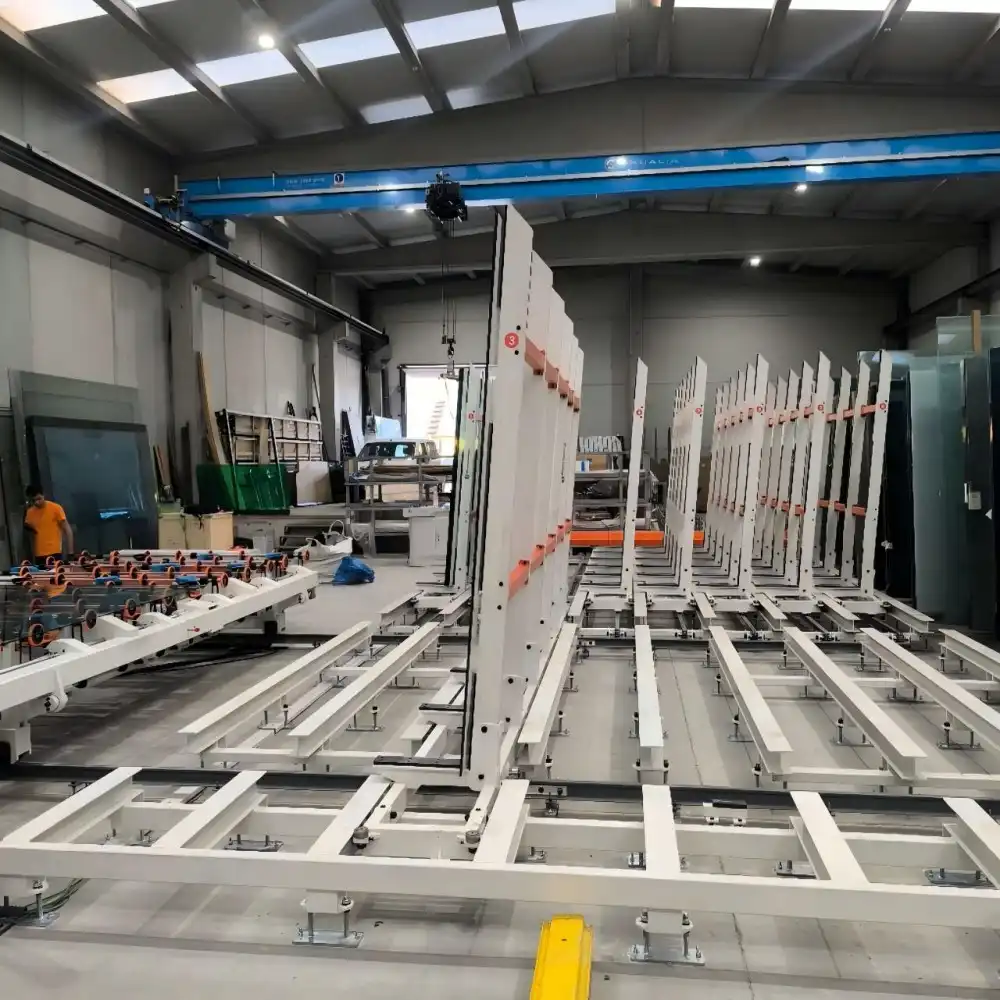
The HSL-YTJ3826 model is an example of modern design because it can handle glass sizes up to 3660x2440mm, which is a size that fits normal architecture panels without having to lose material by trimming. By scanning the edges of the object before cutting starts, automatic edge finding gets rid of setup mistakes and makes sure patterns line up properly even if the placement of the material is slightly off.
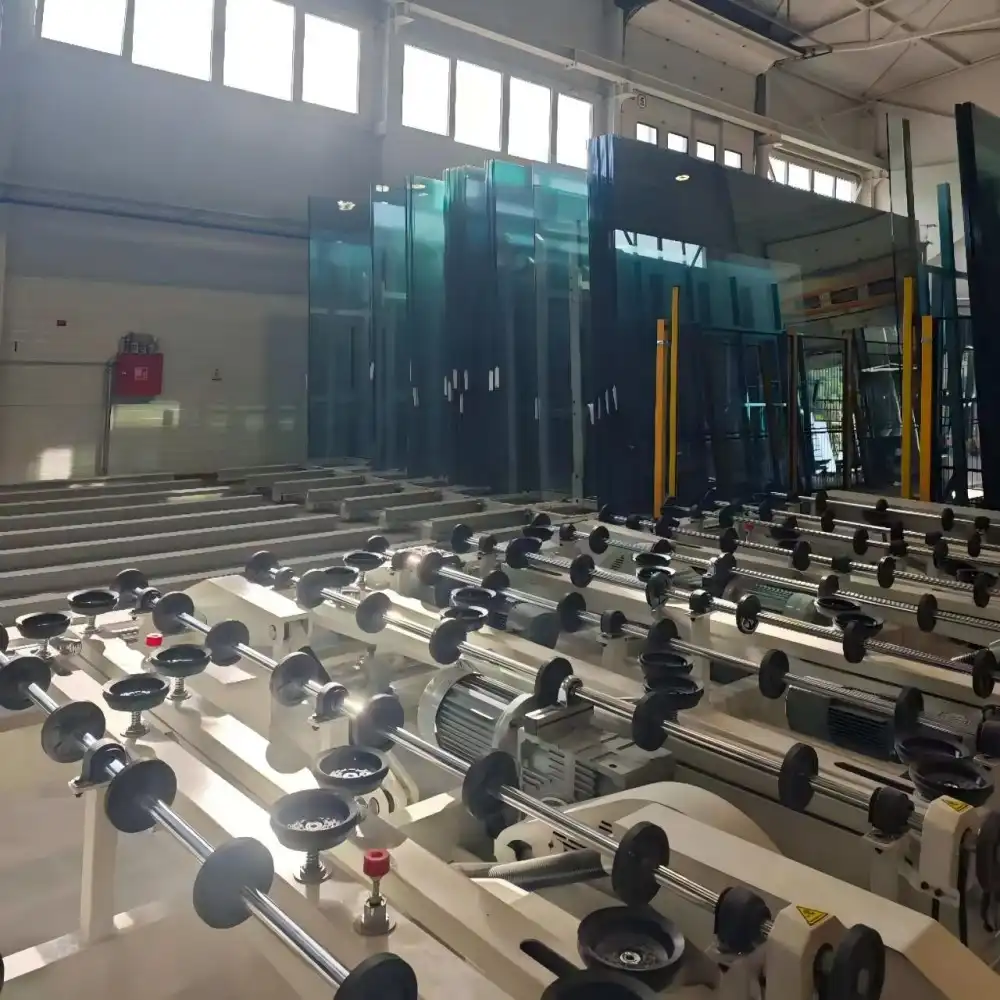
Pressure control methods change the cutting force on the fly depending on the type and thickness of the glass. Different scoring levels are needed for tempered glass compared to annealed glass. Automatic pressure adjustment stops both too little scoring (which leads to bad breaks) and too much force (which causes instant breaking). The built-in air flotation system holds heavy glass sheets in the air on a cushion of pressurized air. This lets workers move big panels into place with little physical effort and keeps the surface from getting scratched by contact.
Software Compatibility and Optimization
Optima optimization software is an important part of getting the most out of materials. The computer looks at cutting orders and patterns to make the least amount of waste possible. Compared to human nesting, this often leads to yield gains of 8–12%. This improvement directly leads to lower material costs and higher profits for businesses that process hundreds of square meters every day.
The software also handles production queues, and jobs are scheduled so that tool changes and machine setup take the least amount of time possible. When moving between projects that need different cutting heads or settings, the system groups tasks that are similar together. This keeps throughput high even when dealing with a wide range of orders.
Safety Mechanisms and Compliance
Modern glass CNC cut-out machines have built-in safety features that keep workers safe in fast-paced production settings. Around the edges of the equipment are emergency stop circuits that can be used to turn it off right away from any entry point. When safety panels are open, interlocked guards stop the machine from working. The 360-degree walking function on the remote control lets workers move equipment safely away from people or things that could get in the way without having to go up to the machine directly.
Certifications like CE and ISO 9001 show that a company meets foreign standards for quality and safety. This is very important for businesses that have to follow strict rules. These licenses also make it easier to import equipment and get insurance coverage for it, since insurers need to see proof of safety compliance before they will cover industrial machinery.
Effective Maintenance and Troubleshooting for Glass CNC Cut-Out Machines
Structured maintenance procedures and quick attention to operating problems before they become expensive failures are needed to keep automatic glass CNC cut-out machines running at their best, especially when sourcing from reliable glass cnc cut out machine suppliers.
Predictive Maintenance Through IoT Monitoring
IoT-connected glass CNC cut-out machines constantly check the health of their parts and warn of problems before they break down. Vibration analysis finds patterns of bearing wear weeks before clear noises show that failure is about to happen. This lets maintenance teams schedule replacements for planned breaks in production rather than having to wait for emergency shutdowns.
Temperature sensors that track how much heat the spinning motor makes show when the motor is overloaded or not cooled properly. When temperatures go above usual, the system tells workers to check the flow rates of coolant, clean the fins on the heat exchanger, or make sure that the cutting parameters match the requirements of the material. Taking care of these signs keeps motors from burning out and extends the life of equipment.
Tracking the number of cycles for wearable parts simplifies the repair schedule. Cutting wheels wear out based on how often they are used and the type of material they are used on. Harder glasses wear down tools faster than softer ones. Automatic reminders make sure that techs change the wheels at the right times, so the quality of the cuts stays the same, and tools that can still be used aren't thrown away too soon.
Routine Maintenance Procedures
Cleaning and inspecting are the main daily maintenance jobs that keep contamination from changing how the machine works. Coolant dust and small pieces of glass build up on guide rails and bearings, making them more frictional and speeding up wear. Cleaning the moving parts of the system at the end of the shift gets rid of dirt and dust before it does any damage.
As part of weekly maintenance, the state of the cutting wheel is checked under a microscope to look for chipping or wear patterns that could mean there are problems with the alignment. Checking the vents of the air float system makes sure that the pressure is the same across the whole table, which stops localized sagging that leads to mistakes in where the materials are placed. Checking that the emergency stop function works makes sure that safety systems are still working even though they are under a lot of stress every day at work.
Maintenance that is done once a month includes checking the belt tension, lubrication plans, and program backup processes. Motion system bearings need to be oiled on a regular basis, as specified by the manufacturer. The amount and frequency of greasing depend on how hard the system is used. Loose drive belts let motion slip between what was ordered and what actually happened, which affects how accurately the position is held. Software backups done on a regular basis keep data from being lost due to hardware failures or cyberattacks. If main systems fail, improved cutting programs can be quickly restored.
Common Troubleshooting Scenarios
Production problems are usually caused by a small group of problems that happen over and over again and are easy for experienced techs to fix with the right monitoring tools. Cutting quality that isn't constant usually means that the cutting wheels are worn out and need to be replaced, or the scoring pressure settings are wrong for the thickness of the glass being handled. Most quality issues can be fixed by checking the state of the wheels and making sure the pressure is set correctly.
Positioning mistakes that lead to pattern confusion are usually caused by broken encoders, dirty guide rails, or mechanical links that are too loose. Most location issues can be fixed by cleaning motion system parts and checking electrical connections. Only when cleaning doesn't work to return accuracy does an encoder replacement become necessary.
Software connection problems between the machine's control system and hardware are often caused by problems connecting to the network or having damaged setup files. Most software problems can be fixed without needing provider help by checking the network settings, making sure the cables are connected properly, and restoring saved configuration files.
Procurement and Integration: Buying and Implementing Glass CNC Machines for IoT Factories
Getting and using automated glass CNC cut-out machines mean figuring out technical specs, business terms, and integration problems so that it can work well in production settings that are already in place.
Key Procurement Considerations
When planning a budget for glass CNC cut-out machines, you need to include more than just the initial buy price. The total cost of ownership includes the cost of installation, training for the user, an inventory of spare parts, ongoing upkeep, and any changes that may need to be made to the building to fit the equipment's size and functionality. For example, the HSL-YTJ3826 needs enough floor room for its 3660mm cutting area plus space around the edges for loading materials and user access.
Long-term equipment reliability is greatly affected by the name of the supplier and the level of assistance provided after the sale. Shandong Huashil Automation Technology has built its reputation over many years of manufacturing, and it also keeps up a support system that makes sure extra parts are always available, and expert help is available when operating problems appear. When procurement managers are looking at different vendors, checking references from current customers who have used similar products can give them more information than just what the vendors say about their support.
With customization choices, equipment can be made to fit the needs of a particular production. Standard machines work well for many tasks, but businesses that work with oddly sized, thick, or coated glass might benefit from machines that are set up differently. Manufacturers that offer OEM and ODM services can change the shapes of their products to fit specific needs. However, customization usually takes longer and costs more than standard models.
Integration with Existing IoT Infrastructure
For new glass cnc cut out machines to work with existing workplace networks, equipment providers, IT departments, and production engineering teams must work together. To make sure that information flows smoothly, data connection methods must be compatible with current production execution systems. The machine's IoT features shouldn't replace the current tracking infrastructure; instead, they should work with it. This way, there won't be any unnecessary data collection that makes analysis harder without adding any value.
Physical integration means putting tools in the production flow so that less work has to be done with the materials and more room is used. Architectural glass makers often set up the tools they use for cutting, edging, heating, and packing glass in a straight line so that workers don't have to go back and forth or cross-traffic between stations. Furniture makers might like cellular setups where cutting machines serve more than one process further down the line, based on the needs of the order.
Infrastructure for supplying electricity and compressed air must meet device requirements for voltage, phase, volume, and pressure. When utility sources aren't enough, it can lead to working problems like inconsistent cutting performance and even damage to equipment. Facilities that are going to put in equipment should make sure that the infrastructure they already have meets the needs, or plan to make the necessary upgrades before the equipment comes.
Return on Investment Analysis
To justify spending money on automated glass CNC cut-out machines, you need to be able to measure their benefits across a number of different operating areas. The most clear savings come from not having to hire people to do the cutting by hand. However, there are other perks as well. When you cut more accurately, you lose less material. Even small increases in yield, like 2% to 3%, can save a lot of money in high-volume operations that process thousands of square meters every month.
Improving quality stability cuts down on rework and guarantees claims. With automated cutting, human error is eliminated, and parts are constantly made to the right size. This makes inspections less necessary and boosts customer trust, which could support higher prices for sure quality.
Automation improves throughput, which lets income grow without causing overhead costs to rise at the same rate. When a factory is already at full capacity, it can take on more orders by adding faster automatic equipment. This increases its market share while spreading the costs of running the factory over a larger amount of work. This practical power does more than just lower costs; it also raises profits.
Conclusion
For makers seeking competitiveness through Industry 4.0 technologies, automated glass CNC cut-out machines are a crucial infrastructure. When you combine precision cutting with IoT tracking, you get measured gains in efficiency, quality consistency, and the dependability of operations. Equipment like the HSL-YTJ3826 offers the technical base for a wide range of uses, from building projects to making parts for cars and furniture. Careful consideration of technical requirements, provider abilities, and integration needs is necessary for a successful implementation. However, investments that are carried out correctly pay off in a big way through lower labor costs, better material utilization, and higher production capacity. As companies continue to become smarter and more linked, clever automated equipment plays a bigger and bigger role in staying ahead in the market and making money.
Frequently Asked Questions
1. What glass thickness range can automated CNC cutting machines handle?
Modern automatic glass CNC cut-out machines can handle thicknesses from 2 mm to 19 mm, so they can be used for everything from thin decorative panels to thick structural building glass. Machines change the scoring pressure automatically based on the width of the material fed in. This makes sure that the right amount of force is applied without any help from the user. For glasses less than 2 mm thick, you need special tools that can control the pressure very precisely. For glasses more than 19 mm thick, you might need waterjet cutting technology instead of mechanical scoring. When choosing tools, make sure that the rated thickness range of the machine covers your normal production needs plus some extra space for one-off, unique projects.
2. How does IoT connectivity improve glass cutting machine performance?
An IoT connection lets you keep an eye on important machine factors all the time, like the spindle temperature, vibration levels, and cutting accuracy. This real-time data lets repair plans be made based on the actual state of parts instead of random time intervals, which cuts down on unplanned downtime. Production managers can see how often equipment is being used, how long cycles take, and how well quality is being maintained. This helps them find ways to improve the process. Connected machines also make remote troubleshooting easier, so technical support staff can figure out what's wrong without having to go to the site. This speeds up the problem-solving process and keeps production running as smoothly as possible.
3. What are typical delivery and installation timelines for automated glass cutting equipment?
Standard model delivery usually takes between 6 and 10 weeks from the time the order is confirmed. This includes production, testing, and the difficulties of foreign shipping. Customized setups may make wait times 12 to 16 weeks longer, based on how complicated the changes are. Installation times depend on how ready the building is, but in general, it takes 3–5 days to place the equipment, connect utilities, calibrate it, and train operators. Facilities that need to make changes to their facilities before the equipment arrives should allow more time to get ready. Coordinating arrival with building availability and scheduling experienced installation workers makes sure that the equipment is set up quickly and that production is interrupted as little as possible during commissioning.
Partner With HUASHIL for Advanced Glass Cutting Solutions
HUASHIL offers tried-and-true automation technology backed by a lot of factory knowledge and a full support system. In order to achieve operating excellence, our glass cnc cut out machine solutions blend precise engineering with intelligent connectivity. The HSL-YTJ3826 model shows our dedication to useful innovation; it has automatic loading, edge finding, and built-in breaking features on a base that is CE and ISO 9001 approved. As an established glass CNC cut-out machine manufacturer, we are aware of the difficulties that plant managers and technical directors face when making capital investment decisions. During the evaluation process, our team gives you thorough technical documentation, performance data, and application engineering help. Get in touch with our experts at salescathy@sdhuashil.com to talk about your unique production needs and find out how HUASHIL automation solutions can improve the capabilities of your building and make you more competitive.
References
1. Chen, L., & Wang, M. (2023). Advanced Manufacturing Systems in Glass Processing: Integration of CNC Technology and Industrial IoT. International Journal of Production Engineering, 45(3), 234-251.
2. Deutsche Glastechnische Gesellschaft. (2024). Technical Guidelines for Automated Glass Cutting Systems. Offenbach: German Society of Glass Technology Press.
3. Global Industry Analysts, Inc. (2024). Glass Processing Machinery: A Global Strategic Business Report. San Jose: Market Research Publishing.
4. Johnson, R.T., & Patterson, K.L. (2023). Predictive Maintenance Strategies for CNC Manufacturing Equipment. Journal of Manufacturing Technology Management, 34(7), 1456-1473.
5. National Glass Association. (2023). Best Practices for Glass Fabrication Equipment Selection and Operation. Vienna: NGA Technical Publications.
6. Zhang, H., Liu, X., & Kumar, S. (2024). Industry 4.0 Implementation in Glass Manufacturing: Case Studies and Performance Metrics. Journal of Intelligent Manufacturing, 35(2), 567-589.