




If you manage a glass fabrication plant or run a curtain wall integration business, you already know how much pressure sits on your production line every single day. Throughput targets, quality consistency, labor costs — they all add up. An automatic double glass processing machine addresses these exact pain points by consolidating cutting, breaking, and material handling into one continuous, automated workflow. In this guide, I'll walk you through how these machines work, what to look for when buying, and why the right equipment choice directly affects your bottom line.
Understanding Automatic Double Glass Processing Machines
Before committing to any capital investment, it helps to understand what these systems actually do — and how far they've come from traditional manual methods.
What Is Double Glass Processing Automation?
Double glass processing refers to the automated handling of large glass sheets through sequential operations: loading, cutting, breaking, and transfer. Unlike manual cutting lines where workers physically score and snap glass by hand, automated systems use programmed motion control, precision cutting heads, and mechanical breaking arms to execute each step with repeatable accuracy.
Core Components of a Modern Processing Line
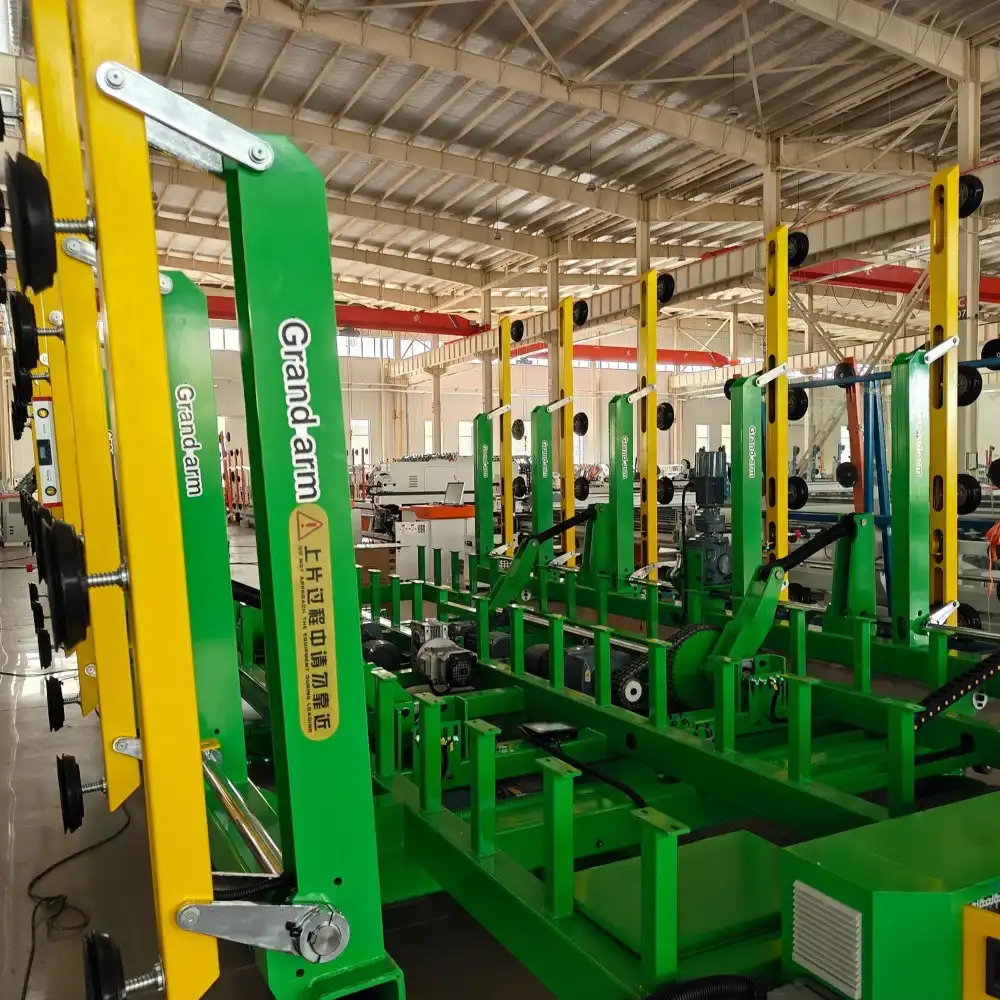
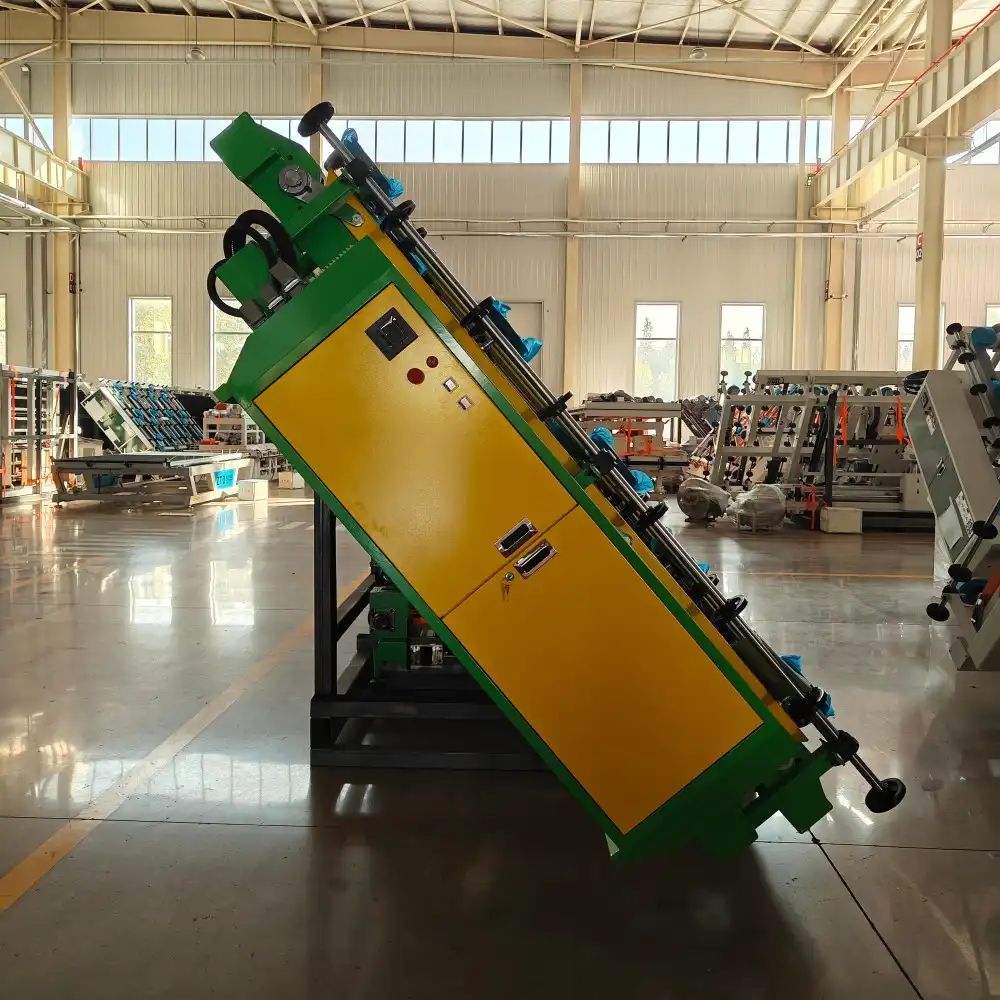
A well-built insulated glass production line typically includes a loading table, a CNC cutting table, and a breaking table working in sequence. The Huashil HSL-LSX5133 model, for example, features exactly this three-table configuration — loading table, cutting table, and breaking table — capable of handling glass up to 5,100 × 3,300 mm. The system runs on either above-ground or underground rail, giving plant engineers flexibility during facility layout planning.
How the Workflow Operates Step by Step
Glass is placed on the loading table, then transferred to the cutting table where the Optima optimization software calculates the most material-efficient cut pattern. The cutting head scores the glass surface precisely. The breaking table then separates pieces cleanly along score lines. With 2+2 configurable stations and five gripping arms on each side, the HSL-LSX5133 manages large-format sheets without manual repositioning, reducing handling errors throughout the cycle.
Key Benefits of Using Automatic Double Glass Processing Machines for High-Volume Production
Getting better results isn't just a thought once you know how the process works.
The most important things that this kind of equipment does for operations are
- Higher throughput per shift: Automated motion control eliminates the pace limitations of manual labor. Plants running large-format architectural glass report significant output gains after switching from semi-manual lines to fully automated glass cutting systems.
- Consistent cut quality across batches: The Optima optimization software recalculates layouts dynamically, reducing offcuts and ensuring each glass piece meets dimensional tolerances. This matters especially for curtain wall projects where glass sizes are specified to millimeter accuracy.
- Reduced dependency on skilled manual labor: Five gripping arms per side on the HSL-LSX5133 allow the machine to handle, position, and transfer sheets autonomously, reducing the number of operators needed per shift.
"Less reliance on skilled physical labor" means: On each side of the automatic double glass processing machine HSL-LSX5133, there are five arms that stick out. This means that the machine can move, handle, and place sheets without any help from a person. This means that each shift only needs one person.
Types of Automatic Double Glass Processing Machines and How to Choose the Best Fit
The machine arrangement that is required by each factory is not the same. It is dependent on the volume of your production, the size of the glass, and the amount of floor space that you have.
Fully Automatic vs. Semi-Automatic Models
The HSL-LSX5133 is an example of a fully autonomous line that handles loading, cutting, and breaking without requiring any interaction from a human operator at any step. Repositioning glass between stations is still a task that must be performed by an operator for semi-automatic devices. Full automation is the most feasible option for architectural glass facilities that produce hundreds of sheets each day and have a large volume of production. In smaller workplaces with lower daily production objectives, semi-automated systems are more effective than fully automatic ones.
Selection Criteria That Matter for Procurement
The following considerations need to serve as the foundation for the technical analysis that your engineering team does when evaluating a glass processing line:
- The HSL-LSX5133 has the capacity to handle sheets of glass measuring up to 5,100 × 3,300 mm, which allows it to meet the majority of the standards for curtain walls and architectural structures.
- Integration of software – The use of Optima optimisation software helps to cut down on material waste by determining the most effective cutting plans before the first score is produced.
- Configurability of stations — The design of the line, which is a 2+2 station configuration, enables the line to be modified for various production situations without the need to replace hardware
- Different types of rail installations, such as above-ground or subterranean rail, are available to fit a variety of manufacturing floor situations.
Total Cost of Ownership Considerations
One number represents the purchase price. Installation, training, the amount of time it takes to provide replacement parts, the amount of energy used every shift, and the expense of unscheduled downtime are all included in the total cost of ownership. When comparing different suppliers, it is important to ask specific questions regarding the lead times for replacement parts and whether or not remote technical help is accessible. The distinction between a decent machine and a good long-term investment is made by these particulars.
Procurement and Buying Guide for Automatic Double Glass Processing Machines
It is only half the procedure to have an understanding of what to purchase. Your investment will be protected properly if you are aware of how to purchase it.
New, Secondhand, or Leasing?
Purchasing new machinery is often the superior option for production scenarios that include a significant volume of output. It is possible that used computers might not have the most recent software versions and have wear histories that are unknown. When it comes to plants testing automation before making a complete commitment, leasing agreements may be effective; nevertheless, over a five-year period, the expenses of long-term leasing often outweigh the price of outright purchase.
What to Request from Any Supplier
Before signing any purchase agreement, your procurement team should request the following from any automatic double glass processing machine supplier:
- Full technical specification sheets with dimensional tolerances and processing speed data
- Factory Acceptance Testing (FAT) documentation
- Warranty terms, including coverage duration and spare parts availability commitments
- Installation timeline and on-site training scope
Logistics and After-Sales Support
It is usual practice to employ deposit-plus-final-payment terms or Letter of Credit agreements when placing international orders for glass processing equipment. It is important to verify the delivery lead times, the logistics of the port of origin, and whether or not the supplier offers on-site commissioning experts. Shandong Huashil Automation Technology Co., Ltd. provides installation help, operator training, and continuous technical assistance for all of the equipment that is delivered. These are all variables that lessen the danger of new lines starting up.
Future Trends in Double Glass Processing Technology
An increased level of connection between equipment and plant management systems is becoming more prevalent in the glass processing sector.
AI-Assisted Cutting Optimization
An algorithmic layout design approach is already used by optimisation tools such as Optima in order to cut down on waste. In the subsequent phase of development, machine learning will be included to modify cut patterns in accordance with real-time inventory data and order priorities. This will result in an even greater reduction of offcuts and an improvement in material yield.
IoT Connectivity and Remote Diagnostics
More recent types of glass cutting lines feature sensor networks that have the capability to communicate data about the health of the machine to remote monitoring systems. This makes it possible for maintenance crews to recognise wear patterns before they result in production stoppage, which is a substantial benefit for factories that operate on a three-shift schedule.
Modular Line Expansion
The possibility to add washing stations, tempering connections, or insulating glass assembly lines at a later time is becoming more desirable for plants that begin with a single cutting line. Production managers are able to increase capacity without having to replace the core equipment that was first installed thanks to modular machine designs, which safeguards cash that has already been invested.
Conclusion
You can't just buy and use an automatic double glass processing machine right away. It's better to get good customer service after the sale, get the right model, and make sure it's put in correctly. This will lower your per-unit processing costs, make your measurements more accurate, and let your production team do more work without having to hire more people. The Huashil HSL-LSX5133 is a good option for any high-volume design or construction glass business. It has three tables, Optima software integration, customizable 2+2 stations, and the ability to handle glass that is 5,100 × 3,300 mm.
Frequently Asked Questions
1. How often does an automatic glass cutting line require scheduled maintenance?
Most manufacturers recommend preventive maintenance every 500–800 operating hours. This covers cutting wheel replacement, lubrication of rail and drive systems, and software calibration checks. Following a documented maintenance schedule reduces unplanned stops.
2. What is the typical service life of an automatic double glass processing machine in high-volume use?
With proper maintenance, a well-built glass processing line commonly operates for 10–15 years in continuous production environments. Critical wear components like cutting heads and gripping arms are typically available as standard spare parts.
3. Can these machines process custom or non-standard glass sizes?
Yes. The HSL-LSX5133 handles glass up to 5,100 × 3,300 mm, and the Optima optimization software supports custom cut layouts. The 2+2 configurable station design further accommodates different production batches.
4. What technical documentation should I request before purchasing?
Request full specification sheets, FAT reports, warranty documentation, spare parts catalogs, and installation scope descriptions. These documents are standard for any serious automatic double glass processing machine manufacturer.
Contact HUASHIL for Your Next Glass Processing Line
People all over the world trust HUASHIL to make high-quality equipment for making glass for architectural glass plants, curtain wall integrators, and furniture glass makers. The HSL-LSX5133 automatic double glass processing machine can work with large-format glass, has a three-table workflow, and two+2 stations that can be set up in different ways. It also comes with Optima software. Whether you need one machine or a whole line, get in touch with our team for expert help and a full business proposal. You can email us at salescathy@sdhuashil.com to learn more.
References
1. Glass Processing Technology Review. Automation Trends in Architectural Glass Fabrication. Glass International, 2023.
2. Pilkington, A. Industrial Glass Processing: Principles and Practice. Society of Glass Technology, 2021.
3. Glass for Europe. Energy Efficiency and Glass Manufacturing: Industry Report. Glass for Europe, 2022.
4. Granta Design. Material and Process Selection in Glazing Systems. Materials Today, 2020.
5. U.S. Department of Energy. Advanced Manufacturing Technologies for the Glass Industry. DOE Office of Energy Efficiency & Renewable Energy, 2022.
6. China Building Materials Industry Association. Development Report on Intelligent Glass Processing Equipment. China Building Material Press, 2023.