




Float glass double machinery plays a direct role in improving production output, consistency, and cost control for glass fabrication plants. By automating the conversion of raw float glass into finished insulated glass units, this equipment reduces manual handling, shortens cycle times, and keeps defect rates low. Plants that switch from single-pane processing to double glazing lines often report measurable gains in throughput per shift. Whether you run an architectural glass shop or a curtain wall fabrication facility, understanding how this technology works can help you make smarter equipment investments.
Understanding Float Glass Double Machinery and Its Operational Process
What Is Float Glass Double Machinery?
Float glass double machinery is automated production equipment that can work with two sheets of float glass and join them with a spacer to make insulated glass units (IGUs). Unlike single-glass cutting lines, this kind of equipment does the whole production process, from loading raw glass to cutting, breaking, and positioning it, all in one system.
How Does the Process Work?
Most of the time, the production process starts at the loading table, where sheets of glass are fed into the line. Then, the cutting table cuts the glass into pieces with dimensions that have already been programmed. Finally, the breaking table carefully separates the pieces that have been cut. These steps are connected by automation software that controls the cut lines, keeps material waste to a minimum, and keeps real-time track of output.
What Makes the HSL-LSX4228 a Strong Example?
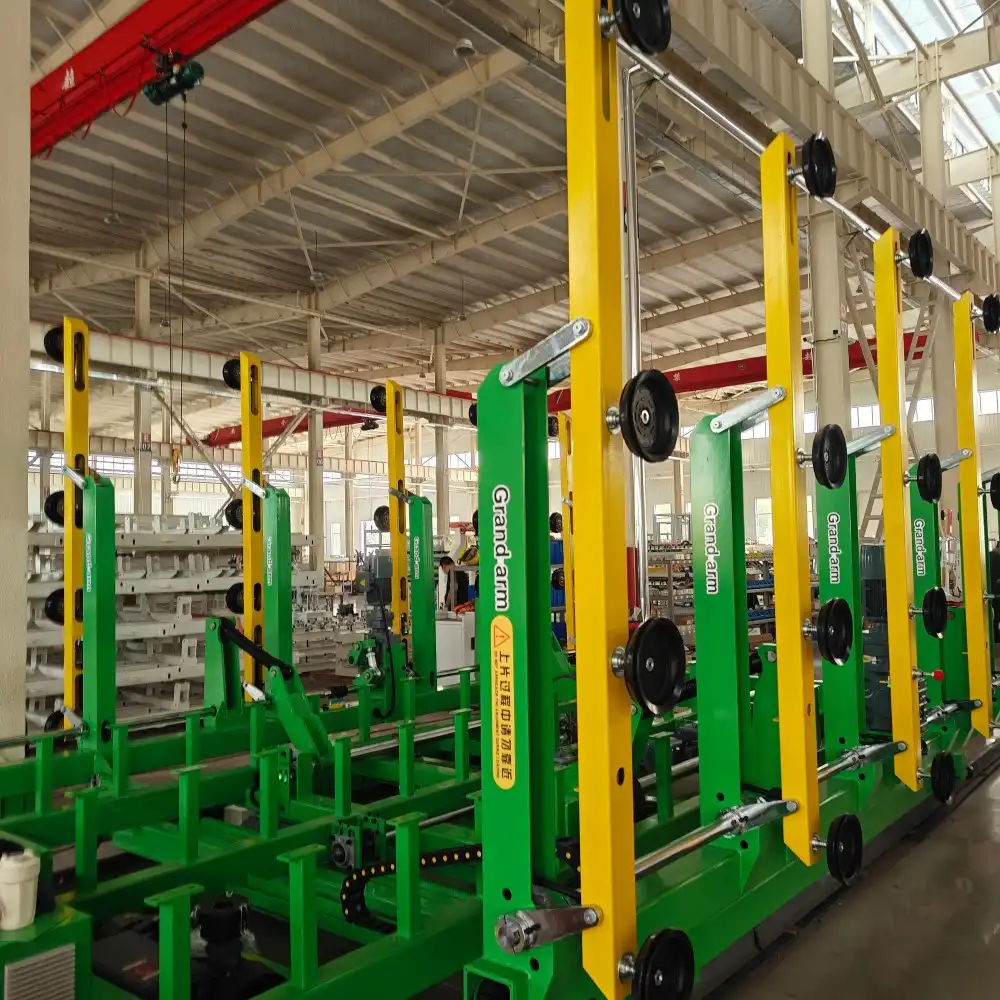
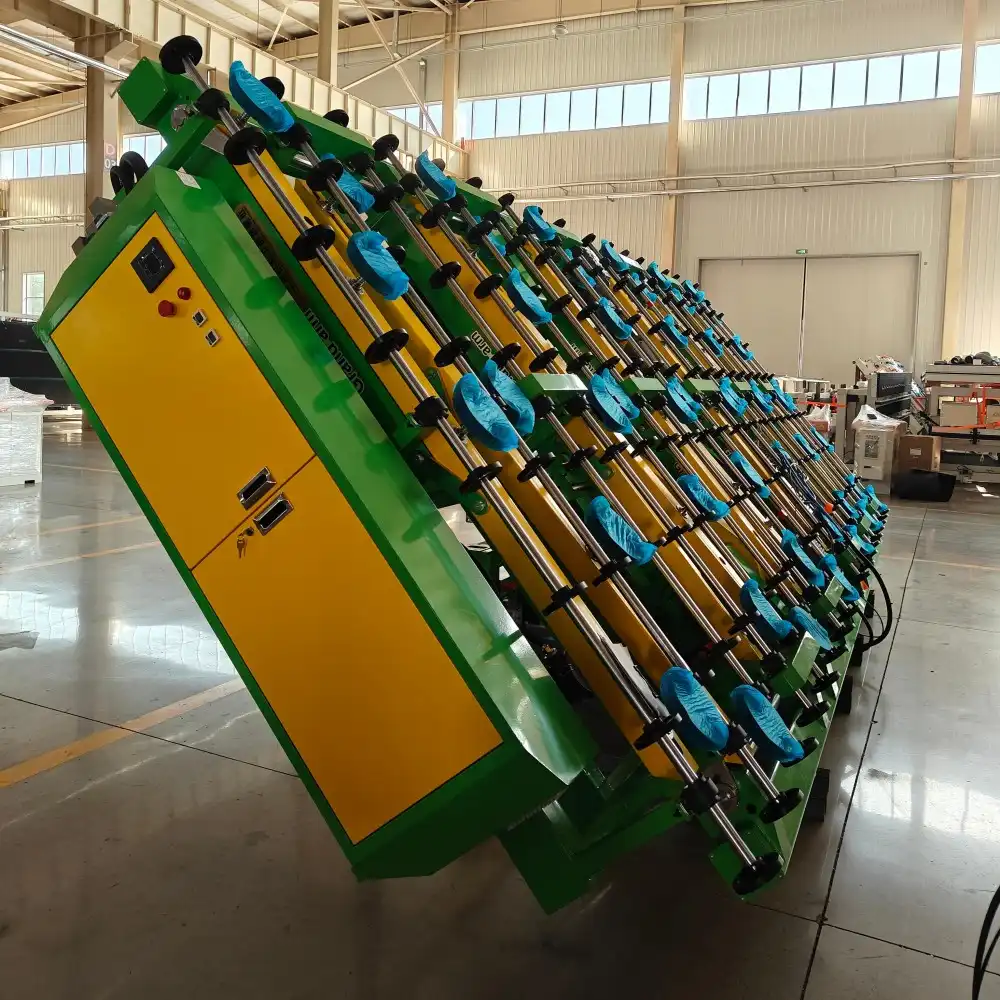
The HSL-LSX4228 model from Huashil shows how far automatic glass cutting lines have come. It has three built-in workstations: a loading table, a cutting table, and a breaking table. The largest piece of glass it can handle is 4200 x 2800 mm. Optima optimization software runs on the machine and figures out the best way to cut each job's materials. It has a 2+2 station arrangement that can be changed and can run above or below ground. On each side, there are four gantry arms that hold and precisely position the glass during the process.
How Float Glass Double Machinery Solves Production Challenges
The Problem With Manual and Semi-Automated Lines
Cutting glass by hand is slow, inconsistent, and requires a lot of work. One misaligned score mark can ruin an entire sheet, and mistakes happen more often when people work long hours. The problem is the same for plants that use older semi-automated equipment: over time, mechanical wear and old settings make the machines less accurate and cause more scrap.
Automation as the Direct Solution
These issues can be fixed by float glass double machinery automated float glass processing lines that make the cutting and breaking steps more consistent. For example, the HSL-LSX4228's Optima program figures out the best way to cut sheets so that there is less trash from the cuts. The Glass Manufacturing Industry Council says that automated lines can cut waste by 15–20% compared to manual ones. This number has a direct effect on the cost of raw materials.
Throughput and Cycle Time Improvements
This is where having two pieces of machinery really helps with production. When two sets of glass are run through a 2+2 station configuration at the same time, the line is never idle between cuts. Glass is being scored on one side while glass from the other side breaks. Based on performance standards set by the maker, plants that use this kind of equipment usually see cycle times cut by 20–30% during high-volume production runs.
Key Benefits of Using Float Glass Double Machinery
It costs a lot of money to switch to an automated double glazing line, so buying teams want to know what the return will be before making a choice. The HSL-LSX4228 has a number of real benefits for output that are worth looking into.
Here are the main ways that this equipment helps with operations:
- Higher output per shift: The 2+2 configurable station layout and four gantry arms per side allow continuous glass feeding without stopping the line between batches. This directly raises daily output without adding labor headcount.
- Material efficiency through software: The Optima optimization program analyzes each glass sheet's dimensions and calculates the cut sequence that leaves the least offcut waste. Over a full production week, this can recover significant material savings on expensive float glass stock.
- Process consistency across shifts: Because the machine controls scoring pressure, positioning, and break force automatically, finished glass dimensions remain consistent whether the line runs in a morning or night shift, reducing the inspection burden on quality control staff.
- Operator safety by design: With gantry arms handling large glass sheets up to 4200×2800mm, operators are no longer required to manually lift or guide heavy panels — reducing workplace injury risk in compliance with OSHA glass handling guidelines.
When plant managers and engineering teams use older or less automated equipment, they run into production problems. These benefits directly fix those problems. The total cost of ownership of a machine goes down over its service life because it makes less waste, hurts fewer people, and produces more.
Maintenance Best Practices for Float Glass Double Machinery
Build a Preventive Maintenance Schedule
Automatic glass lines with float glass double machinery work best when they are set to do repairs at the same time every month. For the HSL-LSX4228, this means checking the position of the rails once a week, lubricating the bearings in the gantry arm once a month, and checking the cutting wheel pressure settings every three months. If you catch rail drift early, you can avoid making cuts that aren't lined up right and waste whole sheets of glass.
Watch for Early Warning Signs
Uneven scoring marks on glass surfaces, sudden changes in the position of the break line, or strange vibrations from the gantry arm drive system are all common early signs of wear. These signs normally show up before a full motor failure. If you teach your line workers to write down these notes at the start of each shift, the repair team will have time to fix anything before it stops production.
Spare Parts and After-Sales Support
It costs a lot for a glass cutting line to be down for a while. Huashil offers expert help and spare parts after the sale to keep production going. Having important wear parts like cutting wheels, suction cups, and drive belts on hand cuts down on the time it takes to fix something that breaks. Before you sign any purchase agreement, check with your equipment supplier to see how long it will take to get spare parts.
How to Choose the Right Float Glass Double Machinery for Your Factory
Match the Machine to Your Glass Size Requirements
The first thing to look at is the largest glass sheet size. Large panels used in curtain wall and building glass can be handled by a machine with a 4200x2800mm size. Smaller companies that make furniture glass might not need that much space, but if you choose a machine that is smaller than your largest sheets, your biggest orders will be held up in production.
Evaluate Software and Automation Level
Not all optimization software works the same. The HSL-LSX4228's Optima software figures out how efficiently it cuts materials before it runs, which saves material and cuts down on the time it takes operators to set up. Ask vendors to show how well their software works on a real job layout that is typical of your production mix when you are comparing models.
Consider Installation and Line Configuration
Installing rails above or below ground is possible with the HSL-LSX4228. This gives factory layout planners a choice. You can change the 2+2 station arrangement so that the line fits your floor space and the way materials run. Before you buy, show the supplier a copy of your factory floor plan to make sure the configuration works with your workspace.
Conclusion
Float glass double machinery boosts output by automating the whole cutting process, lowering material waste with software-driven cut planning, and keeping the same dimensions during high-volume shifts. The Huashil HSL-LSX4228 is a well-designed example of this technology. It has Optima optimization software built in, station layouts that can be changed, and a maximum sheet capacity of 4200×2800mm. When factory managers think about buying new equipment, the benefits of higher productivity, lower scrap rates, and less manual labor make the case for investment strong.
Frequently Asked Questions
1. What glass thickness does the HSL-LSX4228 process?
The HSL-LSX4228 is designed to process standard float glass sheets used in architectural and furniture glass production. Contact Huashil directly to confirm the exact thickness range suitable for your application.
2. How many operators does the line require?
The automated gantry arm system and 2+2 station layout significantly reduce manual intervention. Most plants run this type of line with a small team, though exact staffing depends on your production volume and shift structure.
3. Can the machine handle custom glass sizes?
Yes. The Optima software accepts custom dimensions as job inputs, and the machine's maximum capacity of 4200×2800mm accommodates a wide range of sheet sizes for architectural, curtain wall, and furniture glass applications.
4. How often should cutting wheels be replaced?
Cutting wheel replacement frequency depends on glass volume and thickness. A general industry benchmark is 8–12 million linear meters per wheel under standard conditions, but your actual results may vary. Keeping a small stock of wheels on-site prevents unplanned downtime.
Get a Direct Quote from HUASHIL — Your Float Glass Double Machinery Supplier
HUASHIL makes automated glass processing equipment that fabrication plants in many markets trust. The HSL-LSX4228 float glass cutting machine comes with Optima software, a 2+2 station setup that can be customized, and a glass capacity of 4200 x 2800 mm. It is ready for production. You can get a transparent equipment proposal from our team that is tailored to your floor plan and output goals if you are looking for a float glass double machinery manufacturer for your next line upgrade or new facility build. Please email salescathy@sdhuashil.com to get in touch with us.
References
1. Glass Manufacturing Industry Council (GMIC). Waste Reduction in Automated Glass Processing Lines. 2022.
2. Glass International Magazine. "Advances in Float Glass Cutting Automation." 2023.
3. Pilkington Group. Float Glass Technology: Process and Performance Standards. 2021.
4. Occupational Safety and Health Administration (OSHA). Glass Handling Safety Guidelines for Manufacturing Environments. 2020.
5. Glass on Web Industry Review. "Insulated Glass Unit Production Efficiency Trends." 2023.
6. Construction Glass & Glazing Magazine. "Equipment Selection for High-Volume IGU Fabrication." 2022.