




Precision and speed become the most important things for makers and producers when they are looking for the best glass bilateral edging machine for architectural glass processing. Today's architectural glass projects need very good edge quality, steady performance, and effective technology to get the work done on time. A better glass bilateral edging machine has advanced servo motor technology, different types of grinding wheels, and processing options that can be changed to meet the specific needs of building glass uses. These tools have changed how fabrication plants handle high-volume glass processes. They can grind two edges at the same time, which cuts production time by a large amount while still meeting strict quality standards.
Understanding Glass Bilateral Edging Machines: How They Work and Key Benefits
Glass symmetrical edging tools are a big step forward in the technology used to work with building glass. When compared to traditional tools that only work on one edge, these high-tech systems are much more efficient because they grind and clean both edges of glass panels at the same time.
Advanced Multi-Wheel Configuration for Superior Results
The way the grinding wheels are set up is what makes a high-performance bilateral cutting system work. Professional machines have 12 grinding wheels on one side. Two top chamfers, two lower chamfers, and 8 flat grinding wheels are carefully placed on each side. With this complete setup, operators can make multiple edge profiles in a single pass, so they don't have to go through the slow-moving steps of multiple processing stages.
The 12-wheel design makes sure that the quality of the surface finish is the same for all glass thicknesses that are commonly used in architectural applications. From the initial shape to the final polishing, each grinding wheel has a specific job to do in the edge formation process. This makes edges that meet the strict requirements needed for curtain wall systems, structural glazing, and high-end architectural installs.
Servo Motor Technology for Precision Control
Modern designs for glass bilateral edging machines use high-tech servo motors for both the opening and closing devices and the moving systems. Servo motor controls allow for exact placement, so workers can work with glass panels that are 0.35 meters to 2.5 meters wide. These tools are great for architectural glass fabricators who work with a wide range of project standards because they can handle a wide range of sizes.
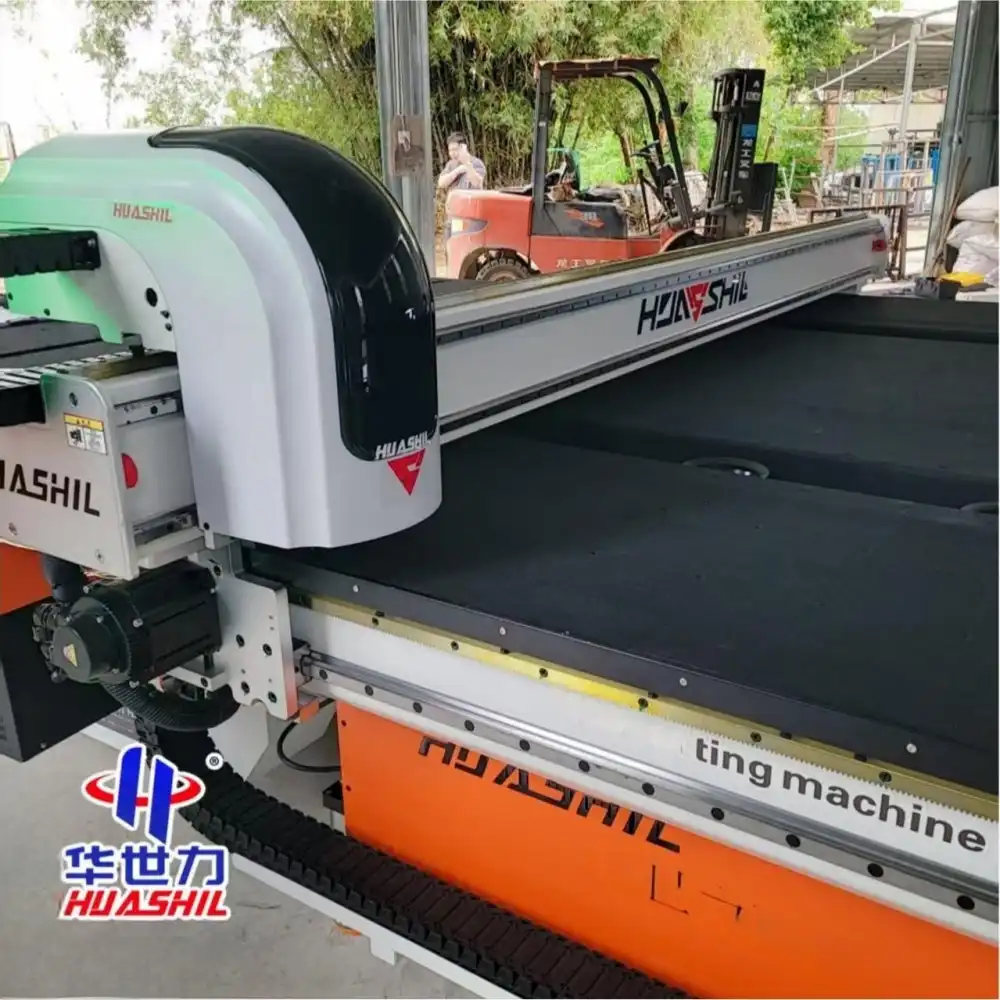
During the processing cycle, the servo-controlled conveyor system keeps the glass moving in the same way. This lowers shaking and makes sure that the quality of the edges is the same. This fine control immediately leads to more consistent products and less trash, both of which are important for staying profitable in the competitive architectural glass market.
Adopting bilateral edging technology helps ease production processes and makes sure that final glass goods are safe and durable. Processing both sides at the same time cuts down on the amount of handling needed, which lowers the risk of damage and boosts total production efficiency.
Comparing Bilateral Glass Edging Machines: Making the Right Choice
To choose the right glass-cutting tools, you need to carefully consider how well they work, whether they can be automated, and how much they will cost in the long run. When procurement teams know about these things, they can make choices that are in line with their output goals and budget.
Performance Advantages of Bilateral Processing
Bilateral machines are much better than single-edge units in many ways, especially when it comes to working speed and edge consistency. Traditional machines need to go over both sides more than once or be moved by hand in order to do the job. Bilateral systems, on the other hand, do the whole job in just one turn. In normal situations for making architectural glass, this productivity means that output goes up by 40 to 60 percent.
The higher efficiency is especially helpful for large-scale architectural works or projects with a lot of curtain walls, where processing speed has a direct effect on project timelines. Improving the regularity of the edges also cuts down on the need for extra finishing steps, which saves money and keeps the standard high.
Automation Levels and Cost Considerations
There are different types of modern glass bilateral edging machine options, from semi-automated to fully automated systems. Each has its own benefits that rely on the needs of the production. Fully automated systems have programmable controls, automatic size change, and built-in quality tracking. This makes them more productive while requiring less skill from the operator.
When it comes to medium-volume activities, semi-automated choices offer a balanced approach. They are much more productive than manual systems while still being easier to afford. When choosing between stages of automation, you should think about things like the amount of work that needs to be done, the supply of skilled workers, and the company's long-term growth plans.
Top makers have made their 2024 models more energy-efficient by adding new features and precise controls. This helps building fabricators balance costs with caring for the environment. Variable-speed drives, better cooling systems, and smart power control that use less energy are common examples of these kinds of improvements.
Procurement Insights: How to Buy the Best Bilateral Glass Edging Machine
To buy bilateral glass edging tools successfully, you need to carefully look at the technical specs, the vendor's skills, and the vendor's ability to provide long-term assistance. Knowing about these things helps buyers choose investments that will give them long-term value and practical benefits.
Critical Technical Specifications
Some important things to look for in a bilateral cutting machine are its maximum working width, its minimum glass thickness, and the different ways it can set up its grinding wheels. Processing glass pieces up to 2.5 meters wide and in sizes as small as 0.35 meters gives architects the freedom they need to work on a wide range of projects.
Processing speed specs should be looked at in terms of what is needed for production, not just theoretical top speeds. In real life, output relies on things like the thickness of the glass, the complexity of the edges, and the quality standards. This is why it's important to ask for performance data based on specific use cases.
Another important thing for architectural glass makers to think about is their ability to customize. The machine's long-term value and usefulness can be greatly affected by its ability to change the configuration of the grinding wheels, change the processing settings, or connect to current production lines.
Vendor Evaluation and Support Considerations
Warranty coverage and the ability to get help after the sale are very important when buying a joint cutting machine. Warranty programs that cover parts, labor, and technical support help keep unexpected downtime costs to a minimum, which can have a big effect on production plans.
It's especially important to have quick technical help for automatic systems that may have problems that need specialized knowledge. Long-term help is usually more reliable from vendors who have service networks that are well-established and a track record of success in architectural glass use.
With these buying tactics, building fabricators can buy machines that are more productive and won't break down as often. Careful review of vendors and study of specifications helps make sure that investments in equipment give the expected returns and support long-term business growth goals.
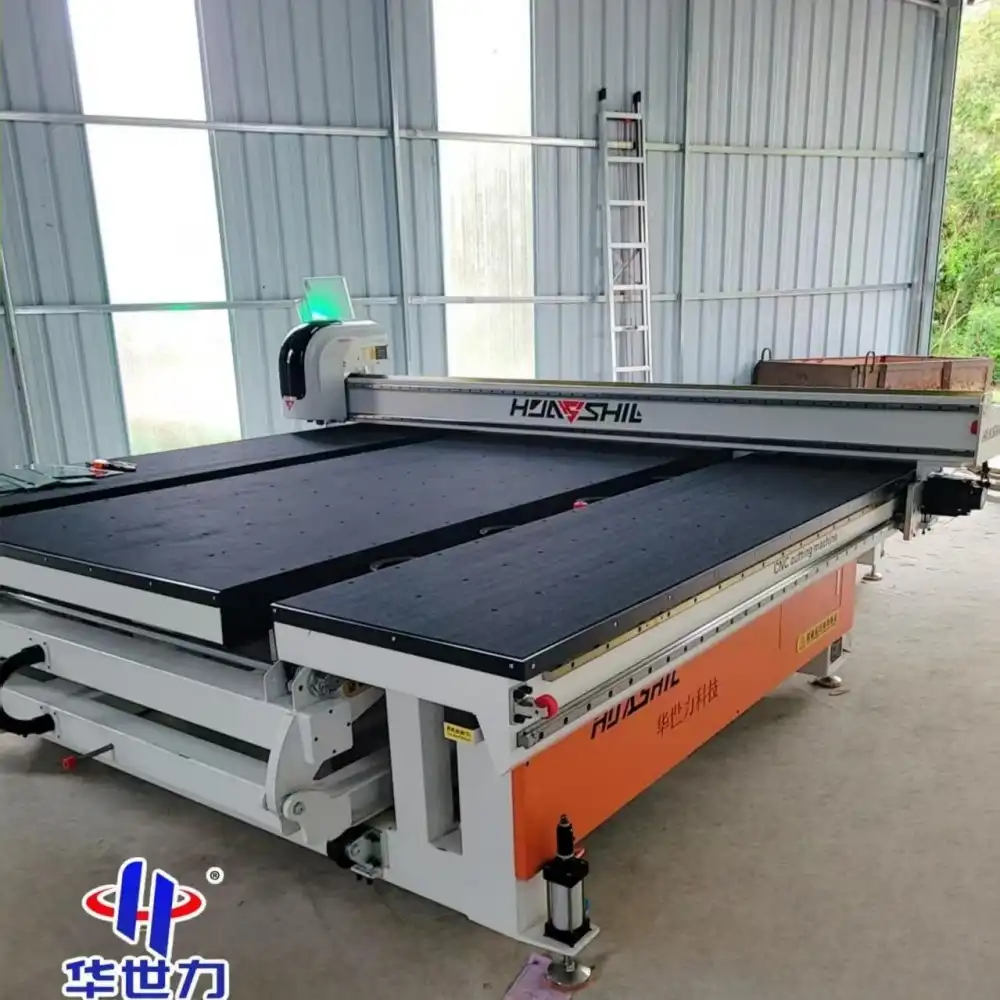
Maintenance, Common Issues, and Safety for Bilateral Glass Edging Machines
For parallel glass edging tools to keep working well and last a long time, they need to be maintained in the right way. Setting up thorough maintenance processes helps avoid expensive downtime and makes sure that the quality of the edges stays the same throughout the machine's life.
Routine Maintenance Requirements
Cleaning the abrasive wheels, checking the coolant levels, and making sure the conveyor systems are lined up correctly are all daily maintenance jobs for glass bilateral edging machine operations. The quality of the edge is directly affected by the state of the grinding wheel. This means that the wheel needs to be inspected regularly and replaced when it's worn out.
As part of routine weekly maintenance, moving parts are usually oiled, tracking systems are calibrated, and full safety checks are carried out. Servo motor systems need to be calibrated on a regular basis to keep their positioning accuracy. This is especially important for machines that work with different types of glass during production processes.
As part of regular maintenance, electrical parts should be carefully checked every month, worn-out parts should be replaced, and the safety system's operation should be checked. Recording maintenance tasks helps find trends that could point to problems that are starting to appear before they become big issues.
Common Operational Challenges
Edge quality that isn't always the same can be caused by old grinding wheels, bad coolant flow, or a positioning system shift. Regular calibration of the servo motor controls helps maintain consistent glass positioning throughout the processing cycle, preventing edge quality changes that could affect how the glass is installed in an architectural setting.
Vibrations in equipment could mean that the bearings are worn out, parts are out of place, or the base is sinking. Taking care of vibration issues right away helps keep the edge quality standards needed for building uses and stops extra damage to precision components.
Safety rules must include required safety gear, thorough training for operators, and regular checks of machine protections. Built-in safety features like emergency stops, light curtains, and interlocking devices help keep workers safe and make sure that safety rules are followed.
Technology Trends and Future Outlook in Glass Bilateral Edging Machines
New technologies are changing the way that two-way glass edges can be made, making them more precise, efficient, and flexible than ever before. These new ideas could change how building glass makers plan their work and keep an eye on quality.
Advanced Control and Monitoring Systems
Integration of IoT allows for real-time tracking of machine performance, which lets operators keep track of output numbers, figure out what repair needs to be done, and find the best processing parameters. Smart sensors built into the glass bilateral edging machine constantly report on the state of the grinding wheels, the amount of vibration, and quality standards.
AI-driven process controls can change the grinding settings automatically based on the type of glass, the surroundings, and the quality standards. These systems learn from past data to improve processing speeds while keeping edge quality stable, so users don't have to do as much work by hand.
By finding possible problems before they cause technology to break down, predictive maintenance helps avoid unplanned downtime. Advanced tracking systems can keep an eye on how parts wear down and suggest repair schedules based on real usage, not just random intervals.
Sustainability and Customization Improvements
Designs that use less energy help reach environmental goals while also cutting down on running costs. When compared to older designs, variable-speed drives, better cooling systems, and smart power control can cut energy use by 20 to 30 percent.
Better customization choices make it easier for makers to meet a wide range of glass requirements. Programmable grinding wheel setups, processing factors that can be changed, and modular machine designs give architects the freedom they need as their needs change.
Businesses that want to stay ahead of the competition should buy advanced bidirectional edging systems. These systems offer long-lasting benefits like better quality, lower costs, and better ability to meet market needs.
Conclusion
The best glass bilateral edging machine for architectural glass uses advanced servo motor technology, a wide range of grinding wheel combinations, and flexible processing options to meet the most stringent production needs. Modern systems with 12 wheels, size ranges that can be customized from 0.35 meters to 2.5 meters, and smart technology give architectural glass makers the speed and quality consistency they need. To be successful, you need to carefully look at technical requirements, the vendor's skills, and the possibility of long-term assistance. When you invest in good bilateral edging technology, you get a lot back in the form of higher productivity, lower labor costs, and better product quality that meets the strict requirements of architectural glass use.
FAQ
1. What makes a glass bilateral edging machine suitable for architectural applications?
Architectural glass bilateral edging machines need to be able to make exact edges, work with big pieces of glass, and keep up their performance even during high-volume production runs. Key features include servo motor controls for precise placement, different grinding wheel setups for different edge profiles, and a strong build that can handle panels up to 2.5 meters wide. For building projects, it's important to be able to work with different thicknesses of glass while keeping tight tolerances.
2. How does servo motor control improve bilateral edging performance?
Servo motor technology lets you precisely control the position of both tools that open and close and systems that move glass. This level of accuracy lets the glass stay in the right place during the whole working cycle, which lowers differences in edge quality and raises the overall standard. Servo settings also make it easy to change the size quickly when moving between different glass sizes, which cuts down on setup time and boosts production efficiency.
3. What maintenance requirements should I expect for bilateral edging equipment?
Regular maintenance includes daily cleaning of grinding wheels and coolant systems, weekly lubrication of moving components, and monthly calibration of positioning systems. Grinding wheel replacement frequency depends on production volume and glass types processed. Establishing preventive maintenance schedules helps minimize unexpected downtime while ensuring consistent edge quality throughout the machine's operational life.
Partner with HUASHIL for Superior Glass Bilateral Edging Solutions
HUASHIL is a top company that makes glass bilateral edging machines. They use cutting-edge automation technology to change the way building glass is made. Modern servo motor controls, 12-wheel grinding setups, and flexible processing ranges make our bilateral edging systems perfect for a wide range of project needs. HUASHIL has a lot of experience automating the glass processing process and offers full technical support, solid guarantee coverage, and tried-and-true solutions to building glass fabricators all over the world. Email our skilled staff at salescathy@sdhuashil.com to talk about your bilateral cutting and find out how our high-tech equipment can help you make more products and make them better.
References
1. Glass Manufacturing Industry Council. "Architectural Glass Processing Standards and Best Practices." Industrial Glass Technology Review, 2024.
2. Chen, L. & Rodriguez, M. "Automation Advances in Glass Edge Processing Technology." Journal of Manufacturing Engineering, Vol. 45, 2024.
3. International Glass Processing Association. "Bilateral Edging Machine Performance Benchmarks for Architectural Applications." Technical Report Series, 2024.
4. Thompson, R. "Servo Motor Applications in Glass Processing Equipment." Automation Technology Quarterly, Issue 3, 2024.
5. European Glass Processing Standards Committee. "Safety and Quality Guidelines for Bilateral Glass Edging Operations." Industry Standards Publication, 2024.
6. Williams, K. & Zhang, H. "Energy Efficiency Improvements in Modern Glass Processing Machinery." Sustainable Manufacturing Review, Vol. 12, 2024.