




Precision, efficiency, and dependability are all things that modern manufacturing needs, and CNC glass cutting equipment constantly delivers on all of these things. These computer-controlled systems have changed the way glass is made by getting rid of human mistakes and making production speeds much faster. Modern CNC technology automates the process of cutting raw glass into perfectly cut parts. This makes it important for companies that want to stay ahead in the market today. When complex software tools are combined with precise mechanical work, it makes it possible to make things that can't be done by hand.
Understanding CNC Glass Cutting Equipment for Automated Production Lines
Computer numerical control technology has changed the way glass is made by making it more precise and consistent than ever before. With accuracy measured in fractions of millimeters, these automatic systems can cut glass using cutting lines that can be programmed. In contrast to traditional hand-cutting methods, CNC systems keep working at the same level of quality throughout long production runs, without getting tired or changing.
How CNC Glass Cutting Systems Operate
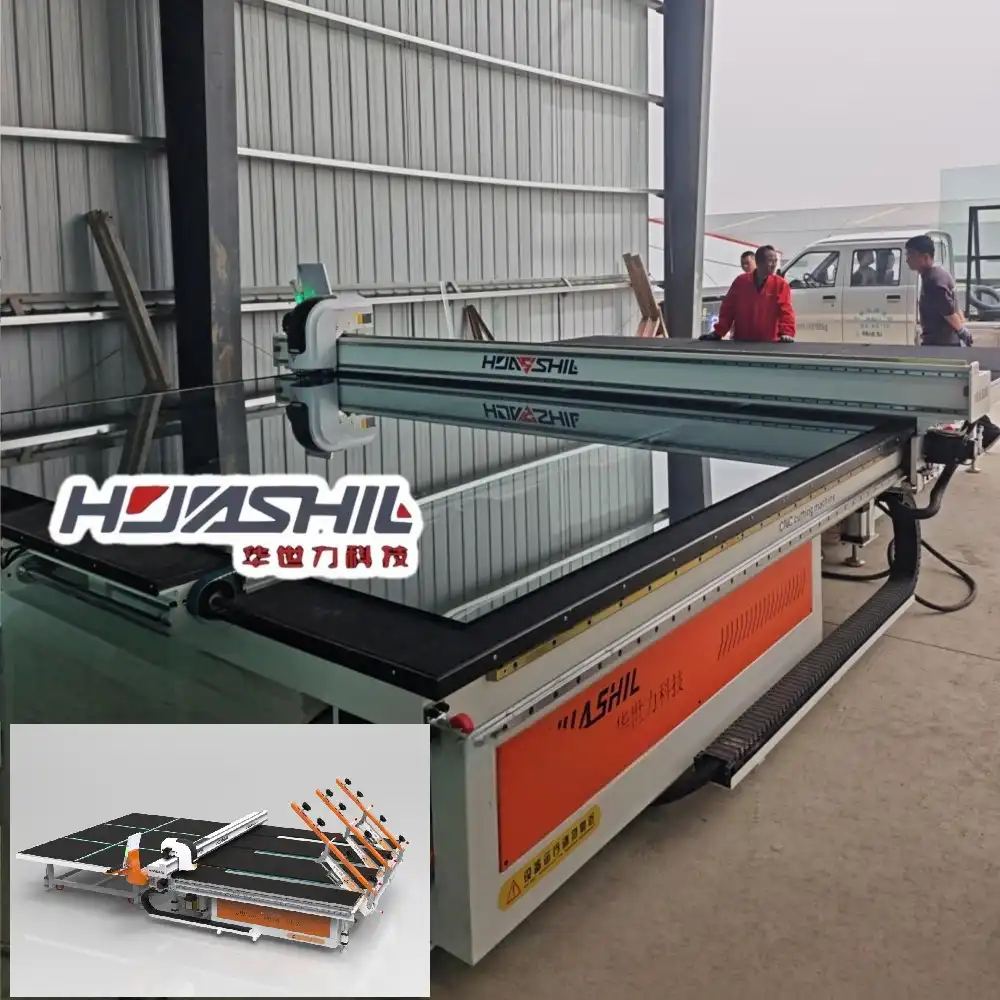
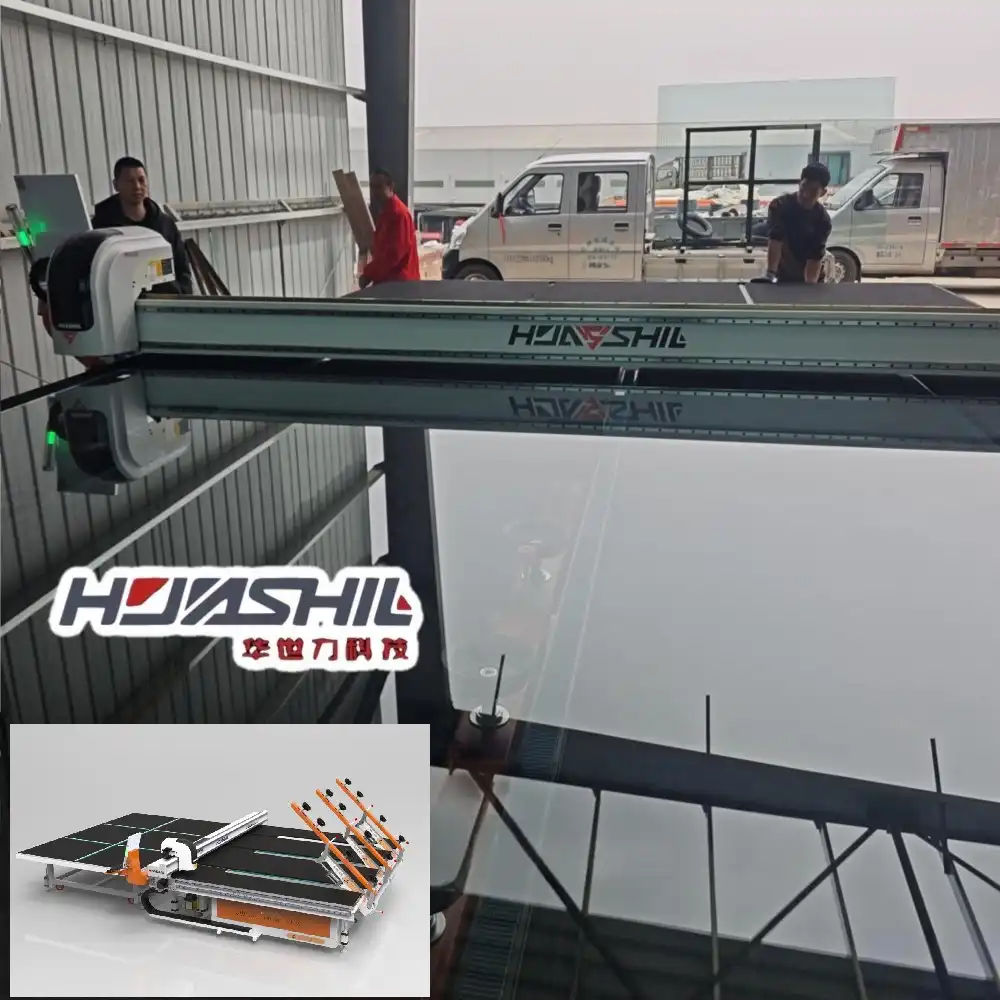
Modern CNC systems for cutting glass use complex control algorithms to turn digital plans into precise mechanical movements. When workers put glass sheets on the machine bed, sensors instantly find out the size and position of the materials. This starts the cutting process. Modern machines, like the HSL-YTJ3826 type, have automatic loading systems that make moving materials easier and require less help from the user.
The cutting head goes along tracks that have already been planned out while keeping the right pressure and speed levels. Built-in sensors constantly check the quality of the cuts and make changes in real time to make sure the results are always the same. Professional-grade machines have automatic pressure control systems that can handle glass sizes from 2 mm to 19 mm.
Machine Types and Industrial Features
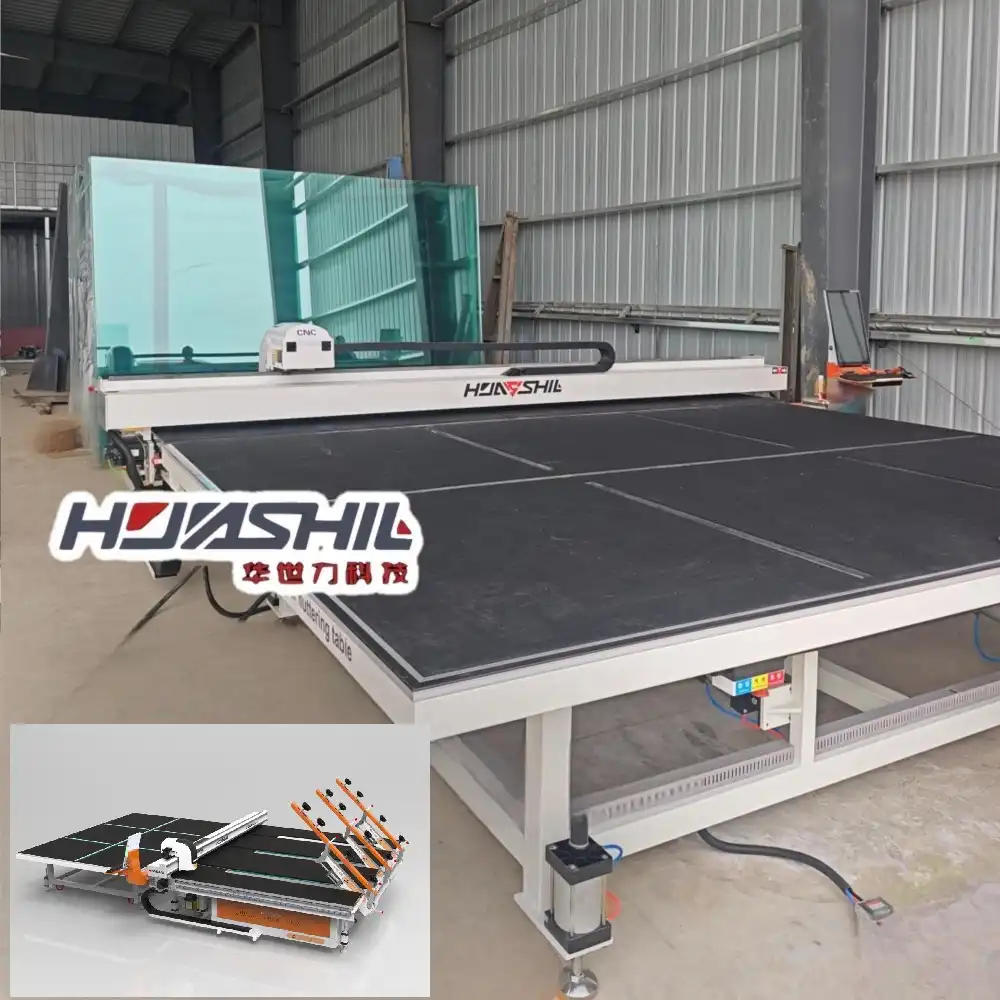
Industrial cnc glass cutting equipment comes in a number of different styles to meet the needs of different production needs. Flatbed cuts are good at working with big sheets of glass; the biggest ones can handle sheets up to 3660mm x 2440mm. These tools have air flotation systems that hold up heavy glass pieces and make it easy to place them while they're being cut.
Cutting tools that are built into breaking tables let you do all of your processing on a single machine. Synchronous belt moving systems move finished goods safely while keeping the production line running. Remote controls let workers handle tools from a safe distance, which improves safety rules in the workplace.
Benefits and Applications of CNC Glass Cutting Technology in B2B Production
Automated glass-cutting technology makes production more efficient, better use of materials, and more consistent quality. These benefits directly lead to lower operating costs and higher competition for production companies in a wide range of fields.
Enhanced Precision and Reduced Waste
CNC glass cutting equipment achieves cutting tolerances that manual processes cannot match consistently. This accuracy cuts down on material waste by a large amount because pieces are cut to exact measurements without the difference that happens when cutting by hand. The Optima optimization program figures out the best cutting patterns that make the least amount of waste so that the most material is used.
Not only are measurements more accurate, but the quality of the edges and the finish on the surface have also been improved. When you use automated cutting, the differences in skill between operators are taken care of, so every piece meets the quality standards that were set. This dependability is very important for uses that need to be very precise, like building glazing and car glass parts.
Industry Applications and Scalability
Manufacturing sectors benefit from CNC glass cutting technology in distinct ways. Architectural glass fabricators use these methods to make unique glazing products with complicated shapes, as well as curtain wall panels and window units. Processing different types and sizes of glass in the same production setting makes it possible to make a wide range of products without having to change the equipment.
Manufacturers of furniture use CNC cutting to make intricately designed glass tabletops, shelves, and other artistic pieces. The technology allows for both large-scale production runs and one-of-a-kind sales, which is something that standard cutting methods can't do. Precision and consistency are needed in automotive uses, which can only be provided by automatic systems.
Environmental and Sustainability Benefits
Modern CNC cutting systems help reach environmental goals by using less energy and producing less waste. Optimized cutting designs reduce the amount of raw materials that are needed, and automated processes cut down on the energy waste that comes with doing things by hand. These environmental benefits are in line with corporate responsibility efforts that are becoming more and more important to business-to-business buyers.
If you follow the care instructions for CNC equipment, it will last for a long time and pay for itself over time. Compliance with CE certification and ISO9001 standards ensures that equipment meets worldwide quality and safety standards, which helps manufacturing activities around the world.
How to Choose the Right CNC Glass Cutting Equipment for Your Production Line
The output requirements, technical requirements, and long-term operating factors must all be carefully considered when choosing CNC glass cutting equipment. This choice will have long-lasting effects on the industry, so careful consideration is needed for the best results.
Production Capacity Assessment
Volume requirements drive equipment selection decisions significantly. High-volume operations benefit from machines with rapid cutting speeds and automated material handling systems. The HSL-YTJ3826 model exemplifies this approach with its comprehensive automation features, including automatic edge finding and remote control from any angle.
Glass variety considerations affect machine specifications. Equipment has to be able to handle a variety of materials, from thin building panels to thick artistic glass. Machines that can handle thicknesses ranging from 2 mm to 19 mm give businesses more options and can support a wide range of products.
Technical Specifications and Integration
The level of accuracy needed for cutting depends on the project. For example, building projects need more accuracy than some furniture projects. Modern CNC systems regularly achieve accuracy of less than a millimeter, but tools should be chosen based on specific tolerance needs. Integration with current production line tools affects how well work gets done and should be carefully looked at.
Software support is a very important part of how well operations run. Advanced optimization software, such as Optima, makes better use of materials while making writing easier. Interfaces that are easy to use cut down on training time and mistakes made by operators during daily operations.
Cost Analysis and ROI Considerations
The original buy price is only one part of the total cost of ownership. Other costs include setup, training, repairs, and running the business. The size of the equipment affects the room needed for it. For example, tools that are 5550×4925mm need enough floor space and infrastructure to support them. These things affect how much the whole job costs, so you should plan for them in your budget.
Suppliers offer different ways to pay and different payment terms, which can affect cash flow and the ability to complete a job. Finding out about things like guarantee coverage, spare parts availability, and expert support services can help you decide what the best long-term value is. When buying tools from another country, these things become especially important.
Maintenance, Safety, and Troubleshooting for CNC Glass Cutting Equipment
Following the right repair steps will keep your equipment running smoothly and greatly increase its lifespan. Safety measures keep workers safe and keep workplaces busy. Troubleshooting skills that work well keep production plans and reduce downtime.
Preventive Maintenance Strategies
Cutting precision and mechanical dependability are maintained by regular repair plans. As part of daily checks, the state of cutting tools is checked, calibration settings are confirmed, and work surfaces are cleaned of debris. As part of weekly maintenance, moving parts need to be oiled, and belt tightness on transportation systems needs to be checked.
As part of the monthly processes, full calibration checks and software changes are carried out when they are available. For most things, professional service is needed once a year to check the internal parts and repair worn-out ones before they break. Keeping detailed records of service helps find trends and make maintenance plans work better.
Safety Protocols and Risk Mitigation
When working with glass, there are natural safety risks that can be managed with the right procedures. Automatic pressure control systems keep the results the same while reducing the amount of cutting force that the user has to deal with. The ability to control machines from a distance lets workers keep a safe distance while cutting.
Safety glasses, cut-resistant gloves, and the right shoes are all required pieces of personal protection equipment. When safety problems appear, emergency stop systems let you shut down right away. Operators need regular safety training to make sure they know the right way to do things and what to do in a situation.
Common Issues and Solutions
Cutting quality problems often stem from tool wear or calibration drift. Regular tool inspection and replacement schedules prevent quality degradation. Calibration checking methods find problems with accuracy before they have a big effect on the quality of the production.
Having trouble moving things around could mean that the conveyor belt is worn out or not aligned correctly. When synchronized belt systems wear out, they need to be replaced, and the tightness needs to be adjusted again. For automatic edge-finding systems to work well, the sensors need to be clean and properly calibrated.
Latest Innovations and Future Trends in CNC Glass Cutting for Automated Production
Cutting accuracy, automation levels, and merging possibilities are all getting better as technology keeps getting better. These new ideas give companies a competitive edge and help meet the changing needs of many businesses when it comes to manufacturing.
Advanced Control Systems and Automation
Next-generation CNC glass cutting equipment incorporates artificial intelligence algorithms that optimize cutting factors automatically. These systems can adjust to changes in the surroundings and the materials without any help from the user. By looking at cutting results and making changes to settings based on that, machine learning improves performance over time.
Integration with Industry 4.0 systems lets you watch from afar and plan repairs ahead of time. Real-time data collection helps with quality control and shows trends in how efficient production is going. These features are especially useful for businesses that have multiple locations and need to make sure that all of them meet the same efficiency standards.
Smart Manufacturing Integration
Connectivity features enable seamless integration with enterprise resource planning systems and production management tools. This integration lets you see what's happening in production in real time and allows automatic scheduling and inventory management. Collecting quality data helps with efforts to keep getting better and meeting customer reporting needs.
Predictive maintenance systems constantly check the state of equipment and let workers know about possible problems before they happen. This feature cuts down on unexpected downtime and makes repair scheduling more efficient. Because of this, there is more dependability, which supports lean manufacturing and just-in-time production.
Future Technology Developments
New technologies promise to make cuts even more precise and operations even more efficient. New sensor technologies let you check the quality in real time and fix problems automatically. These changes help reach the goal of zero defects in manufacturing while lowering the need for quality checks.
Sustainable manufacturing efforts push the creation of systems that use less energy and tools that cut down on waste. In the future, machines will be made that can use green energy and have improved recycling systems to cut down on trash. These features help with the goals of being environmentally responsible while also lowering costs.
Conclusion
Cnc glass cutting equipment is a major step forward in automated production technology. It offers accuracy, speed, and dependability that can't be matched by human methods. Modern systems like the HSL-YTJ3826 offer a wide range of automated features that change the way glass is processed while also cutting costs and making quality more consistent. When you combine advanced software controls with precise mechanical engineering, you get production skills that are necessary for today's competitive manufacturing market. Investing in good CNC glass cutting technology pays off in the long run by lowering costs, raising quality, and making output more flexible, all of which help a business reach its growth goals.
FAQ
1. How does CNC glass cutting improve efficiency compared to manual methods?
CNC glass cutting systems are much more efficient because they automate tasks that used to be done by hand, which gets rid of human error and tiredness. These tools keep going at the same speed all the time and keep a level of accuracy that can't be reached by hand. Automatic filling systems and the ability to move materials around greatly lower the amount of work that needs to be done by hand, while also making the workplace safer. The combination of speed, accuracy, and automation typically increases production output by 200–300% compared to standard hand-cutting methods.
2. What maintenance requirements should be expected for industrial glass cutting equipment?
As part of regular upkeep, things need to be cleaned and inspected every day, oiled once a week, and calibrated every month. Professional repair is usually needed once a year and includes checking all the parts thoroughly and replacing worn parts. Following the right repair steps will greatly increase the life of your equipment while keeping its cutting accuracy and dependability. Most makers offer thorough maintenance plans and support services to make sure that their products work at their best for as long as they are owned.
3. Can CNC machines handle different glass types and thicknesses in a single production setup?
These days, CNC glass cutting systems can work with a wide range of materials, from thin artistic glass to thick building panels, all on the same machine. Modern machines can work with thicknesses from 2 mm to 19 mm without having to change their tools or make big changes to how they are set up. Automatic pressure control systems change the cutting settings based on the needs of the material, which makes it easy to handle different production runs. This makes it possible to handle a wide range of products without the need for multiple specialized tools.
Transform Your Glass Processing Operations with HUASHIL CNC Technology
HUASHIL delivers cutting-edge CNC glass cutting equipment designed specifically for demanding production environments. Our HSL-YTJ3826 model combines advanced automation features with proven reliability, supporting glass processing operations from 2-19mm thickness with maximum dimensions up to 3660 × 2440 mm. The comprehensive automation package includes automatic loading, pressure control, edge finding, and air flotation systems that streamline operations while maintaining exceptional quality standards. As a trusted CNC glass cutting equipment manufacturer, we provide complete solutions backed by CE and ISO9001 certifications, ensuring compliance with international quality standards. Contact our technical team at salescathy@sdhuashil.com to discuss customized solutions for your production requirements.
References
1. Glass Manufacturing Industry Association. A 2023 article in the Industrial Glass Technology Review talks about "Automation Trends in Glass Processing Technology."
2. Manufacturing Technology Institute. Precision Manufacturing Quarterly, 2023. "Comparative Analysis of CNC vs. Manual Glass Cutting Methods." Magazine.
3. The ISO is the International Organization for Standardization. The ISO Technical Standards Publication from 2022 has "Quality Standards for Automated Glass Processing Equipment."
4. Center for Advanced Manufacturing Research. The 2023 Smart Manufacturing Technology Report has an article called "Industry 4.0 Integration in Glass Processing Operations."
5. Association for Glass Processing Equipment. Article from the year 2023 called "Safety Protocols and Best Practices for Industrial Glass Cutting."
6. Council for Sustainable Manufacturing. The 2022 Green Manufacturing Standards Review has an article called "Environmental Impact Assessment of Automated Glass Processing Technologies."