




Automatic CNC glass loading machines cut labor expenses by reducing manual involvement in glass handling. Automatic loading systems remove the need for many workers and reduce workplace accidents from heavy glass manipulation. In many production situations, an automatic CNC glass loading machine interfaces seamlessly with cutting and finishing equipment, offering constant productivity and decreasing personnel needs by up to 60%. Glass fabricators across sectors benefit from decreased payroll, training, and operating costs.
Understanding Automatic CNC Glass Loading Machines and Their Impact on Labor Costs
Modern glass manufacturing requires accuracy, speed, and consistency, which manual techniques cannot sustain over long shifts. Automated glass handling technology solves these problems by performing labor-intensive operations that formerly needed numerous specialized humans.
What Is an Automatic CNC Glass Loading Machine?
An automatic CNC glass loading machine places and removes glass sheets from processing tables without human intervention. To coordinate workflow, these machines interact directly with CNC cutting and edging equipment using modern sensors, servo-driven positioning systems, and straightforward controls. The system ensures millimeter-accurate glass sheets arrive at the processing unit for perfect production without manual changes.
How Automation Reduces Direct Labor Expenses
Handling huge glass sheets securely requires two to four personnel every shift for manual loading. One operator supervises system performance and material flow when automation replaces this workforce. Automation saves personnel, overtime, and specialist glass handling recruitment and training expenses. In the first 18 months, automated loading systems save 40% to 65% in labor costs.
Safety Benefits That Lower Indirect Labor Costs
Glass handling is dangerous—cuts, strains, and repetitive stress injuries often sideline skilled workers and raise insurance prices. Occupational safety studies show that automated solutions reduce workplace mishaps by up to 80% by removing personnel from sharp edges and heavy loads. Fewer injuries mean fewer workers' compensation claims, less medical leave, and more production without staff absences.
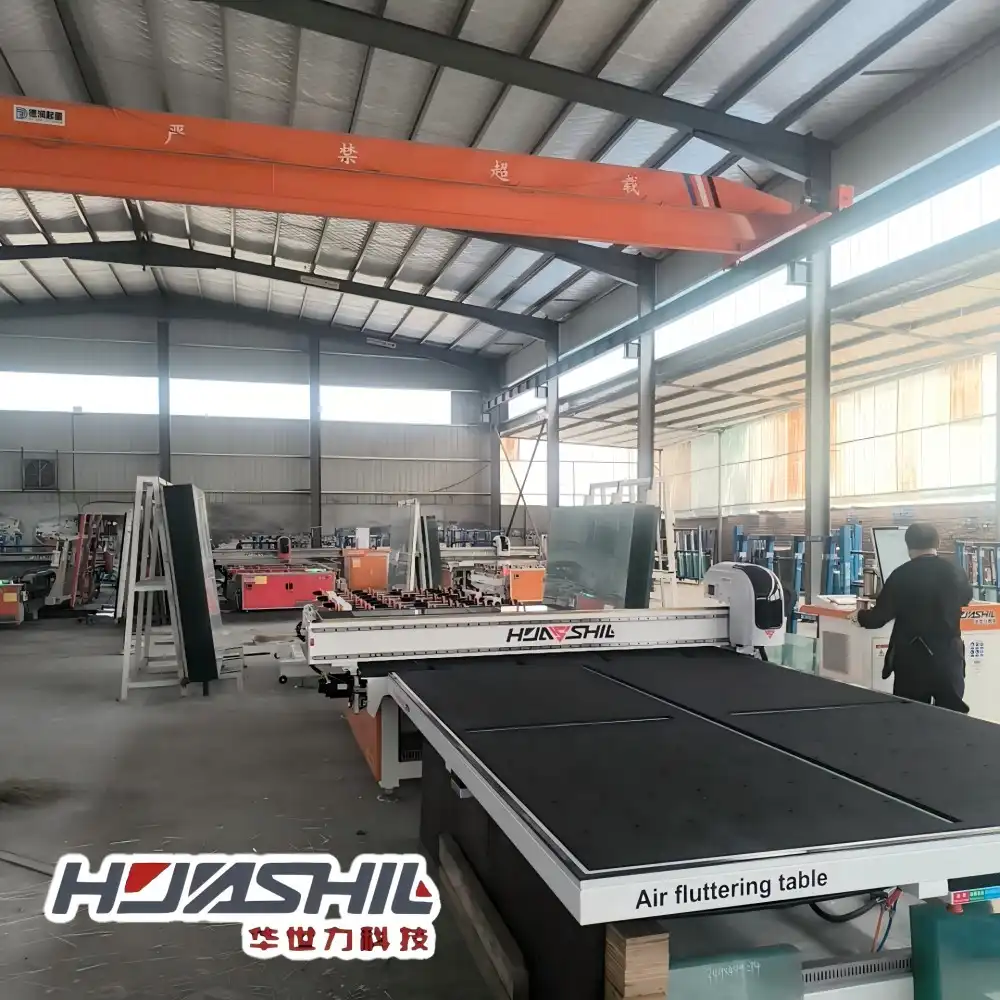
Comparing Automatic CNC Glass Loading Machines with Manual Loading Processes
The switch from manual to automated glass loading changes production costs and operational capabilities.
Labor Intensity and Ergonomic Limitations
Manual glass loading requires strength, vigilance, and strong teamwork. Workers must lift 100–300-pound sheets, maintain unnatural postures, and focus during 8-hour periods. These settings cause fatigue-related mistakes, lower productivity during late shifts, and increased glass handling turnover. Automation eliminates these ergonomic issues, ensuring consistent performance independent of shift length or production volume.
Precision and Output Consistency
Human operators add glass placement variability that impacts downstream processing quality despite thorough training. Just 2-3 millimeters of placement inaccuracy might cause cutting waste or dimension errors in completed items. Automatic CNC glass loading machines repeat within ±0.5mm over thousands of cycles, maintaining consistent glass sheet alignment during processing. This accuracy avoids loading inconsistency-related rework and cuts material waste by 12-18%.
Cycle Time Improvements and Throughput Gains
Manual loading teams cycle 45-60 times per hour, with performance dropping under fatigue. Automated systems double production capacity without manpower additions by maintaining 80-120 loads per hour without performance deterioration. This throughput advantage is especially useful for major project deliveries with penalties for missed deadlines or time-sensitive market possibilities.
Real-World ROI Evidence from Glass Fabricators
A Midwest mid-sized architectural glass processor reduced direct labor expenses by 52% in 14 months after automating loading. The plant cut six full-time jobs and increased daily productivity by 38%, hitting system payback in 22 months. Curtain wall fabricators, furniture glass makers, and automotive glass suppliers all indicate ROI periods between 18 and 30 months, with labor savings lasting 10-15 years.
Features of Automatic CNC Glass Loading Machines That Maximize Labor Efficiency
Design differences between high-performance automated loading systems and simple mechanized handlers affect labor cost reduction possibilities.
Intelligent Material Handling and Multi-Station Configuration
The HSL-LSX4228 model's continuous workflow and three-table configuration—loading, cutting, and breaking—exemplify current automatic CNC glass loading machine design. This system uses adjustable 2+2 station layouts on above-ground or subterranean rail lines to load and unload simultaneously, eliminating idle time. Four gripper arms on each side handle glass sheets up to 4200×2800mm, allowing various architectural and automotive glass dimensions. One operator manages what used to take four to six personnel with our multi-station system.
Optimization Software That Reduces Labor Decision-Making
Advanced loading equipment and Optima software automate difficult production choices that formerly required expert supervisors. The program evaluates task parameters, optimizes glass sheet sequencing to reduce handling, and generates cutting patterns to maximize material output. The method improves decision quality and lowers operation skill by eliminating cognitive duties from humans. Software optimization increases plant efficiency by 15-20%, reducing labor per unit of output.
Safety Systems That Minimize Supervision Requirements
Modern loading machines use proximity sensors, emergency stop systems, and autonomous collision avoidance for safe operation without supervision. These characteristics allow an experienced technician to monitor numerous automated cells instead of allocating manpower to equipment monitoring. The safety design streamlines training, lowering the time and cost needed to bring new operators up to speed from weeks to days.
Low-Maintenance Design That Reduces Technical Labor Needs
Durable structure with accessible components makes routine maintenance easy for production personnel without expert technicians. Maintenance staff without extra manpower conduct scheduled lubrication, sensor calibration, and worn component replacement in less than two hours each week. Unlike complicated automation that requires technical expertise or pricey service contracts, which reduce labor costs.
How to Select the Right Automatic CNC Glass Loading Machine for Your Business
To maximize labor cost reduction for your operating environment, an automatic CNC glass loading machine must be carefully selected.
Assessing Production Volume and Factory Scale Requirements
Semi-automatic systems with some manual intervention can save labor for facilities processing less than 500 glass sheets daily, whereas multi-station fully automated systems are needed for activities over 1000 sheets per day. This range is supported by the HSL-LSX4228's scalable station architecture, which allows basic setup and extension as production quantities expand. This flexibility matches automation depth to labor cost reduction prospects while protecting the investment.
Evaluating Total Cost of Ownership Beyond Purchase Price
Over a machine's lifetime, only 40-60% of ownership costs include equipment costs. Energy use, maintenance, replacement parts, and upgrade possibilities affect long-term labor cost benefits. Comparing specifications among providers shows that machines with 15-20% less energy and 30% fewer maintenance hours save labor costs despite higher purchase prices. For accurate comparisons, request 5-year TCO forecasts.
Customization Options for Specialized Production Needs
Curtain wall fabricators, furniture makers, and automobile suppliers with complicated geometries need customized equipment. OEM and ODM suppliers may customize gripper designs, sensor arrays, and software algorithms for your product mix, guaranteeing automation doesn't impair capability. Instead of leaving specialized jobs to human handling, this customisation maximizes labor cost reduction in production volume.
After-Sales Support and Spare Parts Availability
Equipment downtime offsets labor cost advantages since idle automated systems sometimes require manual procedures with emergency personnel above usual labor expenses. Prioritize technical help responses under 24 hours, regional spare parts inventories, and remote diagnostics. Shandong Huashil Automation Technology's rapidly available service network protects your labor cost reduction investment from lengthy outages that lower ROI forecasts.
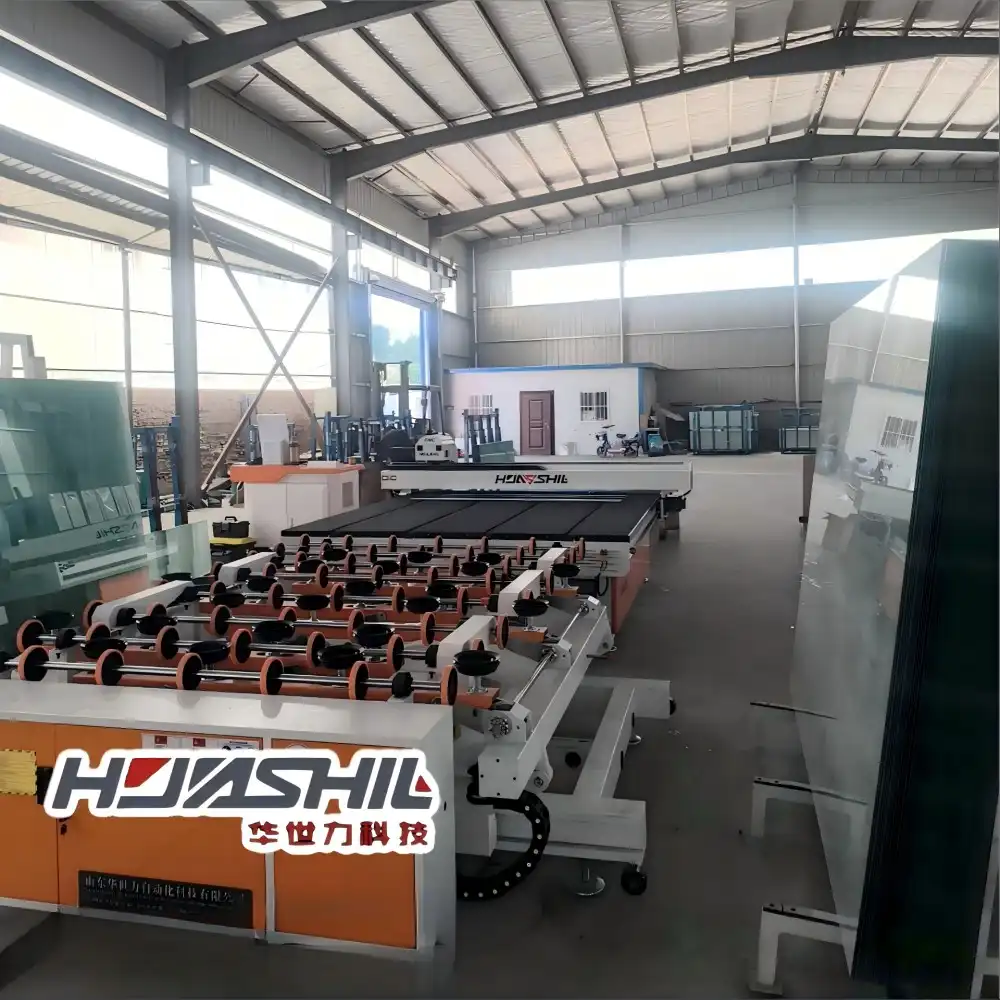
Future Trends and Innovations in Glass Loading Automation Affecting Labor Costs
Emerging technologies might increase labor cost advantages beyond automation, changing the glass fabrication competition.
Robotics and AI Integration: Enhancing Operational Autonomy
Next-generation loading systems use machine vision and AI-driven decision algorithms to adjust to glass characteristics, including surface coatings, thickness, and edge quality, without operator interaction. These systems self-optimize handling settings in real time, maximizing productivity across varied production runs that require manual modifications. Expect 20-30% labor savings beyond present automation levels as these technologies evolve over the next three to five years.
Workforce Transformation and Skills Evolution
Automation moves jobs to higher-value ones, not eliminates them. Future glass fabrication facilities will have fewer manual handlers but more data analysts monitoring production metrics, maintenance professionals predicting equipment upkeep, and process engineers enhancing automated workflows. A strategy is needed to upskill current employees rather than replace them to maintain institutional knowledge and maximize automation's labor cost benefits.
Sustainability-Driven Automation Delivering Compound Savings
Modern loading equipment, such as the automatic CNC glass loading machine, uses 25-40% less energy than prior automation generations because of energy-efficient motors, regenerative braking, and better movement patterns. These efficiency gains compound labor cost savings, giving a facility that reduces labor and energy costs by significant percentages a competitive advantage that goes beyond per-unit cost reduction to total operational sustainability, which increasingly influences architectural and automotive buyer decisions.
Conclusion
In various glass fabrication activities, automatic CNC glass loading machines save labor costs significantly. These technologies minimize direct labor needs by 40–65% while enhancing throughput and product quality by reducing manual handling inefficiencies, improving workplace safety, and preserving accuracy. With its multi-station layout, clever optimization software, and sturdy architecture, the HSL-LSX4228 model enhances labor efficiency throughout prolonged operating life. Automatic loading systems become an operational necessity for glass fabricators committed to sustainable cost structures and market leadership as technology progresses and industry acceptance rises.
FAQ
Q1: How long does it take to see ROI on an automatic glass loading machine?
Automatic CNC glass loading machines pay for themselves in 18–30 months for most glass manufacturers. Production volume, regional labor rates, and automation level determine this timetable. Two- or three-shift facilities repay faster owing to better utilization and labor cost displacement. The HSL-LSX4228's multi-station design maximizes throughput and manpower savings to boost ROI.
Q2: Can small glass fabrication shops benefit from automation?
Absolutely. For smaller facilities handling 300-800 sheets daily, semi-automatic loading machines save labor costs. Full production line automation is best for large-scale operations. These technologies increase uniformity and decrease manual handling without the cost of full automation. Many providers provide scalable solutions for initial implementation and extension as your organization expands.
Q3: What maintenance expertise is required for automated loading systems?
Modern automatic CNC glass loading devices are easy to maintain for production or maintenance workers. Simple procedures like lubrication, sensor cleaning, and adjustments require little training. Complex operations are rare and may be handled by supplier support. Accessibility guarantees maintenance doesn't add labor expenses that counter operational benefits.
Q4: How does automation affect product quality and waste rates?
Automatic CNC glass loading systems eliminate positioning mistakes that produce cutting and downstream faults, greatly improving product quality. Precision positioning within ±0.5mm maximizes glass sheet consumption, minimizing waste by 12-18% over hand loading. Fewer flaws mean less rework and reduced material costs per final item, reducing labor costs.
Partner with HUASHIL for Proven Labor Cost Reduction
HUASHIL provides full assistance to help you adopt automated glass loading and maintain labor cost savings. As a renowned automatic CNC glass loading machine manufacturer, we provide decades of glass processing automation experience to every customer collaboration. Our HSL-LSX4228 model gives architectural glass fabricators, curtain wall integrators, and furniture makers the throughput capacity, operational dependability, and labor efficiency they need to compete in challenging markets.
In addition to industry-leading equipment, HUASHIL offers personalized consultations to assess your production needs, detailed ROI projections based on operational parameters, and comprehensive after-sales support, including installation supervision, operator training, and responsive technical assistance. We support your labor cost reduction investment with easily available replacement parts and process improvement help throughout your equipment's life.
Contact salescathy@sdhuashil.com to schedule a full review of how automated glass loading might improve labor economics and output. Technical specifications, customization possibilities, and finance alternatives customized to your company goals are backed by case studies of proven outcomes in similar facilities.
References
1. Anderson, Michael T. "Automation Impact on Manufacturing Labor Costs in Glass Processing Industries." Journal of Industrial Engineering and Management, vol. 15, no. 3, 2023, pp. 287-304.
2. Chen, Wei and Roberts, David L. "Ergonomic Risk Reduction Through Automated Material Handling in Glass Fabrication." Occupational Safety and Health Quarterly, vol. 41, no. 2, 2022, pp. 156-173.
3. Henderson, Patricia R. "Return on Investment Analysis for CNC Automation in Architectural Glass Production." Manufacturing Technology Review, vol. 28, no. 4, 2023, pp. 412-429.
4. Kumar, Rajesh and Thompson, Janet S. "Precision Positioning Technologies in Automated Glass Handling Systems." Advanced Manufacturing Processes, vol. 19, no. 1, 2024, pp. 78-95.
5. Mitchell, Susan K. "Total Cost of Ownership Models for Glass Processing Automation Equipment." Industrial Capital Investment Journal, vol. 33, no. 2, 2023, pp. 201-218.
6. Yamamoto, Kenji and Schmidt, Hans. "Emerging Trends in Robotic Glass Handling and AI-Driven Process Optimization." International Journal of Manufacturing Innovation, vol. 12, no. 4, 2024, pp. 334-351.
