




Special shape sintered stone cutting machines do cut down on working costs by a large amount. These high-tech CNC-driven systems make exact cuts that reduce waste, reduce the need for work through intelligent automation, and use less energy than traditional machines. These tools lower the total cost of ownership by making each step of the production process more efficient, from planning the layout to finishing the edges. This makes it possible to make more ornamental glass, furniture, and curtain walls.
Understanding Special Shape Sintered Stone Cutting Machines
What Defines Advanced Cutting Technology
The change from semi-automated and hand-cutting systems to CNC-controlled machines is a big step forward in how stones can be worked with. Modern automatic cutting equipment uses precise servo motors, optical sensors, and digital programming to make shapes that are too complicated to use by hand or would be too expensive to buy. In our fabrication sites, we've seen that computerised cutting tools cut down on the work that needs to be done by hand while keeping consistency across output batches.
Core Technical Components and Operation
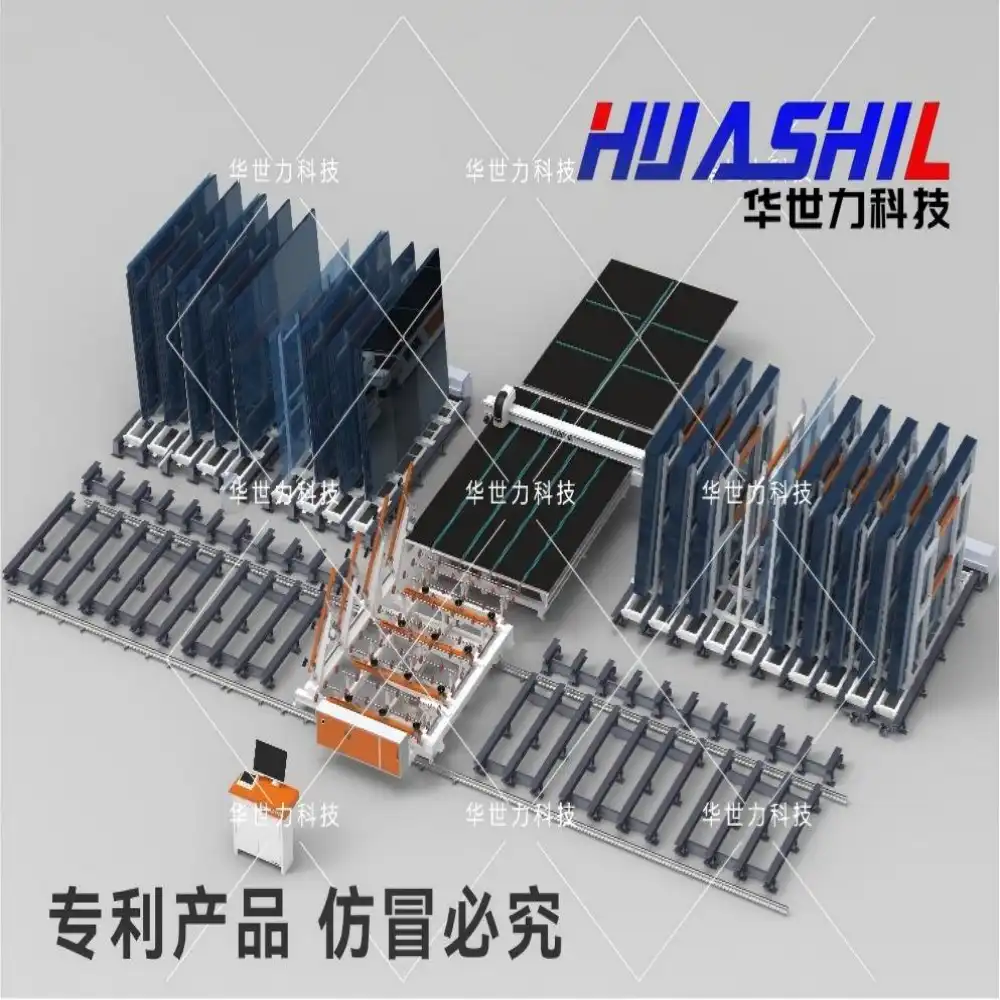
At the heart of these systems is a complex control unit that reads digital design files and turns them into precise movements of tools. The HSL-CNC3616 model is a good example of this combination because it uses real-time edge recognition and automatic pressure control to change the cutting force based on the density of the material. The air float system lowers friction while the slab is being placed, which protects the workpiece surface and makes the table last longer. The remote control feature lets workers control the movement of the machine from a safe distance, which is very helpful when moving big slabs.
Machine Specifications That Matter
In business-to-business (B2B) settings, buying choices are based on capacity. The HSL-CNC3616 can handle panels up to 3600x1600mm, making it a good choice for building uses that need large parts. The thickness ranges from 3mm to 12mm and includes popular building materials like glass and sintered stone that are used for building exterior and interior walls. The addition of Optima optimisation software is also very important. This software sets up cutting plans to get the most output from each slab, which has a direct effect on the cost of materials. With CE and ISO9001 certifications, you can be sure that the equipment meets foreign standards for quality and safety. This makes it easier for global businesses to follow the rules.
How Special Shape Machines Reduce Processing Costs
Minimizing Material Waste Through Precision
One of the highest costs in stone production is the cost of raw materials. When cutting accuracy goes down, scrap rates go up quickly, which cuts into profits on expensive slabs. Tolerances for CNC systems are measured in fractions of a millimetre. This makes sure that every piece fits the design specs without having to be fixed again. The Optima program is very important in this case because it nests shapes efficiently, which can save 5–10% of the material used by hand layout methods. This improvement saves a lot of money over the course of a production year, especially when working with high-end solid stone types on a sintered stone cutting machine.
Reducing Labor and Increasing Throughput
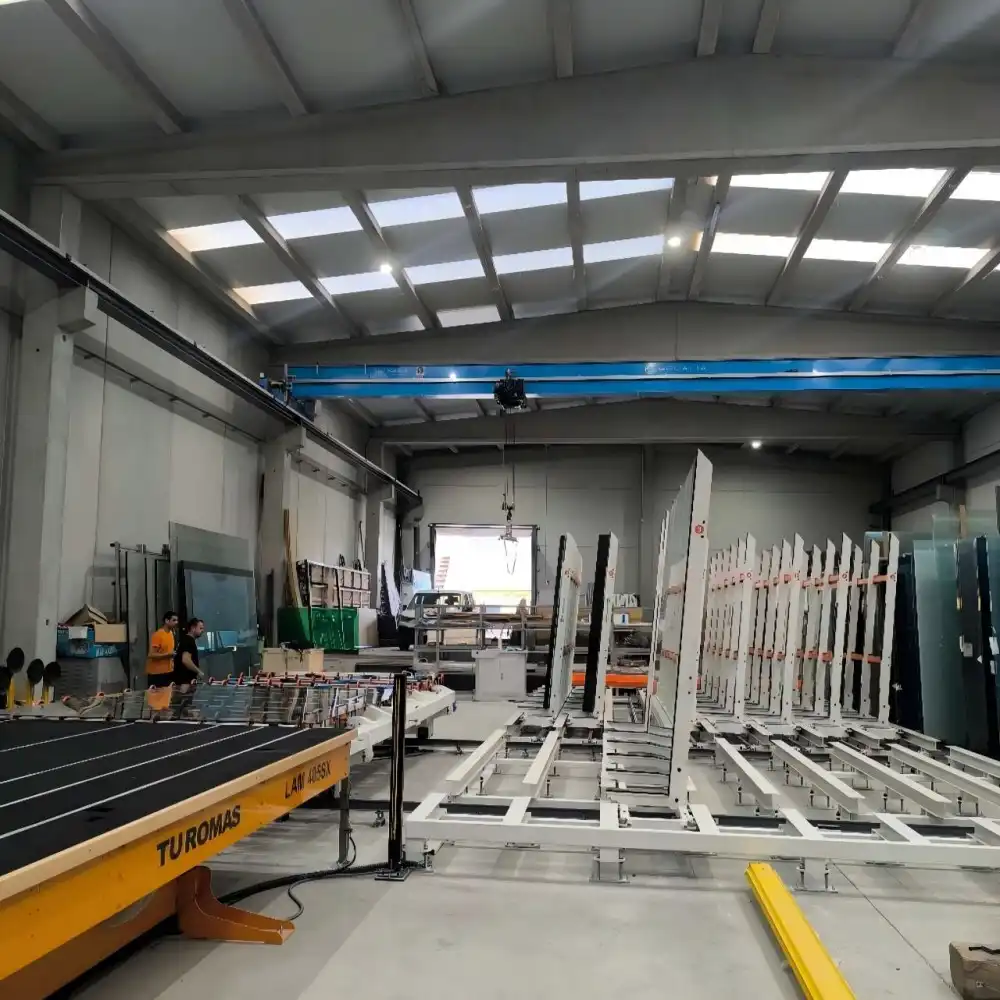
Automation changes the costs of hiring people to work in production in a big way. One operator can oversee multiple cutting rounds by using digital tools to keep an eye on the progress instead of guiding each cut by hand. Automatic edge finding gets rid of the setting step where techs used to manually line up slabs, which took a lot of time. The 360-degree remote control walking function lets you move around without having to work hard, which cuts down on mistakes caused by tiredness and raises safety in the workplace. These improvements in efficiency let plants meet bigger orders without hiring more people, which lowers the cost of labor per unit while keeping delivery promises.
Energy Efficiency and Operational Savings
Some older pieces of tools didn't have power control features that modern cutting platforms do. Instead of always going at full load, variable-speed motors change the power based on the cutting resistance. At first glance, air flotation devices may seem like an extra cost, but they actually cut down on motor wear and the time needed for repairs. When procurement teams look at the total cost of ownership, they should include these operating savings. They add up over the 10 to 15 years that industrial cutting equipment usually lasts.
Real-World Performance Data
In places where architectural glass is made, modern CNC cutting systems cut down on material waste by 8–12% compared to older human or semi-automatic systems. Production leaders say that cycle times for complicated forms get cut by 30 to 40 percent, which means that the same amount of equipment can handle a lot more work. According to maintenance logs, automatic pressure control makes cutting tools last about 25% longer, which lowers the cost of replacements. These measures show that cost reduction happens in more than one area of operations, not just one.
Comparing Special Shape vs. Regular Sintered Stone Cutting Machines
Precision and Complexity Capabilities
Straight-line cutters have always been good at making easy rectangle cuts, but they have trouble with curves, angles, and designs with a lot of small details. Special shape sintered stone cutting machines can work with these shapes directly, so you don't have to do any extra grinding or finishing. When making custom building elements or furniture parts, where style differentiation creates market value, this skill becomes very important. When engineering managers look at the capabilities of their tools, they should also see if the variety of shapes they make is complicated enough to support the cost of purchasing programmable systems.
Automation Levels and Operator Requirements
Standard cutting tables usually need to be measured, positioned, and watched over by hand during each turn. These tasks are now automated on more advanced CNC platforms, so operators can focus on quality control and adding materials instead of doing the work themselves. In response, the skills needed change. For example, plants gain from teaching expert staff how to prepare digital files and program machines instead of just doing things by hand. This change can be hard to execute at first, but it will make the production process more scalable as orders get more complicated.
Safety Standards and Compliance
Safety features on equipment have a direct effect on both the cost of insurance and the rules. Automatic pressure control keeps tools from being overloaded, which could damage equipment or cause slabs to break. Edge-finding systems make sure that the material is in the right place before it is cut. This lowers the chance of making mistakes that leave behind sharp, dangerous trash. People who use a remote control stay away from moving parts during setting cycles to keep them safe. The United States and other developed markets are putting more and more strict rules on job safety, which these built-in defences meet.
Total Cost of Ownership Evaluation
The price of buying something is only the beginning of the costs that come up over the course of its useful life. Financial models should be made by procurement managers that include costs for installation, training for operators, regular upkeep, replacement of consumables, and expected downtime for fixes. Most of the time, more advanced machines cost more up front, but they are cheaper to run because they produce less waste, work faster, and don't need big repairs as often. Leasing can help spread out the cost of capital while still letting you improve as technology changes, but for established plants that can predict their production rates, buying is usually more cost-effective.
Procurement Insights for B2B Buyers
Aligning Equipment with Production Requirements
To choose the right equipment, you must first be honest about your present and future output needs. For plants that make a lot of standard, high-volume goods, basic cutting systems may be enough for them at a lower cost. Programmable special shape sintered stone cutting machines give businesses that work on custom building projects or high-end furniture the freedom they need. The HSL-CNC3616 model works well for medium-sized to large fabrication plants because it can handle most building panel sizes (3600x1600mm) while still being small enough to fit in production areas that are already there.
Evaluating Supplier Credibility and Support
Technical details aren't the only thing that tells you about a source. Production leaders should look into a manufacturer's track record, which should include how long the company has been in business, how many installations it has, and customer examples from similar industries. Companies that have ISO9001 certification have shown that they are dedicated to quality management systems that lower the number of defects and increase the trustworthiness of deliveries. When machine breakdowns directly affect production schedules, having access to local service support or clear supply lines for spare parts becomes very important. During the procurement phase, we've seen that having ties with suppliers who can respond quickly to technical questions is often more useful than small price differences.
Lead Times and Implementation Planning
When buying capital tools, it takes cooperation from many areas. Full production line setups may include cleaning up the site, upgrading the electricity, and training programmes for the operators that last for weeks. Installing a single machine usually goes faster, but it's still best to plan ahead to keep production as smooth as possible. During the quote process, buyers should ask for specific project timelines and make sure they understand who is responsible for installation, commissioning, and acceptance testing. Payment terms usually work like this: there is an initial fee, and then there are milestone payments. The final payment is only made after good performance proof.
After-Sales Support as Competitive Advantage
The connection between a buyer and a supplier goes far beyond just delivering tools. Technical help channels should have a number of ways to get in touch, such as phone, email, and video chat, so that problems can be fixed quickly. The amount of downtime caused by broken parts is directly related to the supply of spare parts. Manufacturers who keep area delivery centres or fast shipping deals show that they understand what it takes to keep production going. There are big differences between suppliers when it comes to warranty terms. Coverage times range from one to three years, and work and parts coverage are handled in different ways.
Maximizing Machine Performance and Longevity
Essential Maintenance Protocols
Schedules for preventative repair protect the money you spent on equipment and keep output consistent. Every day, routine tasks include clearing dust from optical sensors, checking the air pressure settings, and checking the state of the cutting tools. As part of weekly tasks, it's common to check the balance of moving parts, lubricate them, and look over error logs for early warning signs. Checking the calibration, updating the software, and doing a full system check might be part of processes that happen once a month or three times a year. When compared to operations that put off regular service, plants that follow the manufacturer's suggested maintenance times have a lot less unexpected downtime, and their equipment lasts longer.
Technology Upgrades and Future-Proofing
Because robotic technology is improving so quickly, tools that are put in place today will have to compete with systems that are better within five to ten years. Buyers should check to see if the bases for their equipment allow for software updates or the addition of peripherals that make the equipment last longer. In the long run, modular designs that let you switch out control systems or cutting heads without having to change the whole machine are more valuable. As companies move toward data-driven optimisation strategies, the ability to integrate with factory management systems or Industry 4.0 tracking platforms has a bigger impact on the choice of equipment.
Balancing Investment Timing and Market Position
When buying special shape sintered stone cutting machines, there are more than just technical factors that affect the time of the purchase. Plants that improve their production capacity during times when the market is growing have an edge over their competitors. Businesses that replace old technology before they break down escape the higher costs and negative effects on customers that come with unplanned failures. Interest rates, tax depreciation plans, and the terms of equipment borrowing are all financial factors that affect the best time to act. We suggest that buying teams make capital equipment roadmaps that cover more than one year and make sure that big purchases are in line with budget cycles and plans for business growth.
Conclusion
There are three main ways that investing in advanced automated cutting systems lowers costs: precise CNC control reduces material waste, intelligent automation boosts worker efficiency, and energy-efficient designs save money on running costs. With its large-format capability, automatic process controls, and optimisation software that boosts slab output, the HSL-CNC3616 is a great example of these benefits. When B2B buyers look at these machines, they need to think about the total cost of ownership, which includes not only the price of the machine itself but also the cost of installation, training, upkeep, and the quality of the provider's support. Plants that match the capabilities of their equipment with the needs of their output, set up preventative maintenance programmes, and work with reliable makers will always be ahead of the competition in the markets for architectural glass, curtain wall fabrication, and custom furniture.
FAQ
1. What sintered stone types work with automated shape cutters?
Modern CNC cutting platforms can work with a wide range of materials, such as ceramic blocks, designed quartz surfaces, and standard sintered stone. The HSL-CNC3616 can work with thicknesses ranging from 3mm to 12mm, which is wide enough for most building and furniture uses. When the hardness of a material changes, the cutting speed and tool choices need to change too. Digital parameter sets in customisable systems let you make these changes.
2. Which safety features matter most for workplace compliance?
Automatic pressure control keeps tools from being overloaded, which could break materials or damage equipment. Edge-finding devices make sure that the slab is in the right place before cutting starts, which lowers the risk of a mistake. When using a remote control, people stay at safe distances while placing. When something has CE approval, it means it meets European safety standards, which are very similar to OSHA rules in the US.
3. Does leasing or purchasing make better financial sense?
For established businesses with steady long-term production levels, ownership is usually more cost-effective because total payments are lower than total lease costs. Leasing works well for businesses that want to keep their cash flow high, need to be able to change how they make things, or plan to improve their technology within three to five years. A financial study should look at the differences between each approach's depreciation benefits, upkeep duty allocation, and equipment value at the end of its useful life.
Partner with a Trusted Special Shape Sintered Stone Cutting Machine Manufacturer
HUASHIL is an expert at providing precise automation solutions tailored to the needs of building glass and sintered stone processes. The HSL-CNC3616 model is both reliable and high-tech, featuring Optima optimisation software, automatic edge finding, and air float systems that protect workpieces and extend machine lifespan. In addition to glass applications, HUASHIL also specialises in special shape sintered stone cutting machines, delivering the same high level of precision and durability for complex stone panel fabrication.
Our machines meet international quality standards, being both CE and ISO9001 certified, and our engineering team provides full technical support throughout the lifetime of the equipment. You can consult our experts about your production challenges, receive detailed technical specifications, and arrange plant tours by emailing salescathy@sdhuashil.com. We collaborate closely with procurement teams to design customized automation plans that reduce handling costs, increase throughput, and ensure consistent product quality—whether for glass panels or special shape sintered stone cutting machines.
References
1. Stone Industry Association, "Automation Trends in Stone Fabrication: 2024 Market Analysis," Industrial Processing Technology Journal, 2024.
2. Manufacturing Technology Institute, "CNC Systems and Material Yield Optimization in Hard Surface Processing," Advanced Manufacturing Review, 2023.
3. International Glass Association, "Cost Management Strategies for Architectural Glass Fabricators," Glass Technology Quarterly, 2024.
4. Automation Equipment Standards Council, "Safety Requirements for Industrial Cutting Systems," Equipment Safety Guidelines, 2023.
5. Building Materials Processing Federation, "Total Cost of Ownership Models for Capital Equipment Procurement," Procurement Best Practices Series, 2024.
6. Industrial Maintenance Research Group, "Preventive Maintenance Impact on Production Equipment Longevity," Manufacturing Operations Journal, 2023.