




When looking for automatic tools to handle glass, a glass loading table with arm is one of the most important things that production managers in charge of making architectural glass, curtain wall assemblies, or furniture should buy. This unique piece of equipment changes how large-format glass sheets are handled by combining air floating systems with a robotic arm and remote-controlled movement. Knowing the technical details, how it will work, and how much it will cost in the long run will help you make a purchase choice that will improve throughput, worker safety, and product quality in tough production settings.
What Is a Glass Loading Table with an Arm and Why Your Facility Needs One
Explain what a glass loading table with an arm is and why your business needs one.
Modern automatic glass handling lines are built around a glass loading table with arm technology built in. These systems use air cushions and mechanical arms to support, rotate, and move glass panels that weigh hundreds of kilograms with little physical effort. This is different from traditional methods of handling that put workers at risk of repetitive strain injuries and make it more likely for panels to break.
Core Components That Define Performance
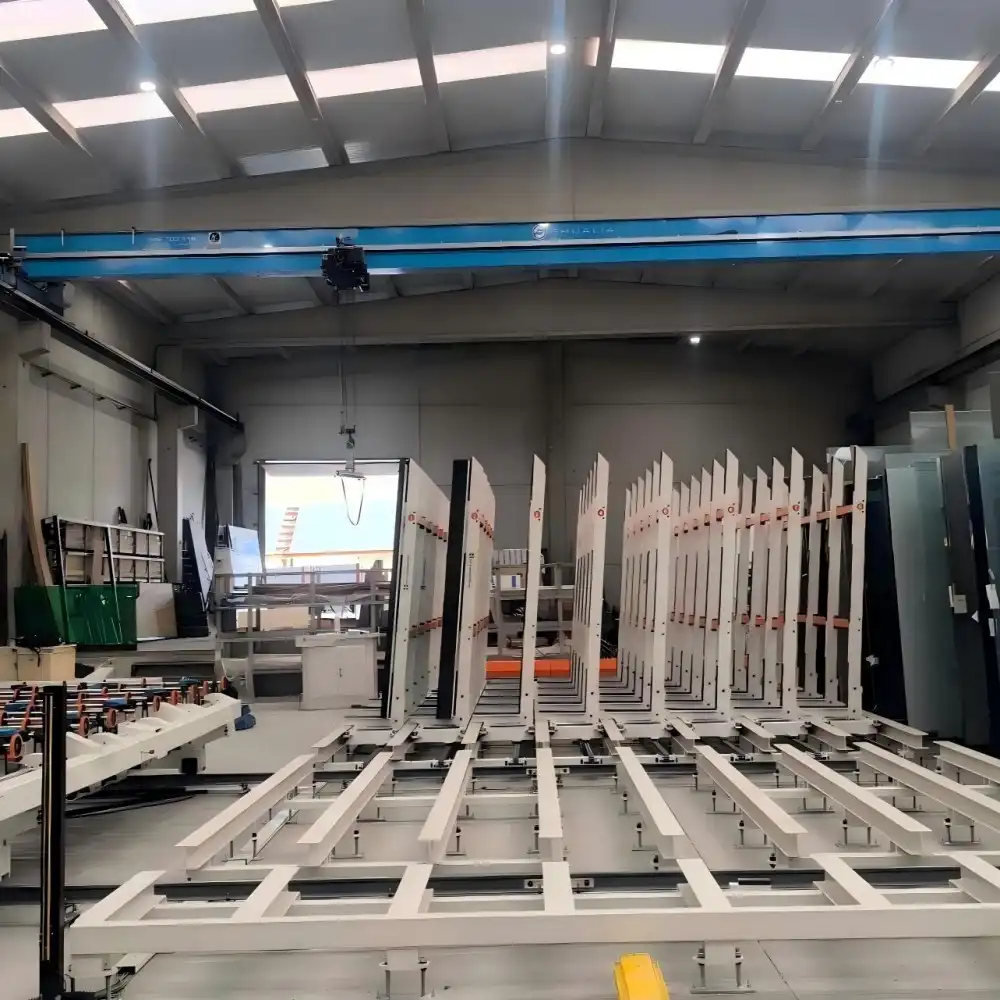
Modern automatic glass loading systems are made up of three important parts that work together. By sending thousands of tiny air jets through holes carefully made in the table bed, the air float table makes a surface that doesn't stick to anything. With this technology, workers can move huge pieces of glass—some measuring more than 3660 mm x 2440 mm—with just their fingertips, without scratching the surface, which would lower the quality of the finished product.
The automatic arm extension adds more features than just moving the arm horizontally. Modern versions have vacuum suction cups on moving arms that can pick up sheets from a flat position, rotate them at different angles, and place them exactly for cutting or edging operations later on. Because of this, there is no need for multiple handling stations, which means that up to 30% less floor space is needed than with a normal setup.
The third very important part is remote control walking systems. Mobile loading tables with 360-degree directional control can serve many desks in a production center without having to be permanently installed. This movement is especially helpful when changing the layout of a line or making adjustments to different production plans for different types and sizes of glass.
Operational Advantages That Impact Your Bottom Line
When switching from human to automated loading systems, the gains in production efficiency are clear right away. Cycle times have been cut by an average of twenty to thirty-five per cent, mostly because of less time spent waiting between processing steps and no longer having to make manual changes to position. The HUASHIL HSL-SPT3624 model shows these benefits through its automatic loading process, which, for normal architectural panels, removes and positions glass in less than 90 seconds.
Improving worker safety has benefits for both people and businesses. Handling glass by hand can cause musculoskeletal injuries that lead to a lot of workers' compensation claims and lost work days. According to environmental studies, air-floating systems reduce physical strain by about 70%, and mechanical arms get rid of the most dangerous lifting tasks completely.
Another strong benefit is the quality uniformity. Automated placement ensures repeatability within ±0.5 mm, making sure that every piece of glass hits the cutting or edging equipment at the same locations. This level of accuracy cuts down on the need for edge grinding and the loss of material from cuts that aren't lined up right. These small savings add up over the thousands of panels that are processed every month, saving a lot of money.
Key Specifications to Consider When Buying a Glass Loading Table with Arm
Before making a purchase choice, technical factors that affect how well a glass loading table with arm manufacturer’s equipment works with current production systems and how it can be expanded in the future must be carefully considered. Knowing how specifications translate into operational skills helps engineering managers find solutions that meet the specific needs of their building.
Dimensional Capacity and Throughput Requirements
The basic limit of what your system can handle is set by the maximum glass size compatibility. The HSL-SPT3624 can hold panels that are up to 3660mm x 2440mm, which are standard sizes for architectural glass used in both business and domestic buildings. Buyers should make sure that the specs for capacity include enough clearance margins—usually fifty to one hundred millimetres above the stated maximums—to allow for changes in placement during loading.
Thickness range skills are just as important. Many tables can handle glass from 3 mm to 19 mm, but for certain uses involving layered security glass or shielded glass units, stronger support systems may be needed that can handle 25 mm or more. The material's weight limit must match these measurements; high-end models can handle loads of more than 800 kg spread out across the table's surface.
The throughput ability is based on the cycle time requirements. Instead of just looking at arm movement speed, you should look at the whole handling process, including recovery, turning, positioning, and unloading. Complete rounds of sixty to one hundred twenty seconds are standard for mid-capacity production lines that handle twenty to forty panels per hour.
Automation Features That Enhance Productivity
How well an air float system works relies on how stable the air pressure is, how dense the holes are, and how well the flow rate is managed. Quality systems keep the flotation level the same across the whole table surface by using carefully measured blower units that change their output based on sensors that measure the weight of the glass. This adaptable feature keeps the edges of big panels from falling while smaller workpieces are being operated, using less energy.
For sites that do scoring and snapping, the breaking table feature built into more complex models like the HSL-SPT3624 is very useful. When compared to hand methods, these parts provide controlled support during the breaking process, which lowers edge chipping and raises the accuracy of the break line. Safety interlocks keep workers from moving their arms while breaking glass, which keeps them from getting hurt by glass shards. CE approval and ISO9001 compliance confirm this.
The functions of a remote control go beyond just telling you where to go. The best systems have customisable positioning memory that can save up to twenty of the most-used places in the building. Operators can remember these places by pressing a single button. This eliminates the need for constant manual direction and cuts down on the time needed to train new employees.
Material Construction and Durability Standards
Long-term dependability and upkeep costs are directly affected by frame building. Welded steel frames that are protected against rust by a powder coating can handle the harsh conditions in glass production shops, where water, cutting fluids, and glass particles speed up the breakdown of materials. Crossbeam designs that are reinforced stop the table surface from deflection, which can affect the uniformity of floating and the accuracy of placement over the years of constant operation.
Materials for air-lifting surfaces need to be carefully looked at. Phenolic resin materials are more resistant to wear than regular laminate surfaces, and the air holes stay intact after hundreds of thousands of load cycles. Long-term upkeep costs are lower because focused fixes can be made instead of resurfacing the whole table.
When it comes to job cycle rates and maintenance intervals, mechanical arm parts need extra attention. Industrial-grade pneumatic valves that are made to work continuously do a better job than cheaper options that are only meant to be used occasionally, especially in places where workers are on different shifts. Sealed bearing systems and lift mechanisms made of stainless steel make service intervals longer and cut down on unplanned downtime.
Comparing Glass Loading Table with Arm Options: Market Analysis and Selection Criteria
The market for automated glass handling equipment has a wide range of options, from simple tables with human help to fully automated robot systems. Gaining knowledge about the competition helps purchasing teams bargain better and find providers who can meet long-term operational needs.
Manual Versus Automated Systems: Total Cost Analysis
When compared to automatic arm systems, manual loading tables with basic air flotation have lower starting capital costs by forty to sixty per cent. These simpler designs work well for low-volume operations that process less than fifteen panels per day or for facilities with unpredictable production plans that can't afford to invest in automation.
Total cost of ownership estimates, on the other hand, show that medium- and high-volume processes have different results. Automation saves money on labour costs, and for centers that process thirty or more panels every day, the savings pay for themselves in eighteen to thirty-six months. Return on investment times are sped up by extra savings from lower breakage rates, better output, and fewer workers' compensation claims when using a glass loading table with arm.
You might want to think about semi-automated solutions as a middle ground. These sets combine air flotation tables with mechanical arms that can be taken off and put in place by hand. The lifting and rotating tasks are done instantly by the mechanical arms. This hybrid method lowers the initial cost while providing big improvements in quality and ergonomics.
Supplier Evaluation: Beyond Initial Purchase Price
Warranty coverage and assistance after the sale are what set elite equipment dealers apart from commodity equipment sellers. Standard guarantees that cover twelve months from the date of installation are a good starting point for safety, but top makers offer longer warranties that cover twenty-four to thirty-six months on important parts like air blowers, control systems, and mechanical actuators.
Long-term working stability depends on how easy it is to get spare parts. When suppliers keep regional distribution centres stocked with common wear items from within the United States, fixes can be done the same week instead of having to wait a month for items to arrive from abroad. Because HUASHIL has a well-established distribution network, parts get to North American sites within five to seven business days. This keeps production from being interrupted by unexpected equipment problems to a minimum.
Accessibility for technical help is also very important. Suppliers that offer multiple ways to communicate, like phone, email, and video chat, and keep support teams in different time zones can solve problems faster than those that only offer one route. Modern control systems have built-in remote diagnostics that let manufacturers find problems and show support staff how to fix them without having to pay for expensive on-site service calls.
Customization Capabilities for Specialized Applications
Standard equipment setups work well for most building glass uses, but custom engineering is often needed for specific production needs. With OEM and ODM capabilities, providers can change the size of the table, the way the arms are set up, and the control systems to fit specific workflow needs or connect to automatic processing lines that are already in place.
Curtain wall makers often need longer tables than the standard size to work with panels that are too big for business building projects. Furniture makers might need to change the shapes of their arms in order to work with glass parts that aren't perfectly round. Checking a supplier's technical resources and desire to work on custom projects can help you avoid expensive compatibility problems that are found after the equipment has been delivered.
System integrators are different from separate equipment sellers because they offer integration help for full production line setups. Facilities that want to do a lot of automation should work with makers that can connect many machines, like loading tables, cutting systems, edging equipment, and washing units, into a single process that is controlled by centralised software for production management.
How to Use and Maintain Your Glass Loading Table with Arm Efficiently
Setting up proper working methods and preventative maintenance schedules from the day the equipment is installed is necessary to make sure it works at its best and lasts as long as possible. When engineering managers use structured procedures, uptime stability and long-term dependability improve in big ways.
Operating Procedures That Protect Equipment and Personnel
The right starting steps keep parts from wearing out too quickly and make sure the machine is safe to use. Before starting to move the table with a remote, operators should make sure that the work area is still free of any obstacles. Before adding glass panels, air float systems need the blower to warm up for thirty seconds so that the air pressure can settle. If you try to place heavy sheets during this startup phase, you could damage the surface or put stress on the motor.
How you place the glass affects both how quickly you can handle it and how long the equipment lasts. Instead of being dropped flat, sheets should touch the table surface at small angles. This lets air pillows form slowly under the whole panel. This method stops rapid pressure jumps that can damage the edges of float holes over time. Operators should put panels in the middle of the table, leaving at least a small space around the edges to make sure the support stays stable while the table is moving and rotating.
When working with layered or insulated glass units, it's important to be aware of how weight is distributed. Compared to single-piece sheets, these hybrid goods distribute weight unevenly. When operators engage the mechanical arms, they should do so at balance points instead of panel corners. This keeps the panels from tipping, which puts stress on the actuators and increases the chance that vacuum cups will let the glass slip.
Preventive Maintenance Schedules That Prevent Costly Downtime
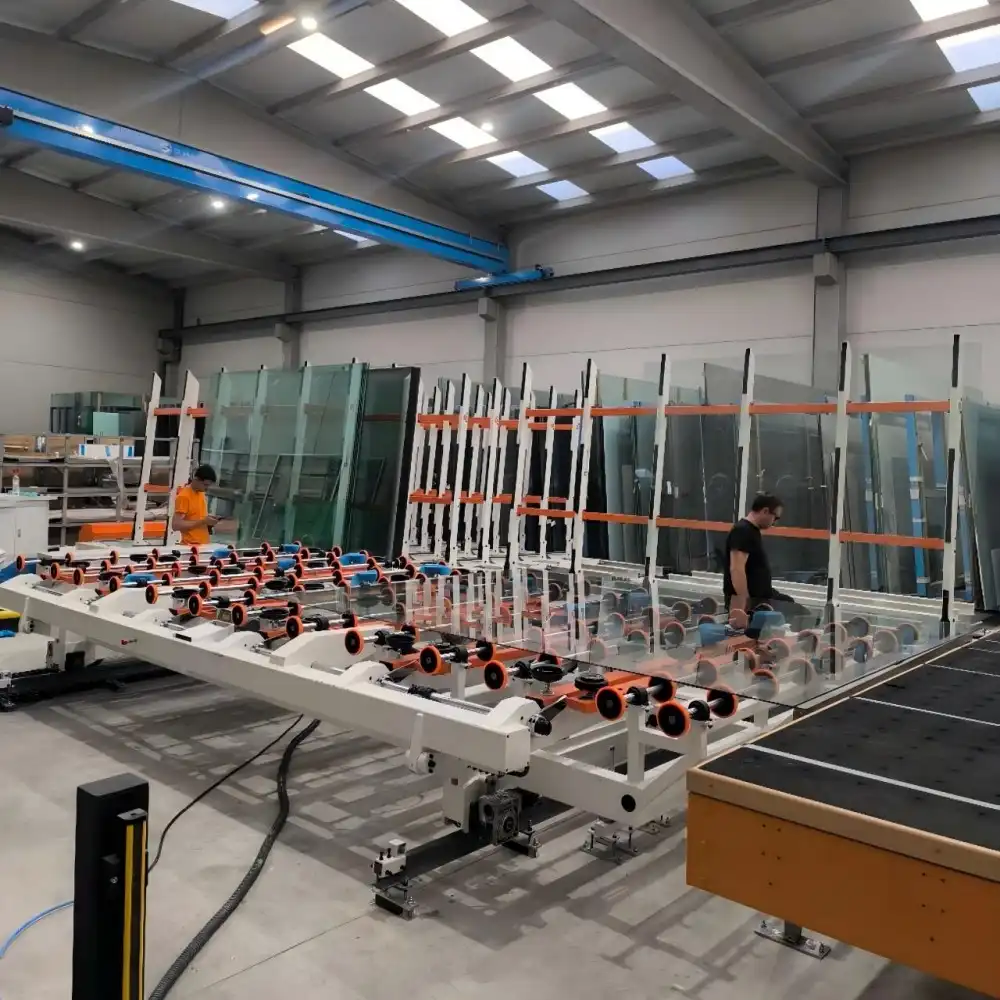
Daily simple maintenance tasks save time and improve reliability. Debris on air flotation surfaces blocks air holes, creating dead zones. Lint-free towels can swiftly remove dust and glass fragments before they embed. The vacuum cup's rubber seals should be checked for cuts, filth, or wear to decrease the suction hold on the glass loading table with arm.
Weekly repairs are made to mechanical and hydraulic systems. The manufacturer recommends lubricating arm pivot points, guide rails, and rotating bearings to reduce friction and keep the machine working smoothly. The blower operates best when the air filter is checked and cleaned regularly. Clogged filters reduce floating efficiency and require more energy because motors work harder to maintain the target pressure.
Monthly comprehensive checkups seek progressively deteriorating elements. Measure the air fan motor current to predict bearing failure before they fail. Sensors, switches, and programmable logic devices are tested during control system diagnostics. The mechanical arm is calibrated to maintain positional precision. This prevents cumulative drift, which degrades processing quality.
A Midwest architectural glass company implemented these standards after frequent breaking difficulties caused by unreliable flotation performance. After organising maintenance operations, their defect rate reduced 62% in six months, and equipment availability increased from 87% to 96%. The facility eliminated two monthly emergency repairs to focus on capacity increases.
Conclusion
Finding the right glass loading table with an arm means weighing the technical specs against the needs of the job and the ability to provide long-term support. The biggest glass sizes, automation features, the way materials are put together, and how reliable the provider is all affect whether equipment increases productivity over time or turns into a maintenance problem. The HSL-SPT3624 model shows how air float technology, mechanical arm help, and the ability to move around can be used together to meet the tough needs of making architectural glass, curtain walls, and furniture. When purchasing, teams look at the total cost of ownership, which includes things like reduced labour costs, better quality, and support after the sale. They can make smart choices that boost their competitive edge and keep workers safe for years to come.
Frequently Asked Questions
1. How do I determine the right load capacity for my glass loading table?
Find the highest weight of your panel, making sure to include safety gaps. It depends on how thick it is, but architectural glass usually weighs between 2.5 and 3 kg per square metre. Multiply the biggest size of your screen by the density of the material, then add a 20% capacity buffer. The HSL-SPT3624 works well with normal building sizes, but before buying laminated or insulated units, you should make sure they can handle the load.
2. Can glass loading tables integrate with existing cutting and edging equipment?
Modern systems make integration possible by letting you change the height settings and program the location values. Check that the height of the table matches the infeed levels of the equipment next to it. These levels should be between 855 and 955 millimetres. Through industrial communication standards, control systems that are compatible can work together with machines that are further upstream and further downstream.
3. What certifications should I verify before purchasing?
CE approval shows that a product meets European safety standards for electrical systems, mechanical guards, and emergency stop features. Quality management methods in production are approved by ISO9001 certification. People in North America who want to buy something should make sure it meets OSHA standards for business gas and industrial systems.
Partner with HUASHIL for Reliable Glass Loading Solutions
HUASHIL sells automated glass handling equipment that is designed to meet the needs of today's manufacturing plants. With CE and ISO9001 certifications, our HSL-SPT3624 glass loading table with arm combines precise air flotation, mechanical handling, and the ability to be moved around. We support architectural glass makers, curtain wall fabricators, and furniture manufacturers across North America with quick technical support and thorough guarantee protection as a reputable glass loading table with arm manufacturer. Email our team at salescathy@sdhuashil.com to talk about your unique production needs, get full specification documents, or set up a virtual demonstration of our tools. We offer custom solutions that deal with specific workflow problems and make sure they work with current processing equipment and building plans.
References
1. Glass Manufacturing Industry Council. (2023). Automated Handling Systems in Architectural Glass Production: Performance Benchmarks and Safety Standards. Industrial Press.
2. Thompson, R. & Martinez, K. (2024). Ergonomic Assessment of Material Handling Equipment in Glass Fabrication Facilities. Journal of Occupational Safety Engineering, 47(3), 112-128.
3. International Standards Organization. (2023). ISO 9001:2015 Quality Management Systems for Industrial Machinery Manufacturing. ISO Publications.
4. Chen, L. (2024). Air Flotation Technology: Principles and Applications in Glass Processing Equipment. Manufacturing Technology Review, 31(2), 67-82.
5. European Committee for Standardization. (2023). CE Marking Requirements for Industrial Glass Handling Machinery: Safety and Performance Criteria. CEN Technical Report.
6. Wilson, J. & Patel, S. (2024). Total Cost of Ownership Analysis for Automated Glass Loading Systems. Industrial Equipment Procurement Quarterly, 19(1), 34-51.