




Glass bilateral edging machines represent sophisticated industrial equipment designed to process both edges of glass sheets simultaneously, delivering precision and efficiency in architectural, automotive, and decorative glass manufacturing. These machines typically feature advanced configurations including 12 grinding wheels per side, with 2 upper chamfers, 2 lower chamfers, and 8 flat grinding wheels working in coordination. The complexity of these systems, however, introduces various maintenance challenges that can significantly impact production efficiency, edge quality, and operational costs. Understanding these common maintenance issues enables procurement professionals and production managers to make informed decisions about equipment selection, maintenance planning, and operational optimization strategies that minimize downtime and maximize return on investment.
Understanding Common Maintenance Issues in Glass Bilateral Edging Machines
In the making of architectural, automobile, and decorative glass, glass bilateral edging machines are high-tech tools that can work on both sides of glass sheets at the same time. This makes the process more accurate and efficient. Usually, these machines have complex layouts with 12 grinding wheels on each side, 2 upper chamfers, 2 lower chamfers, and 8 flat grinding wheels that work together. But because these systems are so complicated, they can be hard to maintain in a number of ways that can have a big effect on production speed, edge quality, and running costs. Knowing about these common maintenance problems helps procurement workers and production managers choose the right equipment, plan maintenance, and come up with ways to improve operations that reduce downtime and boost return on investment.
Complex mechanical systems make it possible for glass bilateral cutting tools to work very precisely on glass sheets. Servo motor-controlled automatic opening and closing devices can handle glass sheets from 0.35 meters to 2.5 meters in width. Servo-controlled moving systems make sure that the material is moved smoothly throughout the processing cycle.
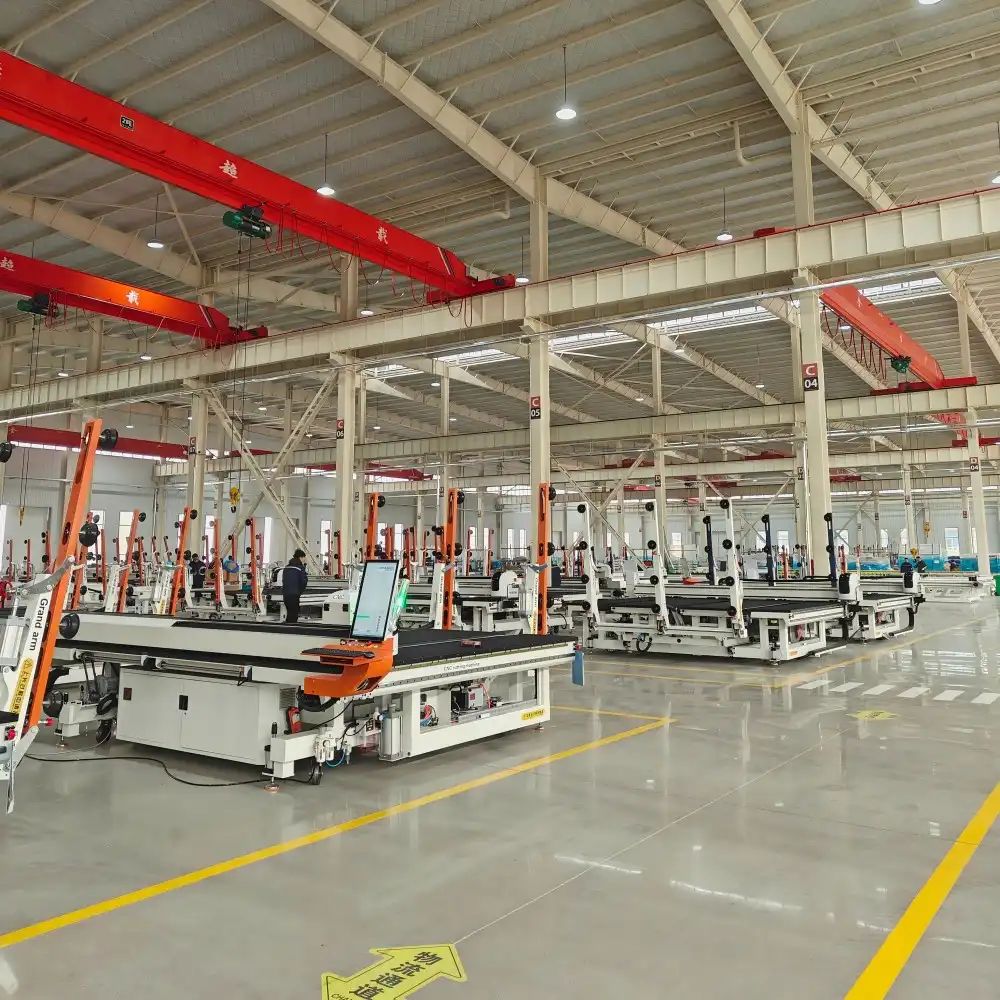
Key Components and Their Maintenance Challenges
The grinding wheel groups are what these tools are all about, and each of the 12 wheels on each side needs regular care. The way wheels wear changes based on the thickness of the glass, how fast it is processed, and how hard the material is. Chamfering units, which make angled edges, are under a lot of stress because they have to be very precise and are always touching glass surfaces.
Servo motor systems that handle both opening and closing and moving functions need specific ways to be maintained. To keep the sizes and working speeds of these motors accurate, they need to be precisely calibrated. Over time, the electrical control systems that run these processes can have problems because sensors become misaligned, code gets messed up, or parts wear out.
Impact of Neglected Maintenance on Production
Problems with production caused by poor maintenance of the glass bilateral edging machine have effects that spread through the whole industrial process. Facilities can lose thousands of dollars an hour in productivity because of downtime. This is especially true in high-volume architectural glass manufacturing, where shipping times are very important. When edge quality isn't good, there is more waste, more work that needs to be done, and the chance that a customer will reject the product, which hurts long-term business ties.
Inconsistencies in quality often show up as odd edge finishes, differences in size, or surface flaws that need expensive extra processing. When it comes to curtain walls, these problems are especially bad because exact tolerances are needed for proper fitting and structural stability.
Diagnosing and Troubleshooting Frequent Problems
To properly figure out what the problem is, you need to use a methodical approach that takes into account both mechanical and computer parts. One of the most common problems is machine shaking, which can be caused by worn bearings, grinding wheels that aren't lined up right, or moving parts that aren't balanced.
Mechanical Wear and Component Failures
Bearing systems that hold up grinding wheel spindles are constantly under stress and need to be checked for signs of wear, heat buildup, or strange noises on a regular basis. To keep bearings from breaking down too soon, lubrication systems must keep the right flow rates and fluid quality. Belt drive systems that connect motors to grinding units can get stretched, frayed, or slip, which can make processing speeds vary and the quality of the edges bad.
The setting and clamping forces of machines are controlled by hydraulic and gas systems. These systems can leak, change pressure, or take too long to respond, which can affect the accuracy of the processes. These problems are made worse by deteriorating seals, clogged filters, and changes in fluid flow.
Electrical and Control System Malfunctions
Control systems that keep an eye on and change processing factors in real time are a big part of modern glass bilateral edging machine tools for glass bilateral edging. These systems can become unreliable if sensors move, cables wear out, or outside noise gets in the way. Programming errors or program problems can make machines act strangely or make safety systems not work properly.
The use of diagnostic tools and predictive maintenance software can help find problems before they stop production. Vibration analysis, heat imaging, and oil analysis can tell you a lot about the health of a part and how long it will last.
Effective Maintenance Tips to Extend Machine Lifespan
Preventative maintenance methods greatly lower the number of unexpected breakdowns and increase the life of equipment. Structured repair plans that are adjusted to fit output numbers and working conditions make sure that the system works at its best and is reliable.
Daily, Weekly, and Monthly Inspection Routines
Visual inspections, basic cleaning, and operating checks that find instant problems should be the main parts of daily maintenance. Some of these tasks are making sure there is enough lubrication, listening for strange sounds or noises, and making sure the safety systems work right.
More thorough checks of the grinding wheel's state, the tension of the belt, and the pressure in the hydraulic system are added to the weekly upkeep. Cleaning dirt off of machine parts and making sure the electrical connections are secure can help avoid problems caused by pollution.
Maintenance is done once a month and includes full checks of all parts, cleaning of the lubrication system, and proof of calibration. These tasks take more time and special tools, but they keep processes accurate and stop major parts from breaking.
Lubrication Schedules and Component Replacement Guidelines
Managing oil correctly in the glass bilateral edging machine can increase the life of parts and maintain the quality of the work. Different parts of a machine need different kinds of lube and different amounts of time between changes, depending on how they are used and what the maker says. Different types of machinery, like grinding wheel bearings, conveyor systems, and hydraulic parts, need different kinds of lubricant.
Planning to replace a component means keeping track of working hours, wear signs, and making sure there are enough spare parts on hand. Grinding wheels, belts, and seals are all important parts that should be changed on a regular basis instead of waiting for them to break.
Selecting Maintenance-Friendly Glass Bilateral Edging Machines
Decisions about purchases have a big effect on the prices and needs of long-term upkeep. Along with processing power and initial buy price, equipment selection factors should focus on how easy it is to maintain, how readily available spare parts are, and how good the expert help is.
Critical Selection Criteria for Procurement Professionals
Modern glass bilateral edging machines with servo motor settings are much easier to maintain because they are more accurate and can figure out problems faster. Modern machines have features like real-time tracking of important parameters, the ability to make adjustments automatically, and predictive maintenance alerts that lower the need for human involvement.
Availability of spare parts is a very important factor to think about when buying things from other countries. Suppliers with well-established transportation networks and large inventories of parts make sure that there is little downtime when parts need to be replaced. Maintenance efficiency and problem-solving speed are both affected by the quality of technical help, which includes the ability to do diagnostics remotely and having service technicians in the area.
Manual Versus Automatic Maintenance Systems
Modern machines have automatic repair systems that keep them in good shape and lower the chance of mistakes. These devices can keep an eye on the amount of lubrication, keep track of how long parts have been used, and let workers know when maintenance needs to be done. For smaller businesses, though, manual upkeep methods may be more cost-effective and easier to use.
It is often better to buy newer equipment with improved motor controls and better grinding processes because it uses less energy and doesn't need as much upkeep. Energy-efficient machines usually make less heat and put less stress on their parts, which means they need to be serviced less often and cost less to maintain.
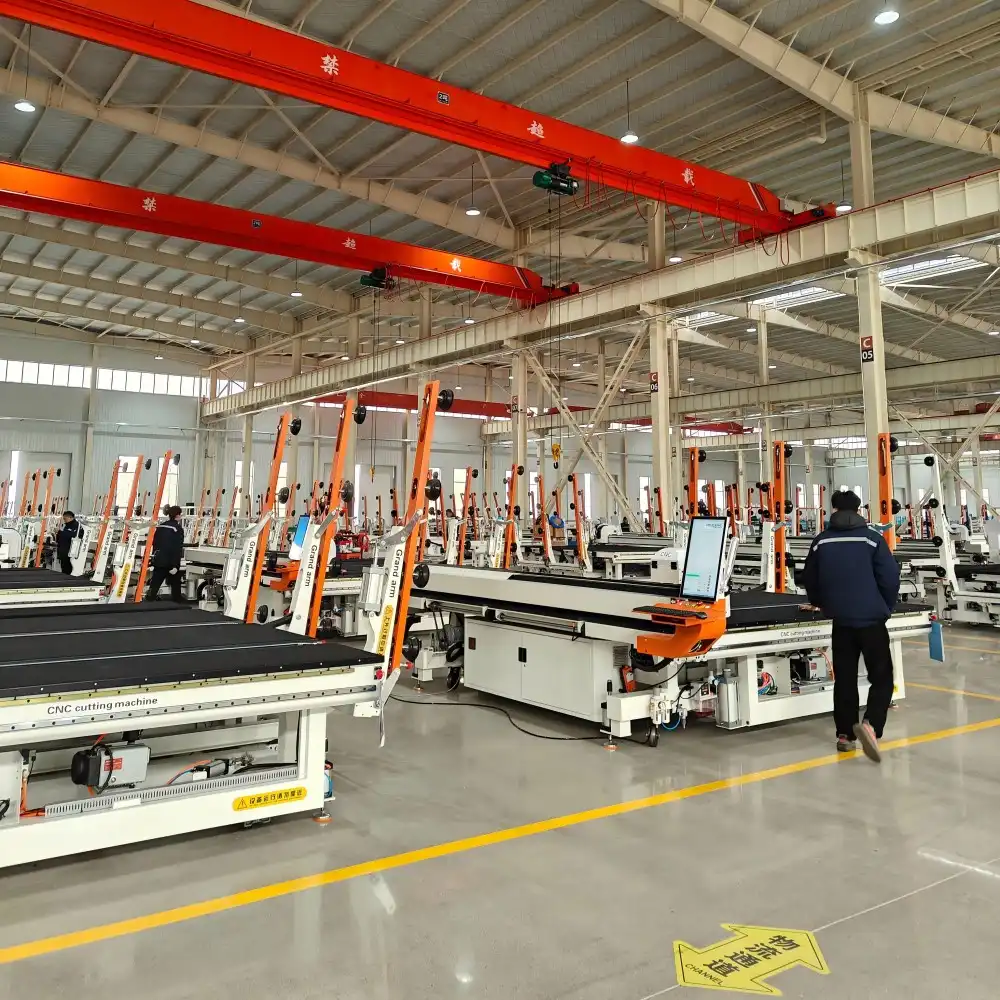
Planning for Long-Term Maintenance and Procurement Strategy
Strategic maintenance planning combines buying tools with full-service packages that lower the total cost of ownership. Approaches that look to the future take into account new technologies, changing output needs, and industry trends.
Customizable Maintenance Contracts and Financing Solutions
When you buy tools through a comprehensive maintenance contract, you also get ongoing service support, spare parts, and performance warranties. These agreements make repair costs predictable and guarantee skilled help for the whole life of the equipment. Financing choices that cover maintenance lower the original investment needed and make sure that the equipment is properly cared for.
Technologies for remote tracking allow for proactive repair actions that stop unexpected failures. These systems gather working data in real time, look at performance trends, and predict when parts will need to be replaced. The ability to integrate Industry 4.0 sets facilities up for future technology breakthroughs and better operational efficiency.
Predictive Maintenance and Smart Diagnostics
Advanced monitoring systems look at data about how well glass bilateral edging machines are working to find problems before they stop production. Vibration analysis, heat monitoring, and tracking of working parameters can give you information about the health of a component and how long it will last. These technologies lower the cost of repair while making tools more reliable and processing better.
With data-driven maintenance plans, service intervals are optimized based on how the system is actually working, not on random dates. This method cuts down on repair tasks that aren't needed and makes sure that important parts get the care they need.
Conclusion
To handle repairs for glass bilateral edging machines well, you need to know a lot about mechanical systems, be proactive, and choose the right tools for the job. Modern machines with 12 grinding wheels on each side and complex servo motor controls need organized maintenance methods that cover both regular care and problems that come up out of the blue. To get the best total cost of ownership, procurement pros need to think about both the original buy criteria and the long-term maintenance needs. Daily inspections, prediction technologies, and good relationships with suppliers are all parts of good maintenance plans that keep production quality high and keep downtime to a minimum. In competitive glass processing markets, business success and profitability depend on investments in technology that is easy to maintain and full-service support.
FAQ
Q1: How often should glass bilateral edging machines be maintained?
How often maintenance is done relies on how much is being made and how the machine is being used. Visual reviews every day, weekly checks of all the parts, and full repairs every month ensure the best performance. Grinding wheels and lube systems may need to be checked more often in high-volume processes.
Q2: What causes uneven edge finishes in glass bilateral edging machines?
Uneven edge finishes are usually caused by grinding wheels that are too old, machines that aren't calibrated correctly, feed rates that aren't consistent, or broken conveyor systems. Misaligned servo motors or problems with the settings can also make edge quality inconsistent.
Q3: Are financing options available that include maintenance support?
A lot of makers and dealers offer payment plans that include full servicing contracts with the purchase of equipment. These plans make costs predictable and make sure that professional upkeep is done on all equipment for its entire life.
Partner with HUASHIL for Superior Glass Bilateral Edging Machine Solutions
The cutting-edge technology and easy-to-maintain design of HUASHIL's modern glass bilateral edging machines make them perfect for your production needs. Our machines have automatic opening and closing systems driven by servo motors that can hold up to 2.5 meters of material, a wide range of grinding wheel configurations, and choices that can be changed to fit the needs of any application. As an experienced provider of glass bilateral edging machines, we offer full technical support, extra parts that are easy to find, and detailed upkeep instructions to make sure that your equipment works at its best. Email our team at salescathy@sdhuashil.com to talk about your unique needs and find out how our precision engineering solutions can help your glass processing while reducing the amount of work that needs to be done and the costs of doing it.
References
1. Glass Manufacturing Industry Council. "Maintenance Best Practices for Industrial Glass Processing Equipment." Glass Industry Technical Manual, 2023.
2. International Glass Machinery Association. "Preventive Maintenance Strategies for Bilateral Edge Processing Systems." Industrial Glass Equipment Standards, 2023.
3. American Society of Glass Manufacturers. "Quality Control and Maintenance Protocols for Architectural Glass Production." Glass Processing Guidelines, 2022.
4. European Glass Technology Institute. "Servo Motor Applications in Modern Glass Processing Machinery." Advanced Glass Manufacturing Technologies, 2023.
5. Industrial Maintenance Research Center. "Predictive Maintenance Technologies for Glass Manufacturing Equipment." Maintenance Engineering Quarterly, 2023.
6. Glass Processing Equipment Manufacturers Association. "Total Cost of Ownership Analysis for Industrial Glass Edging Systems." Equipment Procurement Guide, 2022.