




These days, CNC glass cutting equipments are essential for mass production because it offers unmatched accuracy, speed, and stability that hand cutting methods just can't match. Computer-controlled automation gets rid of mistakes made by humans and keeps exact specifications across thousands of cuts. This makes it essential for companies that need to make a lot of high-quality glass products. The technology turns raw glass into precisely sized parts with very little waste. This makes businesses all over the world much more profitable and efficient in their production.
Introduction to CNC Glass Cutting Equipment in Mass Production
Computer Numerical Control (CNC) technology changes the way producers do large-scale glass handling. Unlike traditional manual cutting methods that rely heavily on operator skill and experience, automated glass cutting systems use sophisticated software algorithms to control every aspect of the cutting process with mathematical precision.
The basic structure of these systems is made up of several important parts that work together. CNC controllers are like the brains of machines. They take digital design files and turn them into precise machine movements. Cutting is done by advanced tools like diamond wheels, lasers, and waterjet systems, which are controlled by a computer. CAD/CAM software, on the other hand, lets engineers make complicated cutting plans and figure out how to best use materials before production starts.
Core Components and Operating Principles
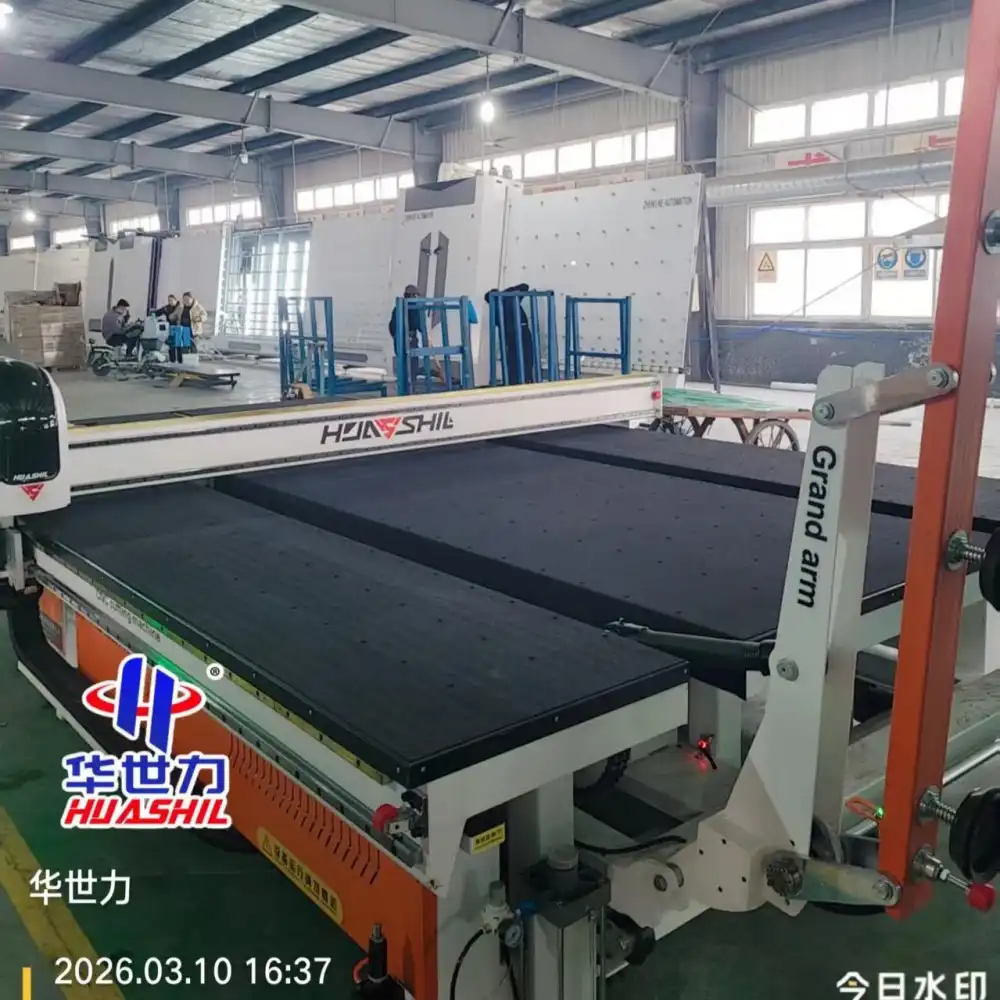
Modern CNC tools for processing glass combines several parts to get uniform results. The machine bed keeps the glass sheets stable, and servo motors precisely control where the sheets are placed, down to the micron level. Automated lifting systems safely move big glass panels, which cuts down on injuries at work and speeds up production. Pressure control systems change the cutting force based on the type and thickness of the glass. This makes sure that the glass breaks cleanly without stress cracks.
The HSL-YTJ3826 model exemplifies these advanced capabilities, accommodating glass sizes up to 3660×2440mm with thickness ranges from 2-19mm. Its Optima optimization software figures out the best way to cut things so that the most material is used. This cuts down on waste and makes production much cheaper.
Limitations of Manual Cutting in Mass Production
Standard methods for cutting glass have problems that can't be solved when used on an industrial scale. Manual scoring requires skilled craftsmen who work at relatively slow speeds, creating bottlenecks that limit overall production capacity. As shifts get longer and people get tired, it becomes harder to keep the quality of the work consistent. This causes variations in the quality of the cuts and more material waste.
When workers handle big glass screens over and over in high-volume areas, safety worries grow with CNC glass cutting equipment. Cutting by hand is hard on the body and can lead to injuries and higher insurance costs. For responsible producers, automation is not only a choice for efficiency but also a safety must.
Advantages of CNC Glass Cutting Equipment in Mass Manufacturing
Automated cutting systems have huge advantages that change the economy and efficiency of the industry. The benefits go far beyond just faster production; they also include better quality control, lower costs, and safer workplaces, all of which give companies a competitive edge in global markets.
Enhanced Productivity and Throughput
Continuous operation capabilities allow CNC systems to maintain production around the clock with minimal supervision. With the HSL-YTJ3826's automated loading and 360-degree remote control walking features, workers can handle multiple machines at once, which increases the output of their work. Synchronous belt moving systems keep the flow of materials smooth, so there are no delays in handling that slowed down production lines in the past.
When compared to human methods, CNC systems greatly speed up production. For example, they can finish complicated cutting patterns in minutes instead of hours. This acceleration directly translates to shorter lead times, enabling manufacturers to respond quickly to market demands and reduce inventory carrying costs.
Superior Quality and Consistency
Precision control eliminates the variability inherent in human-operated equipment with CNC glass cutting equipment. Every cut is made with the same parameters, which makes sure that the edges are all of the same quality and that the sizes are always correct across production runs. Advanced systems like the HSL-YTJ3826 have automatic pressure control and edge-finding features that keep the cutting conditions at their best, no matter how the glass is shaped or what the setting is like.
When quality goes up, less work needs to be done on the next steps of processing because the cuts are more uniform and need less edge cleaning and finishing. This cutback on secondary tasks speeds up production cycles even more while lowering the general cost of making things.
Cost Optimization Through Waste Reduction
Intelligent stacking software figures out the best way to cut things so that as little waste as possible is made. With the Optima software built into current CNC systems, it is possible to get material utilization rates of over 90%, compared to the normal range of 70–80% for hand cutting. This improvement represents substantial cost savings, particularly when processing expensive specialty glass materials.
When cutting lines are improved and machine idle time is cut down, energy efficiency goes up. Automated systems get rid of the starts and stops that come with manual tasks. This keeps power use steady and lowers the total cost of energy per unit created.
Types of CNC Glass Cutting Machines and Their Applications
Learning about the different types of automated cutting technologies helps procurement teams choose equipment that meets the needs of the production and meets industry standards. Each way of cutting glass has its own benefits that make it better for certain kinds of glass and situations.
Diamond Wheel Cutting Systems
Mechanical cutting using diamond-embedded wheels remains the most versatile and cost-effective solution for general glass processing applications with CNC glass cutting equipment. Standard float glass, low-iron glass, and tempered glass with thicknesses from 2mm to 25mm can all be cut very well with these systems. The HSL-YTJ3826 is an example of this type of product because it works well with architectural glass, auto parts, and furniture.
Diamond wheel systems make edges that are perfect for further manufacturing steps like polishing and hardening. The breaking table feature makes sure that the pieces separate cleanly along the score lines, reducing stress buildup that could cause the pieces to break on their own while being handled.
Laser Cutting Technology
Laser systems are the most precise way to work with thin glass, especially when making electronics, where errors measured in microns are typical. CO2 and fiber lasers can work with glass sizes between 0.5 mm and 12 mm with little thermal stress. This makes them perfect for making smartphone screens, optical parts, and artistic glass elements.
Because laser cutting doesn't touch the material being cut, it doesn't wear down the tools and can be used on fragile or coated glass that would be damaged by mechanical cutting methods. On the other hand, laser systems usually need bigger original investments and more regular upkeep than traditional ones.
Waterjet Cutting Applications
Ultra-high-pressure waterjet systems can cut through the thickest glass and shapes that are hard to cut with other methods. These systems can work with glass that is up to 200 mm thick and still produce edges that are perfectly smooth and the right size. When it comes to architectural uses, waterjet cutting is great for making complex designs or curved cuts in thick structural glass.
The cold cutting method gets rid of thermal stress and lets laminated glass and glass composites be worked on without the lamination coming apart. Because of this, waterjet devices are useful for specific tasks in the defense and aerospace businesses.
Maintenance and Software for Optimizing CNC Glass Cutting
Maximizing equipment performance requires systematic maintenance approaches and sophisticated software tools that enhance both reliability and productivity. Preventative maintenance plans keep machines from breaking down, which costs a lot of money, and new software features let automatic cutting systems do everything they can.
Preventive Maintenance Protocols
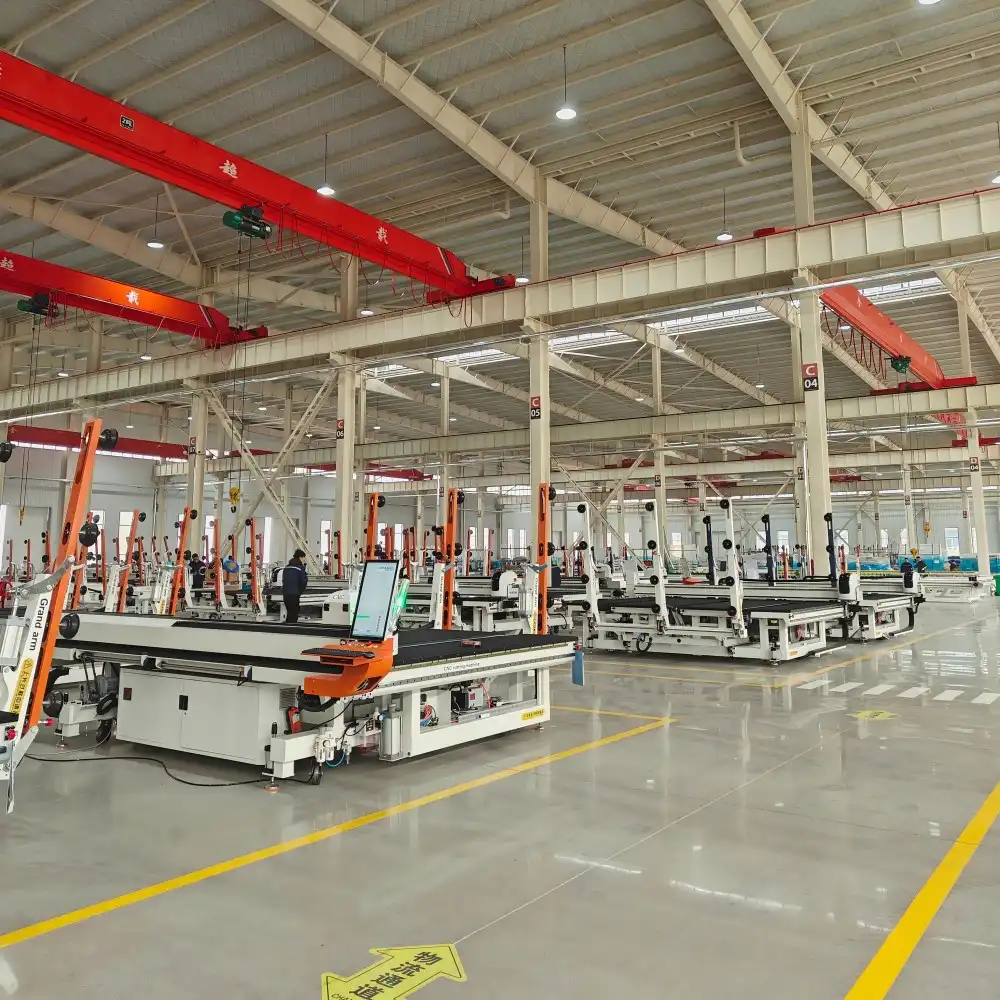
Maintenance plans that are followed on a regular basis make tools last longer and keep cutting quality high throughout their life. As part of daily checks, the state of cutting tools, the levels of pneumatic pressure, and the cleanliness of machine surfaces should all be checked. The air flotation system in units like the HSL-YTJ3826 requires particular attention to maintain smooth glass movement and prevent surface scratches.
As part of weekly maintenance, CNC glass cutting equipment linear guides need to be oiled, synchronous belt tension needs to be checked, and automatic edge finding sensors need to be calibrated. Full software backups, electrical connection checks, and replacement of cutting tools based on usage measures instead of random time intervals are all done once a month as part of routine processes.
Using condition tracking systems lets maintenance teams know about possible problems early on, so they can schedule repairs for planned downtime instead of having to deal with sudden production stops. This method lowers the cost of upkeep while increasing the availability of tools.
Advanced Software Integration
Modern CNC glass cutting systems leverage sophisticated software ecosystems that extend far beyond basic cutting control. CAD/CAM integration lets engineers make complicated cutting patterns straight from architectural plans or product specs. This gets rid of the need for manual programming and speeds up the setup process.
Nesting optimization algorithms look at the size and shape of the material as well as the cutting requirements to automatically find the best cutting patterns. When making cutting plans, the Optima program shows these abilities by taking into account things like the direction of the glass grain, the quality of the edges, and the needs for processing afterward.
Real-time production monitoring provides managers with instant visibility into equipment performance, material consumption, and quality metrics. This information helps manufacturers make smart choices about schedules, when to do repairs, and how to improve processes that make the whole process more efficient.
Industry 4.0 Integration
With the idea of a "smart factory," CNC glass cutting can be turned into linked industrial systems that work with ERP software and quality management systems without any problems. IoT devices constantly check the health of equipment and send maintenance tips and suggestions for improving performance.
Using data analytics tools, you can find trends in production data that show you ways to improve quality and efficiency. Based on past performance data, machine learning algorithms can automatically find the best cutting parameters. This makes sure that results stay the same even if operators and environmental conditions change.
Purchasing Guide: Making an Informed Decision on CNC Glass Cutting Equipment
To choose the best automated cutting system, you need to carefully consider a number of factors that affect both the system's short-term performance and its long-term operating success. Smart choices about buying take professional skills, costs, and relationships with suppliers into account.
Technical Specification Evaluation
Basic choices about machine size are based on how much is being produced. The HSL-YTJ3826 can handle normal building glass pieces up to 3660mm x 2440mm in size, and its 2–19mm thickness range is wide enough for most business uses. To account for future growth and changing product needs, procurement teams should make sure that equipment standards are 20–30% higher than what is currently needed.
The requirements for cutting precision must match the quality standards for the finished product. For example, architectural glass needs to be accurate to within 0.5 mm, while electronics may need to be accurate to within 0.1 mm. Understanding these needs keeps you from over-specifying, which can be expensive, and makes sure that the product works well enough for its intended use.
Automation features like automatic loading, pressure control, and edge finding significantly impact labor requirements and production efficiency. When thinking about building room and material handling processes, the 5550×4925mm footprint of advanced systems like the HSL-YTJ3826 needs to be taken into account.
Supplier Assessment Criteria
Equipment reliability directly affects production capacity and profitability, making supplier track record evaluation critical. CE and ISO9001 certifications demonstrate commitment to quality standards and regulatory compliance, while customer references provide insight into real-world performance and support experiences.
The lifecycle value of CNC glass cutting equipment is often determined by its ability to provide service after the sale, rather than its initial purchase price. Complete training programs, quick expert help, and a steady supply of spare parts make sure that equipment is always available for use. Suppliers should show that they have a local service presence or an approved partner network that can help quickly.
Financial Analysis and ROI Considerations
The total cost of ownership must be calculated by adding up the cost of buying the equipment, installing it, paying for training, and the cost of regular upkeep. Long-term operational costs and return on investment estimates are affected by how much energy is used, how easy it is to get replacement parts, and how long the equipment is expected to last.
Most applications see a payback time of 18 to 36 months after productivity gains from automation. Savings on labor costs, less trash, and better quality all add up to positive cash flow that pays for the initial capital investments. Financing options and leasing arrangements may improve project economics while preserving capital for other business needs.
Conclusion
Computer-numerical-controlled (CNC) glass cutting machines change the way mass production is done by making it more accurate, consistent, and efficient than ever before. This technology solves some of the biggest problems in manufacturing, like a lack of workers, the need for strict quality control, and rising costs, while also making the workplace safer and giving businesses more options for how they run. Modern systems like the HSL-YTJ3826 show how advanced robotics, smart software, and strong engineering can work together to give companies an edge in global markets. Successful implementation requires careful equipment selection, comprehensive training, and proactive maintenance strategies that maximize return on investment while ensuring long-term operational success.
FAQ
Q1: How does CNC cutting enhance production accuracy over manual methods?
Computer-controlled systems get rid of human error by keeping the cutting settings the same throughout the whole production run. Automatic pressure control and edge-finding features ensure optimal cutting conditions regardless of operator skill levels or fatigue factors. With CNC systems, the accuracy goes from ±2 to 3 mm when cutting by hand to ±0.5 mm or better, which means a lot less waste and need for repair.
Q2: What maintenance routines are essential for optimal CNC glass cutting performance?
Cleaning up glass trash and checking cutting tools every day keeps quality from dropping and equipment from getting broken. Linear guides are oiled once a week, and gas pressure levels are checked to make sure everything runs smoothly. Consistent performance and low maintenance costs are achieved by calibrating sensors once a month and replacing worn cutting wheels based on usage metrics instead of random schedules.
Q3: What financing solutions are available for acquiring advanced CNC equipment?
Equipment financing options include traditional bank loans, equipment leasing arrangements, and manufacturer financing programs that spread costs over 3-7 year terms. Many sellers offer flexible payment plans that work with the start-up times of production. This lets companies start making money from their new tools before they have to make big payments. Leasing may help you save money on taxes and keep your cash for other business investments.
Transform Your Glass Production with HUASHIL CNC Technology
The HSL-YTJ3826 CNC glass cutting tools from HUASHIL give your mass production processes the accuracy and dependability they need. Our high-tech automation features, like automatic filling, pressure control, and Optima optimization software, make sure that we can get the most work done with the least amount of waste. Our dedication to quality is backed by CE and ISO9001 certificates. HUASHIL is ready to help you reach your production goals with thorough training, quick technical support, and a reliable supply of extra parts. Get in touch with our knowledgeable staff at salescathy@sdhuashil.com to talk about your unique needs and find out why top CNC glass cutting equipment makers around the world trust HUASHIL technology for their toughest jobs.
References
1. Glass Manufacturing Industry Council. "Automation Technologies in Modern Glass Processing: A Comprehensive Industry Analysis." Industrial Glass Manufacturing Quarterly, 2024.
2. International Association for Glass Technology. "Precision Cutting Systems: Comparative Analysis of CNC Technologies for Mass Production Applications." Journal of Advanced Glass Processing, 2024.
3. Manufacturing Engineering Society. "Computer Numerical Control Systems in Glass Manufacturing: Performance Metrics and ROI Analysis." Automation in Manufacturing Review, 2024.
4. American Glass Manufacturing Association. "Safety and Efficiency Standards for Automated Glass Cutting Equipment in Industrial Applications." Glass Industry Safety Guidelines, 2024.
5. World Glass Processing Technology Conference. "Software Integration and Industry 4.0 Applications in Modern Glass Manufacturing Systems." Proceedings of International Glass Technology Summit, 2024.
6. Industrial Equipment Performance Institute. "Maintenance Strategies and Lifecycle Management for CNC Glass Cutting Equipment." Equipment Management Best Practices, 2024.