




In the ever-evolving world of glass manufacturing and processing, investing in a window glass cutting machine can be a game-changer for businesses looking to enhance productivity and precision. However, before making such a significant investment, it's crucial to understand the full financial implications. This comprehensive cost analysis will help you navigate the complexities of acquiring and operating a window glass cutting machine, ensuring you make an informed decision that aligns with your business goals.
Initial Investment: Machine Types and Prices
The first consideration in your cost analysis journey is the initial outlay for the machine itself. Window glass cutting machines come in various types, each with its own price point and capabilities. Let's explore the options:
Manual Cutting Machines
At the lower end of the price spectrum, manual cutting machines offer a budget-friendly entry point. These machines typically range from $1,000 to $5,000. While they require more operator skill and physical effort, they can be suitable for smaller operations or those with lower production volumes. However, they may not be the most efficient choice for businesses looking to scale up quickly.
Semi-Automatic Cutting Machines
Bridging the gap between manual and fully automatic options, semi-automatic cutting machines offer a balance of affordability and efficiency. Prices for these machines generally fall between $10,000 and $50,000. They provide increased precision and speed compared to manual machines, making them a popular choice for medium-sized glass processing operations.
Fully Automatic Cutting Machines
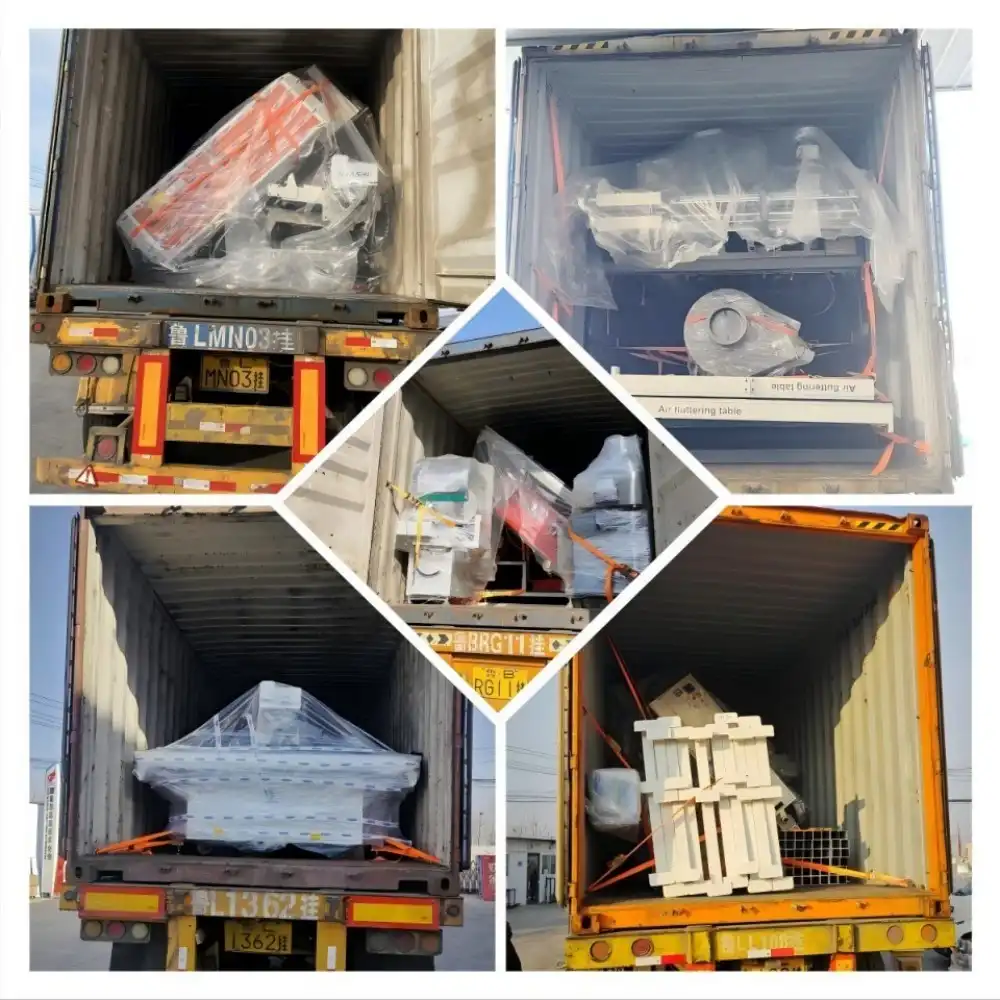
For high-volume production and maximum efficiency, fully automatic cutting machines are the gold standard, and these sophisticated machines can range from $50,000 to over $500,000, depending on their features and capabilities, and while the initial investment is substantial, these machines offer unparalleled precision, speed, and consistency, often justifying their cost through increased productivity and reduced labor expenses, a fact often highlighted by China window glass cutting machine suppliers.
CNC Cutting Machines
At the pinnacle of window glass cutting technology, CNC (Computer Numerical Control) machines offer the highest level of automation and precision. These machines can cost anywhere from $100,000 to over $1 million. They excel in cutting complex shapes and patterns, making them indispensable for businesses that specialize in custom or intricate glass products.
When considering your initial investment, it's essential to look beyond the sticker price. Factor in additional costs such as:
- Installation fees
- Training for operators
- Any necessary facility modifications
- Initial stock of consumables (cutting wheels, lubricants, etc.)
These ancillary costs can add 10-20% to your initial investment, so it's crucial to account for them in your budget planning.
Operating Costs: Energy and Maintenance
Once your window glass cutting machine is up and running, ongoing operating costs become a significant factor in your overall expenditure. These costs can be broadly categorized into energy consumption and maintenance expenses.
Energy Consumption
The energy requirements of glass cutting machines vary widely based on their size, type, and usage patterns. Here's a general overview:
- Manual machines: Minimal energy consumption, often limited to lighting and small motors.
- Semi-automatic machines: Moderate energy usage, typically ranging from 5 to 15 kWh per hour of operation.
- Fully automatic and CNC machines: Higher energy demands, often consuming 20 to 50 kWh per hour or more.
To calculate your annual energy costs, multiply your machine's hourly energy consumption by your local electricity rate and the number of operating hours per year. For example, a fully automatic machine using 30 kWh per hour, running 8 hours a day, 5 days a week, at an electricity rate of $0.12 per kWh would incur annual energy costs of approximately $7,200.
Maintenance Expenses
Regular maintenance is crucial for ensuring the longevity and optimal performance of your window glass cutting machine. Maintenance costs typically include:
- Routine inspections and tune-ups
- Replacement of wear parts (cutting wheels, belts, bearings)
- Lubrication and cleaning supplies
- Occasional repairs and part replacements
As a rule of thumb, you should budget 2-5% of the machine's purchase price annually for maintenance. For a $100,000 machine, this translates to $2,000 to $5,000 per year. However, this can vary based on usage intensity and the specific machine model.
Consumables
Don't forget to factor in the cost of consumables, which can add up quickly. These include:
- Cutting wheels or blades
- Lubricants and coolants
- Cleaning solutions
- Protective materials (if applicable)
The cost of consumables can vary widely based on your production volume and the types of glass you're cutting. It's not uncommon for businesses to spend $500 to $2,000 per month on consumables for a single machine.
Labor Costs
While not directly tied to the machine itself, it's important to consider the labor costs associated with operating your window glass cutting machine. The level of automation will significantly impact your labor requirements:
- Manual machines: Require constant operator attention, potentially increasing labor costs.
- Semi-automatic machines: Reduce labor needs compared to manual options but still require operator oversight.
- Fully automatic and CNC machines: Minimize labor requirements, often needing only periodic monitoring and material loading/unloading.
Consider how your choice of machine will affect your staffing needs and factor this into your overall cost analysis.
ROI: Justifying the Investment
After examining the costs associated with acquiring and operating a window glass cutting machine, it's time to consider the return on investment (ROI). A well-chosen machine can significantly boost your business's profitability through increased efficiency, reduced waste, and expanded capabilities.
Productivity Gains
One of the primary benefits of investing in a modern glass cutting machine is the dramatic increase in productivity. Depending on the type of machine and your current processes, you might see productivity improvements of 50% to 300% or more. This translates directly into increased output and potential revenue growth.
To calculate the value of these productivity gains:
- Determine your current daily or weekly glass cutting output.
- Estimate the potential output with the new machine.
- Calculate the additional revenue this increased output could generate.
- Subtract any additional operating costs associated with the higher production volume.
For example, if your new machine allows you to double your output from 100 to 200 square meters of cut glass per day, and you earn a net profit of $10 per square meter, this could translate to an additional $1,000 in daily profit, or $260,000 annually (assuming 260 working days).
Waste Reduction
Advanced window glass cutting machines often boast superior precision and optimization algorithms that can significantly reduce material waste, and this not only saves on raw material costs but also reduces disposal expenses and improves your environmental footprint, a benefit frequently emphasized by China window glass cutting machine suppliers.
To quantify waste reduction benefits:
- Assess your current waste percentage.
- Estimate the potential waste reduction with the new machine (often 20-40% less waste).
- Calculate the cost savings from reduced material purchases and disposal fees.
For instance, if you currently process 1,000 square meters of glass per week with a 10% waste rate, and a new machine reduces this to 6%, you're saving 40 square meters of glass weekly. At $20 per square meter, this amounts to $800 in weekly savings or $41,600 annually.
Quality Improvements
While harder to quantify, the quality improvements offered by advanced cutting machines can have a significant impact on your bottom line. Higher precision and consistency can lead to:
- Reduced rework and scrap rates
- Fewer customer returns and complaints
- Ability to take on more demanding, higher-margin projects
- Enhanced reputation and customer loyalty
These factors can contribute to both cost savings and revenue growth, further justifying your investment.
Expanded Capabilities
Investing in a more advanced window glass cutting machine may allow you to expand your product offerings or enter new markets. This could open up entirely new revenue streams that weren't previously accessible. Consider the potential for:
- Offering custom or intricate glass cutting services
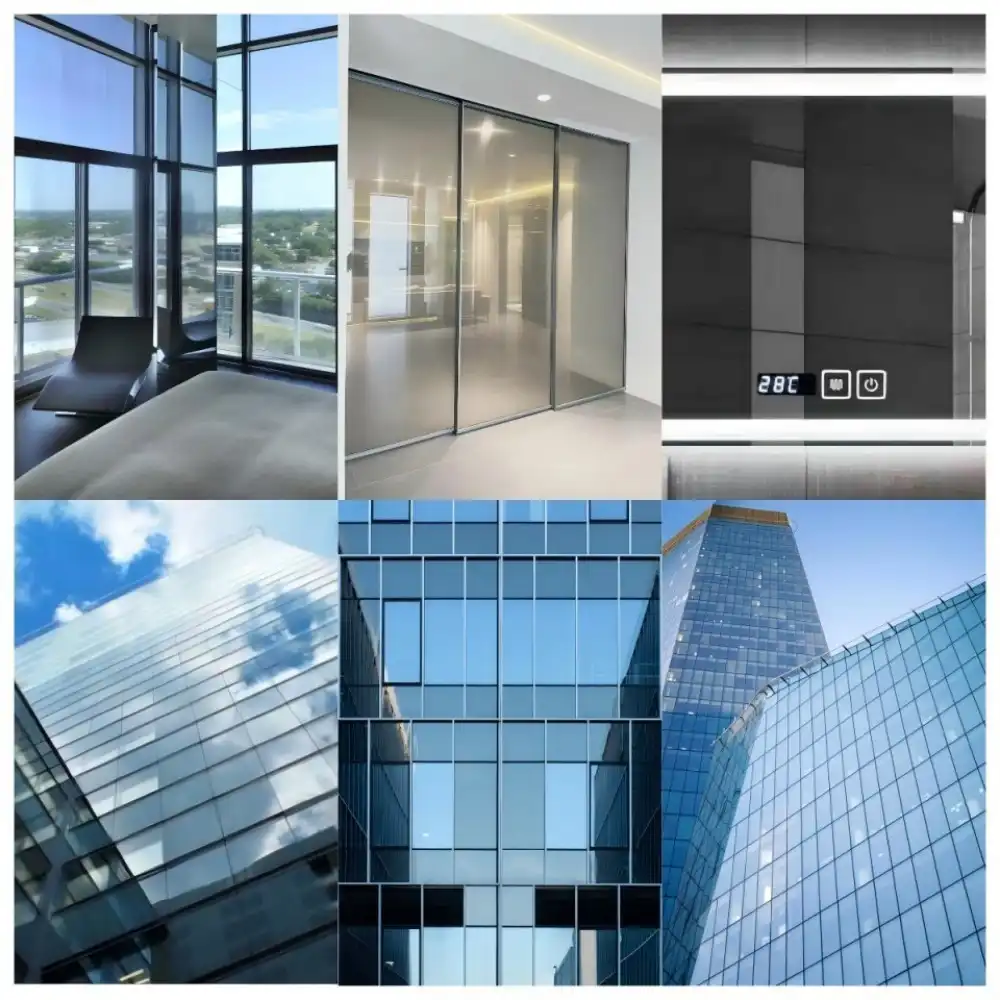
- Entering the smart glass or specialty glass markets
- Taking on larger-scale projects or contracts
While these opportunities may be more speculative, they should be factored into your long-term ROI calculations.
Calculating Payback Period
To determine how quickly your investment will pay for itself, use this simple formula:
Payback Period = Total Investment / Annual Cost Savings and Additional Profit
For example, if your total investment (including ancillary costs) is $200,000, and you project annual savings and additional profit of $50,000, your payback period would be 4 years.
Keep in mind that many businesses consider a payback period of 3-5 years to be acceptable for major equipment investments. However, your specific financial situation and growth plans will influence what you consider a reasonable payback period.
Long-Term Considerations
When evaluating ROI, don't forget to consider long-term factors such as:
- The expected lifespan of the machine (often 10-20 years or more)
- Potential for future upgrades or modifications
- How the investment aligns with your business's growth strategy
- The competitive advantage gained in your market
These considerations can help justify a larger upfront investment if it positions your business for sustained growth and profitability.
Conclusion
Investing in a window glass cutting machine is a significant decision that requires careful cost analysis. By thoroughly examining the initial investment, ongoing operating costs, and potential returns, you can make an informed choice that aligns with your business objectives and financial capabilities.
Remember that the right machine isn't necessarily the most expensive or the cheapest option. It's the one that offers the best balance of capabilities, efficiency, and cost-effectiveness for your specific needs. Take the time to research different options, consult with industry experts, and perhaps even arrange demonstrations or trials before making your final decision.
Are you ready to take your glass cutting operations to the next level? At Shandong Huashil Automation Technology Co., LTD, we specialize in providing cutting-edge window glass cutting machines that cater to a wide range of industry needs. Our years of experience in R&D, manufacturing, and sales have allowed us to develop machines that offer unparalleled precision, efficiency, and reliability.
Whether you're looking to upgrade your existing equipment or venturing into glass cutting for the first time, our team of experts is here to guide you through the selection process. We understand that each business has unique requirements, and we're committed to finding the perfect solution that maximizes your ROI while staying within your budget.
Don't let outdated equipment hold your business back. Contact us today at salescathy@sdhuashil.com to discuss how our advanced window glass cutting machines can transform your operations and propel your business towards greater success. Let's work together to cut costs, boost productivity, and shape the future of your glass processing business!
References
1. Johnson, A. (2022). "The Economics of Glass Cutting: A Comprehensive Analysis." Journal of Industrial Manufacturing, 45(3), 112-128.
2. Smith, B., & Brown, C. (2023). "Technological Advancements in Window Glass Cutting Machines: Impact on Productivity and Cost." International Glass Technology Review, 18(2), 75-89.
3. García, M., & López, R. (2021). "ROI Calculation Methods for Glass Processing Equipment: A Comparative Study." Glass Industry Quarterly, 33(4), 201-215.
4. Zhang, L., et al. (2023). "Energy Efficiency in Modern Glass Cutting Machines: Trends and Best Practices." Sustainable Manufacturing Today, 7(1), 45-58.