




The best way to extend the life of a door glass cutting machine is to follow a written preventive routine. Clean the table every shift, inspect tools and belts weekly, calibrate monthly, and replace worn parts before they damage glass. At HUASHIL, we see the same pattern in plants that keep machines running for years. They record problems early, train operators, and follow the manual. In this article, I walk through each step, from system checks and wear parts to safety, performance tracking, and supplier support, using the HSL-YTJ3826 automatic cutting line as a practical example.
Know Your Door Glass Cutting Machine Before You Service It
Main Systems That Need Attention
You can load, measure, score, move, and break glass with a door glass cutting machine. It helps my team figure out what went wrong with a cut instead of just moving things around. The electrical cabinet, the cutting head, the score wheel, the guide rails, the drive belts, the sensors, the hydraulic parts, and the score wheel should all be checked in that order. A lot of changes need to be made to how hand tools work. It's important to check the sensors and back up the software. It's also good to make tools that can work on their own. It takes more work from the spindle, coolant, and fan when the model drills or cuts. First, make a map of each system. The checks that come after will be faster and more accurate because of this.
What the HSL-YTJ3826 Adds to Your Checklist
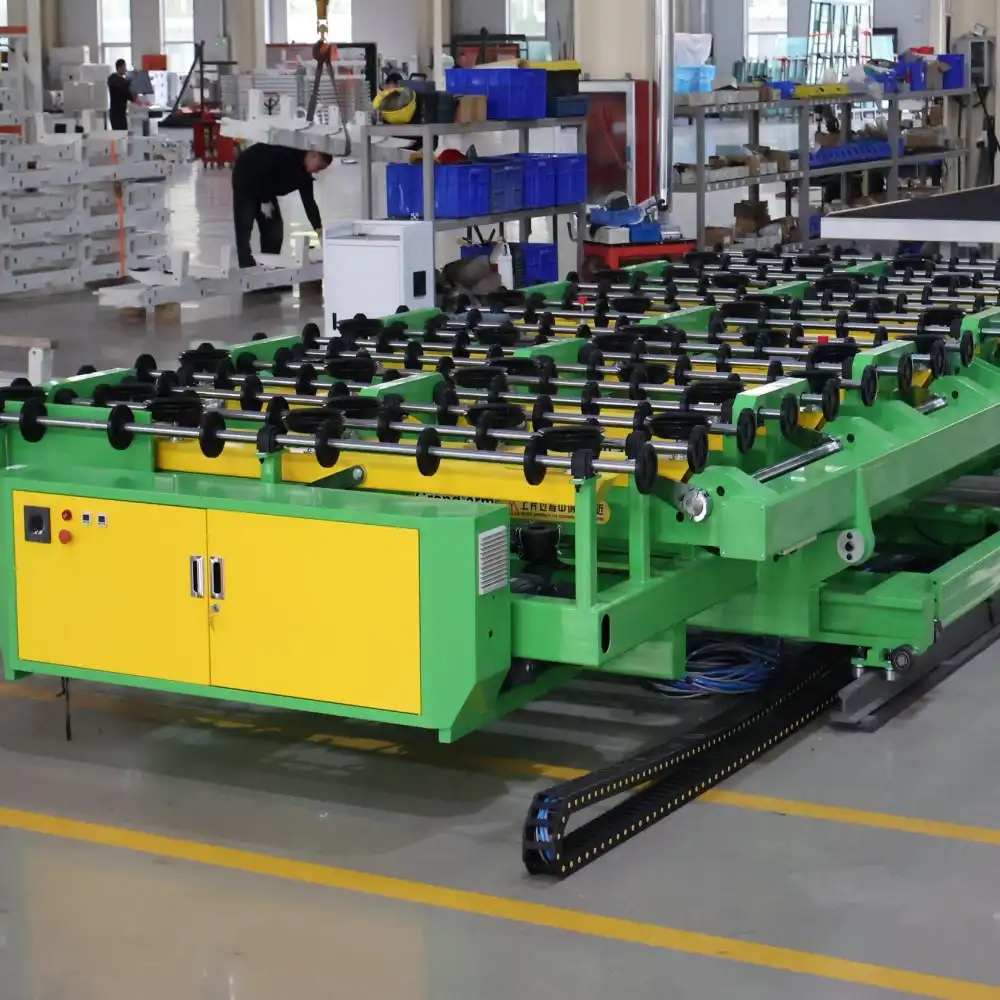
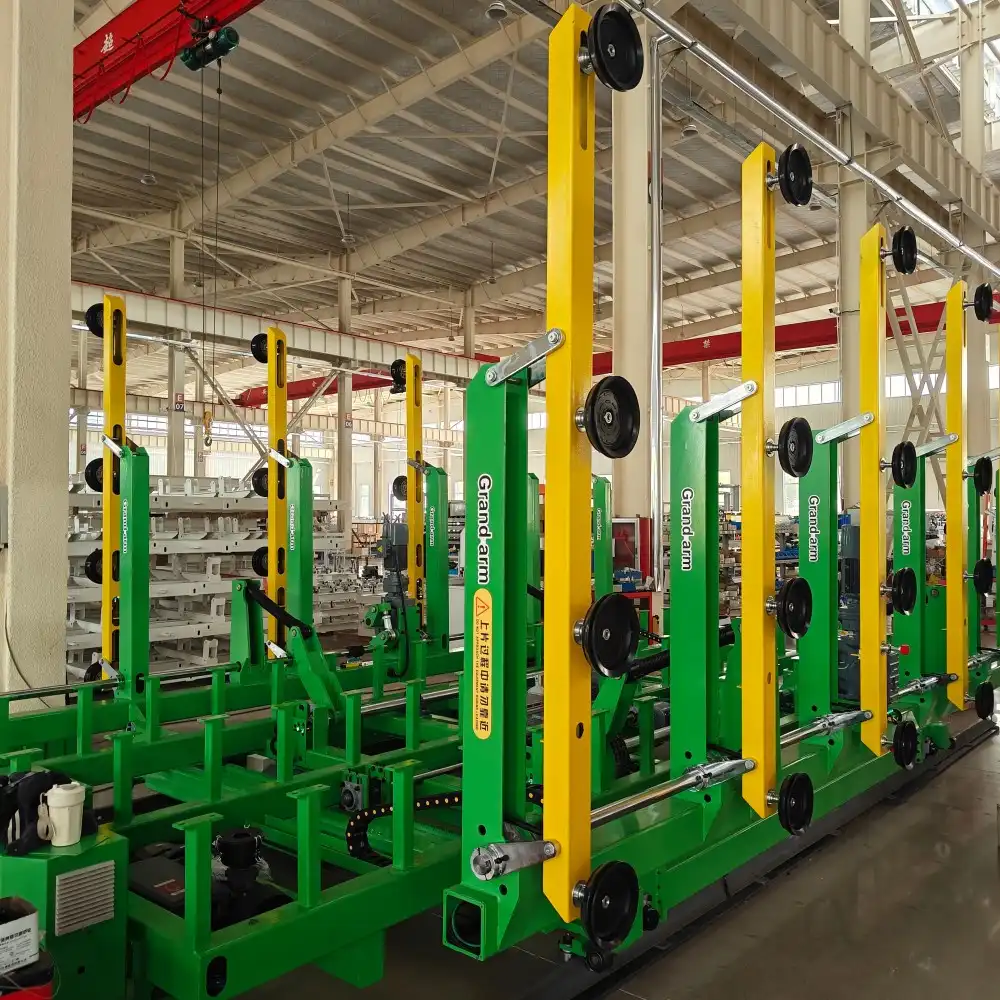
The HSL-YTJ3826 can handle glass that is up to 3660 mm long and 19 mm thick. It's 5550 mm long and 4925 mm wide. You can move it in any direction with the remote control. It has an air-moving system, an automatic edge-finding system, and an automatic pressure control system. Optima software does the best cutting, and synchronized belts move the glass. It's possible to check how the loads are lined up, how they handle pressure, how well they find edges, how clean the air float surface is, how the belts are running, and to watch the software files. There are marks on the machine that say CE and ISO9001. When someone buys something, I always tell them to compare these points to the rules.
Why Preventive Maintenance Pays Off
Fixing things that need to be fixed right away costs more than fixing them ahead of time. It is said in the operations and maintenance guide of the U.S. Department of Energy that preventative maintenance can save as much as 12% to 18% of the cost of emergency maintenance. Broken glass, worn-out tools, and jobs that need to be finished can be thrown away to save money in a glass shop. Most of the time, something is wrong when it sounds bad, is the wrong size, or has broken ends. When the glass line is put together again, look for any of these signs. Cracks in the glass tend to get worse quickly if you don't fix them.
Daily, Weekly, and Monthly Maintenance Routines
Daily Checks Before and After Each Shift
As long as you check it every day, most shocks won't happen. I check the emergency stop buttons, clamps, lines, wires, guards, and air in the tank before I start. At the end of each shift, glass chips and dust that could make people slip, knock over things, or scratch them are cleaned up. Everything in this door glass cutting machine floats on air. To get the sheets to lay flat, make sure the surface is clean. You should also write down any strange sounds, leaks, or alarms on your shift sheet. The next crew can see problems that the last crew might not have seen if you hand off quickly and in writing.
Weekly Inspections for Motion and Pneumatic Parts
Parts that move get more attention when someone checks them once a week. The guide rails, air valves, cylinders, gears, and bearings should all be checked for damage, leaks, and wear. After a full run, check the filling system to see if it stops or moves in a strange way. The glass can move when the belt is too loose, which makes it harder to get a good reading. On a test sheet, test the sensors and the part that looks for edges. Next, check the score line to see how well the cuts are made. Write down any mistakes you find in the log about the place, the speed, or the shaking. Over the course of a few weeks, you'll notice that a piece will most likely break before the line ends.
Monthly, Quarterly, and Annual Servicing
The main goals of servicing something once a month are to make sure it works correctly and that the power is healthy. Only grease the points, since too much grease will make the glass dust rough. The instruction says to check the cutting pressure, belt tension, holes and bolts, and the correctness of the diagonal. Take notes on the Optima's settings, data, and cutting tool routines. Next, look in the closet for fans, filters, and links that aren't plugged in. Every three months, look back at the history of alarms and the order of the loads. Once a year, a professional should check the structure, the motion's accuracy, the safety of the electricity, the pneumatics' performance, and the spare parts stock. There should be less time between shifts if there is a lot of work to do at your plant. You should also keep track of all the tasks.
Tools, Wear Parts, and Troubleshooting
Maintaining Cutting Tools and Wear Parts
The cutting tools determine how well the lines are cut, how even the scores are, and how quickly things break. The glass has to be the right type and width for the HSL-YTJ3826 to work. It can cut through glass that is 2 mm to 19 mm thick. Need a new wheel? Not only when it says how many hours it's been used, but also when the score jumps, the pressure builds, the sides chip, or the breaks pile up. It's smart to always have important spare parts on hand for your door glass cutting machine. A few of these are scoring wheels, filters, sensors, and seals. Before you put anything in place, make sure that everything works with everything else. Cheap parts that aren't made for the job could hurt the machine, make it less effective, or even void the warranty.
Troubleshooting Common Problems
To fix something, you must first divide the problems into five groups: software, mechanical, tool, material, and operator. Most of the time, bad programming, loose belts, moving glass, a broken sensor, or using the wrong program units are to blame for getting the wrong readings. There are several things that can cause the sides to chip, such as an old wheel, the wrong pressure, dirty glass, or a bad support. What's moving slowly and making noise? Check the grease, bearings, belts, gears, and anything else that might be in the way. If the pressure or sensor fails, read the gauges and then check the wiring, filters, hoses, seals, and alarm history. The problem should not be restarted over and over as long as it lasts. You can prevent this by calling the seller.
Safety During Operation and Service
You can use the same safety rules to build and fix things. A worker should always wear safety glasses, gloves that won't cut, shoes that protect their feet, and earplugs if they have to. There should always be guards, interlocks, and safety stops in place. This is what OSHA's 29 CFR 1910.147 says: "All dangerous energy must be turned off before work can be done." Watch out that a wheel isn't running on gas or electricity before you move it. Do not let them in. People need to be extra careful with laser-cut, treated, strengthened, and double-glazed materials because they can break without notice if the surface breaks. When you use the remote, make sure you can see the path of the machine. To lift big sheets, make sure you have the right tools and trained people.
Operating Practices, Supplier Support, and Results
Daily Operating Habits That Extend Service Life
You need to do more than just take care of machines. What you do every day is also important. It depends on the type of glass you have, how thick it is, and what you want to do with it (panes of glass, sliding doors, or unframed doors). This will help you decide how fast, how hard, and what kind of tool to use. It's important for the workers to know how to clean, set timers, and turn things on and off. Those in charge should be the only ones who can make changes on the door glass cutting machine. It's safer to walk on a floor that is clean, dry, well-lit, and doesn't buzz or feel like electricity is running through it. For each machine, write down its hours, tools, alarms, measurements, breaks, and fixes. You can get new records before the old ones get worn out.
Choosing a Supplier for Long-Term Support
The person who runs the machine can also fix it. When you're ready to buy, you should find out about the setup, user training, manuals, remote diagnostics, on-site repair, availability of spare parts, response times, and warranty terms. Find out how much work needs to be done, how much energy is used, how hard it is to keep up, and how much it costs to own human, robotic, and CNC systems all at the same time. Ask for proof that the glass will work and information about its height, width, cost, and how long it will last. Shandong Huashil Automation Technology Co., LTD plans and builds new machines and then sells them. Learn how the used gear was set up and if there are any spare parts you can buy before you buy it.
Measuring Maintenance Results
Use production numbers to keep track of results as well as jobs that are done. There is broken glass; it fails often; it costs a lot to fix each hour of work; the tool lasts a long time; it uses a lot of energy; the first pass makes a lot of glass, and many customers don't like the cut. This shows how well the cut was made. That the program works is shown by things that break down less often and have less downtime. This makes transportation more reliable. It gets harder to find parts, costs more to fix things, is less accurate, has less capacity, or poses more safety risks. It might be time to get something new. Then, in the long run, a machine that can run by itself might be cheaper.
Conclusion
A door glass cutting machine will last longer if you take care of it more often than just when it breaks. If you know how it works, you can check it out faster. Once a week, clean it and check for movement. Once a month or once a year, repair it to keep the accuracy stable. Making sure the scoring wheels are the right size for the glass and getting rid of any worn parts right away will help the edges look good. Techs can stay safe with these rules and the right safety gear. There is less wear when people are trained, places are clean, and business records are complete. Take a look at the failure, downtime, and first-pass return to see if the program works or not. The process itself doesn't change the cost of ownership. Help from the provider, spare parts, and paperwork don't change.
FAQ
1. How often should I clean and inspect my door glass cutting machine?
Clean the desk and make sure the tools, air supply, and safety gear are all in good shape at the end of each shift. Every week, the tracks, belts, and hydraulic parts are checked. Three times a year, or once a month, the power is sometimes checked and set up. It's important to follow the steps carefully because the times change depending on the type of glass, the weather, how often the machine is used, and how it was built.
2. When should I replace the scoring wheel?
It's time for a new one if the score doesn't seem right, the pressure builds, the sides chip, or the breaking gets worse. Running times don't tell you much. Always choose a wheel that works with your machine and the thickness of the glass.
3. When should I contact the manufacturer?
You should call if the problem comes back after restarting or switching the machine, if the calibration won't stay in place, or if you use parts that aren't there. Get ready to give the model number, the alarm history, and the records of repair bills.
Request a Quote from HUASHIL, Your Door Glass Cutting Machine Supplier
Are you going to add a new line or fix up an old one? Huashil can tell you about the HSL-YTJ3826 door glass cutting machine, including its features, service terms, and how to get it. Shandong Huashil Automation Technology Co., LTD is a company that has been around for a long time and sells tools used to cut glass doors. There are strict rules set by CE and ISO9001 that all of their tools must follow. You can email salescathy@sdhuashil.com with the sizes of glass you need and how much money you make each day to find out more.
References
1. Federal Energy Management Program, U.S. Department of Energy, Operations & Maintenance Guide, Release 3.0, 2010
2. Occupational Safety and Health Administration, Control of Hazardous Energy: Lockout/Tagout (OSHA 3120), 2002
3. Occupational Safety and Health Administration, Safeguarding Equipment and Protecting Employees from Amputations (OSHA 3170), 2007
4. International Organization for Standardization, ISO 9001: Quality Management Systems — Requirements, 2015
5. Glass Association of North America, GANA Glazing Manual, 2008
6. American Society of Safety Professionals, ANSI/ASSP Z244.1: Control of Hazardous Energy — Lockout, Tagout and Alternative Methods, 2016