




If you're sourcing a float glass cutting machine for your fabrication plant, this guide is written for you. Whether you manage an architectural glass line, a curtain wall integration project, or a furniture glass operation, choosing the right glass cutting equipment directly affects your production output, labor cost, and product quality. This guide walks you through the technology, selection criteria, maintenance practices, and procurement steps — so you can make a confident, well-informed investment.
Understanding Float Glass Cutting Machines: Technology and Types
How the Cutting Process Works
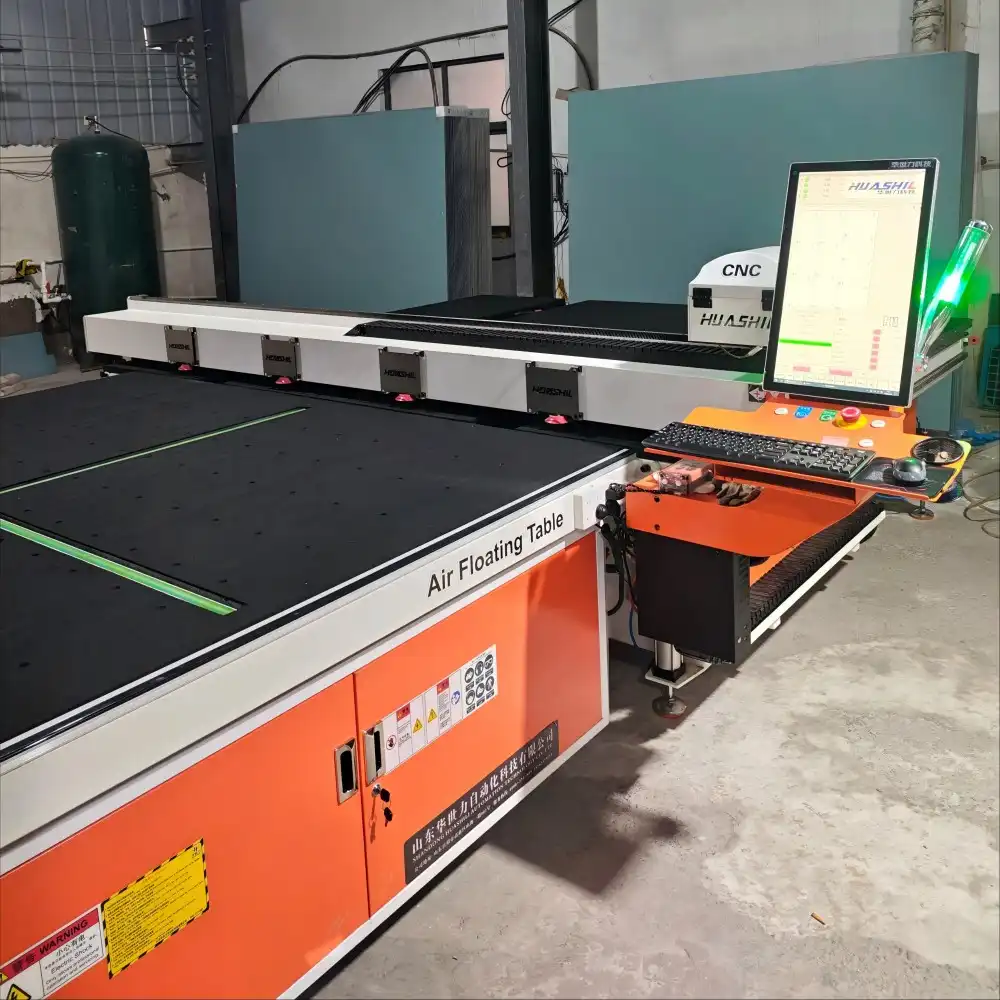
A sharpened cutting wheel on a float glass cutting machine marks the surface of the glass. The machine then uses controlled pressure to break the sheet along the scored line. Modern machines have cutting heads that are driven by servos, precise linear guides, and digital control systems. This makes sure that the results are the same throughout large production runs. Programmability of the scoring depth, cutting speed, and pressure makes it easier for the operator to do a good job and increases the yield.
Manual vs. CNC Automated Systems
Manual cutting tables can be useful for small jobs or making prototypes, but they depend a lot on how skilled the person using them is. CNC-controlled systems, on the other hand, follow pre-programmed cutting lines exactly every time. CNC automation is the standard for fabricators who work with architectural panels, shower enclosures, or curtain wall parts. It cuts down on glass waste and allows for smaller tolerances in size—usually within ±0.5mm on well-kept equipment.
Three-Table Functional Architecture
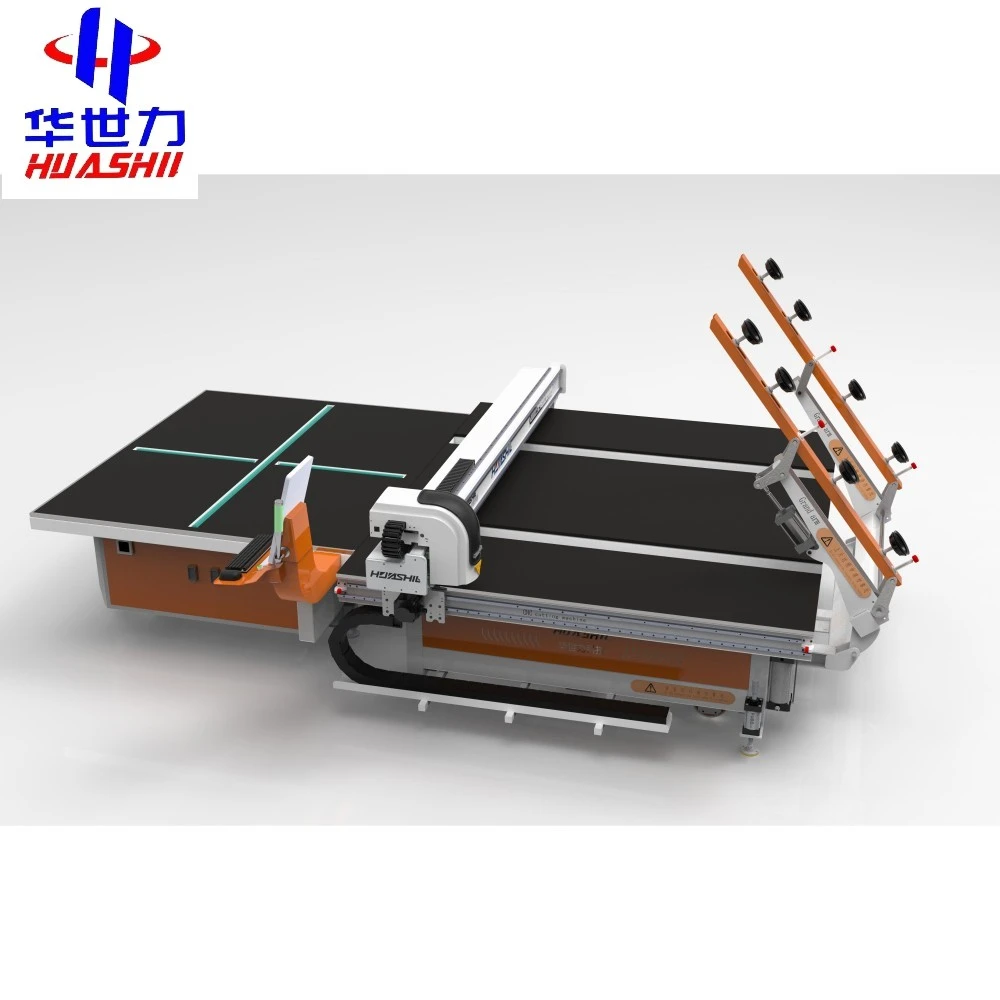
A "loading table," a "cutting table," and a "breaking table" are common layouts for skilled tools. Each station is in charge of a different part of the process. The loading table puts the raw sheet in place, the cutting table cuts along the lines, and the breaking table breaks the pieces that have been cut. This separation of duties keeps the workflow going and lowers the risk of damage from handling between steps.
Key Factors to Consider When Choosing a Float Glass Cutting Machine
There's more to choosing a glass cutting system than just looking at prices. Here are the main rating factors that engineers and plant managers always put first:
- Maximum glass size capacity: Ensure the float glass cutting machine accommodates your largest sheet dimensions. For example, the HUASHIL HSL-LSX4228 supports a maximum glass size of 4200×2800mm, which covers most architectural and curtain wall applications.
- Cutting optimization software: Built-in software like Optima calculates the most efficient cutting layout to reduce material waste. This is especially valuable when processing high-cost glass types or managing tight material budgets.
- Station configuration flexibility: The HSL-LSX4228 uses a 2+2 station layout (adjustable by configuration) with above- or underground rail options. Each side carries four grand arms, giving the system both structural stability and positioning accuracy during high-speed operation.
- Control system and integration: Evaluate whether the machine's control interface can communicate with your existing ERP or production management systems. Compatibility reduces implementation time and minimizes disruption to current workflows.
- After-sales support and spare parts lead time: For automated equipment, downtime is costly. Confirm that the supplier stocks key wear parts — cutting wheels, guide rails, pneumatic components — and can ship within an acceptable window.
These things have a direct effect on the total cost of ownership, not just the price of the car itself. It's possible that a machine that costs less up front but doesn't have local technical support will cost more in lost production time over three years.
Maintenance, Safety, and Troubleshooting Best Practices
Scheduled Preventive Maintenance
A glass cutting line only works at its best when it gets regular maintenance. Some of the most important things that need to be done are checking the cutting wheels every day, lubricating the linear guides and rail systems once a week, and setting the cutting pressure and speed parameters every so often. If you don't do these steps, the score line will not line up correctly, there will be more breaks, and fine parts will wear out faster than they should.
Operator Safety Protocols
Making glass comes with its own risks, like holding big sheets and dealing with sharp edges. Operators should always wear safety glasses and gloves that won't cut. The safety guards and emergency stop systems on the machine need to be tested often, not just when it is first set up. In order to meet OSHA safety standards for the United States workplace, training records should be kept.
Common Troubleshooting Scenarios
Most of the time, a worn cutting wheel, improper fluid application, or rail alignment drift is to blame when score lines don't line up straight or glass breaks in strange ways. With the float glass cutting machine's built-in monitoring panel, most problems can be found right away. If a problem keeps happening, calling the manufacturer's technical support team with an error log and video evidence makes the problem much easier to fix.
Comparative Insights and Market Trends for 2026
Automation Adoption Is Accelerating
The Glass Processing Equipment Market Report (2023) says that the global market for automated glass processing equipment will grow to USD 3.8 billion by 2027. This is because of rising labor costs and the need for accuracy in the car and building industries. In the U.S. market, fabricators are putting full-line automation at the top of their list of priorities to deal with the lack of workers.
Software-Driven Efficiency Gains
Optimization software for cutting has stopped being a luxury and is now something that everyone expects. Nesting plans made by programs like Optima can cut down on waste by 8–15% of raw materials, based on the mix of orders and the type of glass used. That cushion saves money over the course of a year of production, which is especially important for building glass plants that make a lot of glass.
Sustainability and Energy Efficiency
In 2024, buyers are asking more questions about how much energy is used per shift and whether production waste can be recycled. Machines with variable-speed drives and pneumatic systems that work well use less power per cycle. As fabricators are put under more and more pressure to show their environmental impact, waste glass cullet recovery is also popping up in buying talks.
Procurement Considerations: Where and How to Buy the Best Float Glass Cutting Machine
Evaluating Supplier Credibility
First, find out if the seller has international experience that can be checked, quality certifications that can be shown (like CE or ISO), and installation case references that can be tracked. For example, HUASHIL is a high-tech company that has been making and exporting goods for years and has customers on several continents. Procurement teams can see direct proof of ability by looking at installation case studies and asking to visit the factory.
New, Used, or Custom Equipment
New machines have the most up-to-date features and come with full warranties, making them the best choice for building a new line or increasing output. People on a tight budget may be able to repair broken tools with used ones, but buyers should think about how long the parts will last and how easy it is to get them. Integrators and system builders should ask the manufacturer directly about OEM and ODM customization, as many can handle changed configurations with reasonable lead times.
Payment Terms and Import Logistics
When you buy capital equipment from another country, you usually have to put down a deposit and pay the rest before the goods are shipped. For extra security, you can also use a Letter of Credit (L/C). For buyers in the United States, make sure the seller can give you the HS numbers, packing lists, and technical paperwork you need to get your goods through customs. The total landed cost, which includes freight, taxes, and installation, gives a truer picture of the return on investment (ROI) than just the machine price.
Conclusion
Buying a float glass cutting machine is an investment that will affect the quality of the work, how well the workers do their jobs, and the long-term costs of running the business. You can make your business stronger by comparing the machine specs to your real production needs, such as sheet size, daily volume, and cutting complexity, and by making sure the seller is trustworthy and can help you after the sale. With its three-table design, Optima optimization software, and 2+2 station setup that can be customized, the HUASHIL HSL-LSX4228 is a well-thought-out choice for makers working with architectural glass, curtain wall glass, and furniture glass.
FAQ
1. What is a float glass cutting machine used for?
A float glass cutting machine cuts flat sheets of glass into scores and pieces that can be used for windows, doors, curtain wall panels, furniture glass, shower enclosures, and other beautiful things. It turns raw float glass into finished sizes that are needed for manufacturing or fitting work that comes after.
2. What does the HSL-LSX4228 model support?
The biggest piece of glass that the HSL-LSX4228 can handle is 4200 x 2800 mm. It has a loading table, a cutting table, and a breaking table. It runs the Optima optimization software and can be set up in a 2+2 station configuration with rail installation above or below ground. Each side has four large arms that make it easy to hold glass.
3. How often should cutting wheels be replaced?
Cutting wheel life depends on the type of glass, the amount of cutting that needs to be done, and how well the fluid is applied. In normal production conditions, wheels are checked every day and changed when the quality of the score line gets worse, which is usually every few weeks when they are used all the time.
4. What after-sales support should I expect from a glass cutting machine supplier?
A reliable provider should offer help with installation, training for operators, a written warranty period, and a clear way to get extra parts. Response time for technical questions and the ability to do diagnostics remotely are also useful ways to measure the quality of service after the sale.
5. Is customization available for full production line configurations?
Yes. Manufacturers like HUASHIL give OEM and ODM help to customers who need to change configurations, integrate lines, or change capacity. Customization can be built into lead time and project goals when the technology team is involved early in the planning stage.
Get a Direct Quote from HUASHIL's Float Glass Cutting Machine Supplier Team
HUASHIL specializes in automated glass processing equipment that has been used successfully in exports and comes with on-site installation support. There is a float glass cutting machine for sale called the HSL-LSX4228. It comes with Optima software, a flexible station setup, and all the paperwork you need after the sale. Get in touch with our team to talk about your production needs and get a proposal that fits your project. To get a price right away, email us at salescathy@sdhuashil.com.
References
1. Glass Processing Equipment Market — Global Forecast to 2027. MarketsandMarkets Research, 2023.
2. Flat Glass Technology and Processing. Glass Technology International, 2022.
3. Occupational Safety and Health Standards for Glass Fabrication. U.S. Department of Labor — OSHA, 2021.
4. CNC Glass Cutting Systems: Performance Benchmarking and Application Analysis. Glass Worldwide Magazine, 2023.
5. Optimization Algorithms in Sheet Material Nesting: Industrial Applications. Journal of Manufacturing Systems, 2022.
6. Global Construction Glass Market Outlook and Procurement Trends. Technavio Industry Report, 2023.