




When you're investing in glass processing equipment, the stakes are high. The wrong machine can slow your line, spike your reject rate, and drain your maintenance budget. So what actually matters when selecting float glass double machinery? The short answer: precision, automation, throughput, and long-term serviceability. Float glass double machinery—like the HUASHIL HSL-LSX4228—handles large-format glass sheets through integrated loading, cutting, and breaking stages. Getting the feature selection right from day one protects your capital and keeps your production floor moving.
Understanding Float Glass Double Machinery: Core Concepts and Technical Specifications
Before comparing products, it helps to understand what this category of equipment actually does and how its specs translate to real production outcomes.
What Does This Equipment Actually Do?
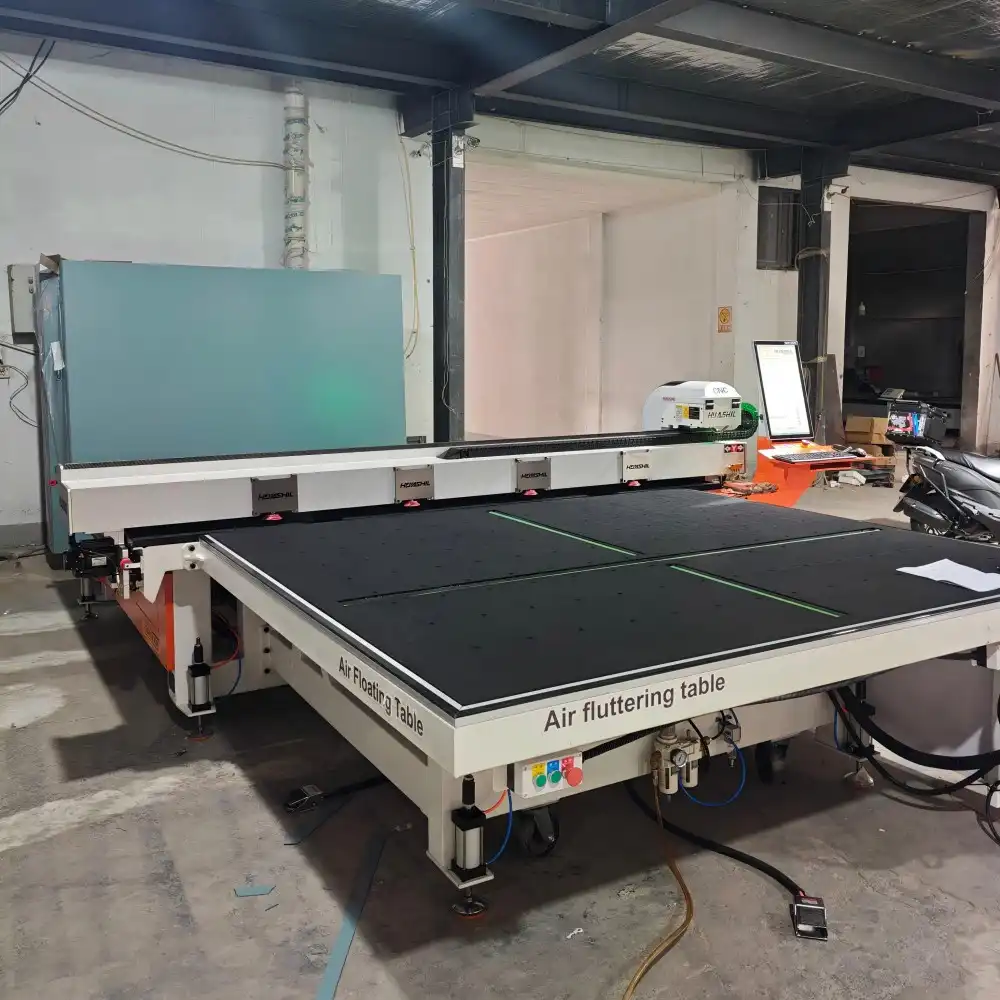
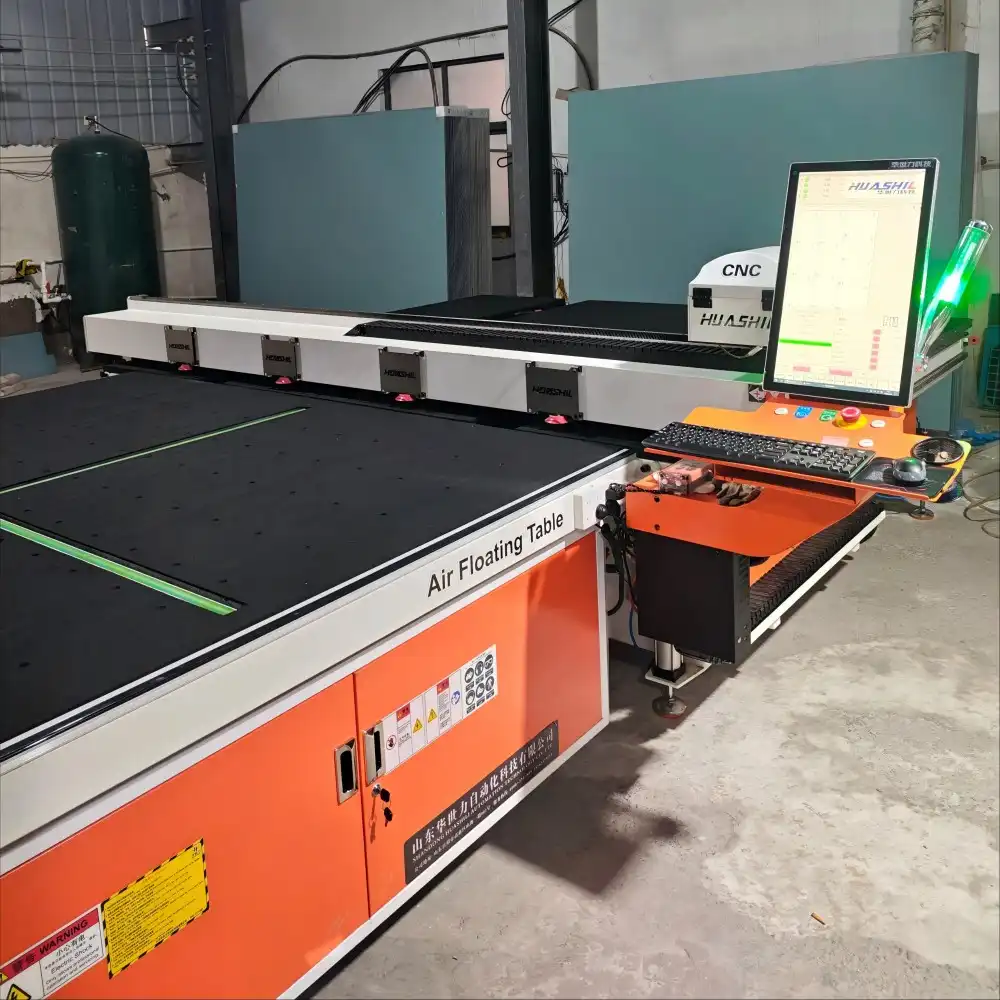
Float glass double machinery processes flat glass sheets through a series of coordinated stages: loading, scoring, and breaking. The glass moves along a controlled path where each station performs a specific function. The HSL-LSX4228 from HUASHIL includes three integrated work surfaces—a loading table, a cutting table, and a breaking table—designed to work in sequence without manual repositioning between steps.
Key Technical Specs That Drive Decisions
The HSL-LSX4228 supports a maximum glass size of 4200×2800mm, which covers most large-format architectural and curtain wall applications. It runs on above-ground or underground rail configurations, giving plant engineers flexibility based on floor layout. The 2+2 station setup—adjustable based on production requirements—allows parallel processing flows that reduce cycle time on high-volume lines.
Built-In Software That Reduces Material Waste
The machine runs Optima optimization software, which calculates the most material-efficient cutting layout before each cycle. For plants cutting expensive low-iron or coated glass, this feature alone can generate measurable cost savings over a quarter. Fewer offcuts mean lower raw material cost per finished panel.
Key Features That Enhance Efficiency and Quality
Once you know the basics, the next question is: what makes a good machine better than a great one?
Automation and Station Configuration
The HSL-LSX4228 has four large arms on each side that can hold and move glass sheets across work surfaces. This design cuts down on handling by hand, which is one of the main reasons why float glass double machinery gets scratches and chips on the edges. The 2+2 station layout can be changed to fit your production process, whether you're making big batches all the time or selling different sizes.
Here are the main things that determine how well this machine works:
- Four grand arms per side: Distribute grip pressure evenly across the glass surface, reducing breakage risk during transit between stations.
- Above/underground rail options: Offer flexibility for plants with existing infrastructure or those planning new line layouts.
- Optima software integration: Automates cutting pattern calculation, cutting layout time from minutes to seconds while improving yield.
- Adjustable 2+2 stations: Supports both standard runs and custom production sequences without mechanical reconfiguration.
All of these features work together to keep your line running at a steady speed and require less help from the operator. This amount of automation has a direct effect on the total cost per square meter of processed glass for plant managers who are under pressure to cut labor costs.
Energy Consumption and Operational Costs
These days, glass cutting machines use a lot of power. Newer hydraulic designs don't use as much energy as equipment with servo-driven motors and pressure-regulated gas systems. Ask your provider for power usage data at full load and idle states when you're figuring out the total cost of ownership (TCO). These numbers add up a lot over the life of a 10-year machine.
Safety Systems and Compliance
International safety standards for glass processing equipment include physical guarding, emergency stop circuits, and sensor-based recognition of sheet misalignment. These standards are often part of export markets and include CE approval requirements. Machines that don't have these features put the facility at risk of liability and may fail facility safety checks, which slows the start of production.
Comparing Float Glass Double Machinery to Alternatives
A full double-processing line isn't needed in every plant. Knowing how this category stacks up against other options will help you avoid investing too much or too little.
Double vs. Single Glass Processing Systems
Single-station cutting systems are cheaper up front, but they need more time on the floor and more help from the assistant for each sheet. If a plant processes less than 200 sheets per day, one system might be enough. For architectural glass fabricators or curtain wall integrators who work with a lot of glass every day, the throughput difference between single and double configurations is big. But within 18 months, the lower labor costs on a double system usually make up for the price difference.
Float Glass Cutting vs. Tempered or Laminated Glass Lines
Since you can't cut tempered glass after it's been tempered, float glass cutting always happens before the tempered glass is made. Film bonding stages are added to laminated glass lines, which need completely different tools. Float glass double machinery is at the beginning of the process chain and feeds tempering or coating lines further down the line. Getting the right upstream cutter has a direct effect on how much you can make throughout the whole process.
What to Look for in a Supplier
Three things that always set long-term buyer relationships apart between sellers are product quality, shipping reliability, and help after the sale. HUASHIL has been making and exporting goods for many years, and they have users in many countries who depend on their machines working well and having extra parts on hand. When buyers in the US work with a supplier that gives them clear technical documentation and dedicated after-sales contacts, the risk of long periods of downtime when problems happen is lower.
Maintenance, Common Issues, and Longevity Tips
Investing in a machine is only half the job. How well you take care of it decides how long it works as expected.
Scheduled Maintenance Practices
Cutting wheels, train alignment, and pneumatic pressure settings should be checked regularly at the times suggested by the manufacturer. On the HSL-LSX4228, the contact pads on the great arm sections should be checked for wear on a regular basis, especially in places with a lot of activity. Keeping the cutting wheel pressure in the right range stops incomplete scores that cause breaks that aren't even and waste glass.
Common Operational Issues and How to Address Them
Most of the time, automatic glass cutting lines stop working because of sensor misreads or train debris. Most unexpected stops can be avoided by keeping optical sensors clean and tracks free of broken glass. When software mistakes show up on the Optima interface, they are usually caused by incorrect data entry rather than a problem with the hardware. This is easily fixed by teaching workers the right file formats for cutting patterns.
Spare Parts and Service Agreements
Getting spare parts from the original equipment maker (OEM) ensures uniform part quality and avoids problems caused by third-party parts that don't work with the original equipment. Make sure you know how long it will take to get things like cutting wheels, suction cups, and sensor modules before you buy them. Having remote technical support as part of a service agreement speeds up the time it takes to fix problems.
Procurement Insights: How to Choose and Buy the Right Float Glass Double Machinery
Making a purchase decision on capital equipment requires more than a price comparison.
Define Your Production Requirements First
Start with your actual output targets: how many square meters of glass per shift, what thickness range, and what maximum sheet size. The HSL-LSX4228 handles up to 4200×2800mm, which covers most architectural and curtain wall panel sizes common in the U.S. market. If your mix includes specialty thicknesses or coated glass, confirm compatibility before requesting a quote.
Evaluate Total Cost of Ownership
Purchase price is a starting figure, not the full picture. Factor in installation, operator training, estimated annual maintenance, spare parts cost, and energy consumption. Machines with higher upfront prices but lower operating costs often deliver better returns over a five-year horizon. Request TCO data from your supplier and compare it against your current per-unit processing cost.
Logistics, Installation, and Supplier Communication
For U.S. buyers importing from China, confirm shipping lead times, port-of-entry handling requirements, and on-site installation support. Ask whether the supplier provides installation guides in English and whether remote video commissioning support is available. Clear communication at the purchase stage is a reliable indicator of what after-sales communication will look like.
Conclusion
To choose the right glass processing line, you need to make sure that the machine specs match your production needs. The HUASHIL HSL-LSX4228 can handle large-format glass up to 4200x2800mm, uses Optima optimization software to cut down on waste, and has a station that can be set up in a variety of ways to fit different production environments. When looking at float glass double machinery, you should pay attention to how much automation there is, how well the software works, how much upkeep is needed, and how reliable the provider is. These are the things that determine success in the real world, long after the installation day.
FAQ
1. How does Optima software improve cutting efficiency?
Optima calculates the most yield-efficient cutting layout for each glass sheet before the cut begins. This reduces offcut waste and lowers raw material cost per finished panel, especially valuable when processing expensive coated or low-iron glass.
2. What does the 2+2 station configuration mean?
The HSL-LSX4228 uses a 2+2 station setup, meaning two stations on each processing side. This configuration supports parallel workflows and can be adjusted to match specific production sequences without changing the machine's mechanical structure.
3. Can this machine handle different glass thicknesses?
Yes. The HSL-LSX4228 accommodates different glass thickness ranges commonly used in architectural and furniture glass production. Confirm your specific thickness requirements with HUASHIL's technical team before finalizing your order.
4. What rail installation options are available?
The machine supports both above-ground and underground rail installation, giving plant engineers flexibility based on existing floor infrastructure or new line planning.
5. How quickly can spare parts be sourced?
HUASHIL maintains spare parts availability for its equipment lines. Contact the sales team directly to confirm lead times for specific components relevant to your operation.
Get a Direct Quote from HUASHIL for Float Glass Double Machinery
HUASHIL sells float glass double machinery that is made for places of business that need precise and consistent output. You can directly ask about the HSL-LSX4228, and our technical team can give you full specifications, installation advice, and prices that fit your production needs. To get your proposal right away, email us at salescathy@sdhuashil.com.
References
1. Glass International – Annual Review of Glass Processing Technology, 2023.
2. Glass Worldwide Magazine – Float Glass Processing Equipment Trends, 2022.
3. Construction Glass & Glazing Association (CGGA) – Specification Guidelines for Architectural Glass Fabrication, 2021.
4. Glass Technology: European Journal of Glass Science and Technology Part A – Advances in Automated Glass Cutting Systems, 2022.
5. Optics and Photonics News (OPN), The Optical Society – Industrial Glass Handling and Precision Cutting Methods, 2021.
6. Building and Construction Authority (BCA) Singapore – Technical Standards for Curtain Wall Glass Processing Equipment, 2023.