




If you are looking for float glass double machinery for your manufacturing line, this article is for you. Double machinery for float glass means dual-station systems for processing glass, including cutting, breaking, and loading in one workflow. Such systems are much more productive than single-line systems. If you run an architectural glass factory, a curtain wall fabrication facility, or a furniture glass company, knowing how this equipment operates and what to look for before purchasing will save you time, money, and expensive procurement blunders.
Understanding Float Glass Double Machinery: Technology and Process
How the Dual-Stage System Works
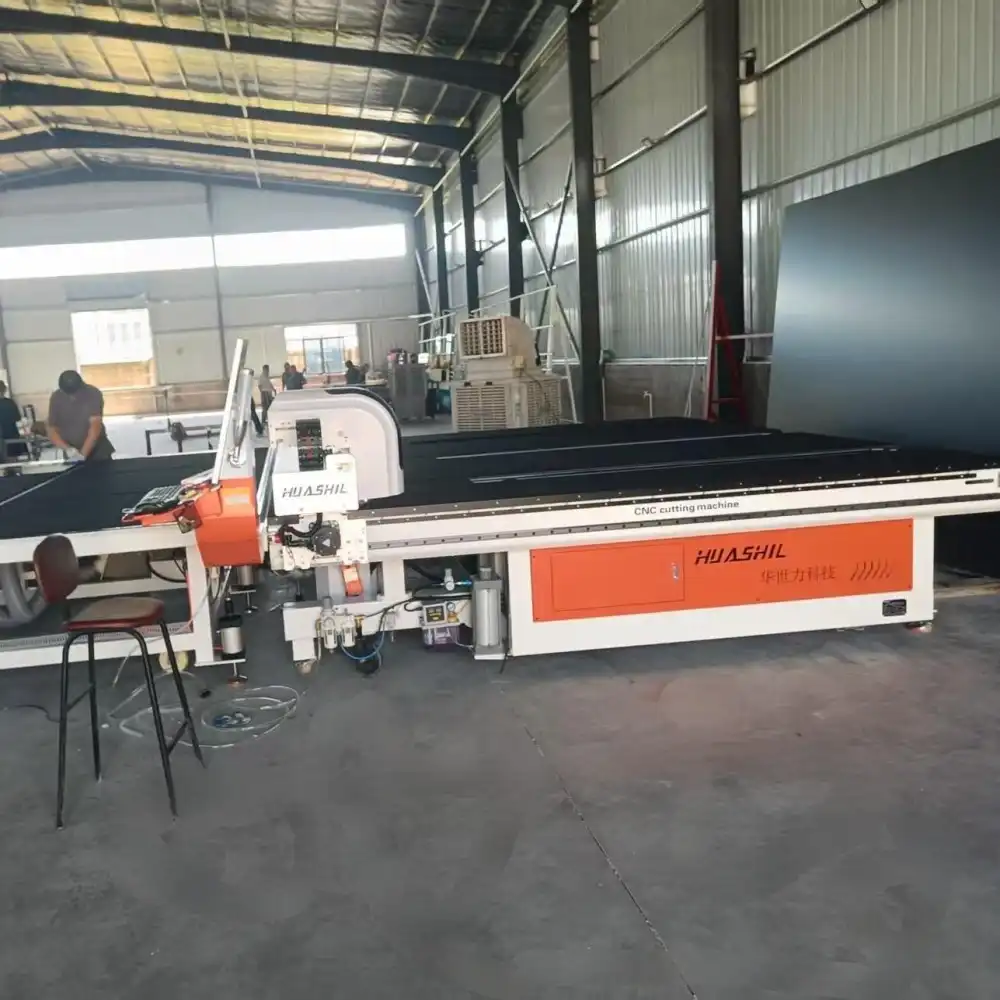
Dual-station equipment cuts float glass on both sides simultaneously, unlike single-line float glass cutting devices. Typically, the line consists of a loading table, a cutting table, and a breaking table – three linked stages that keep the glass moving effectively through the manufacturing process without having to be manually repositioned. This design reduces idle time between cuts and decreases handling mistakes.
Key Components That Drive Performance
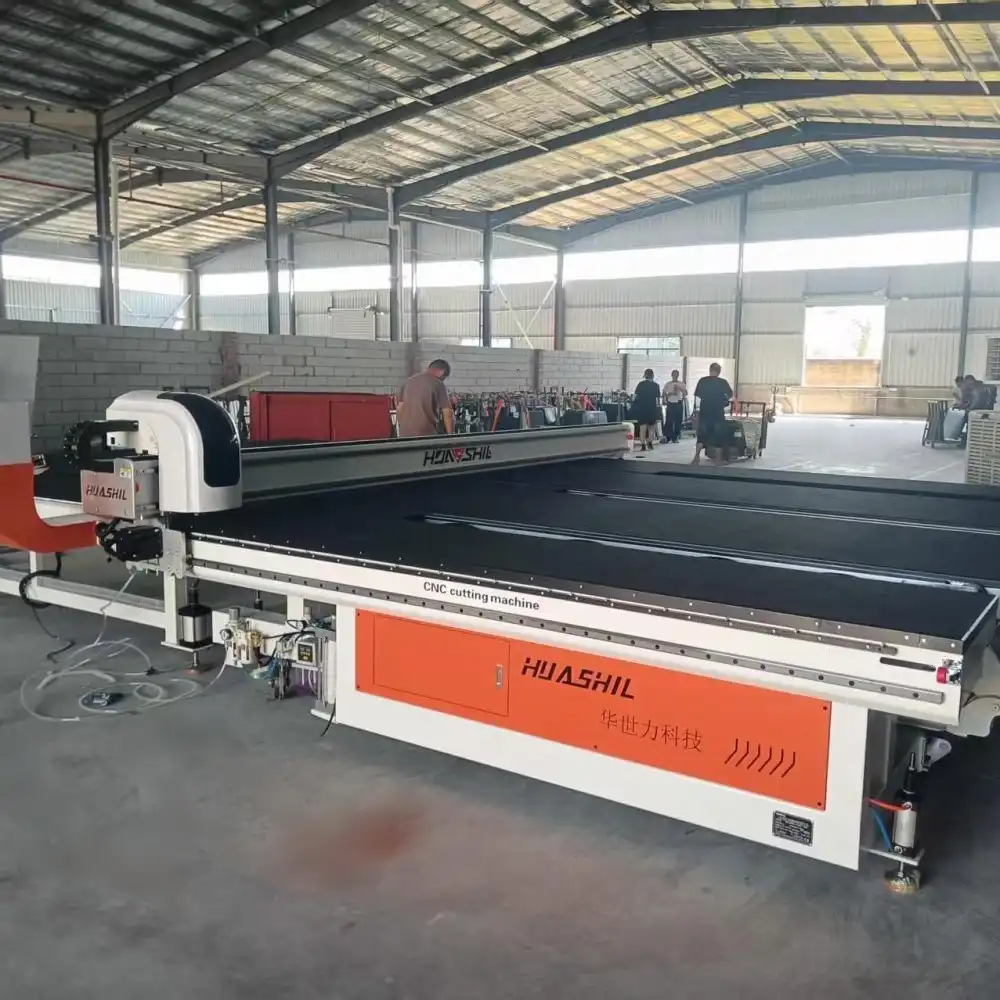
The combination of these components is well done in the HUASHIL HSL-LSX4228 model. It can hold a maximum glass size of 4200×2800mm and has a 2+2 station arrangement (configurable), with four gantry arms on each side to move the glass accurately. The machine can accommodate both above-ground and subsurface rail layouts, providing plant managers with significant installation options.
Optimization Software and Production Intelligence
The HSL-LSX4228 has Optima optimization software that determines the most material-efficient cutting patterns before starting the manufacturing process. In the glass industry, raw material costs constitute a considerable part of operational costs. With Optima-driven cutting plans, you will eliminate offcuts and glass waste, consequently increasing your cost per square meter of production.
Comparing Float Glass Double Machinery: Making the Right Choice
Double vs. Single Float Systems
Single-line glass cutting machines work adequately for low-volume or small-format production. However, for plants producing high volumes of architectural panels or large-format furniture glass, a double-station system delivers measurably higher throughput. The dual gantry configuration on machines like the HSL-LSX4228 processes glass from both sides of the table, cutting total cycle time per sheet.
Performance Metrics to Evaluate
When comparing machines, focus on three measurable factors:
- Maximum glass size capacity — The HSL-LSX4228 handles sheets up to 4200×2800mm, covering most architectural and curtain wall glass formats used in U.S. commercial construction.
- Station flexibility — The 2+2 adjustable station setup means the line can adapt to different batch sizes without a full reconfiguration.
- Gantry arm count — Four gantry arms per side ensure even pressure and movement accuracy during both cutting and breaking stages.
These specifications directly influence the quality consistency of finished glass panels, which matters especially for automotive glazing and high-precision architectural applications.
When Double Machinery Makes Sense
Double-station float glass double machinery processing lines are best suited for operations running multiple shifts, processing large-format glass, or targeting tight dimensional tolerances. If your plant handles batch sizes above 500 sheets per shift, the productivity difference compared to a single-line setup becomes clearly cost-justified within 12 to 18 months of operation, based on typical production economics in U.S. glass fabrication facilities.
Procurement and Purchase Considerations for Float Glass Double Machinery
Understanding Total Cost of Ownership
The purchase price is just half of the financial equation. The total cost of ownership (TCO) for the glass cutting and breaking line equipment comprises installation, operator training, procurement of replacement parts, and periodic maintenance. A system that is cheaper on the front end but has limited replacement parts might be more expensive over 5 years than a fully maintained system with a somewhat higher beginning cost.
New vs. Used Equipment
Buyers are often looking at secondhand float glass double processing equipment to save capital outlay. This may work for short-term projects, but old machines have hazards surrounding software compatibility (especially with optimization tools like Optima), worn gantry arms, and out-of-date safety measures. New equipment with recorded factory acceptance testing is the lower-risk option for entire production line projects, particularly those working with curtain wall system integrators.
Evaluating Suppliers and Payment Terms
Here are the key variables to check before signing a purchase contract with any float glass double machines supplier:
- Certifications and Export Compliance – For equipment to be imported into the US, verify if the CE mark or other marking is present.
- Spare parts lead time – Inquire explicitly about lead time to send new gantry arms, cutting wheels, and rail components.
- Warranty Coverage: Major mechanical components on automated glass processing lines typically have standard industry warranties of 12 to 24 months.
- Payment structure — Most common is a deposit paid at the time of purchase and balance before shipping, or a Letter of Credit (L/C) for overseas transactions.
By confirming these details in advance, you safeguard your procurement team from disagreements after delivery and delays in manufacturing. These parameters are just as crucial whether you are purchasing a single cutting table or a whole float glass manufacturing plant.
Maintenance, Safety, and Latest Advancements in Float Glass Double Machinery
Routine Maintenance Practices
Regular preventative maintenance keeps dual-station glass lines working at rated capacity. The HSL-LSX4228 and comparable systems need regular chores such as weekly examination of the cutting wheel pressure settings, maintenance of the rail guides, and calibration of the breaking table pressure arms. Failure to take these measures will result in dimensional mistakes and higher rates of glass breakage, harming manufacturing output.
Safety Standards and Operator Training
Modern float glass double machinery cutting lines include built-in automated emergency stop systems, glass edge detecting sensors, and safety guarding around moving gantry arms. Operators should be trained on the mechanical functions and the Optima software interface in an organized manner. OSHA 1910.212 general machine guarding regulations apply to automated glass processing equipment in U.S. plants.
Automation and Energy Efficiency Trends
Recent developments in glass processing automation have focused on lowering energy consumption during idle times and enhancing cut path precision using real-time sensor data. This tendency is reflected in the above/underground rail design choices available in machines like the HSL-LSX4228, so facilities may choose the installation technique that best matches their floor plan and saves the material handling distance, thereby reducing energy consumption per processed sheet.
How to Make an Informed Buying Decision
Define Your Production Requirements First
Before you reach out to any float glass double machine manufacturer, pen down your real production targets: the number of sheets per day, the largest size of glass, the range of thickness, and the cut precision needed. These numbers tell you if you need a 2+2 station setup or whether you need a bigger line. The HSL-LSX4228’s scalable station configuration allows purchasers to grow without buying a new system.
Build a Structured Evaluation Process
It is easy to compare vendors using a standardized grading system. Evaluate each option for dependability track record, after-sales support response speed, availability of software updates, and replacement parts costs. Ask for references on installations — notably from facilities of comparable size and kind of output as yours.
Initiate Supplier Conversations Early
The selection process for purchasing a whole line of manufacturing equipment normally takes three to six months and covers the technical evaluation, planning for site preparation, and budget approval. Early discussions with suppliers allow your technical staff time to examine machine specs against your facility layout and production objectives, eliminating hasty judgments resulting in mismatched equipment.
Conclusion
Choosing the proper float glass double machinery processing line means carefully looking at machine characteristics, supplier reputation, total ownership costs, and long-term maintenance support. The HUASHIL HSL-LSX4228 is a large-volume glass processing unit with a maximum processing size of 4200 x 2800mm, integrated with Optima software and a versatile 2+2 station design. Whether you manage an architectural glass factory or a curtain wall fabrication business, a disciplined approach to procurement protects your investment and ensures constant production quality.
FAQ
1. How long does float glass double machinery typically last?
With proper preventive maintenance, dual-station float glass processing lines generally operate reliably for 10 to 15 years. Wear components like cutting wheels and rail guides require periodic replacement, but the core mechanical structure and control systems maintain functionality well beyond a decade under normal production conditions.
2. Does double-station machinery consume more energy than single-line systems?
Not proportionally. While dual-station systems draw more power than single-line machines, they process significantly more glass per hour. The energy cost per square meter of processed glass is typically lower on a double-station line when running at full capacity, making it more efficient for high-volume operations.
3. Is customization available for different glass thickness ranges?
Yes. Machines like the HSL-LSX4228 support adjustable cutting pressure and breaking table settings to accommodate different glass thicknesses. Station configuration (2+2) can also be set according to specific production workflows, and above/underground rail options allow installation flexibility across different facility layouts.
4. What is Optima optimization software?
Optima is cutting layout optimization software integrated into the HSL-LSX4228. It calculates the most material-efficient cutting patterns from each glass sheet, reducing waste and lowering raw material costs per production run.
Connect with HUASHIL for a Float Glass Double Machinery Quote
HUASHIL manufactures float glass double machinery designed for demanding production environments. The HSL-LSX4228 combines Optima software, a 2+2 adjustable station layout, four gantry arms per side, and a maximum glass capacity of 4200×2800mm — making it a strong fit for architectural glass plants and curtain wall fabricators in the U.S. market. Contact our team directly at salescathy@sdhuashil.com to request a technical datasheet or personalized quotation from a trusted float glass double machinery supplier.
References
1. Glass International Magazine, 2023
2. The Glass Researcher — Alfred University Press, 2022
3. USGlass Magazine, 2024
4. Occupational Safety and Health Administration (OSHA) — Machine Guarding Standards Publication, 2021
5. Glass Processing Days Conference Proceedings — Glaston / Tamglass, 2023
6. International Journal of Advanced Manufacturing Technology — Springer, 2022