




The use of a glass bilateral edging machine in flat glass plants is a major step forward in the technology used to make glass today. These high-tech tools are designed to process and polish the edges of two different sides of glass sheets at the same time. This gives factories a high level of accuracy and speed. The backbone of quality edge-finishing operations in flat glass production facilities is the glass bilateral edging machine system, which consistently handles a wide range of glass types and sizes. The technology combines advanced servo motor controls with precise grinding wheel configurations. This lets makers get better edge quality while cutting working time by a large amount compared to old-fashioned methods that only edge one side.
Understanding Glass Bilateral Edging Machines in Flat Glass Plants
Modern factories that make flat glass need equipment that can offer both accuracy and efficiency. When it comes to this situation, double-sided cutting machines have become essential tools that allow makers to work with glass panels very accurately and quickly.
Core Functionality and Design Principles
These machines are built around a complex arrangement of 12 grinding wheels on a single side. This arrangement includes 2 upper chamfers, 2 lower chamfers, and 8 flat grinding wheels. This setup makes it possible to handle the edges completely in a single pass, which greatly increases the speed of production. The servo motor-controlled automatic opening and closing system is very adaptable, as it can work with glass panels that are as small as 0.35 meters and as big as 2.5 meters.
The servo motor moving system makes sure that the glass sheets move smoothly and safely through the processing zone. This keeps the edge quality uniform and reduces vibrations. At this level of technology, less work needs to be done by hand, and the total production rate goes up.
Versatility in Glass Processing Applications
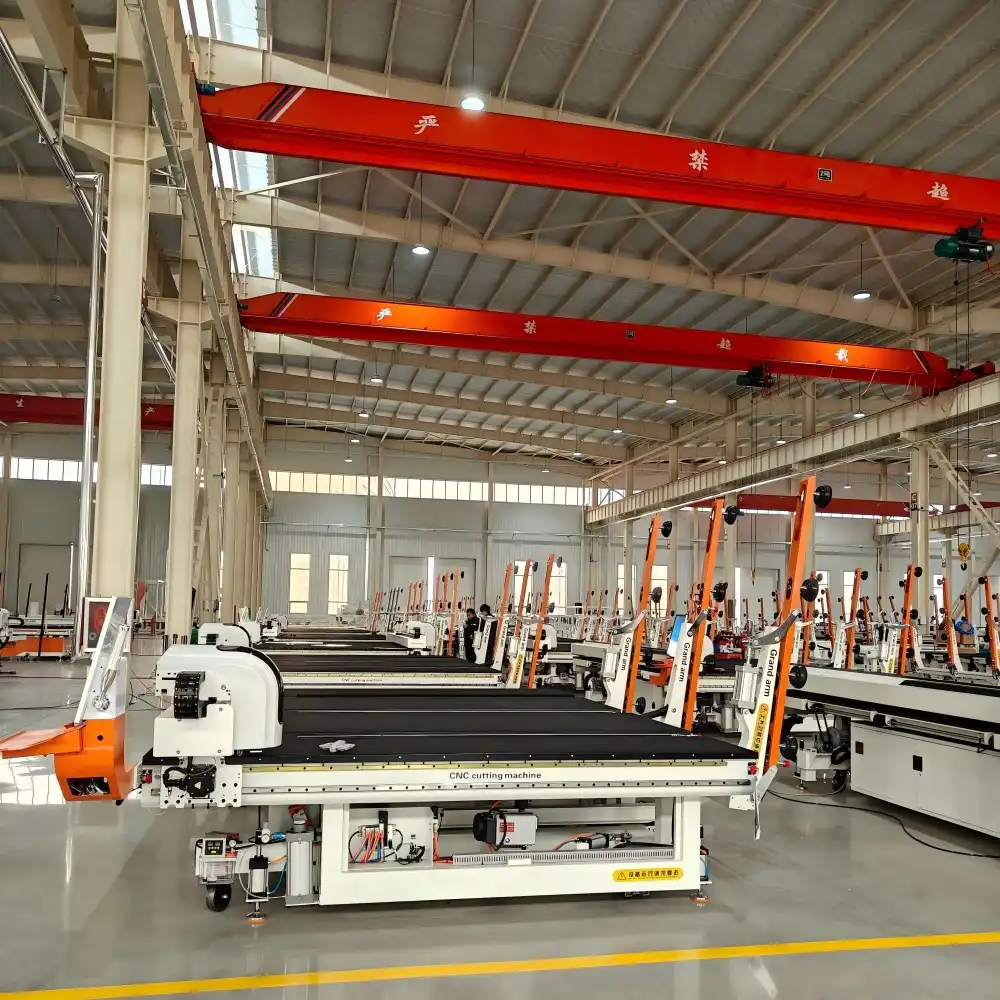
The flexibility of these tools is very helpful for flat glass plants. Bilateral edging tools can be used for a wide range of production needs, such as making building glass, car glass parts, and custom glass panels. Modern systems are flexible enough that makers can change the way machines are set up to meet specific operating needs. This makes sure that machines work well in a wide range of glass processing situations.
Technical Features and Performance Insights
Today's high-tech tools for bilateral edging are the result of decades of progress in engineering and feedback from pros around the world on how they work in real life.
Advanced Motor Systems and Control Technologies
Glass bilateral edging machine technology uses cutting-edge servo motor systems that give exact control over important working conditions. The dual servo motor setup controls both the opening and closing mechanisms and the moving system, making sure that everything works together smoothly and consistently. These motors provide very accurate positioning, which lets the machine work with glass pieces of different sizes with great accuracy.
The built-in programmable logic controller (PLC) lets workers set up the processing settings for various types of glass and edge finishing needs. This adaptability is very helpful in production settings where different glass standards need to be met quickly.
Performance Metrics and Efficiency Advantages
Studies that compare two types of processing systems show that the throughput of two-sided systems is higher than that of one-sided systems. The simultaneous dual-edge processing cuts cycle times by about 40–50%, which leads to big gains in productivity when a lot of things need to be made. Because they don't have to handle things more than once, as standard single-sided machines do, they also use less energy per processing unit.
Quality uniformity is another important success benefit. Using synced grinding wheels makes sure that both sides of the edge are treated in the same way, so there are no differences, like there can be when each edge goes through its own processing cycle.
Integration with Industry 4.0 Frameworks
Modern two-sided cutting systems work well with digital factories thanks to their advanced sensor arrays and data connection features. Real-time monitoring gives operators detailed information about how the machines are working, which lets them plan repairs ahead of time and improves the overall efficiency of the equipment (OEE).
Selecting the Right Bilateral Edging Machine for Flat Glass Plants
When picking the right edge cutting equipment, there are a lot of things to think about that have an immediate effect on how well the equipment works and how much it costs.
Production Scale and Capacity Requirements
Large-scale factories that make flat glass usually need tools with a lot of power that can handle a lot of work while still meeting quality standards. With 12 grinding wheels on each side, the glass bilateral edging machine design has the working power needed for tough production settings. Large architectural glass panels, which are often used in business building projects, can fit through the maximum opening of 2.5 meters.
For smaller production sites, flexibility and the ability to make changes may be more important than maximum output. The minimum opening size of 0.35 meters makes these machines compatible with smaller glass parts, which means they can be used in a variety of industrial situations.
Cost-Effectiveness and Financial Considerations
When analyzing an investment, you need to look at both the original cash costs and the long-term operating costs. When compared to single-sided machines, bilateral edging machines usually require a bigger initial investment. However, the higher production and lower work needs often make up for the extra cost. The automatic servo motor systems cut down on the amount of work that needs to be done by hand, which lowers costs and makes work safer.
Customization adds value by letting makers change the specs of equipment to meet changing production needs without having to update the whole system.
Manufacturer Selection and Support Infrastructure
Working together with well-known manufacturers guarantees access to full expert help and reliable spare parts. Good makers offer detailed instructions, training programs, and quick service networks that are very helpful for keeping operations running smoothly.
Being able to change how machines are set up is very helpful when working with special glass goods or having specific production needs. By giving manufacturers a lot of ways to customize their products, flat glass makers can find the best specs for their needs.
Best Practices for Operation, Maintenance, and Safety
To get the most out of your bilateral edging tools and make it last as long as possible, you need to follow set operational and repair routines.
Operational Setup and Daily Protocols
Calibration of the servo motor systems and placement of the grinding wheels are the first steps in setting up a machine correctly. To make sure it works smoothly and accurately, the automated opening and shutting device needs to be tried across its whole range, which is 0.35 to 2.5 meters. Checking the alignment of the conveying system and checking the state of the grinding wheels should be part of the daily starting routines.
To get the best edge quality while keeping production rates low, operators need to know how the thickness of the glass, processing speed, and choice of grinding wheel all affect each other. The control system for the glass bilateral edging machine lets you change parameters so that it works perfectly with different types of glass.
Preventive Maintenance Strategies
Routine repair plans focus on important parts of the system, like servo motors, grinding wheels, and moving mechanisms. To keep the edge quality uniform, the 12 grinding wheels need to be inspected and replaced at regular intervals. Regular lubrication, checking of electrical connections, and performance tracking are all parts of servo motor care that keep them from breaking down without warning.
The layout of the grinding wheels—two top chamfers, two lower chamfers, and eight flat grinding wheels—requires careful attention to how they wear and when they need to be replaced. Edge quality can be harmed by uneven wear, and glass panels could be damaged during processing.
Safety Compliance and Risk Management
Safety rules need to take into account the special risks that come with automatic tools used to work with glass. The opening and closing device is controlled by a servo motor. To keep the person from getting hurt while the machine is running, safety interlocks are needed. Emergency stop systems need to be easy to get to and should be tested regularly to make sure they work right.
The machine can handle panels with widths ranging from 0.35 meters to 2.5 meters, so the way it is handled must take these differences into account. As you get closer to the maximum capacity range, it becomes more and more important to use the right lifting tools and handling methods when working with bigger glass panels.
Emerging Trends and Future Outlook in Glass Edging Technology
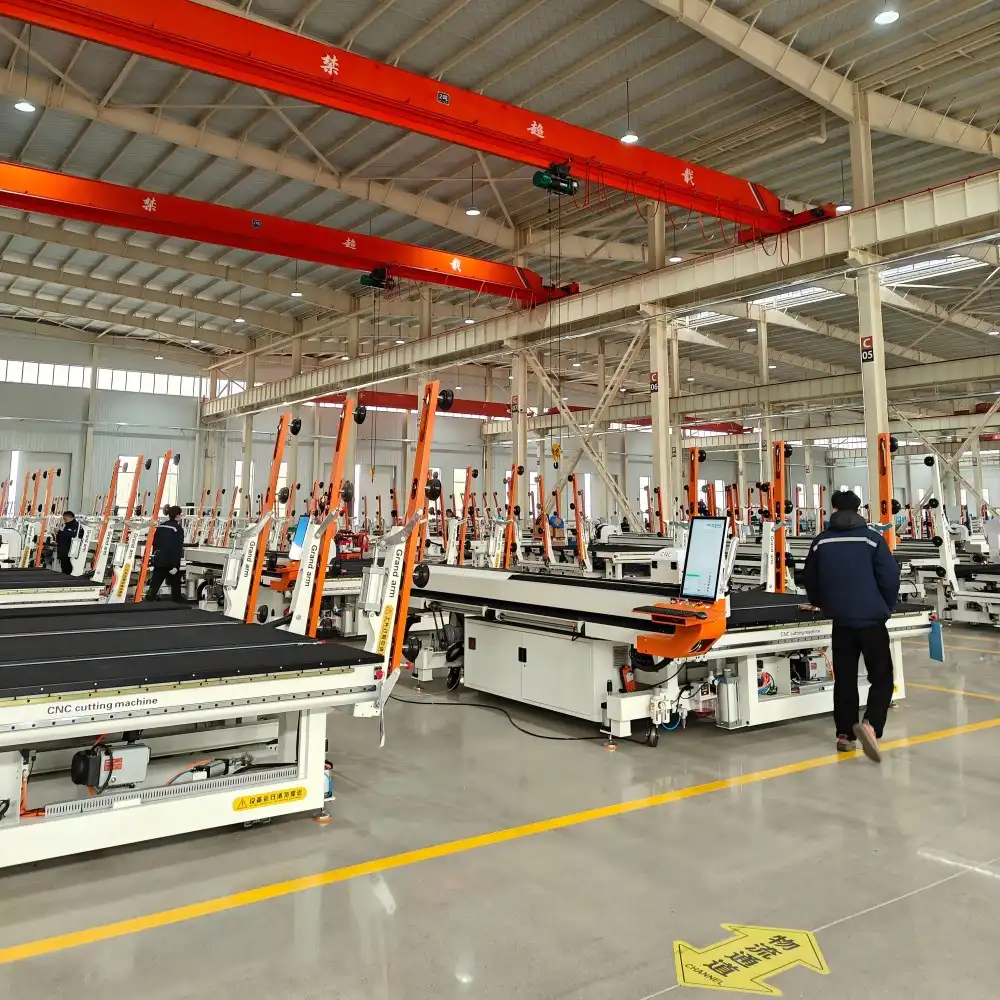
Two-sided cutting technology is still changing quickly because automation is getting better and market needs are changing in the flat glass business.
Artificial Intelligence and Machine Learning Integration
More and more, advanced glass bilateral edging machine systems use AI-driven optimization algorithms that change the working settings automatically based on the glass's properties and quality standards. Systems that can learn from data can find patterns in different types of glass and choose the best grinding wheel setups and processing speeds on their own.
Predictive analytics programs look at servo motor performance data and grinding wheel wear trends to suggest maintenance schedules that keep unplanned downtime to a minimum and improve business efficiency.
Energy Efficiency and Environmental Sustainability
Modern systems for two-way cutting focus on using less energy by making servo motor control methods better and improving the design of the machines. Variable speed conveying systems adjust power consumption based on production requirements, reducing energy waste during low-demand periods.
When water recycling systems are built into glass edging tools, they reduce the damage done to the environment and the costs of running the business that come with using coolant and getting rid of trash.
Customization and Flexibility Enhancements
In the future, the main goal is to make personalization easier so that glassmaking needs can change with it. Modular grinding wheel designs make it easy to change the shape of the wheels quickly to fit different edge curves without having to make major changes to the machine. Modern servo motor systems offer better speed control and positioning accuracy, making it possible to work with glass shapes that are getting more complicated.
Smaller batch amounts and a wider range of products are driving the need for tools that can be quickly reconfigured and can meet a wide range of production needs without lowering quality or speed.
Conclusion
Glass bilateral edging machine technology is an important part of making flat glass today because it gives manufacturers the accuracy, speed, and adaptability they need to compete in today's market. With 12 grinding wheels, servo motor automation, and flexible configurations, this high-tech setup gives makers strong tools for improving edge quality and making production more efficient. Bilateral cutting systems will definitely become more important as the industry moves toward more automation and sustainability. This is because they help flat glass makers meet strict quality standards while keeping their bottom line low. When companies invest in advanced bidirectional cutting technology, they set themselves up for long-term success in a market that is becoming more complex.
FAQ
1. What makes glass bilateral edging machines superior to single-sided alternatives?
Glass bilateral edging tools work on both sides at the same time, which cuts cycle times by 40–50% compared to equipment that only works on one side. The synced dual-edge processing makes sure that the edge properties are all the same and gets rid of the differences that happen when processing steps are done separately.
2. How does the servo motor system enhance machine performance?
The two servo motors work together to give precise control over devices that open and close and move things. This technology makes sure that the positioning is always accurate over a range of 0.35 to 2.5 meters. It also cuts down on the need for human work and raises safety overall.
3. What customization options are available for different production requirements?
Modern machines for bilateral cutting have modular design elements, grinding wheels that can be set up in different ways, and processing settings that can be changed. The 12 grinding wheels can be set up in different ways to fit different types of glass and edge finishing needs. There are 2 top chamfers, 2 lower chamfers, and 8 flat grinding wheels.
Partner with HUASHIL for Advanced Glass Processing Solutions
Shandong Huashil Automation Technology Co., Ltd. is one of the best companies that makes glass bilateral edging machines. They have decades of engineering experience and use the latest automation technology. Our high-tech two-way cutting systems have a complex 12 grinding wheel layout and precise servo motor settings that can work with glass panels from 0.35 meters to 2.5 meters thick. HUASHIL offers reliable solutions that boost output while keeping high edge quality. These solutions can be fully customized and have been tested and proven to work in flat glass plants around the world. Our technical team has a lot of knowledge and can help you with everything from the initial consultation to installation and ongoing upkeep. Get in touch with our sales team at sales.cathy@sdhuashil.com to talk about how our glass bilateral edging machine supplier experience can help you process flat glass more efficiently.
References
1. Anderson, M. (2023). "Automated Glass Processing Technologies in Modern Manufacturing." Journal of Glass Engineering and Technology, 45(3), 78-92.
2. Chen, L., & Rodriguez, J. (2024). "Servo Motor Applications in Industrial Glass Processing Equipment." International Review of Automation Systems, 12(2), 134-148.
3. European Glass Manufacturing Association. (2023). "Best Practices for Bilateral Edge Processing in Flat Glass Production." Technical Report EG-2023-15.
4. Johnson, R. K. (2024). "Energy Efficiency Optimization in Glass Edging Machine Design." Glass Manufacturing Quarterly, 28(4), 45-58.
5. Liu, X., Thompson, S., & Parker, D. (2023). "Safety Standards and Risk Management in Automated Glass Processing Facilities." Industrial Safety Engineering Journal, 67(8), 201-215.
6. Wilson, P. A., & Kumar, S. (2024). "Future Trends in Glass Edge Processing Technology: AI Integration and Smart Manufacturing." Advanced Materials Processing Review, 31(1), 112-127.