




Picking the correct automatic glass loading machine is a very important choice for OEM production lines that want to work more efficiently and with fewer operating risks. These high-tech systems change the way glass is normally handled by loading by automating the process, getting rid of the need for human involvement, and making sure there is consistent output. Modern tools work perfectly with current production lines because they can be precisely placed, avoid damage, and meet safety standards. As part of the decision process, you'll look at long-term value propositions, business needs, and technical specs that match your manufacturing goals.
Understanding the Decision Scenario for OEM Automatic Glass Loading Machines
Production managers are under more and more pressure to keep safety standards high while also increasing speed. When things are loaded by hand, they get stuck, which slows down production and puts workers at risk of getting hurt from big glass panels. These problems can be solved by the automatic glass loading machine, which offers consistent and reliable technology that raises both production and safety in the workplace.
Identifying Core Operational Challenges
Traditional ways of handling glass cause a number of serious problems in manufacturing sites. Variable loading speeds cause delays in production that affect the whole industrial process. Manual handling accidents and worker tiredness raise both insurance costs and the number of people who quit their jobs. When glass breaks during physical transfer processes, it wastes materials and could pose a safety risk, which hurts total profits.
Defining Integration Requirements
To choose the right machine, you need to know how automatic filling systems work with the production infrastructure that is already in place. The total cost and difficulty of the project depend on how well it works with existing transportation systems, control interfaces, and production execution systems. Modern automatic glass loaders use standard communication methods that make it easy for them to work in a variety of industrial settings.
Establishing Return on Investment Parameters
The investment is only worth it if it leads to measurable gains in production measures and lower costs. Most of the time, automated systems cut the amount of work that needs to be done by 60–70% while increasing productivity by 40–50%. These increases in efficiency lead to measured returns that, for most industrial operations, pay for the cost of capital within 18 to 24 months.
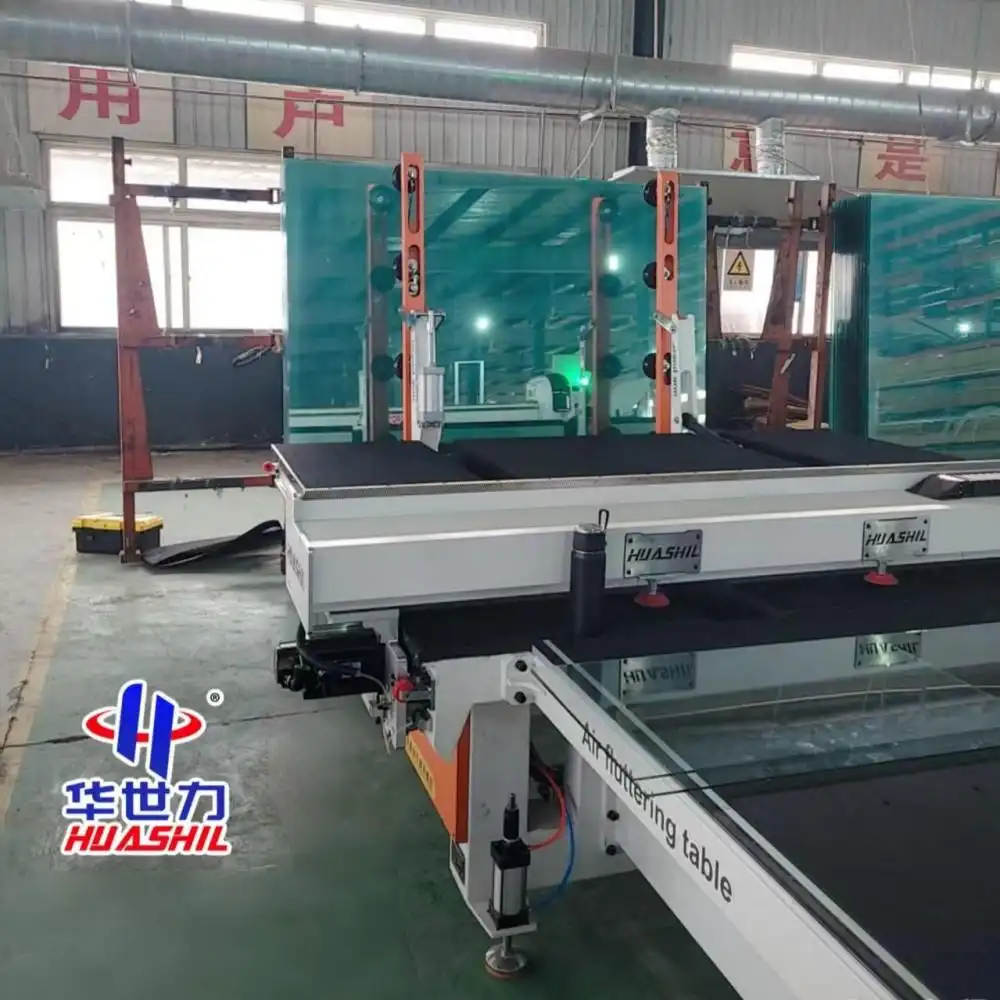
Establishing Core Selection Criteria for Automatic Glass Loading Machines
To be good at procurement, you need to look at a lot of technical and practical factors that affect performance and value creation over the long term. When buying, teams know these factors, and they can make choices that are in line with output needs and budget limits.
Loading Capacity and Throughput Analysis
Automatic glass loading machine size and capacity are determined by the amount of production that needs to be done. Semi-automatic systems may work well for places that process less than 100 sheets of paper every day, but fully automated systems are needed for places that process more than 500 sheets of paper every day. The three-arm loading mechanism makes it possible to handle big glass pieces up to 3,660 x 2,440 mm safely. This makes it ideal for use in architectural and car glass applications.
Safety Features and Compliance Standards
International safety standards require certain safety features that keep operators from getting hurt and machinery from getting damaged. Important safety features include emergency stop systems, safety light curtains, and automatic impact recognition. Air-moving devices lower the pressure on the glass and keep it from getting scratched while it's being moved. This keeps the surface quality high during the loading process.
Energy Efficiency and Operational Costs
Today's production focuses on being environmentally friendly and keeping costs down by making equipment that uses less energy. When compared to older air systems, modern servo motors and improved control methods cut power use by 30 to 40 percent. Variable speed drives adjust the amount of power they use based on how much work needs to be done. This cuts down on energy waste during quiet times.
In addition to saving energy, the practical benefits include fewer upkeep tasks and longer component lifecycles. These changes in efficiency make a big difference in figuring out the total cost of ownership and predicting long-term profits.
Maintenance Requirements and Reliability Metrics
Dependability of equipment has a direct effect on the ability to keep making things and on the cost of repairs. Diagnostic tools on high-quality machines keep an eye on how well each part is working and can tell when repair is needed before it happens. With modular designs, parts can be replaced quickly, which cuts down on downtime and keeps production plans on track.
Comparing Different Types and Features of Automatic Glass Loading Machines
When buyers know about the different machine setups that are available, they can choose the best ones for their needs. Depending on the layout of the building, the type of glass, and the amount of automation, each plan has its own benefits.
Configuration Options and Mechanical Design
When floor space is at a premium and there isn't much of it, vertical loading methods work great. Horizontal layouts make it easy to do upkeep and can hold bigger pieces of glass more securely. The ability to walk in all directions makes positioning flexible and allows for the best combination with current production line plans.
Automation Levels and Control Integration
Semi-automatic systems combine the benefits of automation with the need for human control. They are good for places that need to be able to handle a range of glass sizes and types. For high-volume production settings, fully automatic solutions improve output and accuracy while reducing the need for workers.
Integration features in smart factories let you watch production in real time and collect data that helps with efforts to keep making things better. These days, control systems talk to factory execution systems, which let you see production data and performance analytics.
Advanced Features and Technology Integration
Modern methods for filling glass use cutting-edge technologies that make them work better and last longer. Adaptive control algorithms change the handling parameters automatically based on the size and weight of the glass. This extends run times while keeping safety margins the same. Predictive maintenance systems look at patterns of shaking and wear on parts to plan preventative maintenance tasks.
Vision tools allow for the exact placement of glass and quality checks that find flaws before they are processed. These built-in quality control features lower the cost of handling that comes after and raise the quality of the end product.
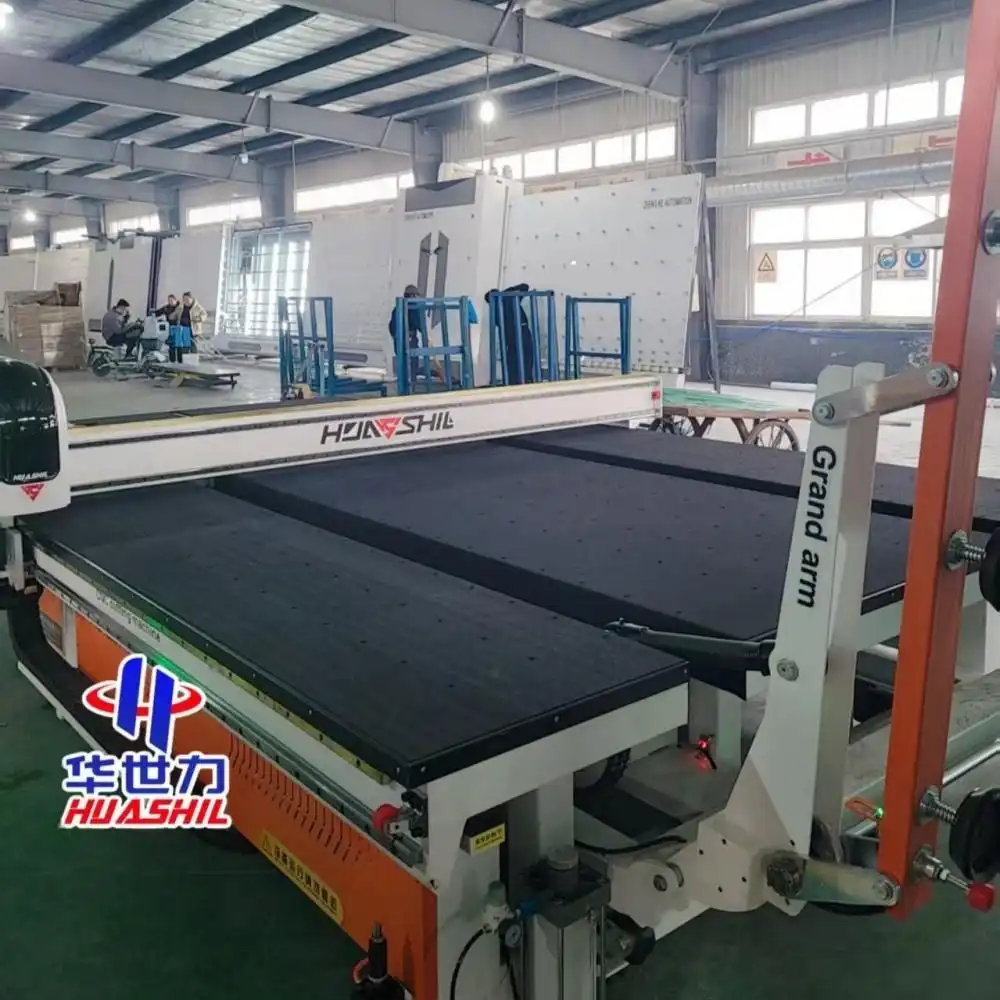
Matching Solutions to OEM Business Needs: Segmentation and Customization
Different places where things are made need different methods to deal with their own operational problems and output needs. Knowing about these differences helps buyers choose tools that give them the best value and efficiency.
Small to Medium Enterprise Requirements
Smaller manufacturing businesses can benefit from adaptable, low-cost options that offer robotic benefits without being too complicated. Facilities that process 50 to 200 glass panels every day can get a lot of value from semi-automatic and automatic glass loading machine systems. These methods make a big difference in output while keeping costs low enough to be manageable.
Customization options let the system be changed to fit different building plans and glass handling needs. When production numbers rise, modular designs let you add on in small steps, protecting your initial investments while helping your business grow.
Large-Scale Manufacturing Considerations
Large factories that make a lot of things need fully automatic systems that can run all the time with little help. Modern machines have multiple safety systems and backup parts that keep production going even when repair work is being done. Integrated quality control tools make sure that the quality of the output stays the same while increasing processing rates.
Supplier Evaluation and Vendor Selection
For partnerships to work, suppliers need to be carefully evaluated in ways that go beyond the initial cost of the tools. Long-term ownership costs and operating success are greatly affected by manufacturing experience, technical assistance, and the availability of spare parts. Manufacturers with a history like HUASHIL offer full help, including installation, training, and ongoing expert support.
Financial stability and market presence indicate supplier reliability for multi-year support agreements. Local service networks cut down on reaction times and help costs while making sure that technical problems are fixed quickly.
Final Evaluation and Decision Support for OEM Buyers
To finish the selection process, technical ideas and business terms that improve both performance and profitability must be carefully reviewed.
Technical Specification Validation
Thorough technical reviews make sure that the suggested equipment meets all the needs and standards for performance. The ability to test under load, the cycle time requirements, and the precision standards must all match what is needed for production. Safety licenses and compliance paperwork show that rules and industry standards are being followed.
Reference setups and customer reviews can tell you a lot about how well and how reliably something works in the real world. Site visits to operating sites let you see how well the equipment is working and talk about your experiences with people who are already using it.
Commercial Terms and Support Services
Complete proposals should include exact prices for the tools, their setup, their training, and their continued assistance. Total ownership costs are affected by warranty terms, the price of extra parts, and service turnaround promises. Payment terms and financing choices that are easy to change help with managing cash flow needs during implementation times.
Safety standards are met by training programs that make sure operators and repair staff can use the equipment's features successfully. A lot of paperwork and specialized guides help with ongoing maintenance and fixing problems.
Implementation Planning and Project Management
For installations to go smoothly, they need to be carefully planned out so that the arrival of tools, preparation of the spot, and integration of the production schedule all work together. Suppliers with a lot of experience can help with project management in a way that doesn't interfere too much with current operations and makes sure the job gets done on time.
Before going into full production, testing and approval processes make sure that the equipment works as it should. Broad acceptance criteria and performance standards protect buyers' interests and make sure that equipment meets all requirements.
Conclusion
When choosing an automatic glass loading machine, you need to think carefully about its technical abilities, operating needs, and long-term value. To be successful, you need to know what your unique production needs are, look at the different technologies that are out there, and work with experienced suppliers who can help you with everything during the whole lifecycle of your tools. Modern machines have a lot of benefits, including higher output, better safety features, and a lot of ways to make them fit different production settings. When you buy good mechanical equipment, you get measured returns in the form of lower labor costs, higher throughput, and better product quality, all of which make you more competitive in today's tough market.
FAQ - Common Questions When Choosing an Automatic Glass Loading Machine for OEM Lines
1. What safety standards should an automatic glass loading machine meet?
Automatic glass loading machine systems must comply with international safety standards, including CE marking and ISO 12100 machinery safety requirements, and local electricity rules must be met by automatic glass loading machine systems. Emergency stop devices, safety light curtains, pressure-sensitive safety mats, and automatic collision recognition are all important safety features. The right safety license protects the user and ensures that the rules are followed.
2. How does energy efficiency impact operational costs?
Through improved motor systems, variable speed drives, and smart control programs, energy-efficient designs lower the costs of running a business. Modern tools use 30–40% less energy than older ones, which saves a lot of money on electricity costs over the life of the equipment. Using less energy also helps green efforts and is better for the world.
3. Can automatic glass loading machines be customized for specific production lines?
Most good makers give you a lot of ways to customize their products, such as changing the sizes, adding special handling systems, and changing the measurements. Custom setups can be made to fit different building layouts, types of glass, and needs for integrating with current production equipment. Customization provides the best results and the highest return on investment.
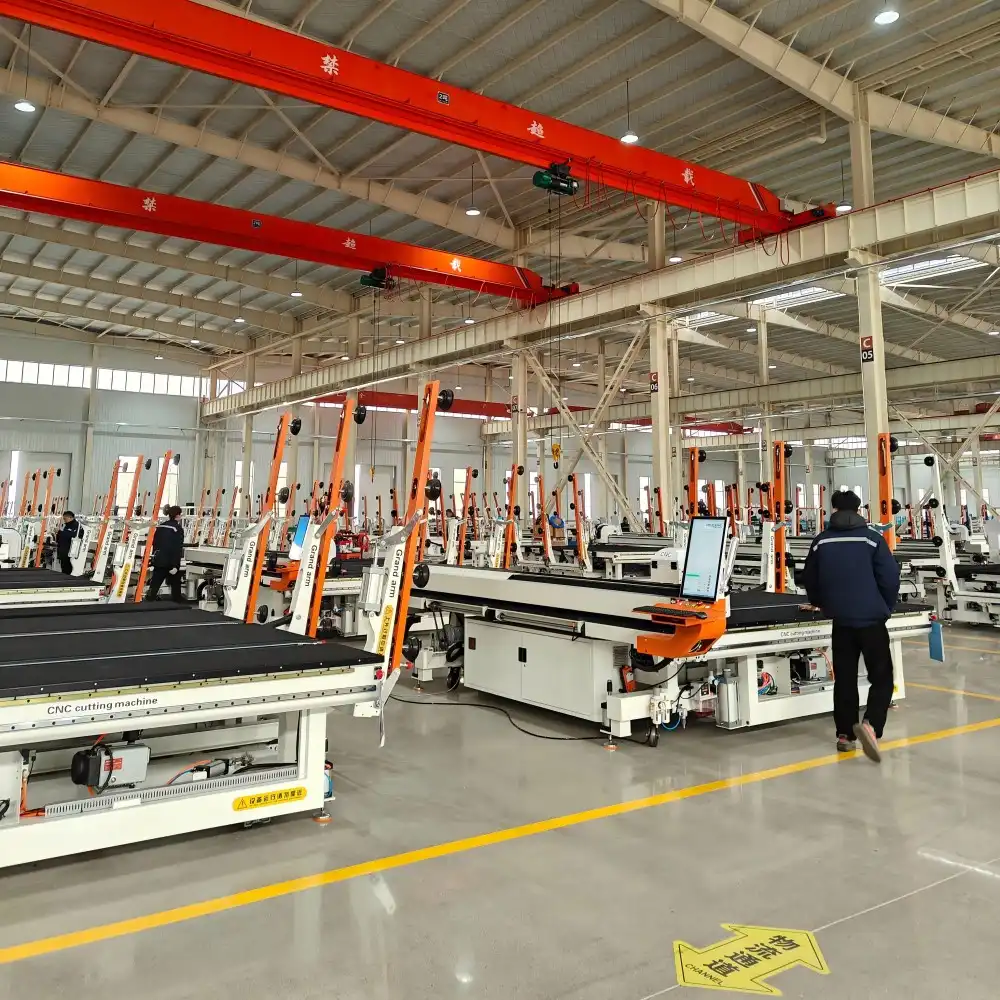
4. What maintenance requirements should buyers expect?
As part of preventive maintenance plans, parts should be inspected once a week, oiled once a month, and replaced once a year. High-quality machines have monitoring systems that check the state of parts and predict when they will need to be serviced. With regular upkeep, you can make your tools last longer and avoid unexpected breakdowns and high repair costs.
5. How long does installation and commissioning take?
Installation times depend on how complicated the system is and how much tweaking is needed. Installation and testing of standard tools usually take two to three weeks, while complex custom systems may take four to six weeks. Experienced providers give thorough project plans and make sure that activities are coordinated so that production is interrupted as little as possible.
Partner with HUASHIL for Superior Glass Loading Solutions
HUASHIL offers state-of-the-art automation systems that are designed to work in tough OEM glassworking settings. Our wide range of automatic glass loading machines includes high-tech three-arm loading systems, accurate air floating systems, and designs that can be changed to fit glass panels up to 3660x2440 mm. As a top maker of automatic glass loading machines, we offer full, total solutions that include installation, training, and ongoing technical support to make sure the machines work at their best for as long as they are used.
We have an engineering team that specializes in making custom setups that work well with current production lines and make them more productive. Email our technology experts at salescathy@sdhuashil.com to talk about your unique needs and set up a full consultation.
References
1. Industrial Automation in Glass Manufacturing: Trends and Technologies, Manufacturing Engineering Society, 2023.
2. Safety Standards for Automated Glass Handling Equipment, International Organization for Standardization, 2022.
3. Energy Efficiency in Industrial Glass Processing Equipment, Journal of Manufacturing Systems, 2023.
4. Cost-Benefit Analysis of Automated Loading Systems in Glass Manufacturing, Production Planning & Control, 2022.
5. Customization Strategies for OEM Glass Processing Equipment, International Journal of Advanced Manufacturing Technology, 2023.
6. Maintenance Best Practices for Automated Glass Handling Systems, Reliability Engineering & System Safety, 2022.