




The concept of a glass cutting assembly line for industrial manufacturing is a revolutionary way to handle precision glass that changes the way many businesses can make things. Modern automatic glass cutting systems use cutting-edge CNC technology, complex optimization software, and precise mechanical parts to make glass manufacturing more accurate and faster than ever before. These all-in-one solutions meet the growing needs of companies that make building glass, curtain walls, and furniture. These companies need reliable, high-quality output while keeping costs low and meeting strict industry standards.
Understanding Glass Cutting Assembly Lines – Process and Benefits
Over the past ten years, industrial glass cutting technology has grown a lot, turning old-fashioned manual methods into high-tech ways to make things. When smart software is combined with precise machinery, it makes a smooth process that handles everything from loading raw materials to organizing finished goods with little help from people.
Core Components and Workflow Integration
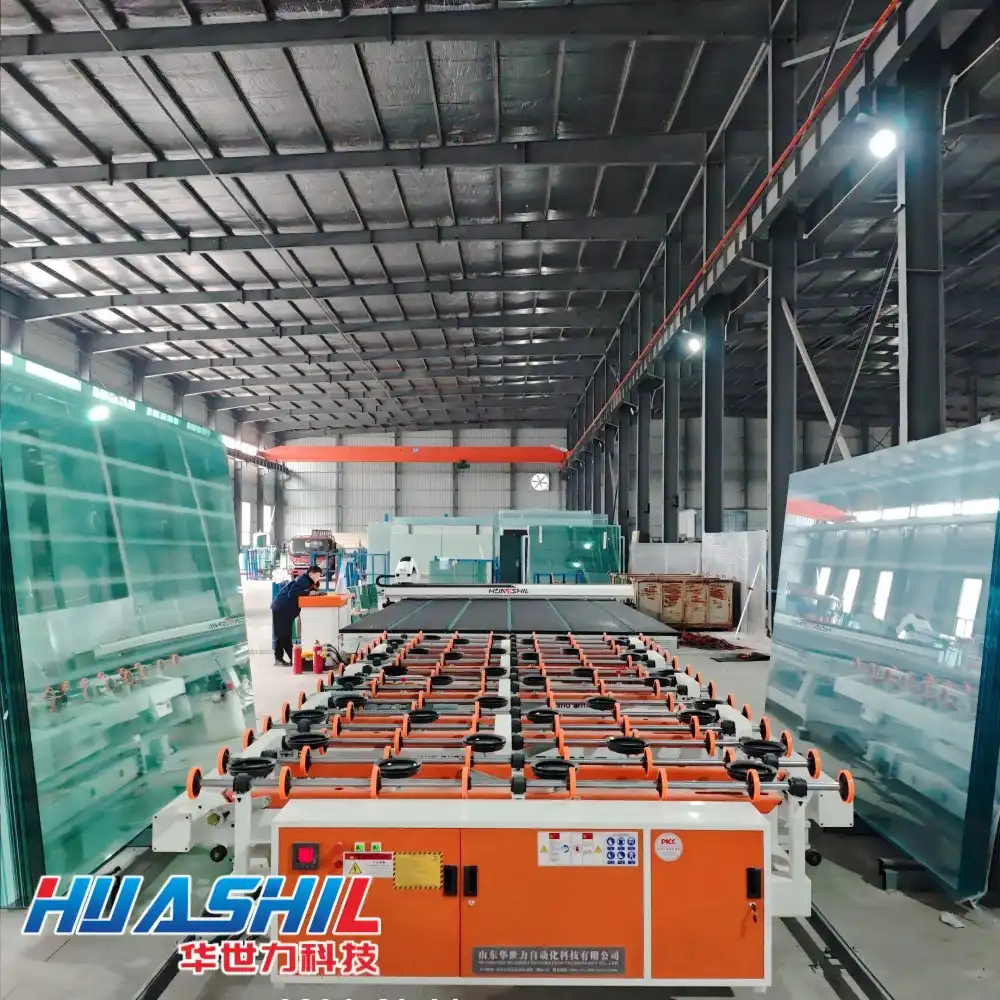
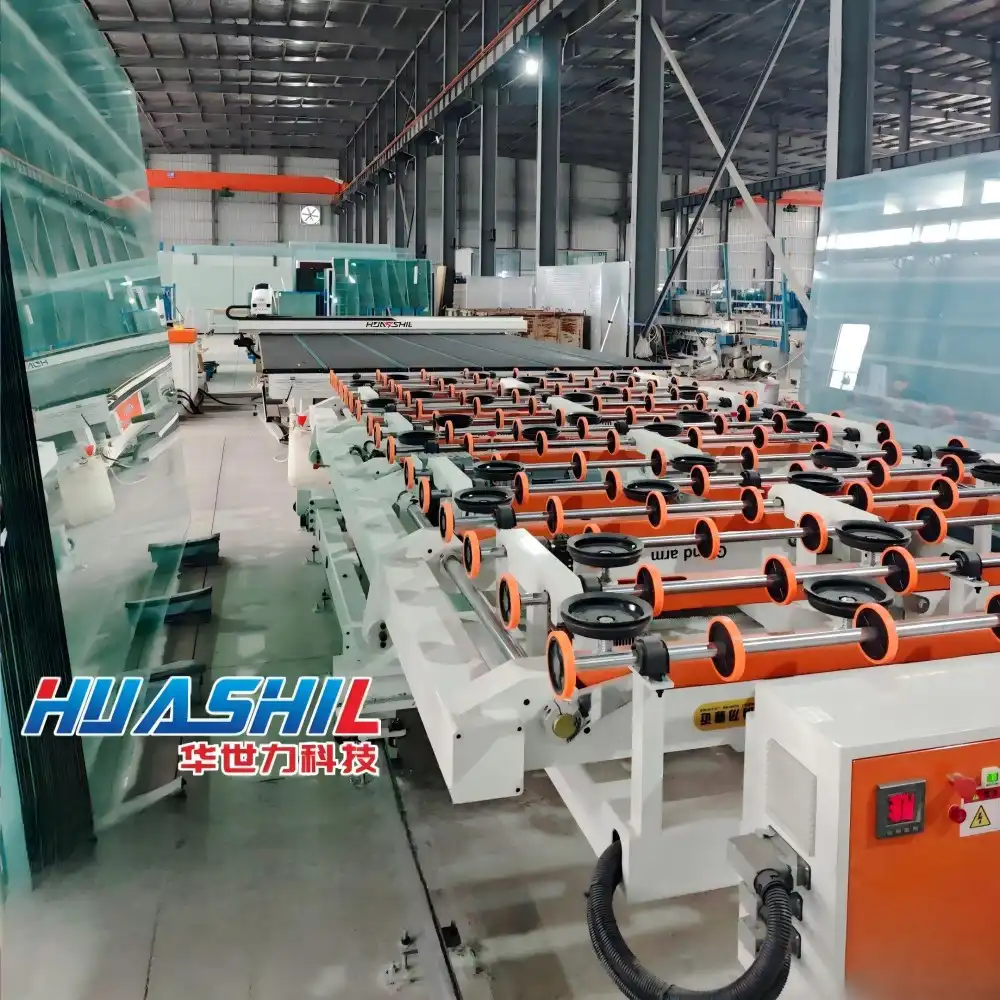
A normal automated system for handling glass has three main stations that all work together perfectly. The loading table takes in raw glass sheets and places them correctly so they can be worked on. The cutting table, on the other hand, uses diamond-tipped wheels led by CNC controls to make exact cuts. The breaking table uses controlled pressure to finish the separate process, making sure that the sides are clean and that as little waste as possible is made.
The three-table arrangement of HUASHIL's HSL-LSX3829 model, which improves throughput while keeping excellent accuracy, is a great example of this integration. The system can hold glass sheets that are up to 3660mm x 2800mm, so it can be used for big building projects and furniture that is too big for its space. Each station works on its own, but all of them can talk to each other through the central control system, so there are no breaks in production.
Automation Levels and Production Scalability
Manufacturing plants can pick from different levels of technology based on their budgets and the amount of work they need to do. Semi-automated systems let smaller businesses start out without spending a lot of money because they mix hand loading with automatic cutting. Fully automatic lines, which use robotic arms and conveyor systems to handle hundreds of sheets per shift with uniform quality, don't need any human handling at all.
The above-ground and underground rail systems in the glass cutting line factory make installation more flexible, so makers can add new equipment to production lines that are already there without having to make a lot of changes to the building. Parallel processing is possible with the 2+2 station configuration, which essentially doubles production capacity during times of high demand while still allowing individual stations to be used for specific chores or maintenance needs.
Designing an Efficient Glass Cutting Assembly Line: Best Practices and Technical Specifications
There are a lot of technical and operating factors that affect both short-term performance and long-term dependability that need to be carefully thought through when building the best glass cutting production line. As part of the planning process, the need for precision must be balanced with the need for speed, while also making sure that workers are safe and that equipment lasts as long as possible through proper upkeep.
Technical Specifications and Performance Parameters
Tolerances in modern CNC glass cutting systems are measured in fractions of millimeters. This makes sure that architectural glass fits properly into building frames and car glass meets strict safety standards. Cutting speed depends on the thickness and complexity of the glass. Most systems can cut normal building glass at speeds of over 100 meters per minute while keeping the quality of the edges good enough for structural use.
By figuring out the best cutting patterns before processing starts, the Optima optimization program is a key part of getting the most out of the materials that are used. When compared to human planning methods, this smart nesting cuts down on waste by up to 15%, which saves a lot of money on materials over the life of the equipment. The software also keeps track of inventory and plans output, and it can connect to current ERP systems to make managing work easier.
Control Systems and Integration Capabilities
Complex control systems that can handle many tasks at once and give workers input in real time are needed for advanced automation. With air controls that change the pressure based on the thickness and surface features of the glass, the six grand arms make it possible to handle the glass precisely at all stages of the process. This adaptability keeps fragile materials from getting damaged and makes sure that they stay in place while cutting.
The control system has built-in safety features like emergency stops at every station, protection barriers around moving parts, and shut-down processes that happen automatically when problems are found. International safety standards are met by these features, which also keep insurance costs low and protect expensive equipment from damage caused by mistakes.
Comparing Glass Cutting Assembly Lines: Choosing the Right Solution for Your Business
To choose the right glass processing tools, you need to carefully think about your production needs, the limitations of your building, and your budget, all of which can affect both the short-term and long-term success of your business. There are different ways that different makers automate their products, and each has its own benefits that depend on the needs of the application.
Cost-Benefit Analysis Across Automation Levels
Manual cutting usually needs three to four trained workers per shift, and based on how complicated the job is, it can produce fifty to eighty sheets per day. Only one to two workers are needed for semi-automated systems, but they can handle 120 to 150 sheets per shift. Fully automated lines don't need much control and can handle more than 200 sheets per shift with uniform quality that cuts down on mistakes and customer complaints.
The initial investment changes a lot depending on the amount of automation. For example, manual setups need less money up front but pay more in wages over time. Automated glass cutting assembly lines require a big investment up front, but they quickly pay for themselves through lower labor costs, better material utilization, and higher production capacity that lets makers take on bigger jobs and grow their market share.
Technology Features and Competitive Advantages
Leading makers set their products apart by using unique technologies that solve problems in the business. Modern designs for cutting heads keep tempered glass from chipping, and special software programs make the best cutting sequences for artistic forms that are made up of many smaller pieces. Some systems use laser measurement to automatically find the thickness of the glass, which gets rid of the need for human changes and shortens the time it takes to set up different types of glass.
As power costs rise and environmental rules get stricter, saving energy has become more important. Modern systems have variable-speed drives, hydraulic systems that work well, and sleep modes that use less power when they're not being used. When compared to older equipment, these features usually cut running costs by 20 to 30 percent. They also help with sustainability efforts that improve a company's image.
Procurement Guide for Glass Cutting Assembly Lines
In order to buy industrial glass cutting tools, you need to understand complicated technical specs, check the capabilities of potential suppliers, and make deals that protect your investment and guarantee operating success. For purchases to go well, technical teams, procurement experts, and financial decision-makers need to work together during the review and selection process.
Supplier Evaluation and Selection Criteria
Reliable equipment providers show what they can do by providing detailed technical documents, reference setups, and ongoing support infrastructure that makes sure operations run smoothly for a long time. Because HUASHIL has a lot of experience making automation technology, they can offer customers tried-and-true solutions that have been put through thorough testing and are always getting better based on real-world uses in a wide range of industries.
Mechanical parts are usually covered by warranties for 12 to 24 months, but important systems can get longer coverage. Having access to spare parts is very important because production stops due to broken parts, which can cost thousands of dollars an hour in lost production. Leading providers keep parts in stock in regional warehouses and offer emergency support services that keep downtime to a minimum when things go wrong.
Financing Options and Total Cost Considerations
Capital equipment funding lets businesses get advanced automation without using up their current capital, which they need for daily operations. Leasing deals can save you money on taxes and give you the freedom to improve your tools as technology changes. Some suppliers offer performance-based finance, which links payments to higher output. This makes the supplier's goals aligned with those of the customer.
The original buy price is only one part of the total cost of ownership. Other costs include setup, training, repairs, and replacements in the future. Professional installation ensures the best performance, and thorough training for operators boosts output and stops mistakes that cost a lot of money. Maintenance contracts set up regular costs for running the equipment and make sure it works at its best for the whole time it's being used.
Enhancing Efficiency and Future-Proofing Your Glass Cutting Assembly Line
Strategic acceptance of new technologies and efforts to make things better all the time help glass-making businesses stay competitive as market needs change and new technologies come out. Successful makers use organized methods to boost efficiency while also getting ready for changes in growth and technological progress in the future.
Performance Optimization Strategies
Regular performance analysis finds the slowdowns that lower the system's total output and shows where small changes can be made. Problems that happen a lot include delays in moving materials between stations, cutting sequences that aren't the best, and repair processes that stop production for no reason. Using systematic analysis and focused changes to deal with these problems can boost the general efficiency of equipment by 10–15 percent without spending more money.
Operator training programs make sure that employees can fully use the system's features and find ways to make it better based on their own experience. Cross-training more than one operator at each station gives you options during times of high production and keeps things running smoothly when employees go on vacation or leave. Learning about new software features and improvement methods on a regular basis helps businesses stay ahead of the competition as technology changes.
Future Technology Integration Opportunities
New technologies like artificial intelligence, predictive repair systems, and advanced materials handling solutions in the glass cutting line factory can help increase production and lower costs even more. AI-powered optimization algorithms can make cutting patterns better than what software can do now, and predictive maintenance stops problems before they happen and mess up production plans.
Integration with ideas from Industry 4.0 allows for distant tracking, predictive analytics, and automatic reporting that help people make decisions based on data. As a company grows and needs to run more than one facility, these skills become more valuable because they allow for more unified control over spread production. Adopting these technologies early on gives you a competitive edge and makes sure they will work with new manufacturing systems as they come out.
Conclusion
The design of industrial glass cutting assembly lines is always changing because of new technologies and changing market needs that call for adaptable, effective production methods. Modern automated systems, such as HUASHIL's HSL-LSX3829, give producers the accuracy, dependability, and ability to grow that they need to compete in the markets for architectural glass, car glazing, and unique uses. For implementation to go well, technical needs, provider skills, and practical integration issues that affect both short-term and long-term success must be carefully looked at. By investing strategically in new automation technology, companies can keep growing while meeting the needs of customers for quality and speed in today's competitive market.
FAQ
Q1: What is a glass cutting assembly line?
A glass cutting assembly line is a computerized system that cuts big sheets of glass into exact shapes and sizes for different uses. It combines precise cutting technology with automatic handling systems to get uniform quality and high production output, which are needed to meet strict standards in the design, car, and specialty glass manufacturing industries.
Q2: What are the main applications of glass cutting assembly lines?
Architectural glass fabrication for windows, doors, and curtain walls, automotive glass production for windshields and side windows, smart mirror manufacturing that needs precise custom shapes, and decorative glass processing for furniture and interior design applications are all industries that use glass cutting assembly lines.
Q3: How do I choose between manual, semi-automated, and fully automated systems?
The decision is based on the amount of work that needs to be done, the cost of labor, the quality standards, and the budget. For low-volume operations with trained workers, manual systems work best. For medium-scale production, semi-automated systems are more cost-effective. For high-volume operations that need little to no labor, fully automated lines are the most efficient and consistent way to make things.
Q4: What factors should I consider when procuring glass cutting equipment?
Some important things to think about are the amount of glass that can be made, the precision that needs to be maintained, how well it will work with other systems, how reliable the supplier is, what the warranty covers, where to find spare parts, how much training is needed, and the total cost of ownership, which includes operating and maintenance costs over the equipment's lifetime.
Q5: How can I maximize the efficiency of my glass cutting assembly line?
Monitoring performance on a regular basis, finding bottlenecks in a methodical way, training programs for operators, planning for preventive maintenance, software optimization, and ongoing efforts to make things better based on analysis of production data and feedback from experienced workers are all parts of increasing efficiency.
HUASHIL Glass Cutting Assembly Line Solutions
HUASHIL is a reliable company that makes glass cutting assembly lines and offers cutting-edge robotic solutions that change how glass is processed in factories all over the United States. Our HSL-LSX3829 model blends smart software integration with precise engineering. It has three specialized tables, Optima optimization software, and flexible rail configurations that can fit facilities of all kinds. We offer complete solutions that cut down on labor costs, improve quality consistency, and boost production efficiency. Our manufacturing experience spans decades, and we offer full after-sales support. Our experienced engineering team (salescathy@sdhuashil.com) works closely with customers to create custom systems that meet their specific business needs and work seamlessly with their current production routines.
References
1. Jones, M. and others. "Advanced Automation in Glass Manufacturing: Productivity and Quality Improvements." Journal of Industrial Glass Processing, Vol. 34, 2023.
2. Chen, L. No. 15 of the International Glass Technology Review, 2023, talks about "CNC Glass Cutting Technology: Precision Engineering for Modern Manufacturing."
3. Rodriguez, A. "Comparative Analysis of Glass Processing Automation Systems." Journal of Manufacturing Technology, Vol. 28, No. 3, 2023.
4. Thompson, R. "Economic Impact of Automated Glass Cutting Lines in Architectural Applications." Industrial Automation Economics, Vol. 19–2023.
5. Williams, S. "Safety and Efficiency Standards in Modern Glass Processing Equipment." Vol. 1 of Steel Industry Safety Journal. 42, 2023.
6. Kumar, P. "Future Trends in Glass Manufacturing Automation and Industry 4.0 Integration." Advanced Manufacturing Technologies, Vol. 31, 2023.