




When making car glass, precision and safety compliance are musts. The current way of making automotive glass is based on the Glass Double Edging Machine, which makes the edges more perfect and makes sure that every piece passes strict safety standards. These specialized machines process both edges of glass panels at the same time, which is a big improvement in production speed over the old way of edging one side at a time. As car companies demand faster production times and better quality, procurement professionals, engineers, and production managers who want to streamline their manufacturing lines need to learn about glass double edging technology.
Understanding Glass Double Edging Machines in Automotive Glass Production
Today's car glass processing needs complex machines that can work with glass's delicate nature while always making high-quality results. Glass double edging machines are a big step forward in glass processing technology. They can grind two edges at the same time, which turns sheets of unrefined glass into highly accurate car parts.
Core Components and Technical Specifications
The technical design of a glass double edging machine is very important to its overall reliability. Our state-of-the-art systems have four grinding motors that give you amazing power and steadiness during the entire grinding process. There are two grinding wheels on each side of the machine. There is usually one rough grinding wheel for shaping and one fine grinding wheel for finishing on each side. This dual-wheel setup makes sure that the edge quality is as good as possible and meets the standards of the car industry.
Another very important part of current glass edging technology is precision control. Encoder-controlled automatic opening and closing parts make sure things are in the right place, and servo motors control the moving system with amazing accuracy. Because these tools are flexible, they can handle glass panels with opening and closing ranges of between 0.2 meters and 1.5 meters. This means they can work with all kinds of automotive glass, from small windows to big windshields.
Automation and Efficiency Features
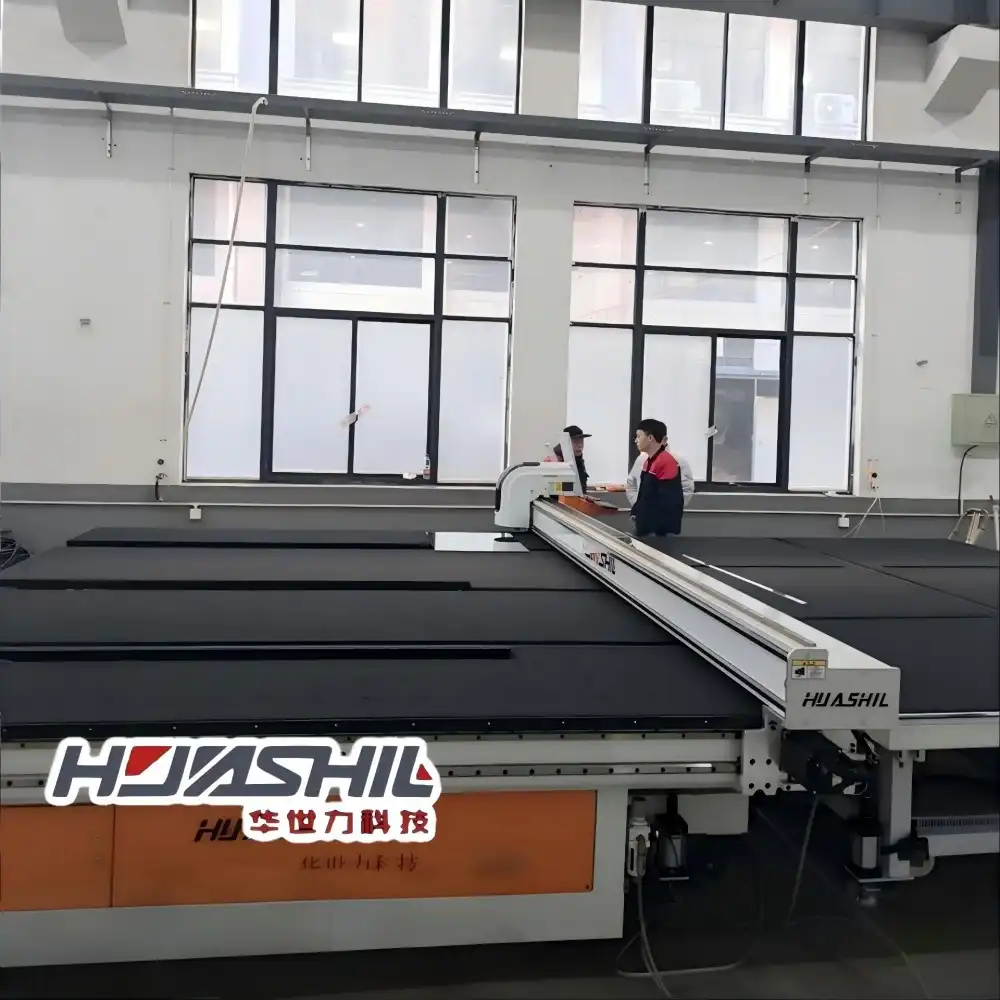
Modern glass double edging machines have state-of-the-art automation features that make a big difference by reducing the need for hands-on work and increasing consistency. The servo-controlled conveyor system makes sure that the glass moves smoothly during the whole handling cycle. This lowers the risk of damage or misalignment. These automation features allow systems to run all the time with very little help from people, making them perfect for settings where a lot of cars are made.
Key Benefits of Using Glass Double Edging Machines in Automotive Glass Production
The car business demands very high quality, and glass double edging machines offer many benefits that meet these needs. Understanding these benefits helps production managers make smart decisions and get the most out of their manufacturing processes.
Enhanced Production Efficiency and Quality
Working on both edges of a piece of glass at the same time increases the production capacity to twice that of methods that only cut one side at a time. This increase in speed means that orders can be filled more quickly and labor costs can be lowered. Automated grinding makes sure that the edge quality is always the same, so every part meets car safety standards. This lowers the rates of rejected pieces and saves a lot of material.
Modern tools can grind with amazing accuracy, giving edges great strength and smoothness. This quality improvement is especially important for car users where glass strength and safety are most important. Properly edged car glass shows better resistance to stress and changes in temperature. This helps to make the whole vehicle safer.
Cost-Effectiveness and Operational Benefits
Glass double edging machines provide long-term operational benefits in addition to instant production gains. Consistently high-quality production lowers material waste, which has a direct positive effect on earnings. Because these tools are automated, they don't need to be operated by people with a lot of experience and training. This allows businesses to use their workers more efficiently in different parts of their companies.
Critical Factors When Selecting a Glass Double Edging Machine for Automotive Use
Choosing the right glass processing tools takes a lot of thought about technical and business-related issues. The choice affects the ability to make things right away, as well as the overall efficiency and profit of the business in the long run.
Performance Specifications and Technical Requirements
For automotive glass uses, the most important measure of how well it's done is how precise the edge finish is. The machine's ability to reliably make smooth, evenly spaced edges within tight margins makes it good for car production. It is important that the processing speed can handle the amount of output needed while still keeping the quality up.
Another important factor is operational steadiness. Machines with strong grinding motors and precise control systems are more reliable when they are used continuously. The encoder-controlled method for opening and closing, combined with a servo motor conveying, makes sure that performance is always the same, no matter how big or thick the glass is.
Maintenance and Support Considerations
Effective maintenance practices directly affect how long machines last and how often they are used for production. Machines with easily put-together parts and clear maintenance plans have less downtime and a longer operational life. The ability to get technical help and spare parts is especially important for automotive suppliers who have short-notice production schedules.
Suppliers that offer comprehensive warranty coverage and quick after-sales help are more trustworthy than others in the market. When thinking about the total cost of owning the machine, these things become very important over the lifetime of its function.
Operation Best Practices and Safety in Automotive Glass Double Edging
Following the right safety rules and operational practices is necessary for the successful use of glass double edging technology. These actions make sure that the output quality doesn't change, that people who work with the machines are safe, and that the machines stay in good condition.
Pre-Operation Procedures and Setup
Before you set up a machine, you need to look at all of the grinding wheels and gear parts very carefully. Operators should make sure that servo motors respond correctly to control inputs and that systems controlled by encoders work properly. Regularly checking the mechanisms that open and close makes sure that the placement is correct across the whole range from 0.2 to 1.5 meters.
Special care must be taken when handling glass to avoid damage and make sure the person doing it is safe. When you load and remove glass, using the right way to lift things and make sure they are in the right place will keep them from breaking. To keep results the same, training programs should focus on safety and quality control.
Safety Features and Compliance Standards
Today’s glass double edging machines have multiple safety measures that protect people who use them when they grind at high speeds. Emergency stop systems can shut things down right away, and protective barriers make sure that people don't touch the moving parts by mistake. Following safety rules in the car industry ensures that processed glass meets all the needs for use in vehicles.
HUASHIL: Your Partner in Glass Double Edging Machine Solutions
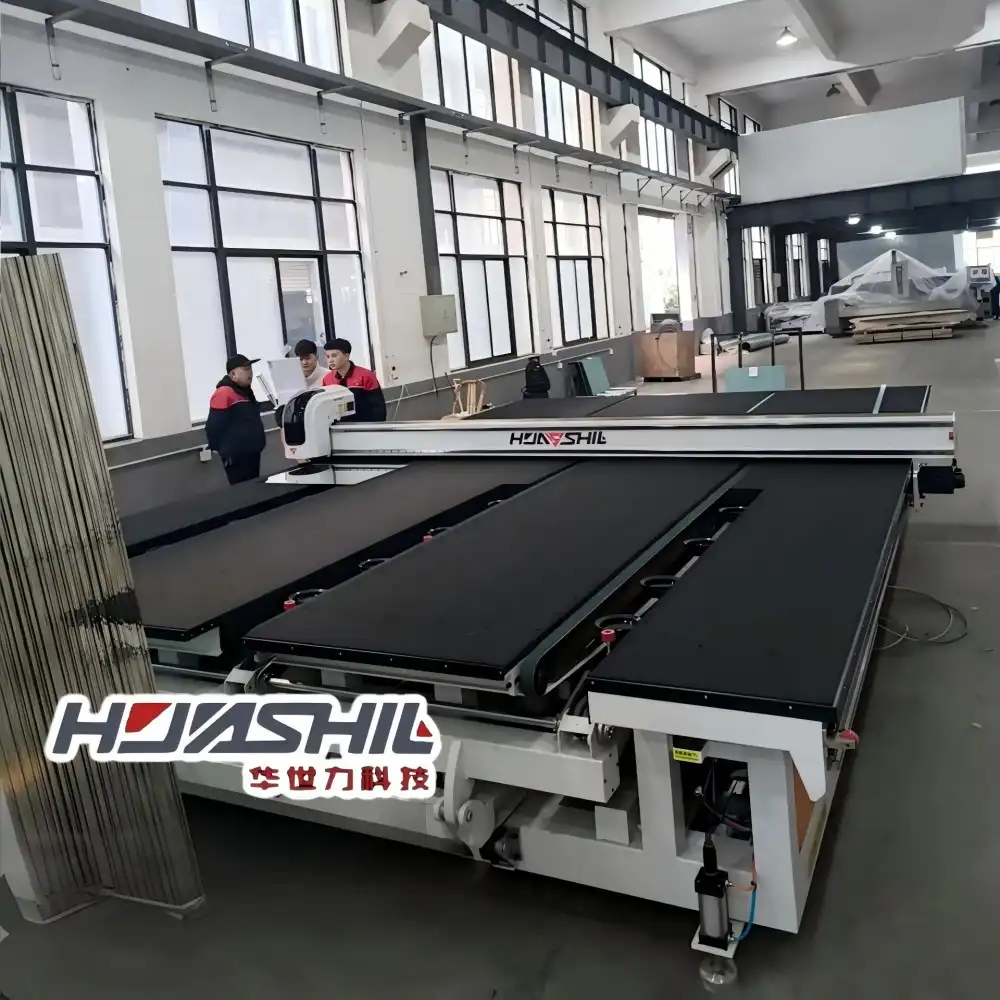
Shandong Huashil Automation Technology Co., LTD is a top maker of high-tech glass processing tools. The company's specialty is in making glass double edging machines designed for use in the car industry. We have a lot of experience making and developing automated machines, which helps us meet the needs of current automotive glass production.
Our glass double edging machines have the newest technology, like four high-performance grinding motors and dual-wheel setups for the best edge finishing. Within the 0.2-to-1.5-meter processing range, servo motor conveying mechanisms and precision encoder control systems make sure that all glass shapes get the same results. These technical features make our machines perfect for automotive glass makers who want to speed up production without lowering quality.
We help customers every step of the way, from the first meeting and choosing a machine to installation, training, and ongoing expert support. We are dedicated to helping our customers succeed, which means we do more than just deliver tools. We also make sure that your purchase of glass processing technology gets the most value for your work with automotive glass.
Conclusion
For makers of automotive glass who want better edge quality, faster production, and always meeting safety standards, glass double edging tools are a must-have technology. The ability to work on multiple things at the same time, along with advanced automation features, offer big benefits over older methods that only do one thing at a time. To choose and set up these machines correctly, you need to carefully look at the technical details, how the machines will be used, and what the suppliers are able to do. This guide explains important things that help procurement workers and production managers make smart choices that improve their automotive glass manufacturing operations.
FAQ
Q1: What distinguishes a glass double edging machine from a single-edging machine in automotive glass production?
A: A glass double edging machine simultaneously processes both edges of glass panels, effectively doubling production efficiency while ensuring consistent edge quality on both sides. This capability is particularly valuable for automotive applications where precise edge dimensions and uniform strength characteristics are critical for safety compliance.
Q2: How often should maintenance be performed on a glass double edging machine?
A: Routine maintenance schedules depend on production volume and operating conditions, but weekly inspections are recommended for high-volume automotive applications. Regular maintenance of grinding wheels, lubrication of moving components, and calibration of encoder systems ensure optimal performance and extend machine life.
Q3: What are the most important safety features to look for in these machines?
A: Essential safety features include emergency stop systems, protective barriers around grinding areas, automatic shutdown sensors, and comprehensive operator training programs. Modern machines also incorporate advanced control systems that prevent operation under unsafe conditions, protecting both operators and equipment.
Contact HUASHIL for Your Glass Double Edging Machine Requirements
Ready to enhance your automotive glass production capabilities with advanced glass double edging technology? HUASHIL offers comprehensive solutions tailored to meet your specific manufacturing requirements. Our experienced team provides detailed technical consultations, helping you select the optimal Glass Double Edging Machine supplier for your production needs. We invite you to explore our complete range of automotive glass processing equipment and discover how our advanced technology can transform your manufacturing operations. Contact us at salescathy@sdhuashil.com to discuss your project requirements and receive personalized recommendations for your automotive glass production line.
References
1. Automotive Glass Manufacturing Standards and Quality Control Procedures, Society of Automotive Engineers International, 2023.
2. Advanced Glass Processing Technology in Automotive Applications, Journal of Manufacturing Science and Engineering, Volume 145, 2022.
3. Safety Standards for Glass Edge Processing in Automotive Manufacturing, International Organization for Standardization, 2023.
4. Automation in Glass Manufacturing: Efficiency and Quality Improvements, Glass Industry Technical Review, Issue 3, 2022.
5. Cost-Benefit Analysis of Double Edging Machines in Automotive Glass Production, Manufacturing Engineering Quarterly, Volume 28, 2023.
6. Maintenance Best Practices for Industrial Glass Processing Equipment, Automotive Manufacturing Technology Journal, 2022.