




What Is a Stained Glass Cutter, and How Does It Help You Be More Creative? The stained glass cutting machine is an incredibly important new invention that changes the way that artists and glassmakers make glass art. This specialized equipment opens up a lot of artistic possibilities and makes it possible to cut glass sheets very precisely for use in buildings, cars, and decorations. By using modern automation and artistic accuracy, these machines connect the worlds of traditional handmade goods and modern production speed. This lets creators make intricate shapes and patterns that would be hard or impossible to do by hand.
Understanding Stained Glass Cutting Machines
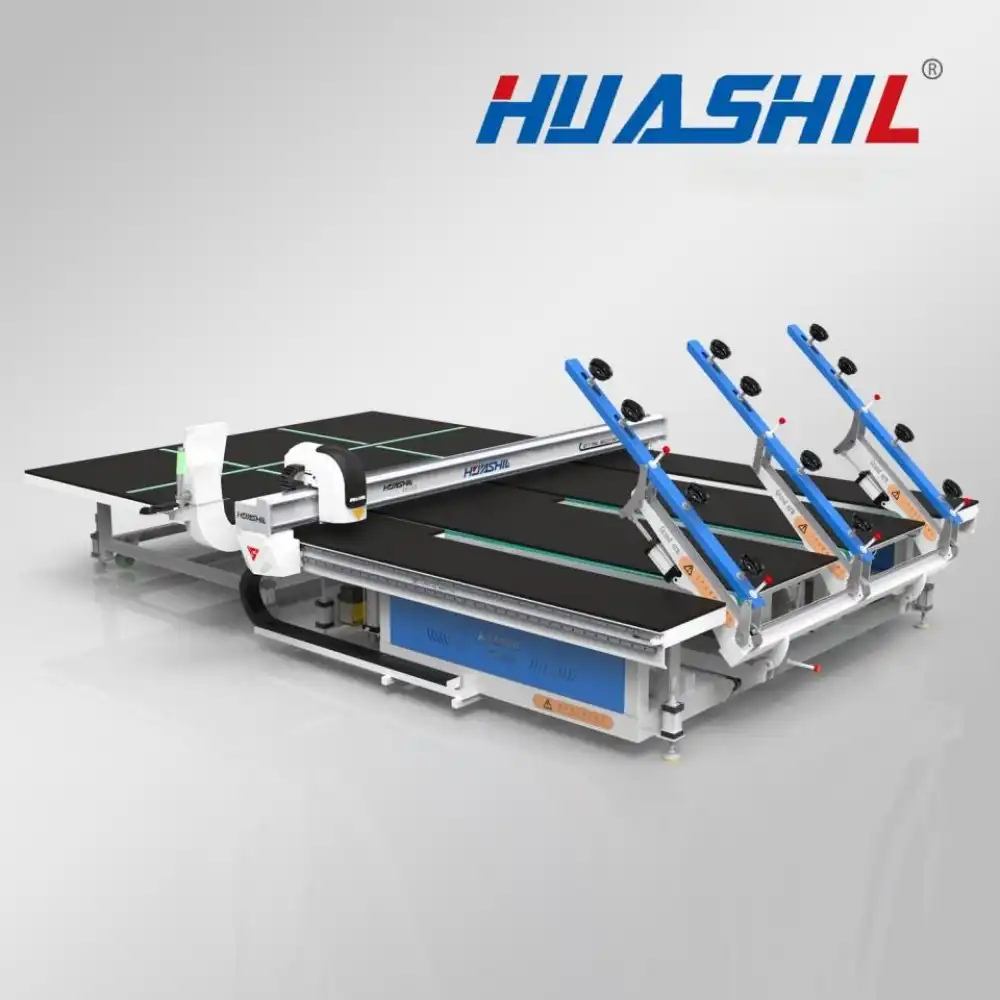
A stained glass cutting machine is an important tool that is made just for the purpose of cutting different kinds of glass materials very accurately. These complex tools use cutting methods that are more precise than the old way of cutting by hand. Regular glass cutters depend on the skill and knowledge of the person using them, but automated cutting systems always get the same results, no matter how many times they're used.
The basic idea of these tools is to control how glass surfaces are scored and broken. Today's systems use computer-controlled moves to follow set paths with cutting wheels or diamond-tipped tools. This automation makes sure that every cut meets the exact requirements. This lowers waste and raises the quality of production generally.
These tools can work with different types and thicknesses of glass, from thin art glass to thick glass used in buildings. The tool can be used with many different cutting patterns, which makes it possible to make anything from simple geometric shapes to wavy lines and other artsy designs. Advanced models have multiple cutting heads that can work at the same time. This greatly increases the production capacity while still keeping the standards of accuracy.
Digital design software makes it possible for people to upload patterns straight into the machine's control system. This feature gets rid of the need to trace patterns by hand, which lowers the chance of making mistakes when cutting. For repeat orders, pattern sets can be saved and used again, which makes sure that all production batches are the same.
Industry Challenges These Machines Address
There are a lot of problems in the glass cutting business that can be fixed with automatic glass cutters. When you cut by hand, the edge quality is often uneven, which makes things break more often and wastes a lot of material. Glass cutting is a skill that takes a lot of practice to learn. As fewer craftspeople join the field, the glass cutters who know what they're doing become less available.
Another big problem with old ways of cutting is that they are not easily scalable for production. Large building jobs that need hundreds or thousands of glass pieces that are all the same can't be done quickly by hand. Without automated help, the amount of time needed for these projects makes them impossible to do cheaply.
It gets harder to keep quality control when production numbers are high. Cutting by hand changes the dimensions, edge angles, and surface quality in ways that can't be predicted. These inconsistencies can make curtain wall systems less structurally sound or make decorative designs less pleasing to the eye.
Automated cutting solutions are also used more because of safety issues. Cutting glass by hand subjects workers to sharp edges and glass dust, and can cause injuries from having to do the same thing over and over. Automated systems make it much less common for people to be directly involved in cutting operations. This makes the workplace safer and keeps productivity high.
As the demand for custom glass goods grows, manufacturers need to be able to adapt to different needs. Traditional cutting methods have a hard time with sales of small batches or patterns that change often. Automated systems can quickly switch between different cutting programs, which makes it possible to produce both custom and standard things at a low cost.
Advanced Features and Operational Capabilities
Modern stained glass cutting machines have advanced features that make them more accurate and productive. Computer numerical control (CNC) systems are what these tools are built around; they make it possible for very exact coordination of movement across multiple axes. This technology makes sure that cutting tools follow the exact paths, which means that every time, the cuts are clean and right.
Automatic tool-changing features allow machines to switch between different cutting implements without operator intervention. Based on the type of material and the way it needs to be cut, diamond wheels, carbide cutters, and specialized scoring tools can be set to start up when they are needed. This ability to adapt makes it possible to work with different types of glass in just one production run.
Vision systems built into high-tech machines allow quality tracking in real time. Cameras take pictures of the cut pieces and compare them to the specs that they have been programmed with. Any deviations cause immediate alerts, which let operators fix problems before they affect a lot of material.
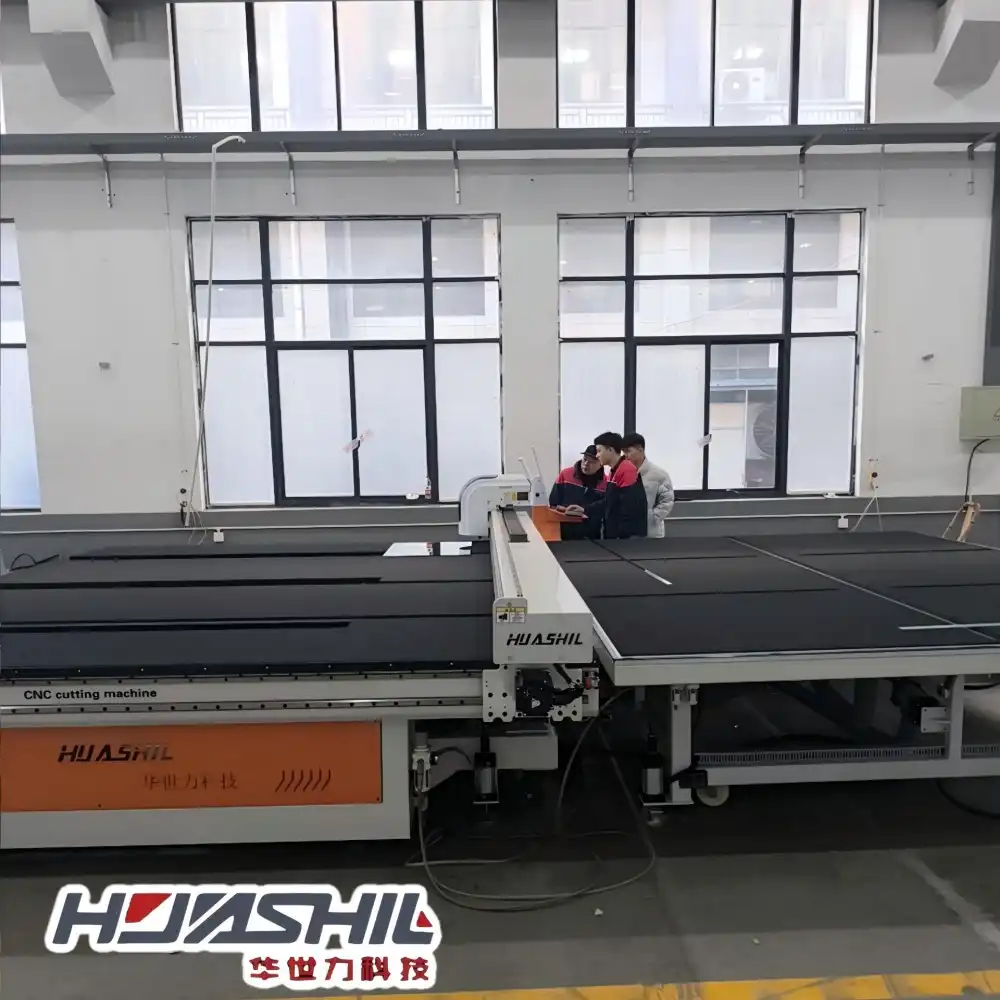
Vacuum workholding systems hold sheets of glass in place during cutting while reducing the pressure of touch. This method keeps the material from bending and lowers the risk of stress fractures. Programmable vacuum zones make sure that the holding force is evenly distributed by adjusting to different sizes and types of glass.
Automatic nesting software arranges cutting patterns to reduce waste and make the best use of materials. The computer program looks at the measurements of the glass sheets and figures out the best way to arrange the pieces that are needed. This improvement is better than doing it by hand because it saves 15–25% on materials.
Technical Innovation Behind Modern Glass Cutting
Modern glass cutting tools are based on very exact mechanical systems and advanced software that work together. Servo motor drives allow for exact control of the position, which makes cutting within 0.1mm error levels possible. These motors react right away to control signals, keeping the cutting speed the same no matter how complicated the pattern is.
A lot has changed in cutting tool technology. For example, makers have come up with special wheels and blades for different kinds of glass. Diamond-embedded cutting wheels stay sharp even after a lot of use, and carbide cutting wheels are cheap and work well for standard uses. Pressure tracking systems for tools automatically change the cutting force based on feedback from the material. This stops the scoring from being too light or too much pressure from breaking the material.
The ability to integrate software is probably the most important recent change in glass cutting technology. Architectural plans and artistic designs can be imported directly using CAD interfaces. When looking at glass grain direction, stress patterns, and the best way to cut, the software instantly creates tool paths.
It is becoming more and more common for machine learning techniques to affect how cutting is done. These systems look at past cutting data to find trends that help more projects succeed and use less material. The predictive maintenance feature keeps an eye on how much use parts get and plans replacement activities before they break down. This keeps unexpected downtime to a minimum.
Competitive Advantages and Unique Benefits
Automated glass cutting tools provide very important business benefits that change how companies operate. Companies can take bigger orders and cut shipping times because of the 300–500% increases in production speed over doing things by hand. This ability gives people access to markets that were mostly controlled by companies with larger production capabilities.
Consistency is another very important benefit. The regular size and edge quality of machine-cut glass pieces are things that hand-made methods can't match. This stability cuts down on the time it takes to put together complicated projects and gets rid of the need for long sorting and matching processes.
A major way to get more money from your business is to cut the cost of labor. Instead of having to pay a team of skilled glass cutters, one person can run several cutting machines at the same time. Operations are not as affected by workforce availability problems when there is less reliance on specialized labor.
Companies can take on tough projects with complex forms or tight tolerances when they can be flexible with how the design is carried out. Being able to cut complex patterns opens up new markets in architectural glass, art installations, and specific areas like making smart mirrors.
It is directly profitable to reduce material waste. Automated nesting optimization and exact cutting create less scrap, which lowers the cost of raw materials and waste removal. Customers who care about sustainability also like the environmental benefits of making less waste.
Quality paperwork makes it possible to see the whole history of each cut piece. This paperwork helps meet the standards for quality approval. It also makes it easy to find problems right away if they happen during the assembly or installation stages.
Limitations and Important Considerations
Even though they are useful, stained glass cutting machines have some problems that people who want to buy one should think about. The amount of money that needs to be put into a business at the start can be high, especially for expensive systems with lots of features. Companies need to make sure that they are making enough of a product to cover the cost of the tools and carefully look at the timelines for return on investment.
The level of technical knowledge needed goes beyond just knowing how to do simple things. Maintenance, writing, and troubleshooting require skilled people who know both mechanical and software systems. The cost of training and the need for ongoing education should be included in the total cost of purchase.
It's cool that machines can be flexible, but there are still limits. Very thick or specially made glass may need to be cut or shaped with custom tools or changes to machines. Some artistic methods that depend on different kinds of manual tools can't be done by machines.
Automated cutting systems usually need more space than human systems do. For material handling, upkeep, and safety, machines need clearance. Changes to the facility may be needed in order to make room for bigger pieces of equipment.
Power usage and the cost of running a machine depend on its size and how it is used. Models that save energy lower the cost of running them, but buyers should look at the total cost of ownership, which includes utilities, upkeep, and consumable supplies.
When you add new computers to a group of machines that are already being used for design work, the software might not work with all of the computers. It might be necessary to change how data is formatted or modify workflows. This could lower productivity during the transitions.
Market Position and Competitive Analysis
In the stained glass cutting machine market, several well-known makers compete at different price levels and with different amounts of power. European manufacturers have historically focused on making very precise tools that are useful for difficult architectural tasks. These tools are very expensive, but they are very accurate and reliable.
Manufacturers in Asia, especially those in China, offer good alternatives that are a great deal for businesses that operate on a medium-sized scale. Businesses such as HUASHIL Automation Technology have created advanced systems that are on par with the best in Europe in terms of quality while still being cheaper. Their attention on customer support and customization options directly meets the needs of their market.
Entry-level tools from a range of companies are used by small businesses and art studios. These systems give up some advanced features to keep costs down, which makes automation available to companies that don't have a lot of money to spend. But, they don't often have the accuracy or long-lasting quality needed for business production in high volumes.
The features of software are becoming more and more important for telling different computer systems apart. Companies that make user-friendly interfaces and all-purpose design tools get more market support. More and more, customers want cloud-based design services and popular CAD tools to work together with each other.
The level of service and support has a big impact on people's decisions about what to buy, especially when it comes to companies buying their first automated cutting system. Manufacturers who offer in-depth training, quick technical help, and easy access to spare parts build stronger ties with customers and are loved by the market.
Target Applications and Ideal User Profiles
The biggest market for automated cutting tools is architectural glass fabrication. Construction glazing contractors, window makers, and curtain wall producers need to be able to make a lot of things with steady quality. These businesses usually handle thousands of pieces each week and can't afford to have production delays or quality problems that push back building plans.
Cutting technology helps furniture makers who work with glass a lot in a big way. For successful assembly operations, cabinet door makers, glass table producers, and shower door producers need clean sides and exact measurements. Being able to cut complex shapes opens up new ways to design that make their goods stand out in competitive markets.
When making automotive glass, companies use special cutting tools that are made to work with complex shapes and curves. These uses require extreme precision because safety standards don't allow any mistakes in size. The car industry's focus on lean manufacturing also values the ability of automated systems to produce less waste.
Architectural glass artists and art glass studios are using the stained glass cutting machine more and more to help them be more creative. These people care about being able to make patterns with a lot of different kinds of details and being able to make copies of designs that worked in the past. Artists can now focus on finishing methods and design development instead of cutting things over and over because of the time savings.
Smart mirror makers are part of a new market segment that has special needs. These uses often include complicated shapes, exact cutouts for electrical parts, and small dimensional tolerances. Automated cutting systems make it possible to mass-produce smart mirrors that can be sold economically.
Conclusion
Stained glass cutting tools are a groundbreaking technology that combines the art of making things by hand with the efficiency of modern manufacturing. These advanced systems help the glass industry with big problems and also create new artistic opportunities for artists and makers of glass. Automated cutting is an important feature for businesses that want to get ahead in today's market because it is precise, productive, and adaptable.
Improvements in software integration, automation of material handling, and cutting capabilities for exotic glass compositions are expected to be the focus of future developments. As smart manufacturing ideas change, these machines will be more connected and driven by data. They will give information in real time that makes production more efficient and predicts when repair needs to happen.
FAQ
Q1: What kinds of glass can be cut with an automatic stained glass cutting machine?
A: Today’s cutting machines can handle many different kinds of glass, such as normal float glass, tempered glass, laminated glass, low-E coated glass, and specialty art glass. It usually depends on the machine, and the thickness can be anywhere from 3mm to 25mm. With the right changes made to the tools that they use, some systems can also cut and shape other materials, like plastic and polycarbonate sheets.
Q2: How much room do you need to set up a stained glass cutting machine?
A: The amount of space needed depends on how big the machine is and how it is set up. Compact systems that would work in a small shop might need 4m x 3m of floor space, but some big industrial tools can need 15m x 8m or more. Extra room is needed to store materials, move finished pieces, and get to the tools that need to be fixed. Also, most sites need to be able to breathe and have access to electricity.
Q3: How long does it usually take to make back the money you spent on automatic glass cutting tools?
A: ROI timelines rely on how much is made, how much workers are paid, and how much is saved on materials. Most businesses have payback times of 18 to 36 months. High-volume businesses may achieve ROI within 12 months through higher output and less waste. When you think about the better quality and more market possibilities that automated cutting makes possible, the investment looks like a better deal.
Transform Your Glass Production with HUASHIL Cutting Solutions
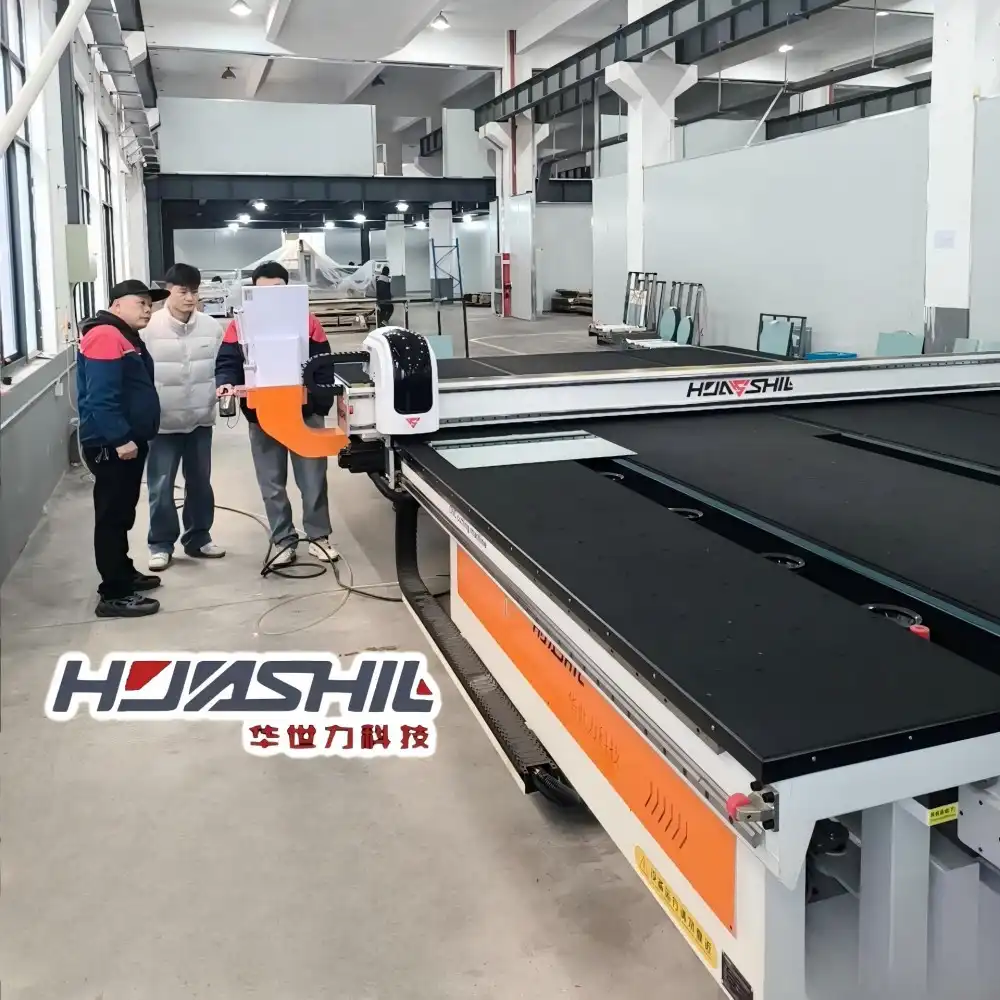
HUASHIL Automation Technology delivers cutting-edge stained glass cutting machine solutions that revolutionize manufacturing operations across diverse industries. Our comprehensive equipment lineup addresses the specific needs of architectural glass fabricators, furniture manufacturers, and decorative glass producers seeking to enhance production efficiency and quality consistency.
Our automated cutting systems incorporate advanced CNC technology with user-friendly software interfaces, enabling precise pattern execution while minimizing operator training requirements. The machines accommodate various glass thicknesses and compositions, from delicate art glass to robust architectural panels. Customization capabilities ensure that each system meets specific production requirements and facility constraints.
As a leading stained glass cutting machine manufacturer, HUASHIL provides comprehensive support throughout the equipment lifecycle. Our engineering team collaborates with customers to optimize machine configurations for specific applications. Installation services include thorough operator training and process optimization to ensure immediate productivity gains.
Quality assurance remains paramount in our manufacturing processes. Each machine undergoes rigorous testing before shipment, and our quality control systems ensure consistent performance across all production units. Extended warranty coverage and responsive technical support minimize downtime risks and protect equipment investments.
Ready to transform your glass cutting operations? Our experienced team stands ready to discuss how HUASHIL automation solutions can address your specific production challenges and growth objectives. Contact us at salescathy@sdhuashil.com to schedule a consultation and discover how our cutting-edge technology can enhance your manufacturing capabilities.
References
1. Glass Manufacturing Industry Council. "Automation Trends in Architectural Glass Production." Glass Technology Quarterly, Vol. 15, No. 3, 2023.
2. Morrison, James R. "Precision Cutting Technologies for Modern Glass Fabrication." Journal of Glass Engineering, Issue 42, 2023.
3. International Glass Association. "Safety and Efficiency in Automated Glass Processing." Annual Safety Report, 2023.
4. Chen, Li Wei. "CNC Technology Applications in Stained Glass Manufacturing." Advanced Manufacturing Review, Vol. 28, No. 7, 2023.
5. European Glass Technology Institute. "Quality Control Systems in Automated Glass Cutting Operations." Technical Bulletin 156, 2023.
6. Williams, Sarah K. "Economic Impact of Glass Cutting Automation in Small to Medium Enterprises." Industrial Economics Journal, Spring 2023.