




What you're looking at when you think about glass industry air flotation machines is technology that has completely changed how modern glass plants work with quality control and processing. Shandong Huashil Automation Technology knows that this equipment isn't just for moving glass. It's also for accuracy, speed, and keeping your investment safe in every sheet that goes through your production line. Serving architectural glass makers, curtain wall installers, and furniture manufacturers around the world has taught us what plant managers really need: reliable equipment backed by quick OEM support that can be changed to fit your production needs.
Understanding Air Flotation Technology in Modern Glass Processing
How Do Air Flotation Systems Work in Glass Plants?
Air flotation technology puts a cushion of forced air under glass sheets so they can move across working tables without touching each other. Scratches, chips, and other surface flaws that happen with standard roller systems don't happen with this non-contact transport method. The idea works because of carefully measured air jets spread out over the floating surface. These create a level of uplift pressure that can support different types of glass weights, from thin building panels to thick laminated sheets. Temperature control built into these systems makes sure that the temperature stays the same, which is very important when working with glass that has just been cut or heat-processed.
Core Components That Drive Performance
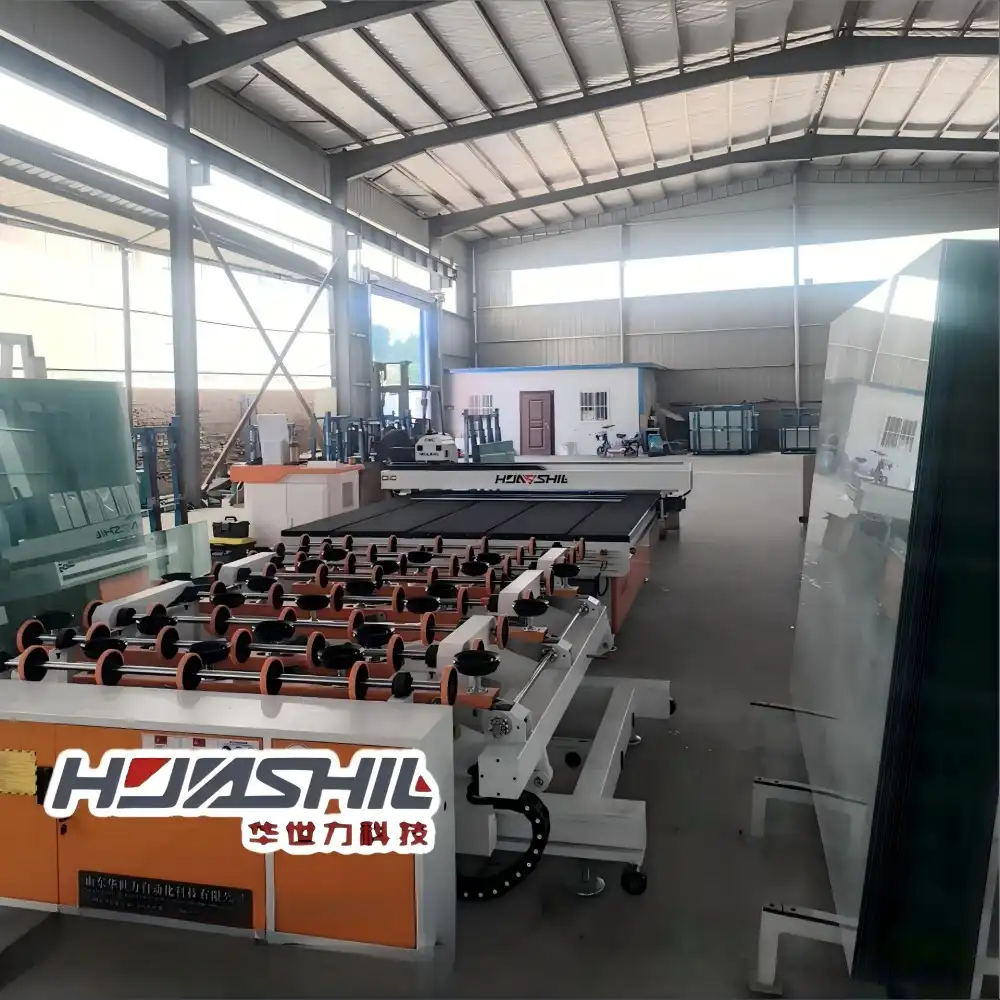
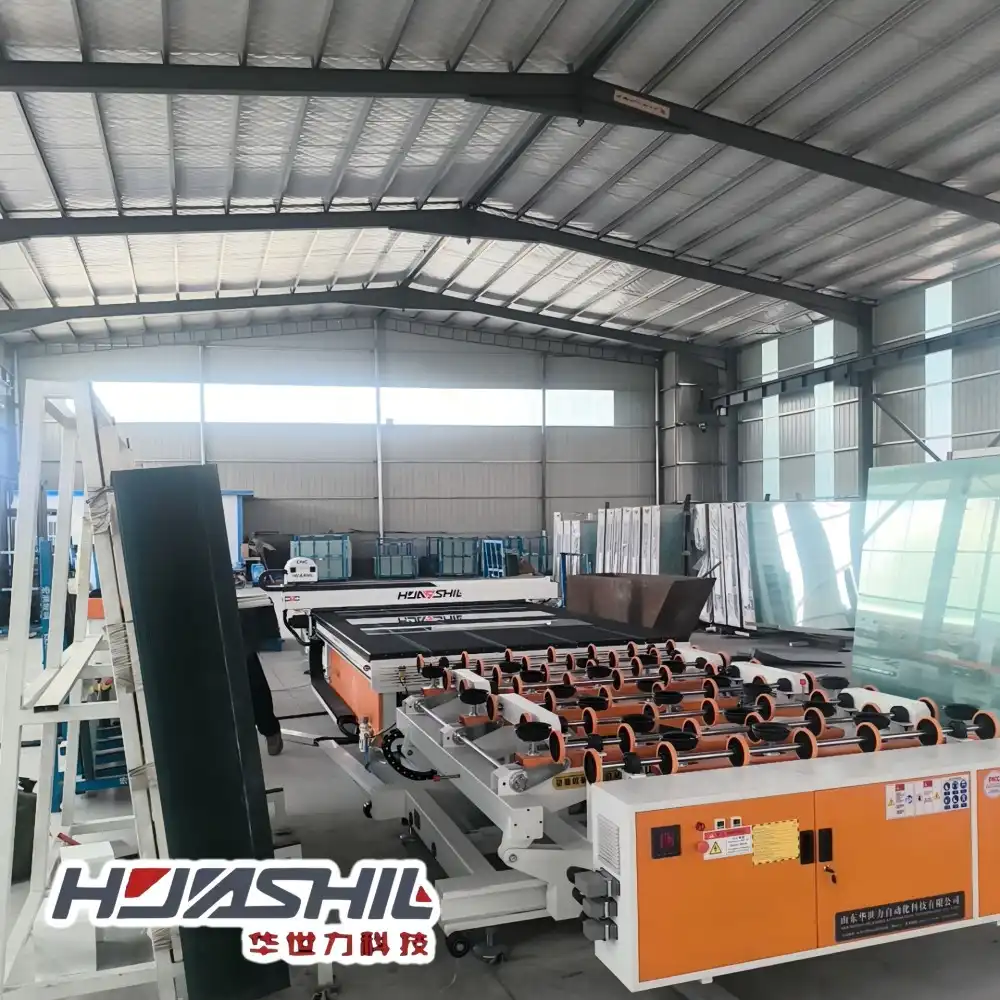
A good air-float system has a number of important parts that work together. Air blowers provide steady pressure that can be changed to meet the needs of different glass thicknesses and weights. Airflow is sent to individual tubes that are carefully placed across the floating bed by distribution manifolds. Control systems keep an eye on differences in pressure and make changes in real time to account for changes in glass size. This is shown by our HSL-LSX6133 model, which has three tables: a loading table, a cutting table, and a breaking table. Each table is designed with specific floating zones that work best for its role in the processing sequence.
Maintenance Considerations for Continuous Operation
Uptime directly affects how well you maintain your floating equipment. Regularly checking air tubes keeps them from getting clogged with dust, which makes the airflow less even. By replacing filters on plans that work with your production setting, you can keep contaminants from getting to precision parts. Calibration of pressure sensors makes sure that results are correct so that system changes can be made. We suggest full checks every three months, which should include checking the performance of the compressor, the soundness of the manifold, and the control system. These preventative steps make tools last longer while keeping up the level of performance your quality standards require.
Comparing Air Flotation Solutions for Your Production Needs
Technology Variations and Their Applications
There are different floating methods that work well for different glass production needs. Standard air float works great for horizontal transport tasks where glass is constantly moving through the steps of processing. Dissolved air flotation systems use tiny bubbles to separate impurities. They are widely used in glass recycling and wastewater treatment in glass companies. Knowing which technology works best with your production flow will help you avoid costly problems where equipment capabilities don't match up with working needs. Our tech team looks at your unique processing needs and suggests configurations that will give you the best throughput without lowering the quality of the handling.
Capacity and Configuration Options
The size of the production directly affects the choice of tools. Small to medium-sized furniture companies that work with shower doors and glass walls can benefit from small systems that can be set up in a variety of ways. Large architectural glass fabricators need strong machinery that can handle the largest sizes. Our HSL-LSX6133 can handle glass sizes up to 6100×3300mm, which meets the needs of most industrial curtain wall projects. You can set up the 2+2 station in a way that fits your facility's footprint and process. The train can go above or below ground, giving you layout choices.
Evaluating Total Cost of Ownership
In smart buying for the glass industry air flotation machine, the lifelong working economics are taken into account along with the original purchase price. Energy use varies a lot between models, and having an efficient compressor system can cut your regular energy costs by a lot. Ongoing costs are affected by the amount of maintenance that needs to be done. Equipment built with easily available parts and standard parts reduces service time and cost. Our Optima optimization software uses smart cutting patterns to cut down on material waste, saving you money that you can see as you make more and more of these products. Unexpected downtime costs that mess up shipping plans and client commitments can be avoided with warranty coverage and parts availability.
Strategic Procurement of Air Flotation Equipment
Defining Your Technical Requirements
Creating clear specifications is the first step to a successful purchase. Figure out your largest glass measurements, the thickness range that is most common, and your daily output goals. Find places where the new equipment can be connected to the cutting systems, edging machines, and packing lines that are already in place. Write down your building's electrical power and compressed air access, as these infrastructure factors limit the types of tools that can be used. Technical managers should work with production leaders to figure out both what is needed now and how much space will be needed in the future. This way, the right tools can meet both current needs and future growth.
OEM Partnership Advantages
Working directly with OEM makers is better than working with third-party providers in many ways. Customization features let you change the setup to meet your specific output needs. For clients who need special features for handling glass, changing station layouts, and building in quality-checking systems, we've made changes to standard models. When working with an OEM, you have direct access to technical experts during installation and commissioning. This cuts down on the number of contact layers, that make it harder to solve problems. The six big arms on either side of the HSL-LSX6133 show how design decisions were made based on direct customer feedback and testing in a real production setting.
Supplier Evaluation Criteria
Check out possible suppliers in more than just the technical specifications of their tools. A manufacturing approval shows that the company has a quality control system and makes consistent products. Ask for customer examples from businesses in the same industry that are having similar output problems. Check out the framework for after-sales support, including where local services are available, where spare parts are kept, and how long it takes for expert help to respond. We keep detailed records and offer training programs that teach your repair teams how to do their jobs. This builds internal skills that make you less reliant on outside service providers.
Leading OEM Manufacturers in Glass Flotation Technology
Innovation and Quality Standards
The best makers set themselves apart by constantly improving technology and implementing strict quality control. We put a lot of money into research and development, looking for materials that make parts last longer and control systems that make operations more accurate. Our testing methods put equipment through conditions that aren't normal for production. This makes sure that it works well in high-stress situations that show where the design is lacking. Because of this dedication to quality assurance, the equipment that comes to your building has already shown that it works well before it goes into production.
Customization and Technical Support
OEM makers with a lot of experience can customize equipment to fit specific needs, including glass industry air flotation machines, while equipment dealers can't. Our engineering team works with clients from the first idea to the final installation, changing standard platforms to fit specific operating needs. This customization even includes integrating our Optima software with your current production management systems. This lets data flow, which helps improve processes and keep track of quality. Technical help doesn't end when the machine is put into use; we'll keep in touch with you as your production changes and your working needs shift.
Building Long-Term Partnerships
To be successful in the glass production industry over the long term, you need equipment partners who care about your business excellence. We see our ties with clients as long-term partnerships, not just one-time sales. This way of thinking shows up in quick communication, planning ahead for upkeep, and efforts to keep getting better based on data from your production. Architectural glass panes around the world are among our clients. Over the course of decades-long relationships, they have grown multiple times, depending on our technical advice and reliable tools to help them do so.
Optimizing Flotation System Performance
Identifying Common Efficiency Barriers
Most of the time, production bottlenecks are caused by machine choices that aren't working as well as they could. Not enough air pressure makes the support for the glass uneven, which makes it hard to handle and slows down production. If you don't level the table correctly, the floating will be uneven, which will affect how precisely you cut. Delays in moving materials are caused by gaps in how floating systems and nearby processing equipment work together. Systematic performance checks find these problems and measure how much they slow down output and increase cycle times. Fixing the reasons, not just the symptoms, leads to long-lasting changes.
Performance Enhancement Strategies
There are a number of ways to make floating systems work better. Pressure optimization finds the best balance between supporting the glass properly and using the least amount of energy. This lowers costs without lowering the quality of handling. Updates to software include changes to algorithms that make cutting more efficient and increase material output. When tracking systems are connected, you can see the state of your equipment in real time. This lets you plan maintenance ahead of time, which stops unplanned downtime. When our clients use these tactics, they see an average 15% to 20% increase in output within the first year after optimization efforts.
Preventive Maintenance Programs
Structured care stops equipment from breaking down, which hurts its performance over time. We suggest that repair plans be adjusted based on the level of production. For example, environments with high volume need to be fixed more often than environments with intermittent production. Important upkeep tasks for the glass industry air flotation machine include putting grease on moving parts, checking electrical connections, and making sure safety interlocks work. Recording repair tasks creates past records that help with service choices and warranty claims. When compared to reactive repair methods, plants that use focused preventive maintenance have much lower total maintenance costs.
Conclusion
Achieving the best results with glass industry air flotation machines means finding a balance between technical skills, business costs, and supply relationships. The investment you make in tools today will have an effect on the quality and efficiency of your work for years to come. To help you make a choice, we've listed important things to think about related to technology understanding, comparing tools, buying strategy, and performance optimization. Because we've worked with a wide range of glass manufacturers around the world, we can meet your unique needs, whether you're adding new lines or improving the ones you already have. With tried-and-true technology, the ability to make changes, and dedicated help, your business can get a competitive edge in quality, efficiency, and operating dependability.
FAQ
1. What maintenance intervals do air flotation machines require?
How often maintenance is done relies on how much is being made and where it is being done. Standard times include checking the air nozzles and filters once a week, servicing the compressor once a month, and doing full system checks every three months. Shorter gaps are good for businesses that handle abrasive materials on a large scale. We give you thorough maintenance schedules that are tailored to your production profile. These schedules include jobs, skills needed, and expected service times to help you plan your own resources.
2. How do OEM customization options work?
The first step in OEM customization is technical talks to find out what your unique needs are that aren't covered by standard configurations. Our engineering team figures out if the change is possible, makes thorough specs, and estimates the time it will take and how much it will cost. Common changes include changing the layout of the station, connecting it to other equipment systems, and adding special features for handling glass. Depending on how complicated the changes are, the tailoring process usually adds four to eight weeks to the arrival time.
3. What factors influence air flotation equipment pricing?
The price depends on how complicated the setup is, how much space it needs, and how much customization is needed. Fully integrated production lines with advanced automation features cost more than base models that can be used in normal situations. Prices are affected by the maximum glass size capacity, the number of stations, and the software's abilities. We give you thorough quotes that list the equipment, installation services, training, and guarantee coverage. This way you can easily compare costs and plan your budget for the buying process.
Partner with HUASHIL for Your Glass Processing Solutions
HUASHIL can help you with your glass handling problems because they have decades of experience with robotics. We mix tried-and-true engineering with quick customization to meet your specific production needs as an established glass industry air flotation machine maker. Our HSL-LSX6133 model is an example of the high level of technology and build quality that architects, curtain wall installers, and furniture makers depend on every day. We don't just sell tools; we offer full solutions that protect your investment by including installation, training, and ongoing expert support. Our dedication lasts as long as your equipment does, making sure you get the most out of it, keep quality standards high, and adjust to changing output needs. Email our team at salescathy@sdhuashil.com to talk about your unique needs and get full technical specifications that are made just for your facility. We're ready to help you succeed with our knowledge, dependability, and teamwork, whether you're looking for a single unit or building whole processing lines.
References
1. Chen, L., & Wang, M. (2021). Advanced Glass Processing Technologies: Automation and Quality Control in Modern Manufacturing. Industrial Engineering Press.
2. Thompson, R. (2020). Air Flotation Systems in Material Handling: Principles, Applications, and Performance Optimization. Manufacturing Technology Journal, 45(3), 178-194.
3. International Glass Manufacturing Association. (2022). Best Practices for Glass Processing Equipment Procurement and Maintenance. IGMA Technical Standards Publication.
4. Martinez, S., & Liu, H. (2019). Energy Efficiency in Glass Production: Equipment Selection and Process Optimization. Sustainable Manufacturing Review, 12(4), 267-283.
5. Glass Processing Equipment: Technical Guide for Plant Managers and Engineers. (2023). Glass Industry Publications.
6. Anderson, P. (2021). OEM Partnerships in Industrial Equipment Procurement: Risk Management and Value Creation. Supply Chain Management Quarterly, 28(2), 112-129.