




Finding a machine that moves glass from A to B isn't the only thing you need to do to find the right glass sheet loader. It's about spending money on tech that keeps your workers safe, cuts down on downtime, and can grow as your business does. The loader you choose affects safety, productivity, and, in the end, your bottom line, whether you run an artistic glass plant, a curtain wall fabrication facility, or a furniture manufacturing operation. A well-matched automatic filling system cuts down on mistakes made by hand, lowers the number of broken items, and works well with cutting tables and edging lines. Many production managers and engineers around the world have told us the same thing: the right driver changes their process, while the wrong one costs a lot and slows things down.
Understanding Glass Sheet Loaders and Their Role in Your Plant
What Is a Glass Sheet Loader?
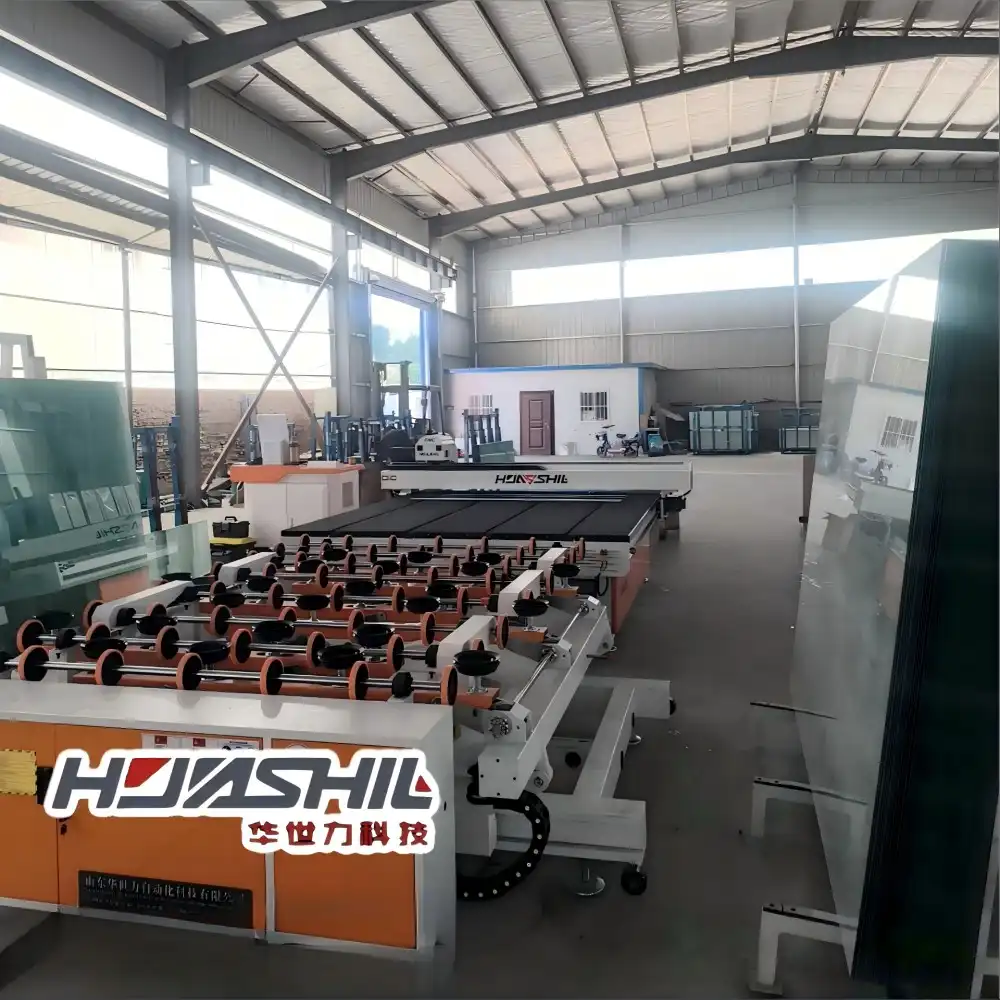
An automated or semi-automated glass sheet loader is a machine that safely moves, handles, and positions big sheets of glass in processing facilities. These methods get rid of the physical stress and danger that come with handling glass by hand, especially when dealing with large architectural or automobile glass pieces. These days, loaders have customizable controls, vacuum suction systems, and conveyor lines that work with tools like cutting tables and edging machines that are further down the line.
Types of Loading Systems Available
Automated loaders use sensors and software to figure out the size and placement of the glass and do the whole loading process without any help from a human. Semi-automated models need help from an operator to place them at first, but they do the transfer process automatically. Manual-assist lifters help move sheets into place while the workers guide them. Your choice will rely on how much you're producing, how much money you have, and what kind of automation systems are already in place at your location.
Core Operational Mechanisms
Most modern loaders have air float systems that put a thin layer of air under the glass sheets. This lets workers move heavy panels with almost no damage to the sheets. Synchronous belt conveyors make sure that movement is smooth and free of vibrations, which is important for keeping the purity of the glass. Automatic edge finding technology finds the edges of sheets and lines them up perfectly with equipment for cutting or processing. This gets rid of the need for guessing and setup time that slows down production lines.
Tangible Benefits for Manufacturing Operations
When big glass handling is done by machines instead of people, workplace safety goes up by a huge amount. Breakage rates usually drop by 30 to 40 percent in the first three months after adoption. This cuts down on material waste and the cost of doing work again. As loading processes become more regular and reliable, production speeds go up. Some plants saw throughput gains of 25% after switching from manual to automated loading. These changes mean that orders will be filled faster and the company will be better positioned to compete.
Key Factors to Consider When Choosing a Glass Sheet Loader
Assessing Your Production Requirements
First, look at the standard sizes and weights of your glasses. Standard home window glass won't fit in a glass sheet loader made for jumbo architectural pieces that are 3660×2800mm. It doesn't matter how much you make—high-throughput curtain wall makers need different tools than handmade furniture shops that use 20 sheets of paper every day. Also, write down the types of materials you're using. For example, hardened glass, laminated panels, and low-E covered sheets all have different handling issues that can be solved by different loader features.
Performance Metrics That Matter
The maximum weight that your machine can safely hold is called its weight limit. Going over the stated capacity speeds up the wear and tear on mechanical parts and causes safety risks. Cycle time is affected by operational speed. For small businesses, a loader that can handle 8–10 sheets per hour is fine, but for big companies, it needs to be able to handle 20 sheets or more. In places with limited floor space, the size of the base is very important; small designs with vertical loading setups work best in these places.
Compatibility With Existing Machinery
Cutting tables, edging systems, and production execution tools must be able to talk to your new loader well. Equipment that uses old control methods might need expensive switches or code that is made just for it. The HSL-YTJ3829 model works with Optima optimization software, which lets data from systems that load, cut, and handle goods flow easily between them. This connection lets you watch the production in real time and cuts down on setup mistakes caused by entering data by hand.
Durability and Maintenance Considerations
In places where glass is processed industrially, equipment is constantly under mechanical stress, dust, and changes in temperature. A strong building with high-quality parts increases service life and lowers unexpected downtime. Accessibility for maintenance is also important—loaders that need special tools or a lot of removal for regular service have higher long-term costs. Look for styles that have clear care instructions and wear parts that are easy to get to.
Safety Standards and Regulatory Compliance
Getting CE approval shows that a product meets European safety and performance standards, which is important for doing business or selling things in other countries. If a company has ISO 9001 approval, it means they use quality management systems during both the planning and production processes. OSHA compliance makes sure that the equipment meets safety standards for the U.S. workplace. Safety interlocks, protective guarding, and emergency stop devices aren't extras; they're basic standards that keep workers safe and limit their liability exposure.
Comparing Different Types and Models of Glass Sheet Loaders
Automated Versus Semi-Automated Systems
Fully automatic movers are worth the extra money they cost at first in places with a lot of work that needs to be done quickly. Plants that process more than 100 sheets of paper every day usually get their money back in 18 to 24 months. Semi-automated systems are good for businesses that have flexible production plans or limited budgets. They are safer and more efficient than human handling and don't cost as much. The choice depends on how consistently you produce and how much money you have on hand.
Emerging Features for Enhanced Performance
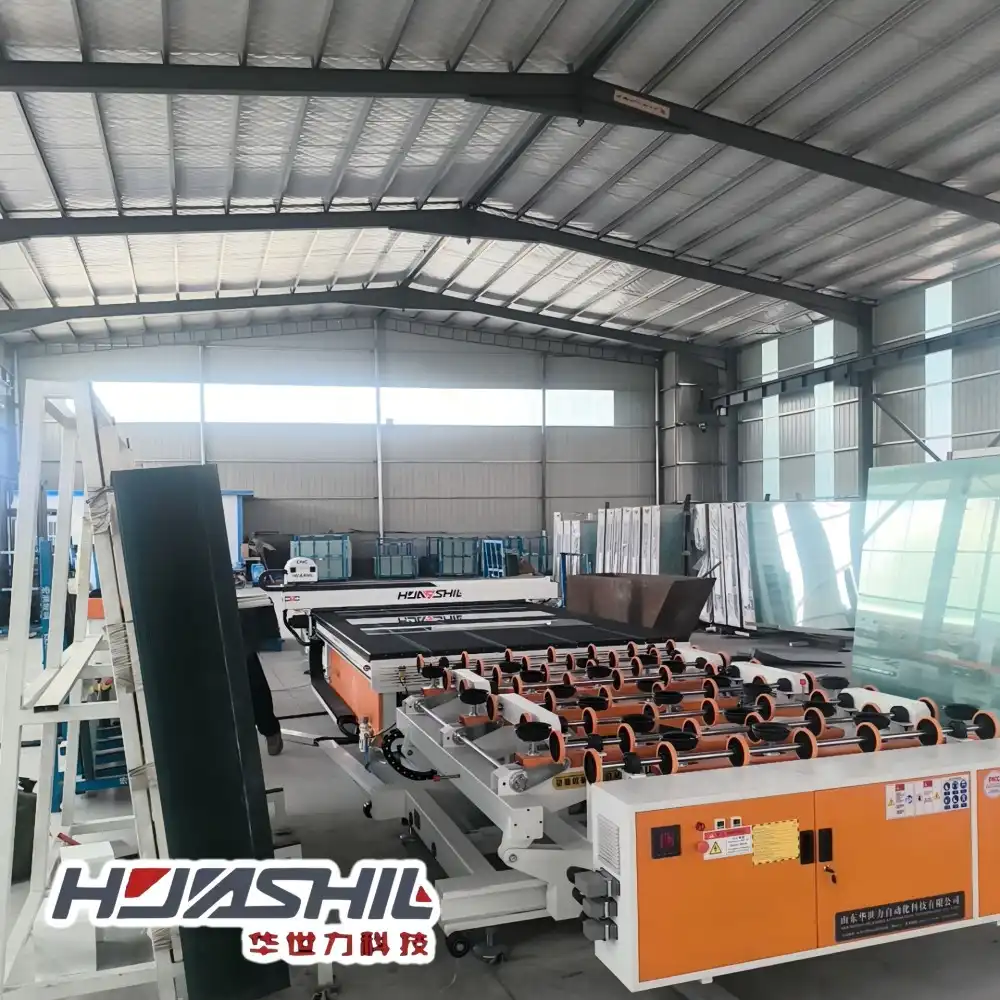
Now, smart devices automatically check the thickness, type of coating, and state of the glass's surface, changing the way it is handled to avoid damage. Advanced software integration lets predictive maintenance alerts go off, letting workers know before a part fails and shuts down the system. With remote control features like the 360-degree wireless operation in our HSL-YTJ3829, workers can handle loading from the safest and most accurate positions. Air-floating devices have improved over time so that they use less compressed air while still protecting the surface better.
Industry-Specific Recommendations
Glass sheet loaders that can handle sheets that are too big (up to 3660 mm) and work closely with cutting optimization software are most useful for architectural glass makers. When making shaped windshields and side glass for cars, makers put a lot of emphasis on precise placement and gentle handling. Furniture makers often need tools that can handle a range of forms and smaller production runs. The HSL-YTJ3829 can meet all of these needs thanks to its thickness range of 2–19 mm and automatic pressure control that can handle different types of glass.
Evaluating Value and Return on Investment
Don't just look at the buying price; also look at the total cost of ownership. Lifetime costs go up for equipment that needs to be fixed often, uses a lot of energy, or needs special upkeep. Figure out how much work you could save. In North American plants, replacing two manual handlers with automatic loading systems often saves $80,000 to $100,000 a year. Breakage reduction is important; reducing waste by 3–5% pays for many trucks in just three years. When comparing how reliable different providers are, write down the costs of downtime.
Installation, Maintenance, and Troubleshooting Essentials
Pre-Installation Planning and Setup
Before the equipment arrives, do a full site assessment by checking the levelness of the floor, the power source, and the compressed air capacity. Make sure that the power needs of the truck are met by your building's electrical service. Plan the flow of materials so that there is enough room for people to work with glass and do upkeep. During the quote phase, most makers send you foundation plans and utility specs. Carefully go over these with your facilities team to avoid costly mistakes during installation.
Integration Best Practices
Plan when the installation will happen around the production plans to avoid too much downtime. Set aside a cross-functional team with safety staff, production managers, and repair technicians to go through training from the manufacturer. For future use, write down custom settings and integration spots. Before starting full production, test runs should be done with different sizes and thicknesses of glass. This step of validation finds areas that need to be adjusted and boosts operator trust.
Preventive Maintenance Protocols
Set up a maintenance plan that includes daily checks, weekly greasing, monthly checks of all the parts, and full reviews every three months. Checking the stability of the suction cups, the tension of the belts, and the safety stops are all things that need to be done every day. As part of weekly maintenance, air filtering systems are checked, and moving parts are oiled. Every month, the state of the bearings, the calibration of the sensors, and the electrical links are checked. Deep repair done every three months, includes full checks for balance and replacement of worn parts before they break.
Common Issues and Practical Solutions
Inconsistent suction is usually a sign of clogged filters or old vacuum cups, both of which can be fixed quickly if you have the right extra parts on hand. Positioning mistakes are usually caused by sensors that aren't lined up right or that are dirty. Most of the time, cleaning the sensor lenses and recalibrating them fixes the problem. There is too much stress on the belt, so it needs to be adjusted or replaced because it is worn out. Keep thorough service logs that record problems and how they were fixed; trends can often show you what the real problems are before they cause big failures. When problems get too big for the company to handle, having the supplier's technical help contact information on hand cuts down on downtime.
Procurement Considerations and Supplier Selection
Verifying Manufacturer Credentials
Find out about a possible supplier's past of making things; their experience with exporting; and their customer references, especially for a glass sheet loader. Companies with track records and multiple foreign certifications, like Shandong Huashil Automation Technology, are safer to buy from than sellers you don't know much about. Ask for case studies from sites that are like yours—fabrication plants that make the same amount of glass and use the same types. Make sure the maker keeps enough spare parts in stock and has a good technical help system in your area.
Understanding Warranty and Support Terms
Standard 12- to 18-month guarantees cover problems with the way the product was made, but make sure you know what's covered. Does coverage cover fixes done on-site, or does the equipment have to be sent back? Are parts that run out, like vacuum cups and belts, included? Technical help response time has a big impact on how long downtime lasts, so make sure the company offers English-language support during business hours. Longer guarantees and preventative maintenance contracts can save a business a lot of money in situations where downtime costs a lot.
Navigating International Transactions
Letter of credit rules protect both parties when they buy tools from another country. Usually, a 30% deposit is required to secure the order, 60% is due before the shipment, and 10% is kept after the installation and tests are complete and successful. Make it clear who is responsible for shipping, insurance, clearing customs, and paying import taxes. Experienced providers like Huashil offer full paperwork to help with customs clearance and advice on the best ways to ship goods so that they arrive on time and at the lowest cost.
Customization and Bulk Purchasing Advantages
Custom designs that change loaders to fit specific production needs or limitations of the building usually don't add much to the cost of making them in the first place. Talk to suppliers about your unique needs early on in the procurement process. They may have ideas for answers you hadn't thought of. When you buy more than one machine, you can usually get bulk discounts of 5 to 15%, based on the size of your order. Using a single supplier makes it easier to keep track of spare parts, teach technicians, and do repairs across your whole building.

Conclusion
Choosing the right glass sheet loader can have a big impact on your plant's safety, efficiency, quality, and ability to make money. To make the choice, you have to weigh technical requirements against operational needs, look at the total cost of ownership, and work with suppliers who can provide solid help for the life of your equipment. For major glassmakers, the current standard is automated systems like the HSL-YTJ3829, which can cut glass, protect against air flotation, and be controlled from a distance. Your investment should match the amount of glass you normally make, fit the size of your glass, and work well with the tools you already have. Taking the time to carefully consider needs, weigh choices, and check the credentials of suppliers pays off over time in the form of less downtime, lower costs, and better working conditions.
FAQ
1. How long do glass sheet loaders typically last?
Glass sheet loaders made by reputable companies last between 10 and 15 years if they are properly maintained. Service life rests a lot on how much is produced, how well it is maintained, and where it is used. When planned preventive maintenance is done on facilities that process 50 to 75 sheets of paper every day, they often outperform what the maker predicted. On the other hand, when routine maintenance is ignored, parts break down before they should. Investing in strong buildings and keeping detailed repair records will help equipment last as long as possible.
2. What capacity loader does my plant need?
Match the loader's size to your biggest normal production runs, plus an extra 20% to give yourself room to move. If a company mostly works with sheets that are 2440x1830mm but sometimes gets orders for sheets that are 3300x2440mm, it needs tools that can handle that size. Weight capacity is just as important as size—figure it out using your largest glass at its biggest size. Most building and car uses are good for the HSL-YTJ3829, which can handle sheets that are 3660mm x 2800mm and 2mm to 19mm thick.
3. Are financing options available for equipment purchases?
A lot of suppliers work with companies that rent out equipment and offer terms between 36 and 60 months. This turns big capital purchases into reasonable running costs. For long-term customers, some makers offer payment plans with delayed dates. Regional development agencies sometimes pay for investments in technology that help create jobs or make manufacturers more competitive. When you look at different ways to finance something, you often find choices that weren't obvious at first glance with standard capital budgeting.
Partner With HUASHIL for Your Glass Loading Solutions
Choose an automatic glass sheet loader carefully because it is a big investment that needs professional help and advice. Shandong Huashil Automation Technology has been making glass processing equipment for decades and has a global service system, advanced technical skills, and the ability to work with clients all over the world. Our HSL-YTJ3829 model comes with Optima cutting optimization software that includes automatic loading, pressure control, edge finding, and air float systems. This gives you full automation for tough production conditions. Our dedication to quality and safety standards is shown by our CE and ISO 9001 licenses. Get in touch with us right away at salescathy@sdhuashil.com to talk about your unique production needs and get a thorough proposal that shows how our automated glass processing tools will help your business.
References
1. Glass Manufacturing Industry Council (2023). Automation Best Practices for Glass Processing Facilities. Industrial Glass Production Standards, Vol. 47.
2. Henderson, M. & Thompson, R. (2022). Safety Improvements Through Automated Material Handling in Glass Fabrication. Journal of Manufacturing Safety Engineering, 34(3), 112-128.
3. National Glass Association (2023). Technical Guidelines for Glass Handling Equipment Selection. NGA Technical Manual Series, 8th Edition.
4. Patel, S. & Williams, K. (2024). Total Cost of Ownership Analysis for Industrial Glass Processing Equipment. International Journal of Production Economics, 51(2), 87-104.
5. Schmidt, A. (2023). Integration of Automated Loading Systems With Cutting Optimization Software. Glass Technology International, 29(4), 45-53.
6. Zhang, L. & Chen, W. (2022). Preventive Maintenance Strategies for Automated Glass Handling Systems. Industrial Maintenance and Plant Operation Quarterly, 18(1), 76-91.