




Precision, speed, and consistency are all things that modern glass production needs automated glass processing systems, but can't be achieved by hand. A glass processing line is an integrated production system that uses specialised tools and coordinated workflows to turn flat sheets of glass into finished products that are ready to be installed or put together. Automated glass processing systems have changed the way makers make things. They can be fully automated with robots that do the work, or they can be set up in a variety of semi-automatic ways. With these systems, important problems can be solved in areas like making architectural glass, curtain walls, furniture, and other specialities where quality and speed are key to staying ahead in today's market.
Understanding the Glass Processing Line: Definition and Components
What Defines a Modern Glass Processing Line
A glass processing line is a set of specialised machines that work together to cut, shape, finish, and produce glass goods for use. Unlike separate pieces of equipment, these combined systems control the flow of materials from raw sheet to packaged product without having to move them by hand. This method cuts down on breakage, gets rid of placement mistakes, and keeps the quality the same across thousands of pieces. These lines are relied on by manufacturers working on architectural projects, auto parts sellers, and furniture makers to meet strict requirements and tight delivery times.
Core Components Working in Harmony
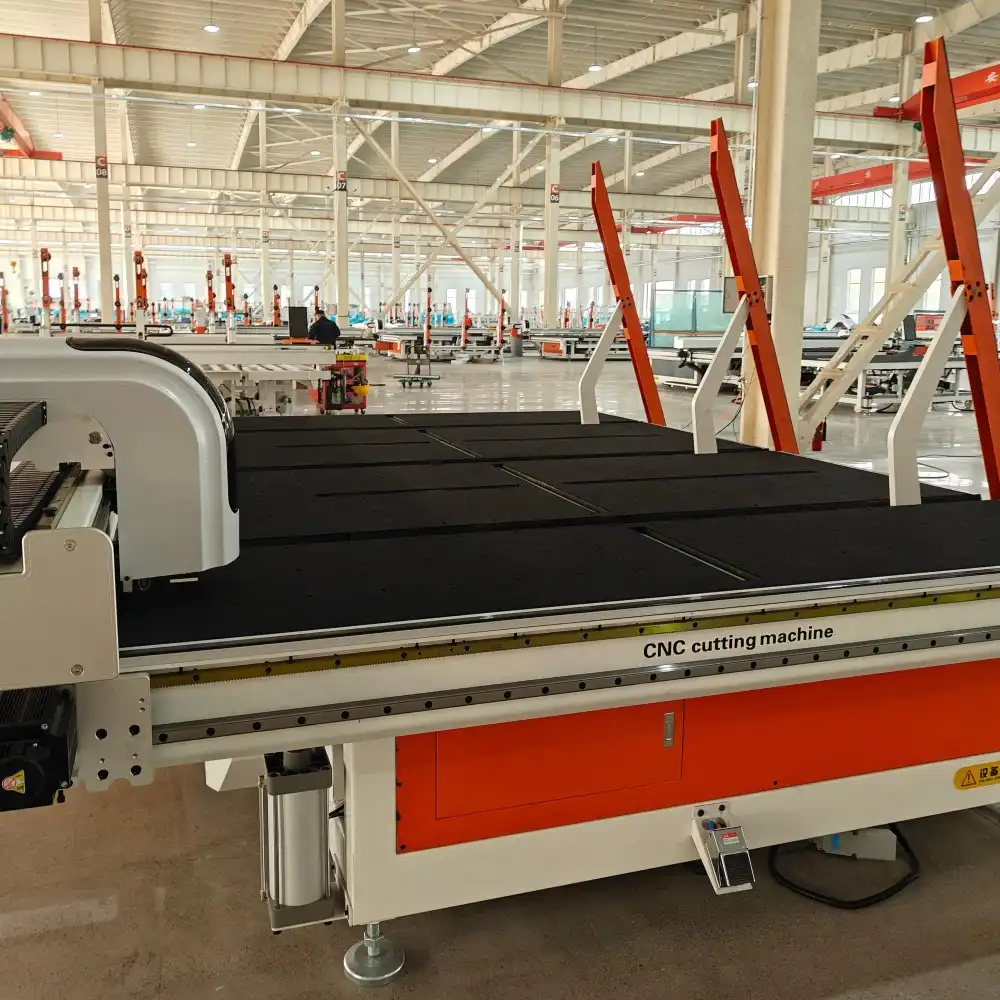
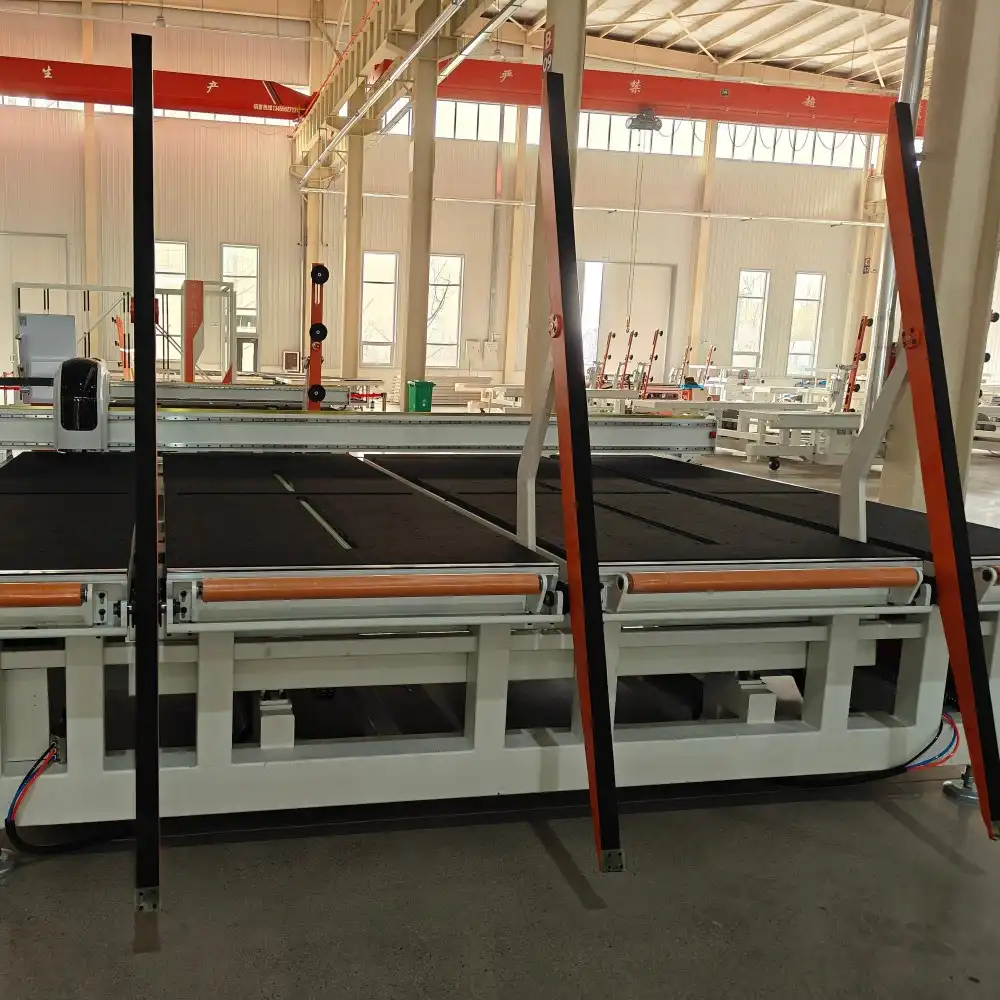
Loading devices that safely place raw glass sheets on cutting tables are the first part of any processing line. Our HSL-YTJ3829 model has automatic loading and air flotation technology, which lets workers handle sheets up to 3660x2800mm without having to lift them by hand. The automatic edge-finding feature of the system makes sure that everything is lined up correctly before the cutting starts. Cutting stations are the most important part of production. With amazing precision, CNC-controlled tables with diamond-tipped cutters or laser systems carry out patterns that have been programmed. The HSL-YTJ3829 can handle glass thicknesses ranging from 2 mm to 19 mm, so it can be used for both thin decorative panels and thick building glazing. Material is moved from one station to another by synchronous belt conveyors that keep them aligned, and the sorting process is finished quickly by an integrated breaking table. After the cutting process, edge finishing equipment grinds, polishes, and chamfers the rough edges to make them safe and smooth. Drilling stations make holes for mounting hardware, and quality checking systems check the accuracy of the dimensions as the product is being made. Software like Optima optimisation tools figure out the best way to cut materials so that automated glass processing systems they are used as efficiently as possible. This cuts down on waste, which has a direct effect on profits.
How Automated Glass Processing Lines Work: Step-by-Step Workflow
From Raw Material to Precision Output
When the raw glass sheets get to the receiving zone, the production process starts. Sheets are put on the loading table by people or robots. Air floating systems make a cushion that makes it easy to position the sheets without damaging the surface. Automatic edge recognition checks the placement and size of the sheets and sends this information to the optimisation software. The Optima program looks at the production orders and figures out the best way to cut the material, taking into account both the current sheets and the orders that are still to be made. The cutting table gets these directions and follows the pre-programmed paths while being watched in real time. Patterns are cut out with diamond wheels or laser cutters, and the best force is always maintained, even when the width of the glass changes. The breaking table then uses exactly calibrated force to separate the pieces along score lines.
Quality Assurance Throughout Production
Pieces are moved to edge finishing stations by conveyor systems after they have been cut. Grinding wheels get rid of sharp edges, sanding heads make surfaces smooth, and chamfering tools add bevelled edges where needed. According to preset coordinates, drilling units make mounting holes, and vision systems check that they are in the right place. Inline sensors check dimensions at key places, compare the results to the specifications, and raise an alert if there are any differences before they turn into expensive flaws. This constant feedback loop lets operators make changes right away, instead of finding problems after whole batches have been made. Besides that, gathering the data gives us useful information for improving processes and planning preventative repairs.
Why Investing in Automated Glass Processing Lines Pays Off: Benefits and ROI
Tangible Production Advantages
When compared to manual processes, automated lines greatly improve throughput. With the same number of workers, traditional ways could process 200 to 300 pieces per shift. Automated systems, on the other hand, can easily handle 800 to 1,200 pieces. This increase in production capacity lets companies take on bigger orders and cut down on lead times, giving them a competitive edge that directly leads to more market share wins. Another strong advantage is quality consistency. Variability is introduced by manual processes when operators get tired, measurements are wrong, or there are differences in how they do things. These factors are taken away by automation, which makes parts that meet specs every time. Curtain wall fabricators really like this stability because it makes sure that the panels fit correctly during installation, which saves them a lot of money on changes that need to be made in the field.
Cost Efficiency and Resource Optimisation
When automation cuts down on worker needs, labour costs go down quickly. Plants often move workers from doing the same things over and over to more important jobs like quality control, maintenance, or planning production. Using optimisation tools to cut down on material waste makes margins even better. Industry data shows that advanced nesting algorithms cut down on scrap by 8–15% compared to human layout planning. This saves a lot of money on materials, and the savings last for the life of the equipment. When compared to older machines, new machines that use less energy, automated glass processing systems have lower running costs. Instead of running at full capacity all the time, precision control systems only use as much power as they need for each task. These gains in speed add up over time, which makes figuring out the return on investment easier.
How to Choose the Right Automated Glass Processing System
Assessing Your Production Requirements
To choose the right equipment, you should first be honest about your present needs and your plans for growth in the future. When it comes to requirements, small fabrication shops that make custom shower doors are different from large plants that offer curtain wall systems to commercial construction projects. Which configuration makes the most sense depends on how much production is expected, how complicated the products are, and how much floor space is available. Specifications for technical items are very important. Think about the biggest piece of glass that your orders can be. For example, our HSL-YTJ3829 can handle sheets up to 3660x2800mm, which is big enough for most building uses. The range of glass thicknesses is also very important. Equipment that can handle thicknesses from 2 mm to 19 mm can handle everything from thin furniture panels to thick building glass. Make sure that the specs for cutting accuracy match your tightest tolerances. This is especially important if you have to meet the high-quality standards of automotive or aerospace customers.
Evaluating Suppliers and Support Capabilities
Supplier reputation and after-sales support determine long-term satisfaction with capital equipment purchases. Established manufacturers with extensive installation experience offer valuable insights during system design and commissioning. Ask potential suppliers about spare parts availability, technical support response times, and training programs for your maintenance staff. Certifications provide objective validation of quality and safety compliance. CE marking confirms European safety standards conformance, while ISO9001 certification indicates robust quality management systems. These credentials matter when explaining purchasing decisions to finance managers and when demonstrating due diligence to insurance providers.
Maintenance and Optimisation Tips for Automated Glass Processing Lines
Preventive Maintenance Protocols
Routine maintenance schedules prevent unexpected failures that disrupt production commitments. Cutting equipment requires regular inspection of diamond wheels and scoring heads, with replacement before performance degrades noticeably. Conveyor systems need belt tension checks and bearing lubrication according to manufacturer specifications. These simple procedures dramatically extend component life and maintain consistent output quality. Software updates and calibration verification deserve equal attention to mechanical maintenance. Optimisation programs improve through periodic updates, automated glass processing systems that incorporate better algorithms or fix identified bugs. Calibration checks ensure that cutting coordinates translate accurately to physical machine movements, preventing gradual drift that compounds into significant dimensional errors over time.
Troubleshooting Common Production Issues
Edge quality problems often trace to worn grinding wheels or incorrect pressure settings. Establishing baseline parameters during commissioning provides reference points when issues emerge. Dimensional accuracy deviations may indicate calibration drift or mechanical wear in positioning systems, resolved through systematic diagnosis and targeted adjustments. Robotic handling errors sometimes result from sensor contamination or communication glitches rather than mechanical failures. Cleaning optical sensors and verifying network connections often restores proper operation without expensive component replacement. Training maintenance staff to perform systematic troubleshooting reduces downtime and expensive service calls.
Continuous Improvement Strategies
Production data collected by automated systems reveals bottlenecks and efficiency opportunities invisible in manual operations. Analysing cycle times between stations identifies where capacity increases or process changes could improve overall throughput. Lean manufacturing principles applied to glass processing eliminate non-value-added activities and streamline material flow. Energy management strategies reduce operational costs while supporting sustainability goals. Scheduling high-power operations during off-peak rate periods, optimising equipment warmup sequences, and eliminating unnecessary idle time all contribute to lower utility expenses. These incremental improvements accumulate into substantial savings over years of operation, continuously improving the business case for automation investments.
Conclusion
Glass processing line automation transforms manufacturing capabilities through integrated workflows that deliver superior quality, enhanced safety, and compelling financial returns. The combination of precision cutting, automated handling, and intelligent optimisation addresses challenges facing architectural glass fabricators, curtain wall system integrators, and furniture manufacturers competing in demanding markets. Equipment like the HSL-YTJ3829, featuring automatic loading, edge detection, and air flotation systems, represents proven technology delivering results across diverse applications. Successful implementation requires careful supplier selection, thorough planning, and commitment to ongoing optimisation, but manufacturers making these investments position themselves for sustainable growth and competitive advantage in evolving industries where efficiency and quality determine market success.
FAQ
1. What makes automated glass processing superior to manual methods?
Automation eliminates variability introduced by operator fatigue and technique differences, producing consistent quality across thousands of pieces. Automated systems process material 3-4 times faster than manual methods while reducing breakage rates through precise handling and controlled force application. Safety improves dramatically by removing workers from hazardous handling situations.
2. How long does installation typically require?
Standard automated line installation requires 2-4 weeks, depending on system complexity and facility preparation completeness. This timeline includes equipment positioning, utility connections, software configuration, and operator training. Custom systems designed for specific applications may require additional commissioning time to verify integration with existing production workflows.
3. Can processing systems accommodate unusual glass specifications?
Modern automation handles diverse requirements through programmable parameters and flexible tooling. Systems process varying thicknesses, shapes, and coatings by adjusting cutting force, speeds, and handling techniques. Custom applications like curved glass or specialty coatings may require specific equipment modifications, which reputable suppliers accommodate through their engineering services.
Partner with HUASHIL for Advanced Glass Processing Solutions
Shandong Huashil Automation Technology delivers proven automated glass processing systems automated glass processing systems backed by extensive manufacturing experience and comprehensive support. Our HSL-YTJ3829 cutting line incorporates automatic loading, intelligent edge detection, and air flotation handling in CE and ISO9001 certified equipment serving architectural glass plants, curtain wall fabricators, and furniture manufacturers worldwide. We provide customised solutions addressing your specific production requirements, from initial capacity planning through installation and ongoing technical support. As a trusted automated glass processing systems manufacturer, we combine competitive pricing with reliable performance and responsive after-sales service. Contact our team at salescathy@sdhuashil.com to discuss how our automation solutions can enhance your production efficiency, improve quality consistency, and strengthen your competitive position in demanding markets.
References
1. Glass Manufacturing Industry Council. (2023). Automation Impact Study: Productivity and Quality Metrics in Modern Glass Fabrication. Industrial Manufacturing Quarterly, 45(3), 127-142.
2. Petersen, M., & Chen, L. (2022). Total Cost of Ownership Analysis for Automated Glass Processing Equipment. Journal of Manufacturing Economics, 18(2), 89-103.
3. International Glass Processing Association. (2023). Safety Standards and Best Practices for Automated Glass Handling Systems. Technical Report Series, Volume 12.
4. Rodriguez, A. (2023). Optimization Algorithms in Glass Cutting: Waste Reduction Through Advanced Software. Materials Processing Technology Review, 31(4), 56-71.
5. European Committee for Standardization. (2022). CE Certification Requirements for Industrial Glass Processing Machinery. Standards Documentation, Reference EN 1279-6.
6. Thompson, R., & Kumar, S. (2023). ROI Analysis of Automated Production Lines in Architectural Glass Manufacturing. Business Case Studies in Industrial Automation, 9(1), 34-49.