




A glass sheet loader is an automated handling system that streamlines the loading, positioning, and feeding of glass panels into cutting and processing equipment. These machines eliminate manual lifting risks while accelerating production cycles across architectural glass fabrication, curtain wall manufacturing, and the furniture industry. By integrating advanced controls such as automatic pressure adjustment and edge-finding capabilities, modern loaders deliver consistent material handling accuracy that directly impacts downstream processing quality and overall operational efficiency in high-volume glass production environments.
Understanding Glass Sheet Loaders: Functions and Core Benefits
What Makes Glass Sheet Loaders Essential in Modern Glass Production?
Modern production centers have a hard time running because they have to handle glass by hand. Heavy sheets that weigh hundreds of pounds need more than one person, which raises the risk of harm and slows down work. Automated loading systems solve these problems by moving glass from storage racks to cutting tables automatically, so workers don't have to move the glass by hand, and the accuracy of their placement is maintained. When working with building panels that are longer than 3 meters, this change is especially helpful because using hand tools would be dangerous and take too long.
Our tech team often talks to production managers who don't realize how much human handling costs in the long run. On top of the direct costs of labor, broken sheets from mistakes in handling and uneven placement that lead to problems with cutting later on are high hidden costs. Automated lifters with air flotation systems and timed belt conveyors help solve these issues by keeping controlled touch during the transfer process. This keeps the material safe and the operators safe.
Core Functions That Drive Operational Value
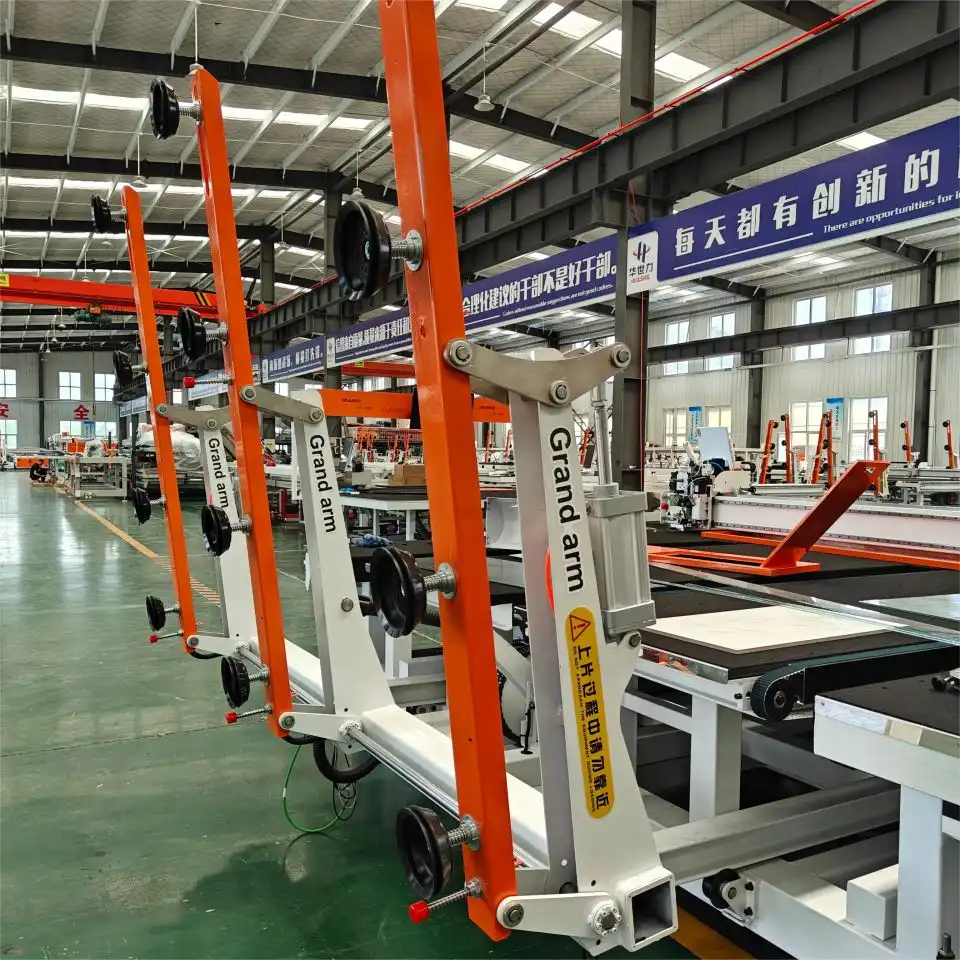
Modern automatic lifting equipment has more than one precise function built into a single platform. Automatic pressure control changes the pulling force based on the thickness of the glass, so it can work with materials from 2 mm to 19 mm without having to be recalibrated by hand. The edge-finding feature uses sensors to find the edges of sheets and automatically centers the material on the cutting table. This gets rid of the alignment delays that take 30 to 45 seconds per cycle when done by hand.
The air-float system puts a small cushion between the glass and the table surface. This makes it easier to move the glass into place. When working with low-iron or treated glass, where surface scratches have a direct effect on the worth of the item, this technology is especially useful. Synchronized belt conveyors keep the pressure even across the width of the sheet, which stops edge chipping that happens a lot with roller-based systems. The walking feature of a remote control lets users control the flow of materials from a safe distance, keeping people away from the machinery during busy cycles.
Measurable Benefits Across Production Metrics
Improving safety is the most obvious benefit of using automatic loading. Musculoskeletal injury claims, which cost U.S. makers an average of $15,000 per event, go down when heavy lifting isn't done over and over again. Seventy to eighty percent fewer accidents related to handling happen in the first year after the technology is put in place.
Depending on the size of the sheet and the amount being made, throughput gains are usually between 35% and 50%. A medium-sized architectural glass plant that works with 200 sheets of glass every day can cut cycle time from about 90 seconds to 55 seconds per sheet, which means that 12 to 15 more units can be handled during an eight-hour shift. When combined with automated cutting and breaking systems, these time savings grow, making it possible for materials to move smoothly from raw sheet to final part.
As machine accuracy takes the place of human variability, quality stability gets better. Automated edge finding keeps placement accuracy within ±0.5 mm, making sure that cutting paths line up correctly with plans in optimization software. This accuracy lowers the loss of material from mistakes and lets cutting optimization tools like Optima use tighter nesting patterns. In normal production situations, this increases yield rates by 3–5%.
Types of Glass Sheet Loaders: Choosing the Right Solution for Your Business
Manual Versus Automated Systems: Understanding the Trade-Offs
Operators of semi-automated glass sheet loaders have to start each filling cycle by hand. This lowers the cost of ownership while still lowering physical stress. These systems work well for smaller makers who only need to handle 50 to 100 sheets per day or for factories that make a lot of different products and need to change the settings often. The user moves the material forward using push-button panels, which gives them the freedom to work with sheets of different sizes or with special working needs.
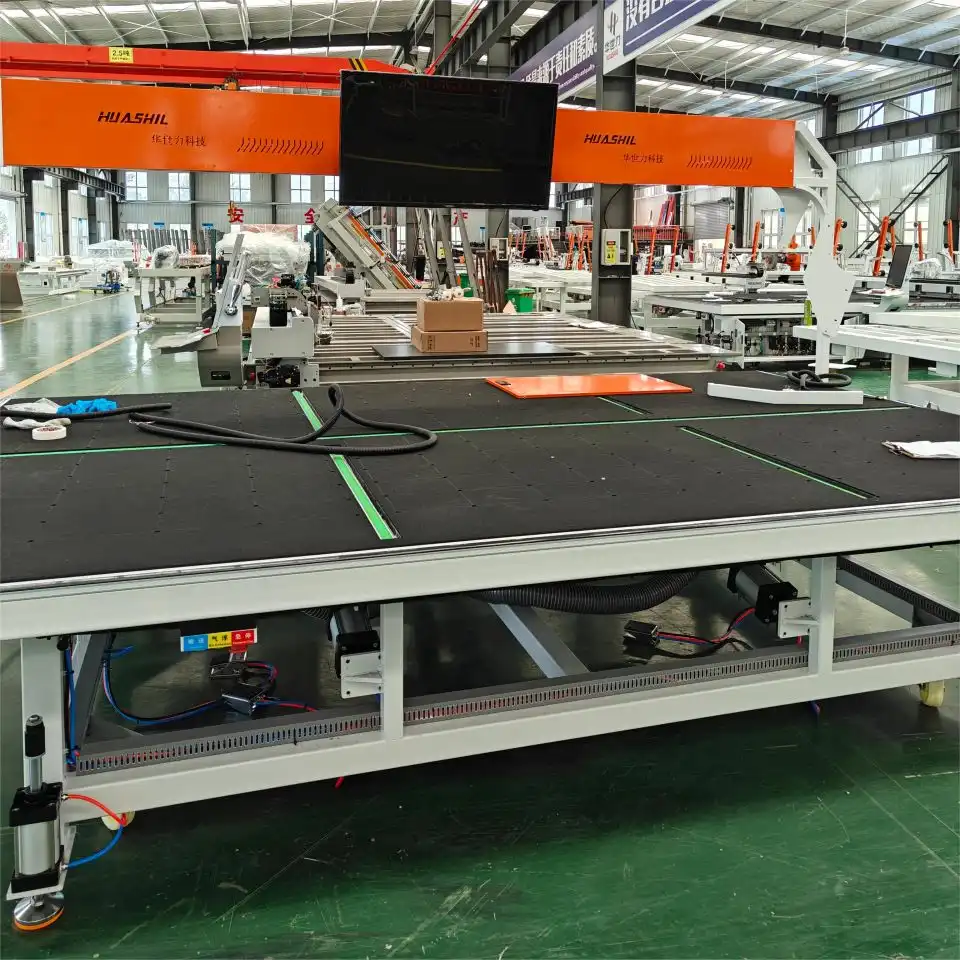
Fully automatic loaders work with storage systems upstream and cutting equipment downstream to create a constant flow of materials that doesn't need any help from an operator between rounds. These setups work well for high-volume tasks where standard sheet sizes allow processing to be done in the same way every time. The HSL-YTJ3829 model is a good example of this type. It can handle sheets up to 3660mm x 2800mm and is fully automated from loading to finding the edges and controlling the pressure. Full automation is best for factories with two or three shifts because it gets rid of bottlenecks during times of high demand and keeps output steady no matter how experienced the operators are.
Design Variations for Different Production Scales
Compact loaders are made for companies that make furniture and artistic glass. They take up very little floor space and can hold sheets up to 2400 mm x 1800 mm. Most of the time, these machines have single-arm pickup systems and simple settings that make them easy for businesses with few technical support staff to use. The smaller footprint makes it possible to put in production layouts that are already in place without making big changes to the building.
Industrial-scale systems made for processing curtain wall and architectural glass, including the glass sheet loader, have longer tables and two-arm pickup devices to hold panels that are too big to fit on one arm. Most of the time, these loaders work with vertical storage racks that can hold 50 to 100 sheets. They choose what to load automatically based on cutting queue sequences sent from optimization software. The strong construction with precision linear guides and frames made of reinforced steel promises long-term dependability in settings where a lot of things are being made all the time.
Technology Advancements Driving Modern Loader Capabilities
When compared to fixed-speed systems, energy-efficient designs that use variable-frequency drives use 20–30% less power. Instead of running at full speed all the time, these drives change the motor speeds based on how much load there is. This lowers working costs and increases the life of parts by reducing mechanical stress.
Custom-built solutions are used for specific tasks, such as working with solid stones or ultra-thin glass. Vacuum systems that have been changed and now have customizable zone control keep materials from twisting during pickup, and tables that have been strengthened can handle the extra weight of stone materials. The CE and ISO9001 certifications show that these custom systems meet international quality and safety standards. This gives buying teams peace of mind that the specialized equipment stays in line with the rules that apply to standard setups.
Comparative Analysis: Making Informed Choices in Glass Sheet Loader Procurement
Manual Loading Methods Versus Automated Equipment
Depending on the size of the sheet, traditional hand loading needs two to four workers, and the cost of their time is between $45 and $65 an hour for a normal crew. In sites with only one shift, the cost of workers for loading tasks alone is $95,000 to $135,000. Automated systems get rid of these ongoing costs and make things safer and more consistent. Depending on the amount of work that needs to be done and the cost of workers in the area, the payback time is usually between 18 and 28 months for a glass sheet loader.
When you compare time efficiency, you can see that automation has big productivity benefits. Adjusting the position of each sheet takes 75 to 90 seconds on average for manual workers, while automated loaders finish rounds in 45 to 55 seconds. This 35–40% time savings means that 25–30 more sheets can be made per shift, which increases production without having to build more space or buy more tools. In addition to preventing injuries, risk avoidance also includes lowering the number of breaks. According to industry research, automated handling cuts the number of broken glasses by 60–70%.
Case Study: Real-World Production Improvement
An Ohio window factory that works with 180 sheets of glass every day put in an automatic loading system to replace its four-person hand crew. The facility showed that cycle time dropped from 88 seconds to 52 seconds per sheet, which increased daily output by 28 units. It saved $118,000 a year on labor costs and $34,000 a year on breaking losses by making handling more consistent. The total financial effect paid for itself in 22 months, and safety measures showed that there were no handling injuries in the 18 months after the change, compared to three cases the previous year.
Critical Decision Factors for Equipment Selection
The load capacity specs must match your biggest production sheets, plus an extra 10 to 15 percent for when your products grow in the future. Models like the HSL-YTJ3829 can handle 3660mm x 2800mm, which is enough for most building and curtain wall needs. However, furniture makers usually only need 2500mm x 1800mm systems. When you don't define enough capacity, you end up with practical constraints that make it hard to change the product mix.
Depending on the available space in current buildings, either compact or extended configurations may be possible for the glass sheet loader. Measure the available floor space, making sure there are enough gaps for workers to get to and from the materials. Then, compare this measurement to the manufacturer's size specs. Integration that works with current cutting tables and optimization software keeps installation changes from having to be made, that cost a lot of money. Connecting to older systems is easier with equipment that uses standard communication methods and table heights that can be changed.
A supplier dependability review should examine production experience, expert help responsiveness, and spare parts availability. Companies like HUASHIL that have been automating glass processing for a long time give customers more trust in the long-term performance of their equipment and their ability to get service when compared to younger companies or suppliers who don't have specialized knowledge in the glass industry.
Installation, Maintenance, and Troubleshooting for Glass Sheet Loaders
Proper Installation Procedures for Optimal Performance
The first and most important step in installing a glass sheet loader is to prepare the foundation. Concrete floors must have flat areas that are within 2 mm of each other across the machine footprint. This keeps the frame from being stressed, which can cause alignment to shift over time. Anchor bolt makers provide standards that make sure there is enough holding power to stop vibrations during high-speed operations.
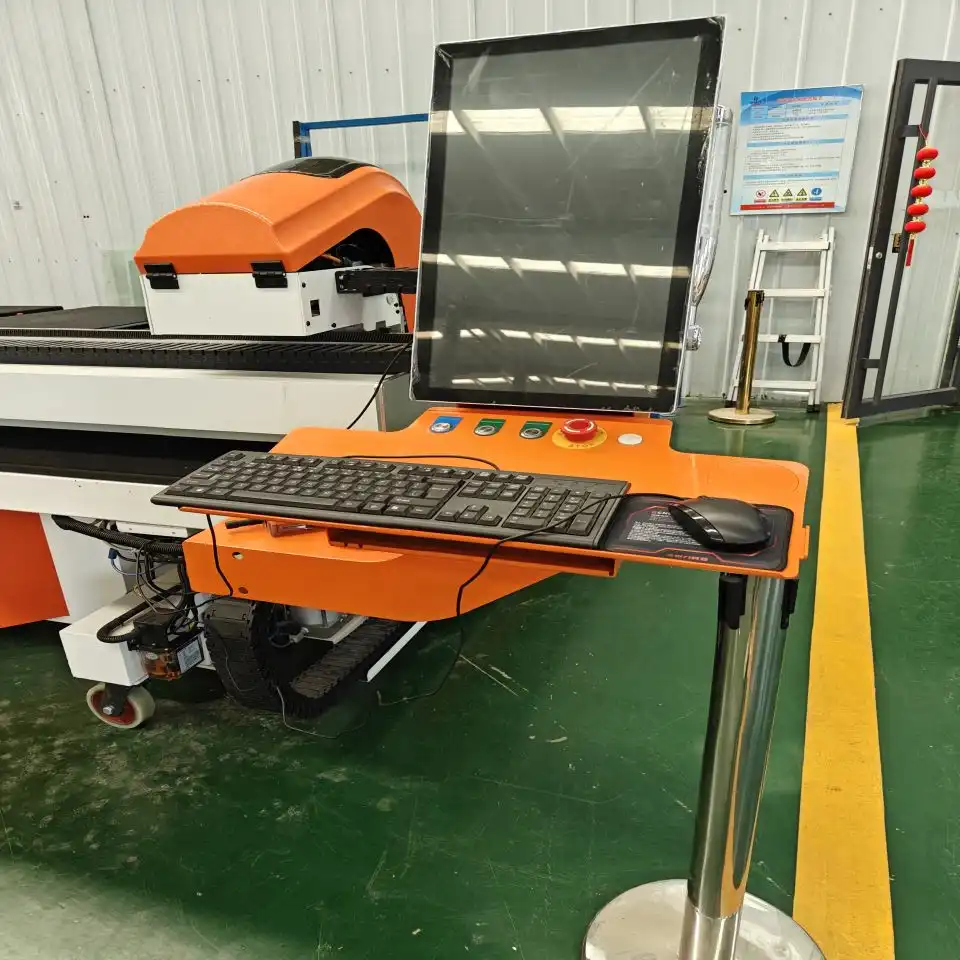
To make electrical connections, you need trained workers who know how to work with industrial control circuits and three-phase power systems. Automated trucks usually use 15 to 25kW of power when they're working, so they need their own lines with the right-sized breakers. To keep people from getting shocked and to make sure that safety interlocks that stop equipment from moving when guards open, or emergency stops go off work right, grounding procedures must be in line with local electrical codes.
Connecting compressed air supplies at pressures stated by the maker, usually 6–8 bar for vacuum creation and control valve operation, is part of setting up a pneumatic system. The quality of the air affects how long parts last, so inner filters and moisture separators are necessary to keep contamination from damaging precise valves and cylinders.
Routine Maintenance Protocols That Extend Equipment Life
Every day, the vacuum cups should be looked at for damage or wear, the linear guide rails should be oiled once a week with the manufacturer's recommended oils, and the position of the sensors should be checked once a month. These preventative steps don't take long to do, but they keep things from breaking down without warning, which would stop output for hours or days while service workers are called.
When equipment makers release software changes, they often include speed improvements and bug fixes that make the software more reliable. By scheduling updates for planned breaks, you can make sure that your system gets the newest features without stopping production. Before making any changes to the software, you should make backup copies of the current settings. This way, you can quickly restore them if unexpected compatibility problems arise.
Replacement times for parts depend on how often they are used, but in normal situations, vacuum cups on the glass sheet loader need to be replaced every 8 to 12 months. There are wear signs on conveyor belts that let you know they need to be replaced before they break. Keeping enough extra parts for these items on hand will keep you from having to wait a long time for replacements.
Conclusion
Automated glass handling equipment changes the way production works by getting rid of the risks of moving things by hand, speeding up the process, and making sure that everything is placed consistently, which improves the quality of the next steps in the process. To choose the right loader setups, you need to carefully consider your needs for capacity, space, and integration that are in line with your current activities and your plans for future growth. Modern systems like the HSL-YTJ3829 offer full automation, from loading to finding edges and controlling pressure. They can handle large production rates for ornamental glass and curtain wall uses. A successful implementation includes proper setup, strict upkeep rules, and dependable supplier partnerships that make sure the equipment works well and give you access to expert help for a long time.
FAQ
1. What thickness range can modern loaders handle effectively?
Modern automatic loading systems can handle glass from 2 mm ultra-thin plates used for displays up to 19 mm building glazing. Automatic pressure control changes the vacuum force based on sensors that measure thickness. This means that you don't have to recalibrate the machine every time you switch between materials. This flexibility is useful for producers who work with a wide range of products and don't have special handling tools for each thickness range.
2. How do I calculate ROI for automated loading equipment?
Compare the current yearly cost of labor for teams that do physical work with the cost of buying the equipment, installing it, and keeping it in good shape. Include the money saved on broken items because of more consistent handling and the extra work that can be done because of faster cycle times. Most factories get their money back within 18 to 30 months, though this depends on how much they make and how much local labor costs. They also continue to save every year for the next 10 to 15 years that the technology is in use.
3. How much room space do I need for the loader installation?
When it comes to user access, small systems need about 4m x 3m of space, while industrial-scale loaders that handle sheets longer than 3.5m need 8m x 5m. Vertical gaps of 2.5 to 3 meters allow for the moving of materials during pickup and transfer. For accurate space planning, you should measure the paths that materials need to go on and make sure that repair workers can get to them as described in the manufacturer's installation instructions.
Partner with HUASHIL for Advanced Glass Loading Solutions
Shandong Huashil Automation Technology makes precision-engineered glass sheet loader systems and has years of experience making and installing them all over the world. Our HSL-YTJ3829 model can handle sheets up to 3660mm x 2800mm in size and is fully automated, with features like pressure control, edge finding, and air float technology. Our dedication to safety and quality is backed up by CE and ISO9001 certifications, and Optima software integration makes sure that our machines work seamlessly with current cutting optimization systems. Our engineering team gives you clear technical specs and quick help during the whole buying and setting up process, whether you need standard options or custom solutions for unique uses. Get in touch with our team at salescathy@sdhuashil.com to talk about your production needs with skilled glass sheet loader makers who know what is needed in settings like furniture manufacturing, curtain wall construction, and architecture.
References
1. Johnson, M. & Williams, R. (2022). Automation in Glass Processing: Technology and ROI Analysis. Industrial Manufacturing Press.
2. National Glass Association. (2023). Safety Standards for Glass Handling Equipment in Production Environments. NGA Technical Report Series.
3. Chen, L. (2021). Advanced Material Handling Systems for Architectural Glass Manufacturing. Journal of Industrial Automation, 18(4), 234-251.
4. European Committee for Standardization. (2023). CE Marking Requirements for Glass Processing Machinery. CEN Standards Documentation.
5. Peterson, A. & Kumar, S. (2023). Comparative Analysis of Manual Versus Automated Glass Loading Systems. Manufacturing Efficiency Quarterly, 31(2), 112-128.
6. International Organization for Standardization. (2022). ISO9001 Quality Management in Manufacturing Automation Equipment. ISO Technical Guidance Documents.