




If you manage a glass fabrication plant or run a processing line, choosing the right glass loading equipment directly affects your output quality and daily labor costs. This guide walks you through everything you need to know about the GTM glass loading machine — from key features and selection criteria to procurement tips and safe operation. Whether you are upgrading an existing line or building a new one, the information here will help you make a confident, well-informed purchase decision.
Understanding GTM Glass Loading Machines: Features and Benefits
A GTM glass loading machine is an automated system that picks up, positions, and feeds glass sheets into a cutting or processing line with little help from the operator. These tools keep production going at a steady pace, protect workers from heavy lifting, and cut down on broken glass.
How the Machine Works
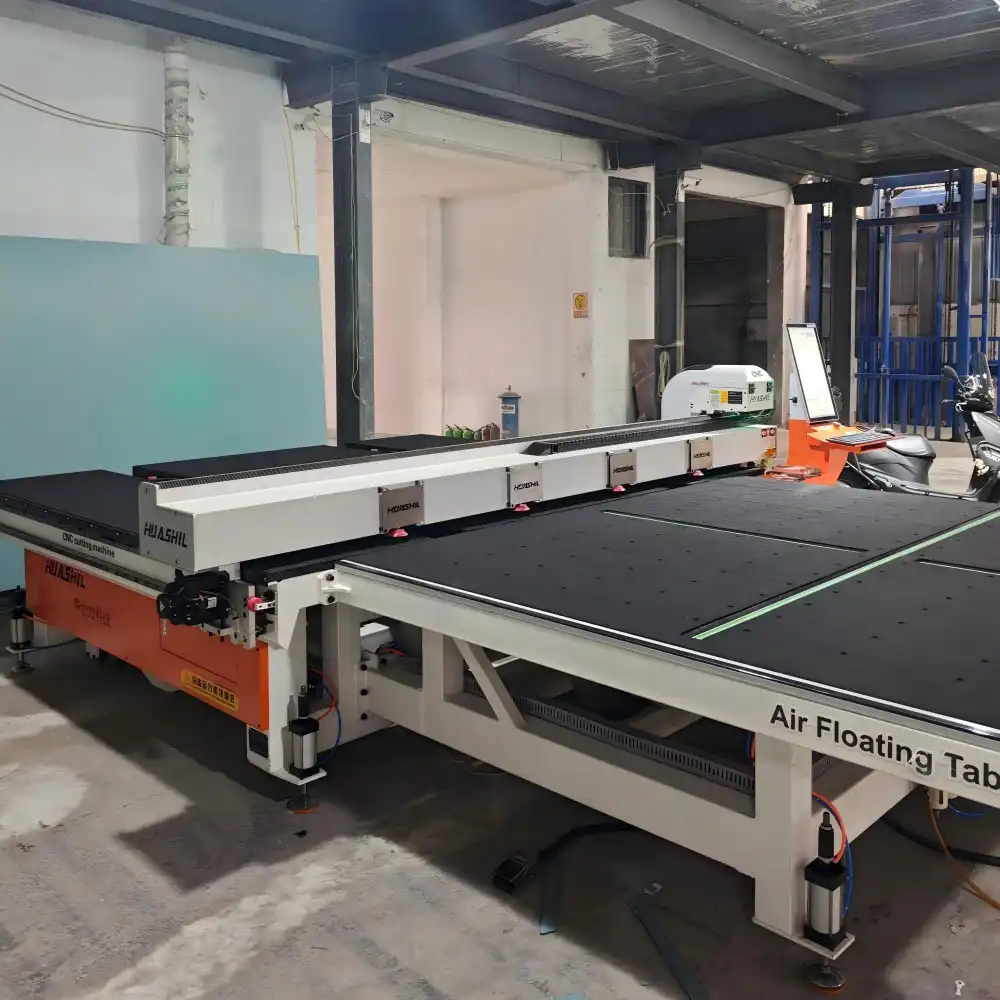
When the glass sheets are put on the storage rack, the loading process begins. The machine has an air-floating system that gently pulls each sheet off the surface. Synchronous belts then move the sheet to the cutting table. Sensors automatically find the edge of the glass, and the system changes the pressure without any help from the user. This process gets rid of a few human steps that used to slow things down or break them.
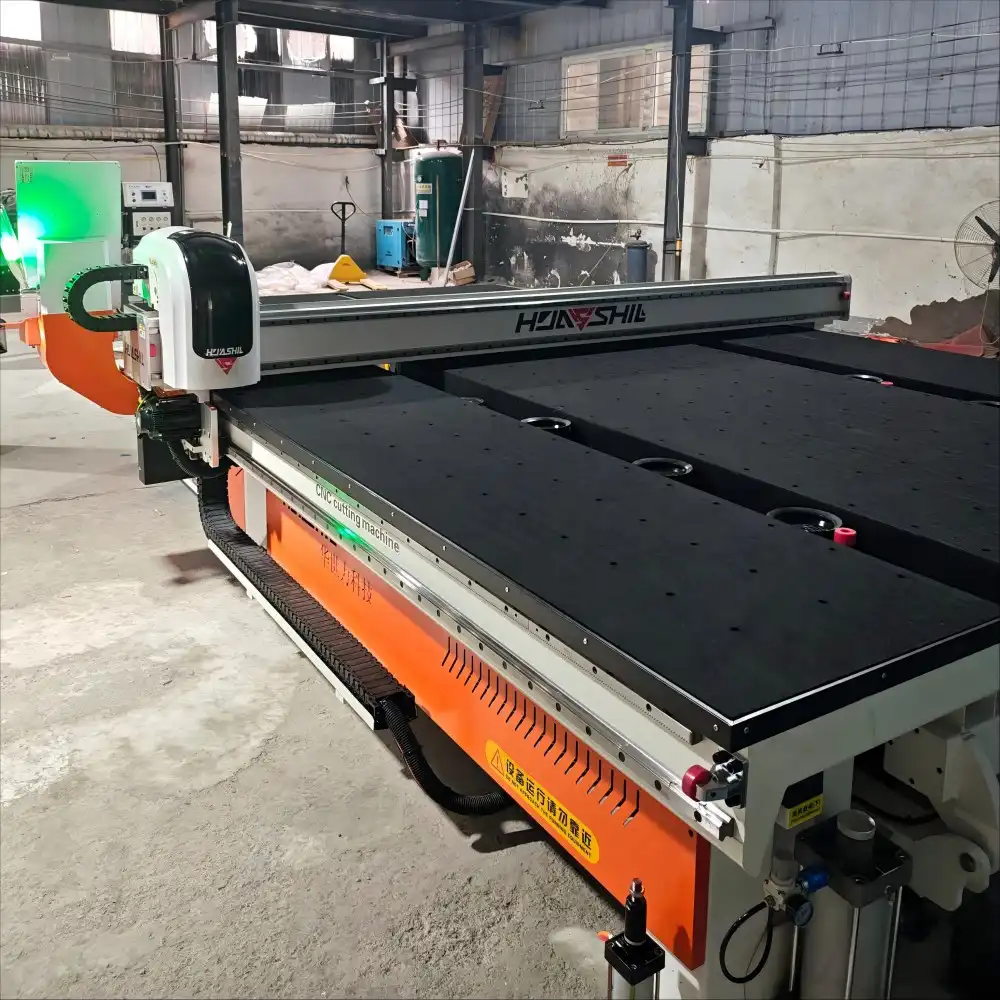
Core Features of the HSL-YTJ3829 Model
The HSL-YTJ3829 from Huashil is made with useful features that meet real production needs. These are the main things this type does:
- Automatic loading — glass sheets are fed into the cutting line without manual placement, reducing cycle time per sheet.
- Automatic pressure control — the machine senses glass thickness between 2–19 mm and adjusts cutting pressure accordingly, protecting thin sheets.
- Automatic edge finding — the system locates the glass edge before each cut, improving positional accuracy across every sheet.
- Air flotation system — a cushion of air keeps the glass surface scratch-free during transport, which matters for coated or low-E glass.
- Breaking table — integrated directly into the line so operators do not need a separate station.
- 360-degree remote control walking — operators can reposition the loading head from any angle without physically moving the glass.
Together, these functions cut down on the need for physical labor, lower the number of mistakes, and keep your line going at a steady rate. This level of consistency directly protects the margin for window fabricators or curtain wall integrators who work with a lot of sheets every day.
The HSL-YTJ3829 can work with glass that is up to 3,660 × 2,800 mm, which covers most building and furniture glass sizes. It comes with both CE and ISO 9001 certifications, which show that it meets international standards for safety and quality management. It also runs Optima optimization software.
How to Choose the Right Glass Loading Machine for Your Manufacturing Needs
Selecting a gtm glass loading machine requires matching the equipment's specs to your actual production conditions — not just the highest-rated model on paper.
Match Glass Size and Thickness to Your Product Range
Start with your largest and thinnest glass format. If you regularly cut 3,000 × 2,400 mm sheets or tempered glass at 3 mm, you need a machine rated above those dimensions. The HSL-YTJ3829's 3,660 × 2,800 mm capacity and 2–19 mm thickness range give architectural and furniture glass producers comfortable working room.
Evaluate Software and Line Compatibility
Optimization software has a direct impact on material yield. Optima, which runs on the HSL-YTJ3829, calculates cutting layouts to reduce offcut waste, a factor that meaningfully reduces raw glass cost over a full production month. Confirm that the software communicates with your existing ERP or production management system before purchase.
Check Safety Certifications and Floor Space Requirements
For U.S.-based buyers, CE certification indicates the machine meets European safety directives, which many American industrial buyers treat as a credible safety benchmark. ISO 9001 certification covers the manufacturer's quality management process. Beyond certifications, measure your floor plan against the machine's footprint, including the breaking table, before committing.
GTM Glass Loading Machine vs. Other Glass Loading Solutions
In smaller shops, glass is still often loaded by hand, which is a real production risk. When sheets are fed by hand, one dropped sheet can break the glass, hurt an operator, and stop the line. Automated glass loading equipment gets rid of that risk and makes it easier to plan for throughput.
Automated vs. Manual Loading
For large-format sheets, manual filling usually needs two people per shift. The same job can be done by an automatic driver like the HSL-YTJ3829 with one person watching over the process. Labor costs go down directly when the number of workers per shift goes down, and the rate of sheet rejection due to mismatch goes down when machines feed sheets consistently.
GTM Automation vs. Competitor Systems
There are three things that set reliable glass cutting loading machines apart from less reliable ones when comparing them from different suppliers: the way the glass is conveyed, how well the pressure is controlled, and how easy it is to get replacement parts after the sale. When moving thin or coated glass, synchronous belt conveying systems are more stable than roller-only systems. This is what the HSL-YTJ3829 does. Adjusting the pressure by hand often causes tiny cracks to appear in sheets that aren't very thick. This is why automatic pressure control is important.
Custom and OEM Glass Loading Options
Some makers need equipment that is set up to work with a certain type of glass or line plan. Huashil can make OEM and ODM configurations, which means that the size, control interface, and speed of the conveying can be changed to fit a production environment that already exists. This is especially important for curtain wall system integrators who buy whole processing lines instead of gtm glass loading machines.
Procurement and After-Sales Insights for GTM Glass Loading Machines
Where to Source and What to Budget
You can buy from Huashil directly at huashil.com or through business-to-business (B2B) platforms where people can get quotes, compare specs, and look at installation case references. Usually, it takes a few weeks to make a decision about buying a single machine. Full-line configurations can take anywhere from three to six months, which includes technical review, site visits, and getting the money to go through.
Payment Terms and Delivery
The standard way to pay is with a deposit and the final payment. For international orders, a Letter of Credit (L/C) is available. This type of trade finance protection is standard for U.S. buyers. The lead time for delivery depends on the setup. Standard models ship faster than designs that are made just for you.
After-Sales Support and Warranty
Reliability after the sale is just as important as the machine itself. Huashil offers a standard warranty, spare parts, and direct channels for technical support. Before making a purchase order, buyers should ask for a list of extra parts and make sure there are enough in stock. Knowing that a new part will ship within days, not weeks, is often what makes the difference between two similar machines for production leaders and engineering managers.
Ensuring Safe and Efficient Operation of Your GTM Glass Loading Machine
Built-In Safety Systems
The HSL-YTJ3829 has automatic pressure control and edge-detection devices that keep the machine from putting force on a sheet that isn't in the right place.
Operator Training and Onboarding
The 360-degree remote control feature keeps the operator away from moving glass while repositioning, keeping them safe.
Routine Maintenance Practices
Huashil offers technical documentation, operation guides, and organized help for getting started. The HSL-YTJ3829 has a short learning curve for most operators because it is easy to use and has many automatic functions that take care of most of the important adjustments. New workers usually get good enough within a few days to be ready for production.
Conclusion
A gtm glass loading machine is a big purchase that has a big impact on labor costs, glass waste, worker safety, and line uptime all at the same time. All of these output issues can be fixed by the HSL-YTJ3829, which has automatic filling, pressure control, air flotation, and Optima software-driven optimization. It meets foreign standards because it has CE and ISO 9001 approval. This type has the technical range to work in most U.S. production settings, whether you run an architectural glass plant, a furniture glass operation, or a curtain wall fabrication line.
FAQ
1. How long does delivery take for the HSL-YTJ3829?
Standard configurations typically ship within the agreed lead time confirmed at order. Custom configurations may require additional production time. Buyers should confirm delivery timelines directly with Huashil's sales team during the quotation process.
2. What glass thicknesses does this machine handle?
The HSL-YTJ3829 processes glass from 2 mm to 19 mm. This covers float glass, laminated glass, and most architectural sheet formats used in window, door, and curtain wall production.
3. Does the machine work with coated or low-E glass?
Yes. The air flotation system lifts and transports glass without direct surface contact, which protects coated surfaces from scratching during loading and conveying.
4. What software does the machine run?
The machine uses Optima optimization software, which calculates the most material-efficient cutting layout for each batch, reducing glass offcut waste.
5. Is spare parts supply reliable for U.S. buyers?
Huashil maintains spare parts availability and provides direct technical support. Buyers should confirm specific parts lead times during the procurement discussion.
Request a Quote from HUASHIL for Your Glass Loading Line
The HSL-YTJ3829 gtm glass loading machine is made by HUASHIL and has CE and ISO 9001 certification, as well as full after-sales support and software integration with Optima. We are a reliable provider of gtm glass loading machines to architectural glass plants, furniture makers, and curtain wall installers all over the world. To get a detailed document, a product quote, or help with customizing your order, please email our team at salescathy@sdhuashil.com.
References
1. Glass International — Annual Industry Review, 2023.
2. Machinery's Handbook, 31st Edition — Industrial Press, 2023.
3. Glass Processing Days Conference Proceedings — Tampere, Finland, 2022.
4. Occupational Safety and Health Administration (OSHA) — Machinery and Machine Guarding Standards, 2022.
5. International Organization for Standardization — ISO 9001:2015 Quality Management Systems: Requirements, 2015.
6. Glass Worldwide Magazine — Automation in Flat Glass Processing, Issue 98, 2023.