




A manufacturing execution system connects every layer of a factory — from raw material intake to finished product dispatch. Think of it as the central nervous system that processes real-time signals and tells every machine, operator, and process what to do next. An intelligent manufacturing mes system takes this a step further by integrating IoT sensors, data analytics, and automated decision logic directly into production workflows. For glass fabrication plants, curtain wall integrators, and sintered stone producers, this means tighter control, fewer errors, and production lines that respond to problems before they cause costly downtime.
Understanding Intelligent Manufacturing MES Systems
What an MES Actually Does on the Shop Floor
There is an MES software that sits between your ERP software and your production tools. It gets real-time data from tools, keeps track of work orders, checks the flow of materials, and alerts you right away when there are problems with quality. The MES works in real time at the machine level, while an ERP handles planning and finances. That means that everyone on the glass cutting line needs to know at the same time where each sheet of glass is, what cutting program is being used, and whether the dimensions are being met.
Core Components That Drive Factory Intelligence
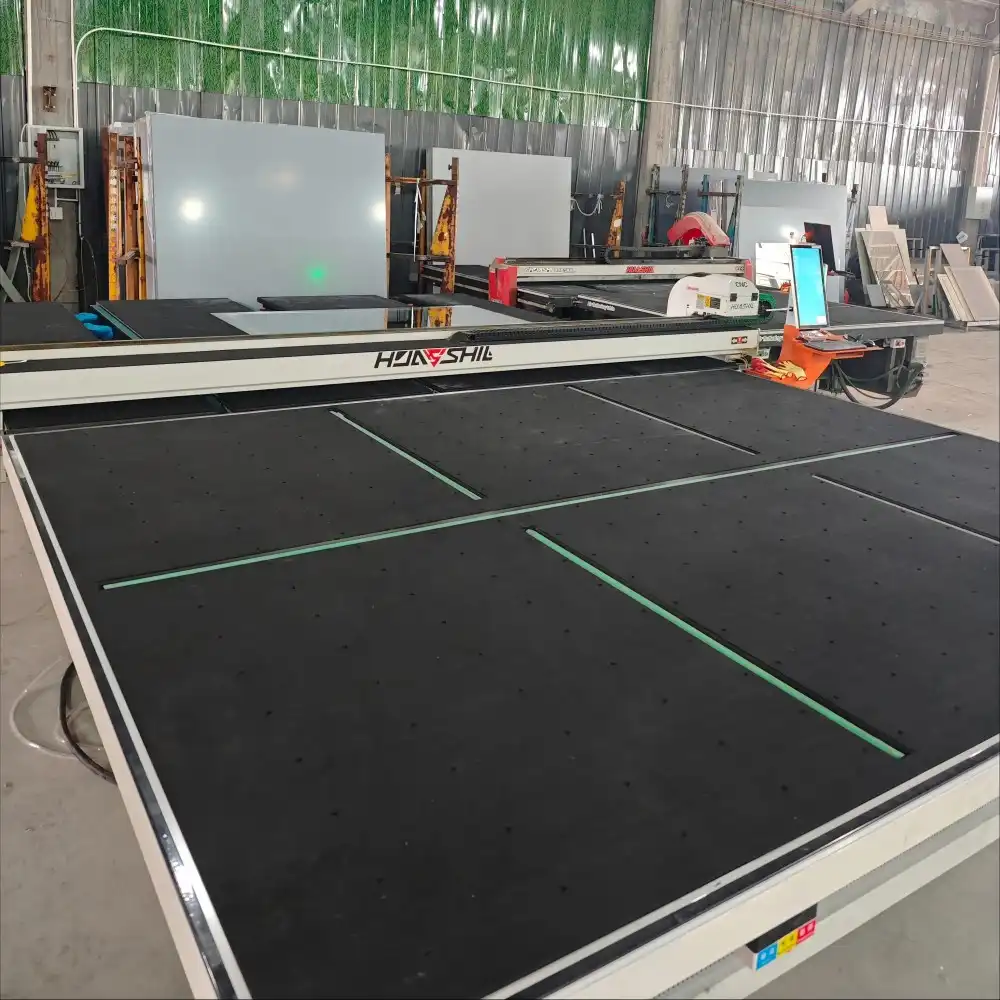
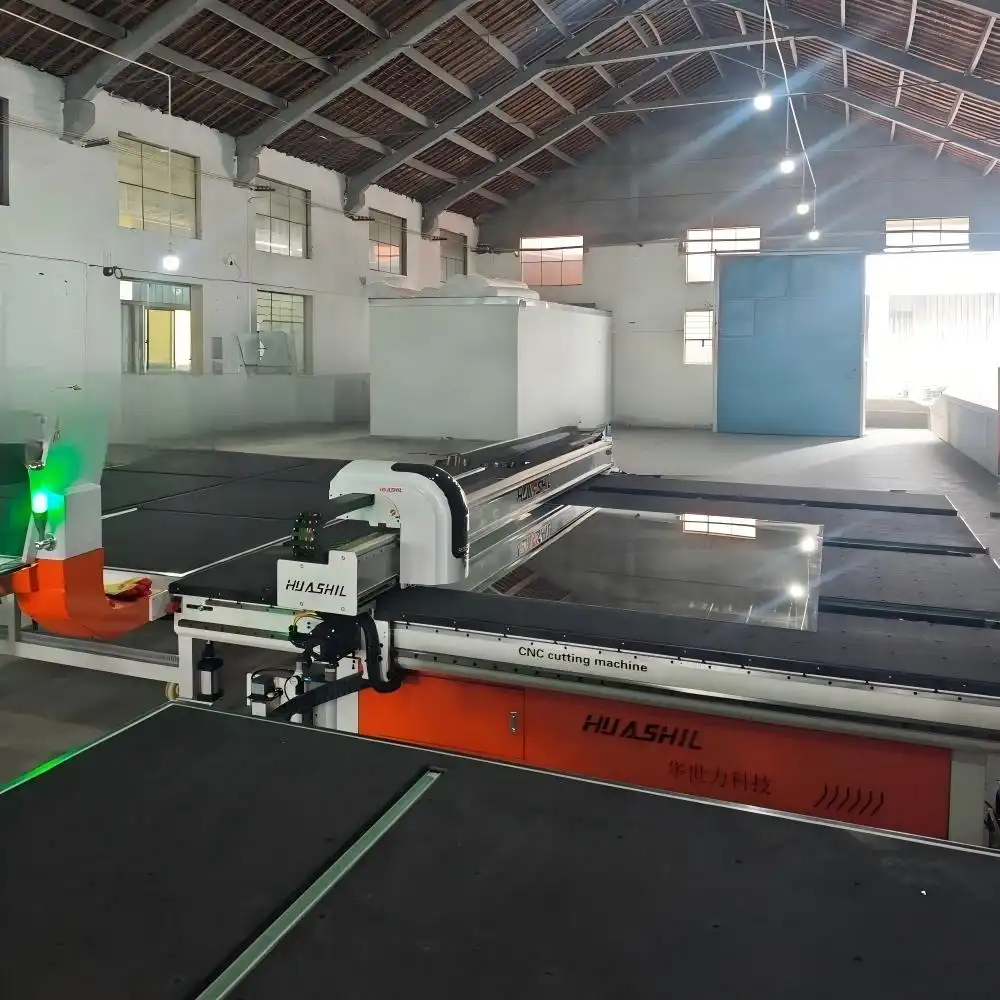
Modern factories usually have production scheduling, quality control, tracking of equipment state, and traceability tools built into their production execution systems. Plant managers can see a clear picture of the whole floor because each part sends data to a central computer. One of these modules is the software that controls and connects the storage and cutting machines. It coordinates the storage of raw glass with automated cutting sequences, cutting down on downtime and keeping the flow of materials steady.
How MES Connects Machines to Enterprise Systems
A two-way data bridge is made by modern factory automation software. Production reports and KPI dashboards are fed from the machines' outputs, and production orders from the ERP are fed into the machines' instructions. With this closed-loop design, if the customer's order changes, the cutting program on the floor is automatically changed, so there's no need to enter the information again by hand. That level of connectivity is what sets intelligent production control systems apart from digital ones.
The Benefits of Intelligent MES Systems for Modern Manufacturing
Real-Time Visibility Reduces Downtime
A report from 2023 by LNS found that when makers used real-time production tracking, unplanned downtime was cut by 23% on average. For glass processing lines that work in shifts, even an unplanned 15-minute break can mess up the orders for the whole day. With live machine status feeds, repair teams are notified before something goes wrong, not after. This change from fixing things after they break to planning to do something about them directly saves output goals.
Quality Traceability Meets Compliance Demands
When making artistic glass and curtain walls, it's important that the measurements are correct and the glass is intact. Factory quality management software records measurements at every step of the process, like when the metal is being cut, edged, or tempered, and connects them to the right batch and order. If there is a problem further down the line, plant engineers can find the exact machine cycle that caused it. Without any extra paperwork, this level of traceability also meets the standards of an ISO 9001 audit and customer review processes.
Here are the main benefits that production teams get from this kind of intelligent manufacturing mes system:
- Reduced material waste: Automated nesting and cutting optimization programs use algorithms to arrange glass shapes on each sheet with minimal offcut. Studies from the Glass Manufacturing Industry Council indicate that optimized nesting can reduce raw material waste by up to 18% in flat glass processing.
- Consistent output quality: Because the system enforces process parameters at each step, operator-to-operator variability drops significantly. Every shift follows the same cutting tolerances and inspection checkpoints.
- Lower labor overhead: With automated scheduling and machine coordination handled by the software, supervisors spend less time on manual coordination and more time on production improvement.
"Lower labor costs" means: The software takes care of scheduling and coordinating the machines automatically, so leaders can spend more time improving output and less time coordinating things by hand.
Financial ROI That Justifies the Investment
A study by McKinsey & Company in 2022 found that makers who used integrated production management systems saw a return on their investment within 14 to 18 months of going live. The cost savings come from a number of sources, including fewer units being returned, better timing that uses less energy, and less overtime due to production problems. These numbers give finance directors a solid reason to think about spending money on production software.
Choosing the Right Intelligent MES System for Your Factory
Traditional MES vs. Intelligent MES: What Actually Differs
MES platforms that are used today keep track of production events after they happen. As soon as data comes in, an intelligent system acts on it, pointing out problems and changing settings without waiting for a person to step in. This difference determines whether a quality problem is found during the cutting process or after the final inspection in a plant that works with sintered stone slabs that have to fit within very tight tolerances. A real production management platform can react in real time, while an idle tracking tool can't.
Cloud vs. On-Premise Deployment
Small to medium-sized companies that make glass furniture often choose cloud-based MES because it lowers the cost of setting up IT infrastructure at the start. For security and control reasons, larger architectural glass plants that use sensitive production data may want to deploy on-premises. Which option is best for you depends on how your current IT is set up, your data governance needs, and how often you need to update the system. It doesn't matter which model you choose as long as the software works with your cutting machines, storage systems, and ERP without a lot of special development.
Key Evaluation Criteria for B2B Buyers
Before choosing a tool for production execution, buying managers and plant engineers should look at the following:
- Integration compatibility: Does the software communicate with your current cutting machines and edge grinders via standard protocols like OPC-UA or Modbus?
- Vendor support structure: What does post-deployment technical support look like? What are the spare parts and software update cycles?
- Customization options: Can the vendor configure the system to match your specific workflow, whether that is architectural glass, shower door production, or sintered stone processing?
- Scalability: Will the system accommodate a second production line or a new facility without a complete re-implementation?
It's easier to choose intelligent manufacturing mes systems that work in your real production setting when you use these factors instead of a generic factory template.
Overcoming Challenges in MES Implementation
Integration With Existing Equipment
A lot of places that work with glass use both old cutting tools and newly automated lines. Hardware interfaces or protocol converters are often needed to connect older equipment to a newer production management system. Less disruption is caused by a phased integration method that starts with the most important tools and slowly adds more. The integration process goes much faster if you work with a provider that has direct experience in glass and stone fabrication settings.
Change Management and Workforce Adoption
If the people who use it don't trust it, even the best production software won't work. Before going live, operators who are used to scheduling by hand or doing quality checks on paper need structured training. Getting production managers involved early on in the configuration process improves buy-in and brings to light real workflow needs that IT teams alone often miss. Post-deployment support, such as expert help that is available on call during the first few weeks of production, is required and will decide whether the system is used or not.
Data Security and System Continuity
Factory systems that are linked to company networks are responsible for keeping them safe. Basic needs include separating the working network into segments, controlling who can access what, and backing up data regularly. Any MES provider that works in an industrial setting should be able to show you their security architecture and how they handle incidents.
Future of Intelligent Manufacturing MES Systems
AI and Predictive Analytics Will Reshape Production Scheduling
In the next five years, software used for planning production will rely more on machine learning models that were trained on past production data to guess how long it will take to finish an order, how much material will be used, and how much equipment will wear out. This changes schedules from guessing based on experience to planning based on data. Predictive scheduling can help glass makers keep their order books organized and cut to specific shapes and sizes, so they don't have to change their plans at the last minute because of unexpected equipment or material needs.
5G and IIoT Are Expanding What's Possible on the Factory Floor
When industrial IoT sensors are paired with 5G connectivity, they make it possible to get data from devices that couldn't be plugged into a network before. In big curtain wall factories, this means keeping an eye on the performance of the tempering furnace, the conditions of the coating line, and the cycle times of the cutting machines from a single dashboard. The large amount of data created by these connections goes straight into the MES, which over time makes it better at making decisions.
Planning Today Positions You Ahead of the Market
If a factory starts using connected production management now, it will have operating data records that factories that start later will not have. The collected data becomes an advantage in the market, leading to better prices, faster shipping promises, and more accurate quality guarantees. The leaders in the industry after 2027 will be the procurement and operations teams that see MES as a long-term investment in infrastructure rather than an IT project.
Conclusion
A manufacturing execution intelligent manufacturing mes system is an important part of any modern workplace; it's what makes sure that work gets done correctly and quickly. With the right production management platform, a plant can monitor machines in real time, track quality, and make schedules automatically. This changes how the plant works at every level. This is where the investment clearly pays off the most for glass fabricators, curtain wall integrators, and stone processing plants that want to increase output without hiring more people or raising costs.
FAQ
1. Which industries benefit most from a production execution system?
Glass fabrication, architectural panel manufacturing, sintered stone processing, and furniture glass production all see direct gains. Any production environment with multiple processing stages, tight tolerances, and high material costs benefits from real-time floor control.
2. How long does MES implementation typically take?
A single-line deployment in a mid-size facility generally takes eight to sixteen weeks, including configuration, testing, and operator training. Full multi-line or multi-facility deployments run longer, typically three to six months.
3. Can MES software work alongside an existing ERP?
Yes. Most modern production execution platforms are built to connect with ERP systems like SAP or Oracle through standard APIs. The MES handles real-time floor operations while the ERP manages orders, procurement, and financials.
4. What is the software for controlling and connecting storage and cutting machines?
It is a specialized module within a production management system that coordinates raw material storage with cutting machine scheduling. It ensures the right glass sheet or stone slab reaches the right machine at the right time, reducing idle cycles and material handling errors.
5. Is cloud-based MES secure enough for factory use?
Cloud-based deployments from established vendors use enterprise-grade encryption and access controls. For plants with stricter data governance requirements, on-premises options remain available and equally capable.
Connect With HUASHIL — Intelligent Manufacturing MES System Supplier for Glass and Stone Processing
When HUASHIL designs and builds automated lines for processing stone and glass, they make sure that they always work with the latest software for managing production. If you're looking for a reliable intelligent manufacturing MES system provider, we have machines that work with MES platforms. These include software for managing and linking storage and cutting machines, so data can flow smoothly from the shop floor to your management screen. Get in touch with our technical team to talk about your production needs. To see information about our equipment and how to install it, email us at salescathy@sdhuashil.com.
References
1. LNS Research. Manufacturing Operations Management: Benchmark Report. 2023.
2. McKinsey & Company. Capturing Value at Scale: Digitizing the Factory Floor. 2022.
3. Glass Manufacturing Industry Council. Energy and Material Efficiency in Flat Glass Processing. 2021.
4. International Society of Automation (ISA). ISA-95 Standard: Enterprise-Control System Integration. 2020.
5. Gartner. Magic Quadrant for Manufacturing Execution Systems. 2023.
6. ARC Advisory Group. Manufacturing Execution Systems Market Research Report. 2022.