




Heavy-duty tile cutters are very important for professional remodeling jobs because they make very accurate cuts on big, dense tiles with amazing speed. Contractors need to think about things that affect how long projects take, how much material waste is produced, and the general quality of the work when choosing a large tile cutting machine. These advanced saws are able to mix power, accuracy, and ease of use while meeting the high standards of business and industrial remodeling settings where precision is very important.
Understanding Heavy-Duty Tile Cutting Machines
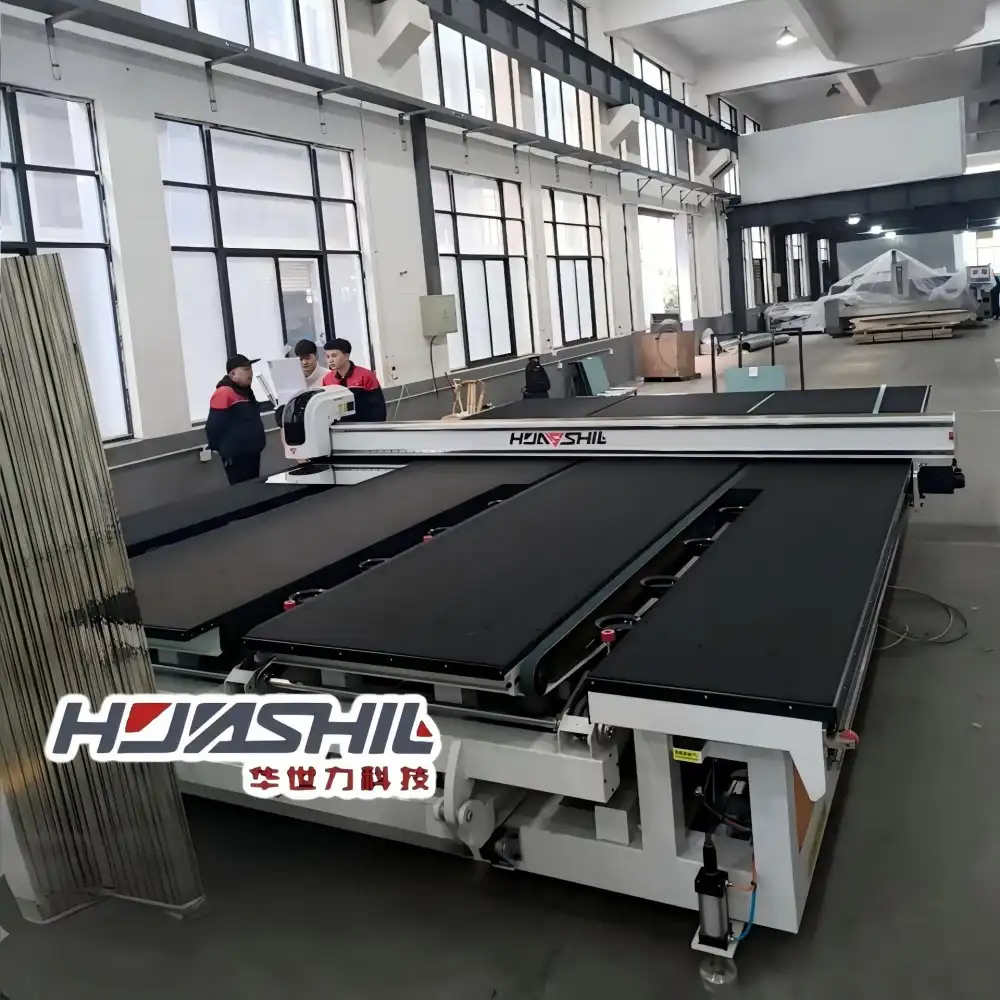
Heavy-duty tile cutting machines are specialized tools that are designed to cut a lot of very thick materials like porcelain, ceramic tiles, fused stone, and natural stone blocks. When used over a long period of time, modern cutting systems that use technologies like CNC, water cooling, and air clamps make sure that every cut is the same.
Types and Technologies
Professional tile cutting tools include systems that are both automatic and non-automatic, as well as those that are partially automatic, especially when using a large tile cutting machine. Electric models are most commonly used in business settings because they can cut faster and better than other types. While dry cutting systems work better in situations where using water is a problem, wet cutting systems use moving water to make less dust and keep the blade at the right temperature.
Critical Performance Features
The size of the cutting table, the highest thickness of material the machine can handle, and the power levels of the motors are all important details that affect how well the machine works. Automatic pressure control systems that change the cutting force based on how dense the material is are built into more advanced models. This makes sure that the edges are clean and the material isn't damaged. Air floating systems reduce friction when placing materials, and automatic edge-finding features help with cutting accuracy and setup time.
How to Choose the Right Heavy-Duty Tile Cutting Machine for Your Project?
Choosing the best way to cut tiles depends on carefully considering the specifics of the project, such as the types of material, the number of tiles that need to be made, and how exact the cuts need to be. To find tools that will be useful in the long term and will work well, the people who make decisions must look at a lot of different scientific and business-related factors.
Material Compatibility Assessment
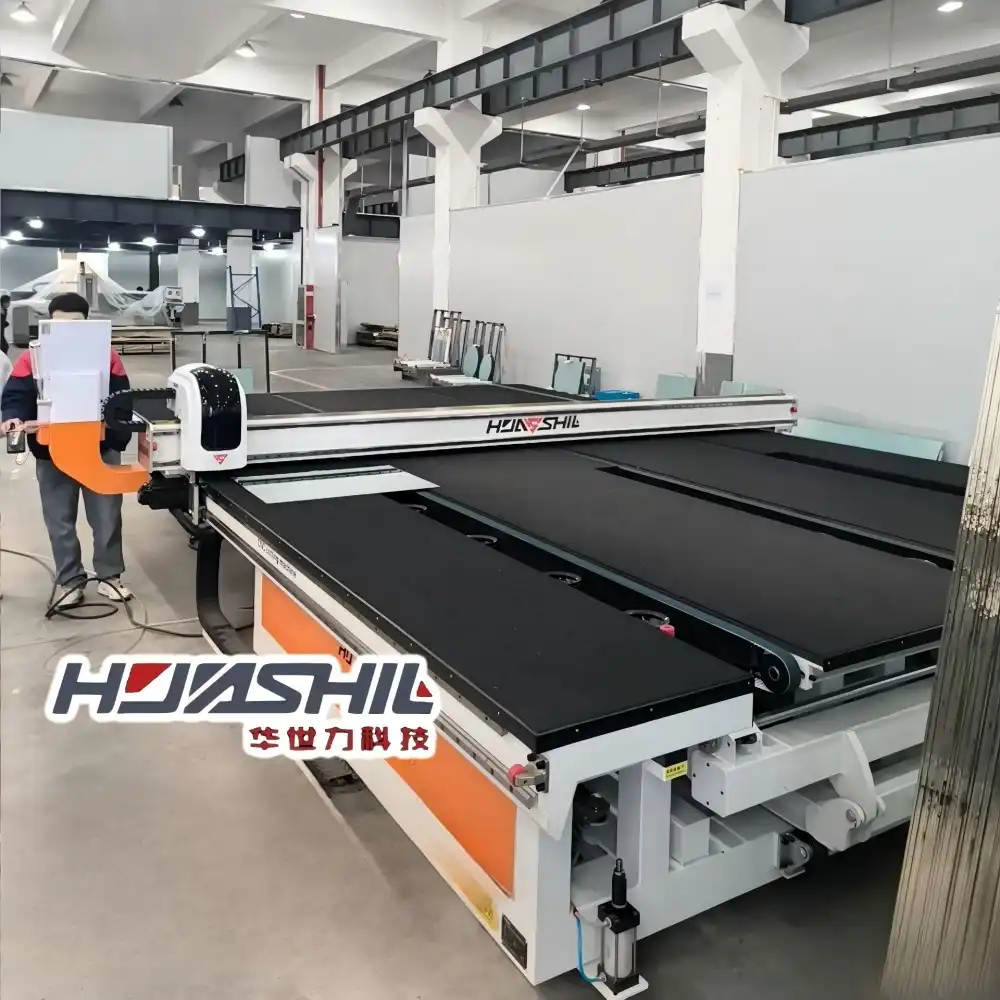
Different kinds of tile need different ways of cutting them. Diamond-blade systems with enough cooling are needed for porcelain tiles, and slabs of solid stone need large tile cutting machine that can cut materials up to 20mm thick. The HUASHIL HSL-CNC2716 model has a big 2700×1600mm cutting area and can handle materials that are anywhere from 3mm to 18mm thick, so it can be used for a lot of different building projects.
Production Capacity Considerations
The scale of the project decides how fast and how much cutting needs to be done. For large-scale business rebuilding, CNC-controlled systems that give the same results for hundreds of cuts are helpful. The EOS-CNC control system in newer models positions the laser very accurately and makes sure that the cutting pattern is always the same. This helps save money on materials and work.
Integration and Workflow Optimization
Today's repair businesses need tools that work well with the way things are already done. Programmable cutting routines, tool-changing systems, and digital measurement systems make work more efficient and require less training for operators. If you can use CAD/CAM tools, you can cut plans from drawing files without having to do anything else.
Operating and Maintaining Heavy-Duty Tile Cutting Machines
Proper operation and upkeep routines ensure consistent cutting quality throughout extended production cycles and improve equipment lifespan. Knowing how machines work and creating a plan for regular repair helps avoid expensive downtime and keeps the workplace safe.
Safe Operation Procedures
When using a large tile cutting machine, you need to follow safety rules that say how to clamp materials, place the blade guard, and use an emergency stop. For wet cutting uses, operators need to know how to take care of water systems, and for dry cutting uses, they need to know how to collect dust. Regularly calibrating automatic pressure control systems keeps the cutting quality up and stops the material from being damaged.
Preventive Maintenance Strategies
Looking at and changing out the blades, cleaning the cooling system, and working on the air parts are all part of systematic upkeep. Diamond blades usually need to be replaced after cutting 200 to 300 square meters of hard material. How long the blade lasts relies on the material and how it's cut. For air float systems to keep working well, the filters have to be cleaned often. Similarly, CNC parts need to be calibrated every so often to make sure the cutting stays accurate.
Advantages of Heavy-Duty Tile Cutting Machines in Remodeling Projects
Industrial-grade tile cutting tools speed up, sharpen, and lower the cost of material waste for home improvement projects. These benefits lead to cheaper costs and faster project completion, which are good for both workers and end customers.
Enhanced Productivity and Precision
Automated cutting systems are much faster than human methods while still keeping the tight tolerances that are needed for professional setups. CNC-controlled tools cut with 0.1mm precision, making sure that parts fit perfectly without having to make changes during installation. Automated material handling makes the workplace safer and requires less work from people.
Material Versatility and Waste Reduction
Today’s cutting systems can handle a wide range of materials and sizes without needing to be set up again for each one, which cuts down on the time it takes to switch between different tile types. Using smart stacking algorithms to find the best cutting patterns helps reduce material waste by getting the most out of every slab. When it comes to accuracy, advanced tools are equally capable of handling normal ceramic tiles and large-format sintered stone slabs.
Long-term Operational Benefits
If you take care of your good, large tile cutting machine, it will always work well for you, no matter how long you use it. Strong building and reliable parts cut down on unexpected breaks, which keep project plans on track. Advanced control systems make it possible to keep an eye on things from afar and schedule repair based on predictions. This stops equipment from breaking down badly and costing a lot of money.
Procurement Tips for B2B Buyers: Where and How to Purchase Heavy-Duty Tile Cutting Machines
In order to successfully buy tools, one must carefully consider suppliers, financing choices, and after-sales help skills. When B2B buyers look at different providers and pieces of equipment, they need to think about the total cost of ownership, which includes installation, training, and the need for upkeep.
Supplier Evaluation Criteria
Customers, long guarantees, and well-known service networks show that providers are trustworthy. To keep service delays to a minimum, international suppliers should offer local expert help and make sure that parts are available. As long as the supplier is stable and can make the parts, you can get them and get expert help for the life of your equipment.
Financing and Configuration Options
You can buy, lease, or rent a large tile cutting machine through flexible buying choices that take different project needs and cash flow into account. Standardized models allow for quicker delivery and cheaper costs, while custom configuration services make it possible for equipment to be optimized for particular uses. Multi-location businesses or big projects can save money on volume purchase deals.
HUASHIL: A Maker of Large Tile Cutting Machines You Can Trust
Shandong Huashil Automation Technology Co., Ltd. is a top producer that specializes in automated cutting tools for ceramic, tile, and sintered stone uses. Our high-tech manufacturing and thorough quality control systems make sure that our equipment works well in tough industry settings.
Our dedication to new ideas and technology is shown in the HSL-CNC2716 model, which has a precisely designed cutting platform that can handle materials with thicknesses from 3 to 18 mm and sizes up to 2700 × 1600 mm. The built-in EOS-CNC control system makes it easy to use and very accurate at cutting. Automatic pressure control, automatic edge finding, and air flotation devices are advanced features that make output better and reduce user fatigue.
Our full-service method includes expert advice, oversight of the installation, training for the operator, and ongoing maintenance support for a large tile cutting machine. This promise makes sure that customers get the most out of their equipment investments while keeping the level of work the same. Our years of export experience allow us to offer smooth foreign service with good prices and dependable delivery times.
Conclusion
Professional restoration businesses that want to work faster, better, and cheaper must buy heavy-duty tile cutting tools. Choosing the right tools means carefully thinking about the types of materials they will work with, how many items they will make, and the overall goals for the business. CNC control systems, automatic material handling, and precise cutting are all advanced features that make the investment worth it because they make things more efficient and lower the cost of labor. Working with well-known makers guarantees that the equipment will work well and that there will be full help for the equipment's entire lifetime.
FAQ
Q1: What maximum tile thickness can the HSL-CNC2716 handle effectively?
A: The HSL-CNC2716 accommodates materials ranging from 3-18mm thickness, making it suitable for standard ceramic tiles, porcelain slabs, and sintered stone applications commonly used in commercial remodeling projects.
Q2: How does automatic pressure control improve cutting quality?
A: Automatic pressure control systems adjust cutting force based on material density and thickness, preventing material damage while ensuring clean, precise edges. This technology reduces material waste and eliminates the need for manual pressure adjustments during cutting operations.
Q3: What maintenance intervals are recommended for optimal machine performance?
A: Regular maintenance includes daily cleaning of air flotation systems, weekly inspection of cutting blades, and monthly calibration of CNC components. Diamond blade replacement typically occurs every 200-300 square meters of cutting, depending on material hardness and cutting parameters.
Partner with HUASHIL for Superior Cutting Solutions
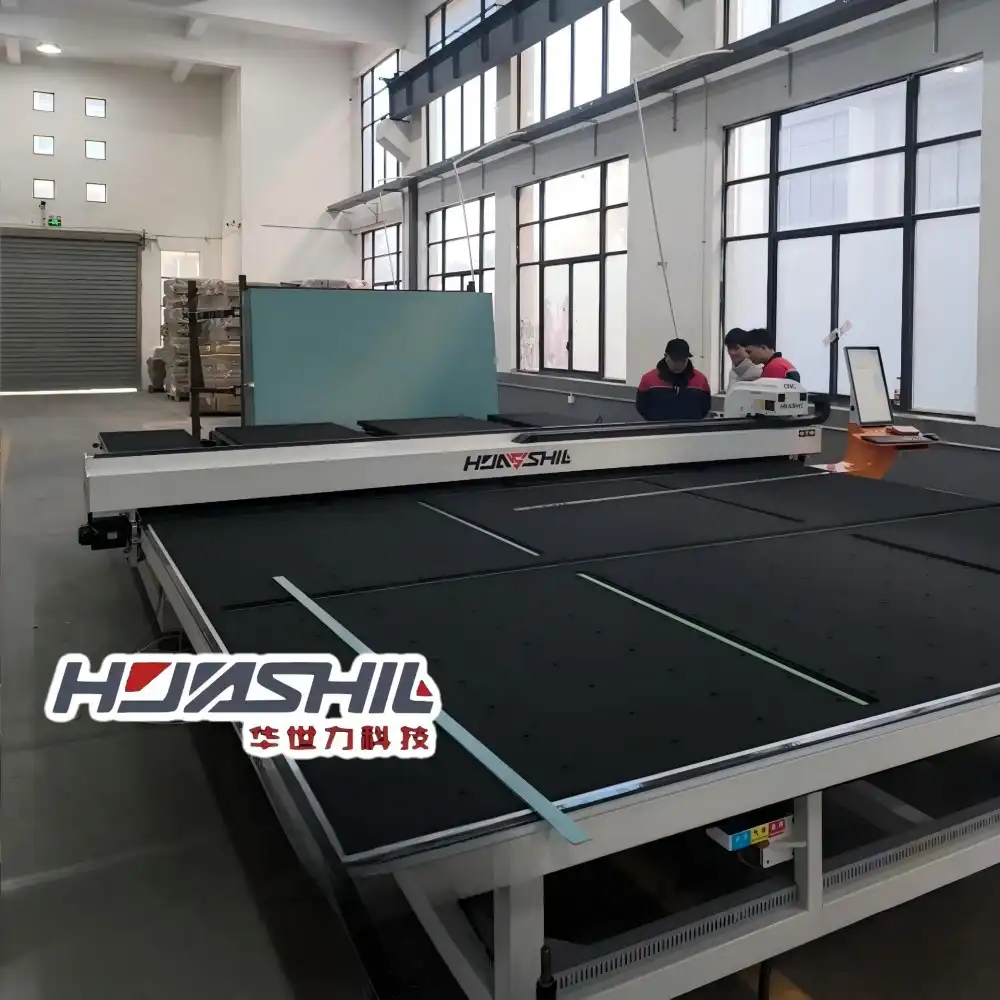
Transform your remodeling operations with HUASHIL's advanced large tile cutting machine technology. Our HSL-CNC2716 model delivers exceptional precision and reliability for ceramic, porcelain, and sintered stone applications. As an established large tile cutting machine supplier, we provide comprehensive support from initial consultation through ongoing maintenance. Experience the advantages of automated cutting technology backed by our proven expertise and commitment to customer success. Contact us at salescathy@sdhuashil.com to discuss your specific requirements and discover how our cutting solutions can enhance your project efficiency and profitability.
References
1. Smith, Michael J. "Advanced Tile Cutting Technologies for Commercial Construction." Industrial Equipment Review, vol. 45, no. 3, 2023, pp. 78-85.
2. Thompson, Sarah K. "Automation in Ceramic Processing: Efficiency Gains in Modern Manufacturing." Construction Technology Quarterly, vol. 28, no. 2, 2023, pp. 45-52.
3. Rodriguez, Carlos M. "Heavy-Duty Cutting Equipment Selection for Large-Scale Remodeling Projects." Professional Contractor Magazine, vol. 67, no. 8, 2023, pp. 112-118.
4. Wang, Jennifer L. "CNC Control Systems in Tile Cutting Applications: Performance Analysis and Selection Criteria." Automation Engineering Journal, vol. 34, no. 6, 2023, pp. 203-210.
5. Johnson, Robert P. "Maintenance Strategies for Industrial Cutting Equipment in High-Volume Operations." Equipment Management Today, vol. 52, no. 4, 2023, pp. 89-96.
6. Anderson, Lisa M. "Cost-Benefit Analysis of Automated vs. Manual Tile Cutting in Commercial Construction." Building Industry Economics, vol. 41, no. 7, 2023, pp. 134-141.